Outdoors

How to Design a Pollinator-Friendly Garden Using Only Seed Packets
How to Design a Pollinator-Friendly Garden Using Only Seed Packets

How to Design a Pollinator-Friendly Garden Using Only Seed Packets

Okay, let's be real for a minute. 👋 I've totally been there, staring at an empty patch of dirt or a sad, neglected corner of my yard, feeling that familiar pang of guilt.

You want to do something good, right? Something for the environment, for those buzzing bees and fluttering butterflies. But then you hit the internet, and suddenly you're drowning in terms like "xeriscaping" and "permaculture," and it all feels so… overwhelming. Sound familiar?

I usually end up buying a bunch of pretty seed packets at the store, full of good intentions, only for them to sit in a drawer for months. Maybe even years. Whoops.

Well, what if I told you those humble little seed packets are actually your secret weapon? We're going to use them to design a super inviting, pollinator-friendly garden. No fancy software, no expensive landscape architects, just good old-fashioned paper and dirt.

We'll talk about why this simple approach is perfect for us hobbyists, how to "read" your seed packets like a pro, and then take you through the steps to get those seeds into the ground. Get ready to watch your garden come alive with activity!

Why This Actually Matters

You know, it's easy to feel disconnected from nature when you're living in a city or a busy suburban area. But even in Portland, I see fewer bees than I used to, and it really makes me think.

Pollinators – things like bees, butterflies, moths, and even hummingbirds – are absolutely essential for our ecosystem. They help fertilize plants, which means more food for us, more flowers for our gardens, and a healthier planet overall.

But their habitats are shrinking, and they face challenges from pesticides and changing climates. It's a tough world out there for a bee, truly.

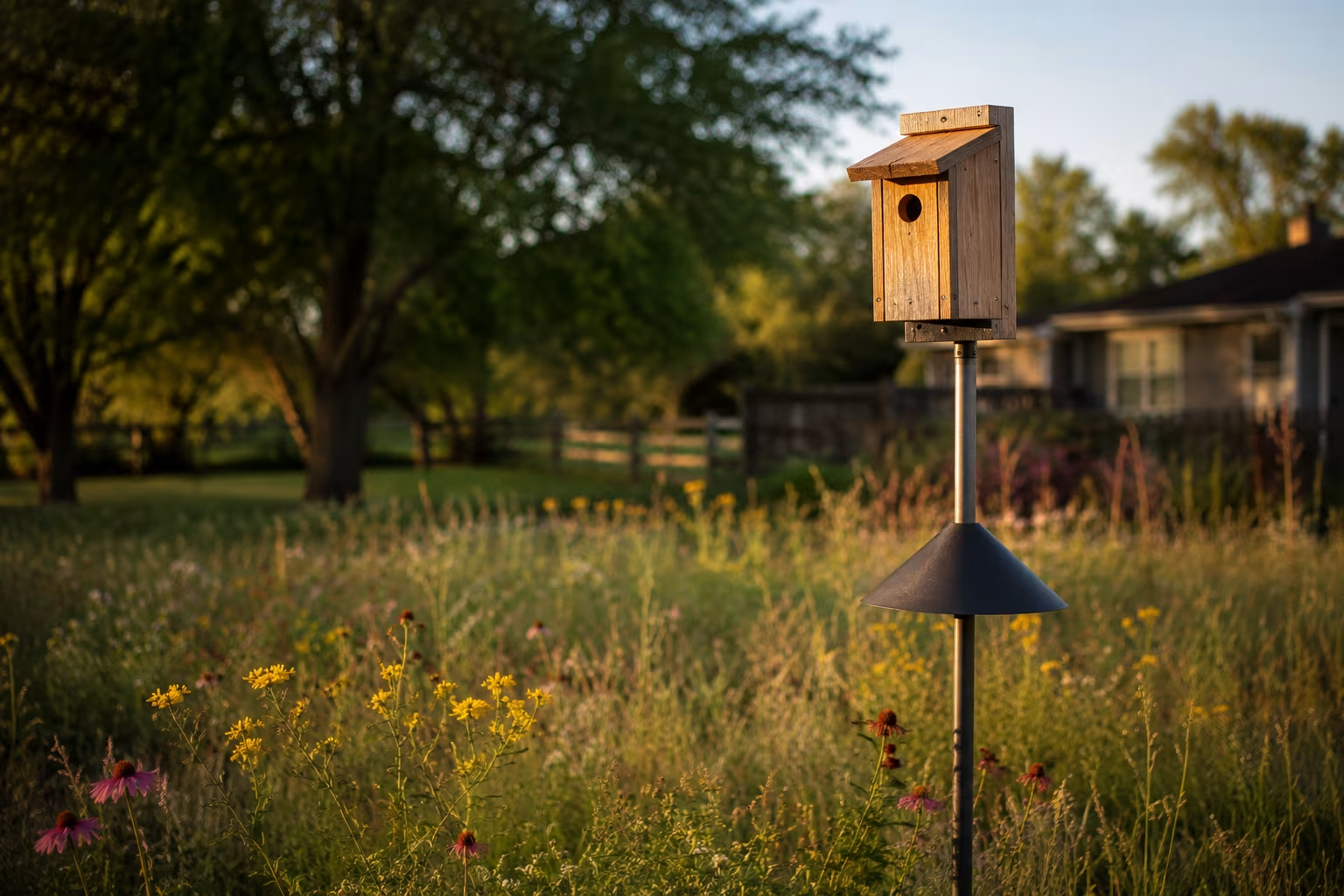
By creating even a small pollinator garden, you're building a little oasis, a mini pit stop, for these hard-working creatures. It’s like putting out a welcome mat and a buffet all at once!

And honestly? It just feels good. There’s something so rewarding about watching a bumblebee buried deep in a coneflower or seeing a monarch butterfly gently land on a milkweed you planted yourself. It connects you to something bigger, right in your own backyard or balcony.

Plus, it's a beautiful way to bring more life and color to your home. My little patch of cosmos and zinnias near my garage workshop has brought so much joy, not just to me, but to all the little critters who visit. It makes the world feel a little bit more vibrant.

The "Seed Packet" Philosophy: Why This Works For Us Hobbyists

So, why are we focusing only on seed packets for this project? It's not just some quirky challenge I came up with; there's a real method to this madness, especially for someone who, like me, just wants to make stuff without getting a horticulture degree.

Seed packets are awesome. They're accessible, affordable, and, most importantly, they contain almost all the basic information you need to get started. It's like having a tiny, colorful instruction manual for each plant, printed right there on the front and back.

Think about it: you don't need to pore over gardening books or decipher complex zone maps initially. You can literally just walk into any hardware store, grocery store, or even dollar store, grab a few packets that catch your eye, and you've got your whole design strategy in your hand.

This approach totally cuts through the overwhelm. It simplifies the initial decision-making process, letting you focus on the fun part: picking pretty flowers and imagining your future buzzing garden. We're keeping it low-stress and high-reward, just how I like my hobbies.

More Than Just Pretty Pictures

Okay, let's really dig into why these little paper gems are so fantastic for designing your pollinator haven. It's not just about the vibrant photos, though those are definitely a bonus.

Each packet is packed with crucial details, tiny bits of wisdom from the plant world. It's like a cheat sheet for successful gardening, tailored for each specific variety. You just need to know what to look for.

I remember my first time trying to grow anything from seed. I just scattered them willy-nilly and hoped for the best. Spoiler: it didn't work out. Learning to actually read the packets was a total game-changer for me.

  • Ease of Access: Seriously, you can find seed packets almost anywhere. From big box stores to your local nursery, they're readily available. This means no special orders or long waits; instant gratification for your gardening itch. You can pick up a few while you're grabbing groceries, making it super convenient to start small.
  • Built-in Info: This is the goldmine. Each packet tells you things like ideal sun exposure (full sun, partial shade), planting depth, spacing, days to germination, mature height, and even bloom time. For our pollinator garden, it often also explicitly states if it's "pollinator-friendly" or "attracts butterflies/bees." This info helps you match plants to your specific garden conditions and ensures you're actually picking beneficial varieties.
  • Budget-Friendly: Starting from seed is usually way, way cheaper than buying established plants or "starts." You can get dozens, sometimes hundreds, of seeds for just a couple of dollars. This means you can experiment more, try different varieties, and even grow a much larger garden without breaking the bank. It's perfect for when you're just dipping your toes into gardening without a huge upfront investment.

So, the next time you're at the store, don't just grab a packet because the flower looks pretty (though, let's be honest, that's half the fun). Take a moment to actually read the fine print. It's all there, waiting to guide your garden design.

This approach really empowers you to make informed decisions about your garden, even if you're a total beginner. You don't need to guess; the packet tells you what to do. It takes a lot of the mystery out of gardening, which I definitely appreciate.

Your Step-By-Step Guide: From Packet to Pollinator Paradise

Alright, now for the fun part! Let's get these little instruction manuals, I mean, seed packets, to work. Designing a garden this way isn't about rigid rules; it's about thoughtful planning and a bit of playful experimentation. We're going to build your pollinator haven one packet at a time.

I remember feeling so overwhelmed by my first garden design. I thought I needed graph paper and complicated plant charts. Turns out, all I really needed was a pencil and a little patience. If I can do it, you absolutely can too.

Step 1: Get Obsessed with Seed Packets (The Fun Part!)

This is where your adventure begins! Head to your local garden center, hardware store, or even the grocery store aisle where they keep the seeds. Your mission: to browse with intention.

Don't just grab the first pretty thing you see. Look for packets that explicitly state "attracts pollinators," "bee-friendly," "butterfly garden," or similar phrases. Many seed companies are making it super easy to identify these now, which is awesome.

As you're looking, pay close attention to the details on the back. You want a good mix of bloom times (early, mid, late season) to ensure a continuous food source for pollinators throughout spring, summer, and fall. A variety of flower shapes and colors is also great because different pollinators are attracted to different types.

Think about things like Cosmos, Zinnias, Sunflowers, Marigolds, and Borage for easy-to-grow annuals. For perennials (plants that come back year after year), look for Coneflower (Echinacea), Black-Eyed Susan (Rudbeckia), Bee Balm (Monarda), or Lavender. Milkweed is crucial for Monarch butterflies, so if you're in their migration path, definitely grab some of those seeds.

I usually pick up maybe 5-7 different varieties to start, making sure they all have similar sun and water needs. This keeps things simple and manageable for a beginner. It also prevents you from getting too many packets and then feeling overwhelmed when you get home.

Step 2: Map It Out (No Fancy Software Needed)

Once you've got your treasured collection of seed packets, it's time to start planning. You don't need any special software or drawing skills for this. Seriously, stick figures are fine.

Grab a piece of paper, a pencil, and maybe some colored pens if you're feeling fancy. Draw a rough outline of your planting area – whether it's a small raised bed, a section of your yard, or even just a few pots on a balcony.

Now, here's the critical part: observe your space throughout the day. Where does the sun hit? How many hours of direct sun does each area get? Note this down on your sketch. Is there a shady spot? A particularly windy corner? These are all important details.

Next, use the information on your seed packets. Group plants with similar sun requirements together. Full sun plants go in the sunny spots, partial shade plants go where they'll get a break from the afternoon sun. It sounds obvious, but it's where most beginner gardeners mess up, myself included when I started.

Think about height too. Taller plants usually go in the back (if against a fence or wall) or in the center (if it's an island bed) so they don't shade out shorter ones. Shorter, sprawling plants can go along the edges. Your packets will tell you the mature height, which is super helpful for this.

As you 'place' each type of seed on your paper, think about bloom times. Can you arrange them so there's always something flowering from spring through fall? This ensures a continuous food source for your pollinators, which they'll totally appreciate. Don't stress about perfection; it's a living canvas, after all!

Step 3: Prep Your Spot (It's Not Just Digging Dirt)

Now that you have a rough idea of where everything is going, it's time to get the actual planting area ready. This step is crucial for giving your seeds the best possible chance to sprout and thrive.

First, clear out any weeds, grass, or debris from your chosen spot. Weeds compete with your baby plants for water, nutrients, and sunlight, and we want to give our pollinators the best possible spread.

Next, loosen the soil. If you have really compacted soil, you might need a garden fork or a shovel to gently turn it over. You don't need to dig down super deep, just enough to make it crumbly and inviting for tiny roots.

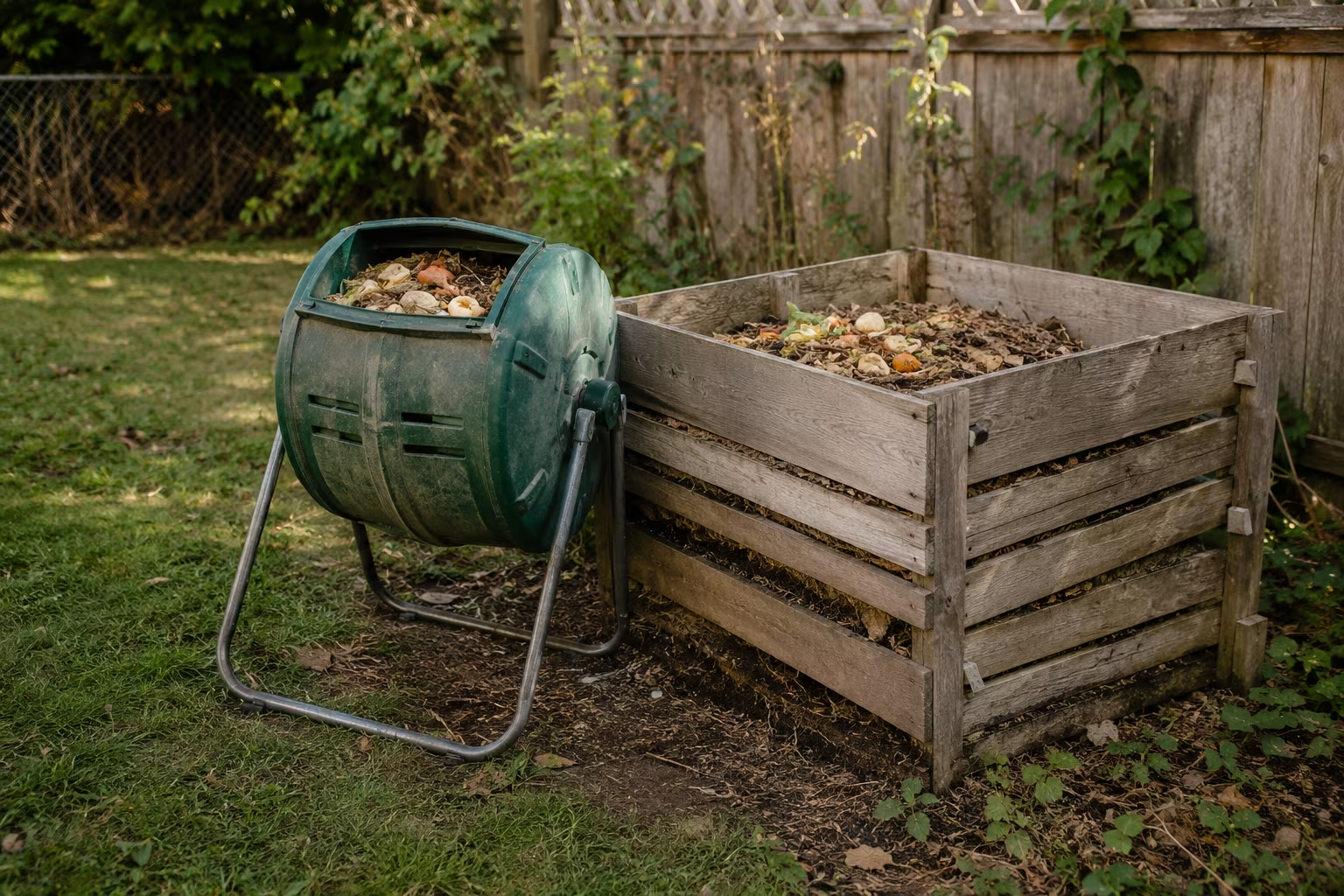
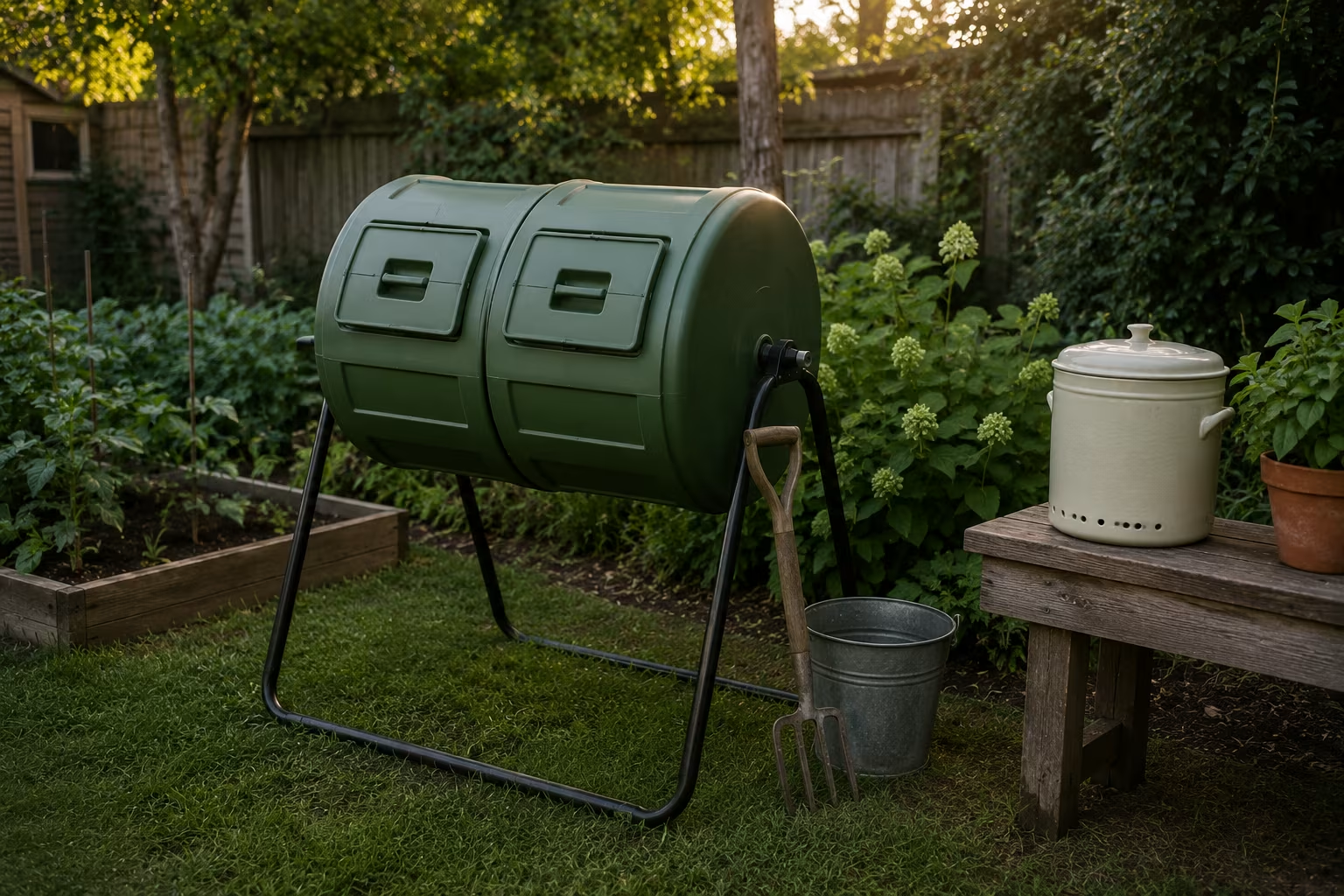
I used to think I needed to buy bags of fancy soil amendments, but that's not always true, especially when starting out. If your soil is really poor (heavy clay or pure sand), adding some compost can be helpful. Compost is just decomposed organic matter, and it's like superfood for your soil – improves drainage, adds nutrients, and makes it generally more hospitable.

You can buy bags of compost from any garden store, or even better, if you have a compost pile, use some of your own! Spread a layer (1-2 inches) over your cleared area and gently mix it into the top few inches of soil. This step really goes a long way in setting your seeds up for success without a huge fuss.

Make sure the surface is relatively smooth and level after you're done. This helps with even watering and ensures your seeds don't get washed away in a rainstorm.

Step 4: The Big Planting Day (Patience is Key Here)

This is it – the moment of truth! Before you open those precious seed packets, double-check the planting instructions one last time. This includes recommended planting time (usually a window in spring after the last frost), planting depth, and spacing.

For most seeds, you'll create small furrows or holes according to the depth on the packet. A good rule of thumb I often use is to plant seeds about 2-3 times their size deep, but always check the packet first!

Spacing is super important. Don't just dump all the seeds in one spot! Overcrowding leads to weak, spindly plants that are more susceptible to disease. Give them room to grow into strong, robust pollinator magnets. The packet will tell you the ideal distance between seeds or plants.

Gently place your seeds in their designated spots. For very tiny seeds, mixing them with a little sand can help distribute them more evenly. Cover them lightly with soil, again, following the packet's instructions for depth.

Once all your seeds are in the ground, give them a good, gentle watering. You want to moisten the soil without dislodging the seeds. A watering can with a fine rose attachment is perfect for this. Keep the soil consistently moist (but not soggy!) until the seedlings emerge.

Don't be discouraged if you don't see anything for a while. Germination takes time, sometimes weeks! My first time planting cosmos, I was convinced I'd failed, and then suddenly, tiny green shoots appeared. It's a miracle every time. Be patient, keep watering, and trust the process.

Step 5: Nurture & Observe (Your Garden's Story Unfolds)

Planting the seeds is just the beginning; now comes the nurturing phase. This is where you really get to connect with your garden and watch its story unfold. It’s a wonderful, ongoing learning experience.

Your main tasks now will be watering, weeding, and thinning. Keep the soil consistently moist, especially during dry spells and when the plants are young. Once they're more established, some plants can tolerate a bit more drought, but always check their specific needs.

Weeding is vital. Those pesky weeds will compete with your flowers for light, water, and nutrients. Get them when they're small, before they have a chance to take over. I usually spend 15-20 minutes a few mornings a week just pulling weeds; it's almost meditative, honestly.

Thinning is another important step that sometimes feels hard to do. When your seedlings are a few inches tall, if they're too close together, you'll need to remove some of the weaker ones to give the stronger plants adequate space to grow. Refer to your seed packet for ideal final spacing. It feels brutal to pull out healthy seedlings, but it results in much stronger, healthier plants overall.

Most importantly, observe! Watch for the first tiny sprouts, the first true leaves, and then, the magical appearance of flower buds. Pay attention to who visits your garden. Are bees flocking to the zinnias? Are butterflies fluttering around the milkweed? This feedback tells you what's working and what your local pollinators love.

This observation part is truly one of the most rewarding aspects of gardening. It's like your garden is constantly talking to you, telling you what it needs and how it's doing. You become a detective, always looking for clues.

Step 6: Plan for Next Year (Because It's Addictive!)

Once you've had a successful season, you'll probably find yourself hooked! The beauty of gardening, especially with seeds, is that it's a continuous cycle. You're always learning, always planning for the next bloom.

As your annuals start to fade in the late summer or fall, consider "deadheading" them (removing spent flowers) to encourage more blooms. Some annuals will even "self-seed," dropping their seeds into the soil for new plants next year. Cosmos and zinnias are great for this, and it's always a fun surprise to see where they pop up.

For perennials, make a note of what thrived and what didn't. You might want to collect seeds from your favorite plants. This is a super budget-friendly way to expand your garden next year or share with friends. Just let the flowers dry on the plant, collect the seeds, and store them in a cool, dry place for next spring.

Take pictures throughout the season to remember what worked well and what areas might need tweaking. Did you have a gap in bloom times? Not enough variety for specific pollinators? This reflective process is part of the design, too.

The beauty of this seed packet approach is that you can adjust and expand every year without a huge commitment. Maybe next year you'll try a new type of bee balm or add some sunflowers to a different part of your yard. It's an ongoing journey of discovery and joy, and your garden will only get better with time and observation.

Keeping Your Pollinators Buzzing: Common Pitfalls & Tips

Alright, even with the best intentions and carefully read seed packets, gardening always throws a few curveballs. I’ve definitely had my share of plant flops and head-scratching moments. It’s all part of the process, truly!

One of the biggest pitfalls for beginners (and sometimes even seasoned hobbyists like me!) is impatience. You plant those seeds, you water, and then you just stare at the dirt, wondering why nothing’s happening. It’s hard to wait, I know.

Another common mistake is inconsistent watering, especially during germination. Those tiny sprouts need consistent moisture to get going, but too much water can rot them. It's a delicate balance, and sometimes the weather just doesn't cooperate with your schedule.

Also, resist the urge to use chemical pesticides or herbicides in your pollinator garden. These products are incredibly harmful to the very creatures you're trying to attract. A healthy ecosystem usually balances itself out. If you have a pest problem, try natural solutions like neem oil or introducing beneficial insects (ladybugs are awesome!).

Don't be afraid to experiment! If a plant isn't thriving in one spot, try moving it next year (if it's a perennial) or choosing a different variety for that spot. Your garden is a living laboratory, and every "failure" is just a lesson learned. I once planted morning glories in a spot that got way too much wind, and they just never took off. Lesson learned for next season!

"A thriving garden isn't about perfection, it's about observation and resilience. Every weed pulled and every bloom admired teaches you something new."

Frequently Asked Questions

Do I need special tools for this?

Honestly, no! You can start with just a hand trowel, a watering can, and maybe some gloves. A small rake or cultivator can be helpful for soil prep, but you can even use your hands for most of it. Don't let a lack of fancy tools stop you; I've used old kitchen spoons in a pinch before!

What if my space is super small?

No problem at all! I've seen amazing pollinator gardens on tiny apartment balconies. Use containers, hanging baskets, or window boxes. Just make sure your pots have drainage holes and choose compact varieties of flowers. Even one or two pots of bee-friendly blooms can make a difference, and it's a perfect way to dip your toes in.

I've never gardened before. Is this too much?

Absolutely not! This seed packet approach is designed specifically for beginners. By starting with easy-to-grow annuals like Zinnias, Cosmos, or Sunflowers, you'll quickly see results and build your confidence. Start small, maybe with just 2-3 types of seeds, and expand from there. It's way less intimidating than tackling a whole landscape at once.

How long does it take to see results?

It depends on the seeds! Some annuals, like Nasturtiums or Marigolds, can sprout in a few days and flower in a few weeks. Others, especially perennials, might take longer to germinate and won't bloom until their second year. The seed packet will usually give you a "days to germination" and "days to bloom" estimate, which is super helpful for managing expectations.

Are there any plants I should avoid?

Yes, definitely do your research for your specific region! Generally, avoid invasive species, as they can choke out native plants that local pollinators rely on. Also, some highly hybridized ornamental flowers might look beautiful but offer little to no pollen or nectar for insects. Stick to varieties explicitly labeled "pollinator-friendly" or "native" for the best results.

The Bottom Line

Creating a pollinator-friendly garden, even a small one, is such a rewarding endeavor. It connects you to nature, helps our buzzing friends, and adds so much beauty to your little corner of the world. And the best part? You don't need to be an expert; you just need a handful of seed packets and a willingness to try.

Don't overthink it. Grab a few packets that speak to you, follow the simple instructions, and just get started. Your garden, and the pollinators, will thank you. I can't wait to see what you grow! ❤️

Laura Hayes
Written by

Laura Hayes

Maker and craft enthusiast from Portland, Oregon. I've been documenting my DIY journey since 2019 - everything from woodworking to paper crafts. When I'm not in my garage workshop, you'll find me hunting for supplies at thrift stores.