How to Incorporate Antique Mirrors into Contemporary Room Designs
You know that feeling when you're scrolling through Pinterest, and you see a room that just clicks? Like, it's cozy but modern, eclectic but cohesive, and you can't quite put your finger on why it works so well?
For me, often, there's an antique mirror in the mix. It's that unexpected twist, that little bit of history peeking through an otherwise sleek space, that makes everything feel so much more intentional and lived-in.
Today, we're going to dig into how those gorgeous, sometimes dusty, pieces of history can totally transform a contemporary space. We'll talk about finding them, styling them, and making sure they don't look like they just fell off a grandma's wall – unless that's the vibe you're totally going for, of course!
I've messed up this design choice a few times myself, ending up with a room that felt more like a museum storage unit than a stylish home. But when you get it right, it's truly magic. Let's make sure you get it right the first time.
Why This Actually Matters
Ever feel like your "modern" room looks a little... sterile? Or maybe too much like it was pulled straight from a furniture catalog? I've been there, staring at a room that just felt missing something, despite having all the right pieces.
That's where an antique mirror swoops in. It adds soul, a story, and a layer of texture that contemporary pieces often lack. It instantly makes a space feel curated, not just decorated, giving it a unique personality.
Think about it: modern design often favors clean lines, neutral palettes, and minimal ornamentation. While beautiful, this can sometimes feel a bit cold or unapproachable without something to ground it.
An antique mirror acts as that perfect counterpoint. Its imperfections, its history, its often ornate details provide a visual anchor, a warm contrast to the crispness of modern aesthetics. It makes your home feel distinctly yours.
I remember when I bought my first "real" mirror for this purpose, a huge gilded beast with some lovely foxing, for $40 at an estate sale. My husband thought I was completely crazy, hauling it into our minimalist living room.
He just saw an old, slightly tarnished mirror. I saw potential. The moment it was carefully propped against the wall, everything just softened. The harsh edges of our new sofa seemed less severe, and the room suddenly felt like it had always been there. It felt like home.
It's not just about aesthetics either. These mirrors often reflect light in a softer, more diffused way due to their age, which can really enhance the ambiance of a room, especially one that might lack natural light. They don't just look pretty; they actually do something for the space.
Plus, they’re sustainable. You’re giving a beautiful, well-made item a second life, rather than buying something new. That's a win in my book for sure.
Finding Your Perfect Piece
So, you're convinced, right? Time to hunt for treasure! But before you hit up every dusty antique shop, let's chat about what we're even looking for. It's not just about any old mirror.
We want a piece with character, something that tells a story without screaming "dusty museum piece." We're aiming for a subtle nod to the past, a harmonious blend, not a jarring contrast.
My go-to spots are always thrift stores, estate sales, and local antique malls. Online marketplaces can be good too, but nothing beats seeing that gorgeous patina in person before you commit.
You really need to feel the weight, check the frame for stability, and most importantly, look at the glass up close. Those tiny imperfections are exactly what we're after, but you want to make sure they're not actual damage.
Don't be afraid to haggle a little, especially at estate sales or smaller antique shops. I once got a massive, art deco style mirror for half price just by asking if they could "do a little better." It never hurts to try!
What Defines an Antique Mirror?
When I say 'antique mirror,' I'm not always talking about something from the 1700s, though those are amazing if you can find them. We're often looking for mirrors that are at least 50-100 years old, or at least have that look.
The key isn't necessarily the age on paper, but the patina. That slightly foxed, cloudy glass, the original worn frame – that's the magic. It's the opposite of a brand-new, perfectly crisp reflection you get from modern glass.
The frame itself is often a huge indicator. Think ornate carvings, gilded finishes that have faded or chipped a bit, or even simpler wooden frames with beautiful distressing. These details are what make them truly special.
Sometimes you'll find mirrors with unique construction, like multi-panel designs or specific hardware. These subtle clues really point to a piece having a history and not just being a factory reproduction.
You might find some with bevelled edges, or unusual shapes like ovals, arches, or even complex crests. These distinct forms offer an immediate visual interest that’s hard to replicate with standard modern shapes.
- Patina on the glass - That smoky, speckled, slightly imperfect reflection? That's what we call "foxing," and it's gold when you're looking for an antique mirror. It’s not a flaw; it’s what gives the mirror its age and undeniable charm.
- Original frame character - Look for wood grain, chips in gilding, minor scratches, or signs of hand-carving. These aren't defects; they're badges of honor that tell its history. Modern mirrors rarely have this depth of detail or texture.
The frame can range from simple, rustic wood with a lovely aged finish, to incredibly elaborate gilded plaster. The key is that the wear and tear looks authentic, not manufactured. It’s a gentle erosion over time.
Don't dismiss a beautiful frame just because the mirror glass is beyond repair. You can sometimes have new glass cut for an antique frame, or even turn the frame into a piece of wall art itself. The frame often holds more historical value than the glass.
I once found a mirror with a stunning hand-carved oak frame for $15 at a garage sale, but the glass was completely shattered. I carefully removed the broken pieces, cleaned up the frame, and now it frames a rotating display of my favorite vintage postcards.
- Unique construction or shape - Antique mirrors often boast non-standard sizes, intricate joinery, or unusual forms that you just don't see in mass-produced items today. They might be heavier and more substantial too.
Think beyond the standard rectangle or circle. Arch-top mirrors, trifold vanity mirrors, or even small, intricately shaped hand mirrors can all be repurposed and incorporated into a larger design scheme.
Sometimes, the construction itself tells a story. Dovetail joints on a wooden frame, old wire hanging mechanisms, or even the type of wood used can give you clues about its origins and age. These details make them truly special.
These unique pieces instantly add personality to a room, making it feel less generic. They become conversation starters, not just reflective surfaces. You're bringing in something with a past, not just a present function.
This foxing happens when the silvering on the back of the glass degrades slowly over decades. It creates these unique cloudy patterns and dark spots, giving the mirror a visual texture you can't replicate easily.
A brand-new mirror gives a perfectly crisp reflection, which is great for getting ready. But an antique mirror with its gorgeous patina offers something different: it's more like a piece of art than just a functional item.
It softens the light it reflects, too. Instead of a harsh glare, you get a diffused, almost dreamy quality that adds so much warmth to a room. It’s all about embracing those beautiful, subtle imperfections.
Styling Secrets: Making Old New Again
Okay, you've found your perfect antique mirror. You’ve probably carefully hauled it home, wiped off a century of dust, and now it's sitting there. What next?
This is where the real fun begins: integrating it seamlessly into your modern space. It’s all about balance and intentionality. We want it to look like it belongs, not like it got lost on its way to your great aunt's attic.
The trick is to create a dialogue between the old and the new. You're introducing a piece with a rich history into a clean, contemporary setting. This contrast is what creates visual interest and depth.
Don’t be afraid to experiment! Propping it, hanging it, mixing it with different textures and materials – this is your chance to really play around until it feels just right. There's no single "correct" way to do this.
Step 1: The Placement Play
The first step is figuring out where this beauty will live. Placement is everything for an antique mirror. It dictates its function and its visual impact within the room.
Consider using it as a focal point. A large, ornate mirror propped against a wall in your living room, perhaps above a simple, modern console table, creates an immediate statement. This really draws the eye.
In a dining room, a tall antique mirror can beautifully reflect a chandelier or a stunning piece of modern art, doubling its visual effect. It expands the space and brings in more light, making the room feel larger and brighter.
Don't be afraid to put a large mirror in an unexpected spot, like a hallway or even a bathroom. A smaller, uniquely shaped mirror above a sleek modern sink can look incredibly chic and adds an instant touch of character.
I once had a small, round antique mirror with a heavily distressed frame that I couldn't figure out where to put. I ended up hanging it in my pantry, opposite the window. It made the small space feel so much bigger and brighter every time I opened the door!
It's important to think about what the mirror will reflect. You want it to bounce back something appealing – natural light, a plant, a piece of art, or even just an interesting architectural feature. Avoid placing it where it reflects clutter or a busy doorway.
Step 2: Mixing Materials
This is where the contemporary aspect really comes into play. To avoid your room looking like a period piece, you need to pair the antique mirror with distinctly modern materials.
Think sleek metals like brushed brass, matte black steel, or polished chrome. These clean, industrial textures provide a striking contrast to the aged, often ornate, quality of the mirror's frame.
Combine your antique mirror with concrete, glass, or minimalist wood furniture. A raw concrete coffee table next to a gilded mirror creates a fantastic juxtaposition that's incredibly chic. It’s a push and pull between two distinct eras.
Fabrics can also play a role. Picture a rich velvet sofa next to a weathered, wooden-framed mirror. The softness and luxury of the velvet beautifully complement the mirror's rugged charm.
Even something as simple as a modern ceramic vase with a few fresh flowers placed on a console table beneath the mirror can bridge the gap between old and new. It’s all about creating visual interest through difference.
You can even try pairing it with modern art. A bold, abstract painting next to an antique mirror creates a dynamic tension. The contemporary colors and forms will make the mirror’s history feel even more pronounced.
Step 3: Lighting the Past
Good lighting can elevate any decor, and it’s especially important when you’re highlighting a unique piece like an antique mirror. It can draw attention to its best features and integrate it into the room's overall mood.
Consider placing a modern floor lamp or a sleek sconce near the mirror. The light will gently play off the mirror's surface, highlighting its patina and the intricate details of its frame.
This can create a beautiful soft glow, especially if your mirror has that lovely foxing. The diffused reflection will spread a warm, ambient light around the room, making it feel extra cozy and inviting.
You can also use directional lighting, like a picture light, to specifically illuminate the mirror from above. This makes the mirror feel like a true piece of art, drawing the eye directly to its character.
Be mindful of harsh overhead lights, though. Sometimes these can create unflattering glares on the mirror's surface, diminishing its charm. Experiment with different light sources and positions to find what works best.
I found that placing a small, modern LED strip light behind a particularly ornate mirror I have created a subtle, ethereal glow around it. It felt like the mirror was softly floating off the wall, and it highlighted all the frame’s carving beautifully.
Step 4: Creating a Gallery Wall (or not!)
A single, large antique mirror can be a powerful statement on its own. But if you have several smaller ones, or want to create more visual texture, a gallery wall incorporating antique mirrors is a fantastic idea.
Mix and match different shapes, sizes, and frame styles of antique mirrors with contemporary artwork, photographs, or even other small decorative objects. The key is to find a common thread, like a color palette or a specific theme.
Don't be afraid to combine a heavily ornate gilded mirror with a simple, modern framed print. The contrast adds so much character and depth. It breaks up the monotony and keeps the eye moving.
You can even layer mirrors. Prop a smaller, more delicate antique mirror against a larger one on a mantelpiece or a console table. This adds dimension and creates a lovely vignette.
If you're going for a gallery wall, lay out your arrangement on the floor first. This lets you play around with the composition without putting a million holes in your wall. I always do this; it saves so much stress and spackle!
However, sometimes less is more. If you have a truly show-stopping, oversized antique mirror, it might deserve a wall all to itself. Let it breathe and command the space without competition. Sometimes the strongest statement is made by one powerful piece.
Trust your gut here. If a gallery wall feels too busy with your particular mirror, then skip it. The goal is enhancement, not overwhelm. Always think about how each piece contributes to the overall feeling of the room.
Step 5: Pairing with Modern Art
This might seem counterintuitive at first – an ancient mirror next to a very new painting? But trust me, this pairing can be incredibly effective and creates an instant conversation starter in any room.
The juxtaposition of a richly textured, historically significant mirror with a vibrant, abstract, or even minimalist piece of modern art creates a dynamic visual tension. It’s a dialogue between different eras and styles.
Choose art that complements, but doesn't compete with, the mirror. If your mirror is very ornate, a piece of art with clean lines and a strong color might work best. If the mirror is simpler, you can go bolder with the artwork.
Think about color harmonies. If your mirror has hints of gold or bronze, select art that incorporates warm tones. If the mirror is silver or distressed wood, cool blues or greens in the artwork could be stunning.
You can hang them side-by-side, or even place a smaller piece of modern sculpture or pottery on a shelf directly below or in front of the mirror. It all comes back to creating interesting layers and connections.
I recently hung a large, very minimalist canvas with just a few strokes of black paint next to a deeply carved, dark wood antique mirror. The contrast was incredible; the mirror looked even more detailed, and the art felt even more impactful.
It’s all about creating visual balance and excitement. You’re not trying to make them blend in perfectly, but rather to highlight their differences in a beautiful way. This strategy adds a sophisticated, curated feel to any space.
Step 6: Don't Forget the Frame
The frame of an antique mirror is often half the story. Don't overlook its potential or feel like you have to strip it down to fit a modern aesthetic. Often, its original character is exactly what you want to preserve.
A heavily gilded frame with chips and cracks tells a beautiful story. These imperfections add depth and interest that a brand-new, perfect frame simply can't replicate. Embrace the wear and tear.
However, if the frame is truly damaged or doesn't suit your taste, you can carefully restore or even paint it. Just be mindful that you might be diminishing its antique value if you go too drastic.
If you choose to paint, consider a matte black, a crisp white, or even a soft gray to modernize an overly ornate frame. This allows the intricate details to remain, but in a contemporary color palette.
My advice? Live with the mirror as-is for a while first. You might find that the 'unsuitable' frame actually grows on you and becomes one of your favorite features. Often, these things just need time to feel right.
Sometimes, a simple clean is all it needs. Gently wipe away dust and grime from the frame with a soft, dry cloth. For very delicate gilding, be extremely careful not to rub off any of the finish.
If you're dealing with a wooden frame, a bit of natural wood wax or oil can often revive its luster without changing its character. Always test on an inconspicuous spot first to make sure it doesn’t alter the finish in an undesirable way.
Step 7: Reflecting Greenery
Bringing natural elements into a contemporary space is always a good idea, and combining them with an antique mirror creates a truly harmonious effect. Plants add life, softness, and a touch of organic beauty.
Place a tall, leafy plant, like a Fiddle Leaf Fig or a Monstera, near your antique mirror. The mirror will reflect the greenery, making your space feel more vibrant and bringing the outdoors in.
Even a small grouping of succulents or a delicate fern on a shelf below the mirror can create a lovely, fresh contrast to the aged quality of the glass and frame. It’s a very simple yet effective trick.
The soft, diffused light from an antique mirror often works beautifully with plants, highlighting their textures and colors. It's like having a living, breathing piece of art that's constantly evolving.
This pairing works particularly well in spaces that might feel a little cold or industrial. The warmth of the antique mirror combined with the life of the plants instantly makes the room feel more inviting and cozy.
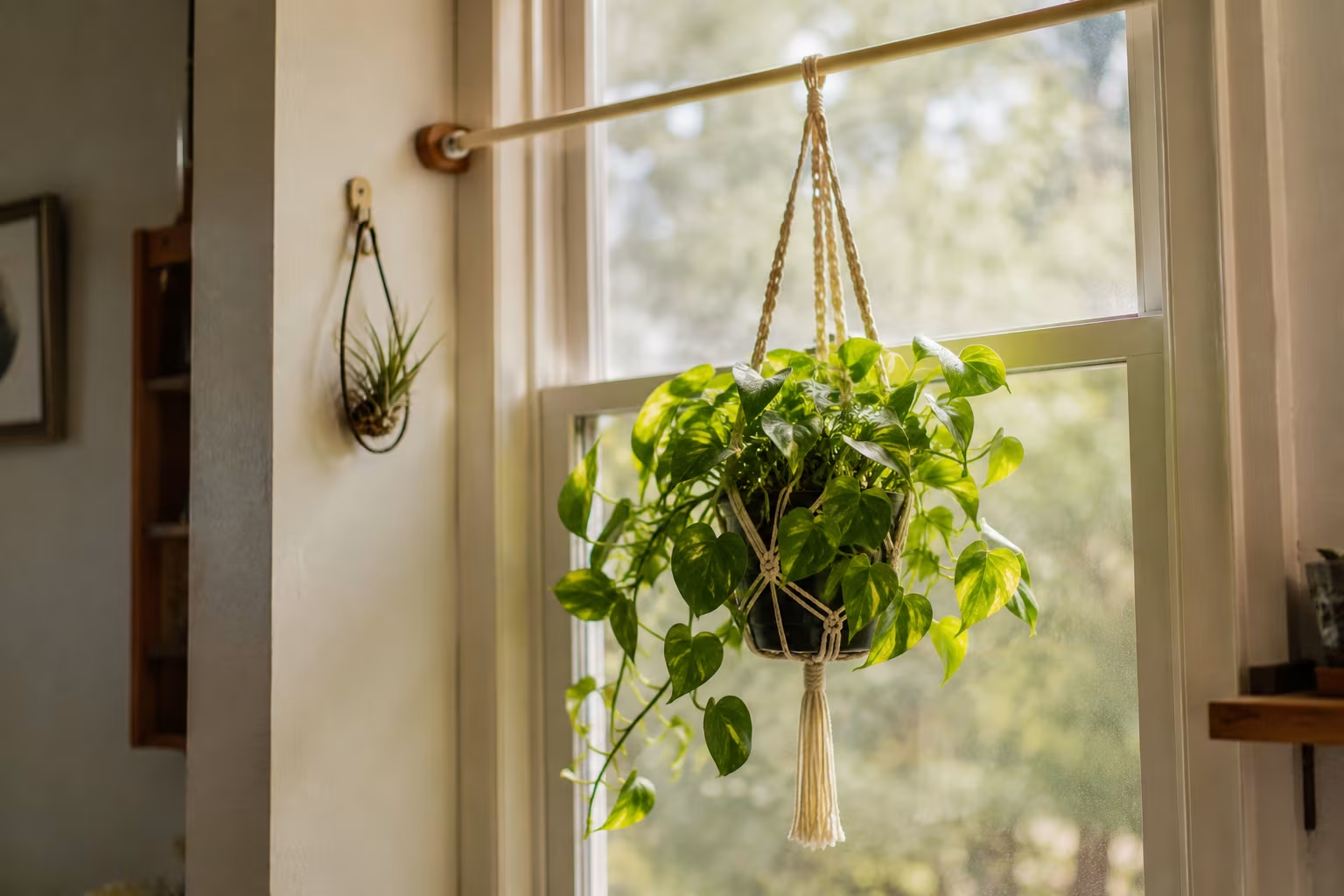
I've got a Pothos trailing from a shelf above an antique mirror in my office, and the way the leaves are reflected makes the whole corner feel like a little urban jungle. It's surprisingly calming to look at during a busy workday.
Consider the scale of the plants too. For a very large mirror, a substantial floor plant works well. For smaller mirrors, a delicate hanging plant or a potted herb can be the perfect touch. It’s about creating balance and a sense of natural flow.
Avoiding Design Blunders: Common Traps to Sidestep
Okay, so we've covered the good stuff. But like any good DIY or design project, there are a few common pitfalls that can trip you up. I’ve certainly made some of these mistakes myself, ending up with a room that felt... off.
The biggest one? Overdoing it. You want an antique mirror to be a statement piece, not part of a full-blown antique shop display. One or two carefully chosen pieces are usually plenty in a single room.
Another common mistake is placing the mirror in a spot where it reflects something unappealing. You don't want it bouncing back a cluttered corner, a stack of mail, or an ugly utility box. Always consider the reflection.
Don't just hang it at eye level by default. Antique mirrors can be fantastic when propped against a wall, leaning casually. This often feels more relaxed and contemporary than a stiff, perfectly centered hang.
Also, resist the urge to "fix" every imperfection. That chipped paint, that slightly cloudy spot on the glass – these are features, not flaws. Stripping away all the character defeats the purpose of an antique piece.
I once tried to sand down a beautiful distressed wooden frame to give it a "smoother" finish. Big mistake. It ended up looking dull and lost all its rustic charm. Sometimes, it's best to leave well enough alone.
"An antique mirror isn't about perfection; it's about story. Let its history shine, don't try to erase it."
Finally, don't let fear of "getting it wrong" stop you from trying. This is your home, your space. Experiment! If it doesn't look quite right at first, move it, pair it with something different, or try a new angle. That's how we learn.
Frequently Asked Questions
Can I put an antique mirror in a modern farmhouse style home?
Absolutely! Antique mirrors are a fantastic fit for modern farmhouse aesthetics. The distressed wood or simple metal frames often found on older mirrors complement the rustic yet refined feel of farmhouse decor perfectly. Just make sure the mirror's style leans more towards classic rustic than overly ornate Victorian, to keep the look cohesive.
What if the mirror has significant damage to the glass?
It depends on the damage. Small imperfections like foxing are great. But if the glass is cracked or shattered, you have a few options. You can have a new mirror cut to fit the antique frame – this keeps the beautiful frame while giving you a usable reflection. Or, if the frame is truly stunning, remove the glass entirely and use the empty frame as wall art. I've done both with success!
Is it okay to paint an antique mirror frame?
Yes, but approach it thoughtfully. If the frame is truly hideous or completely falling apart, a fresh coat of paint in a modern color (like matte black, crisp white, or a muted gray) can really transform it. Just know that painting an original, well-preserved antique frame might diminish its historical or monetary value to some collectors. Consider if the frame's original finish has any unique character worth keeping before reaching for the paint can.
How do I safely hang a heavy antique mirror?
This is really important! Antique mirrors can be surprisingly heavy. Always use appropriate heavy-duty picture hangers or mirror hanging kits that are rated for the mirror's weight. Locate wall studs using a stud finder and securely fasten your hardware into them. If you can't find studs, use heavy-duty wall anchors designed for the weight. When in doubt, it's always worth getting a second person to help you lift and position it.
How can I clean an antique mirror without damaging it?
For the glass, a very light spray of a mild glass cleaner on a soft microfiber cloth (never spray directly onto the mirror, especially near the edges of the frame where it could seep behind the silvering) works for surface grime. For the frame, use a dry, soft cloth for dusting. If the frame is gilded, be extra gentle, as rubbing too hard can remove the finish. Avoid harsh chemicals on either the glass or the frame, especially if the frame is porous wood or painted.
What's the best way to get an antique mirror on a budget?
Thrift stores, estate sales, and garage sales are your absolute best friends for budget finds! I’ve scored some incredible mirrors for under $50 just by being persistent and visiting these spots regularly. Check local online marketplaces like Craigslist or Facebook Marketplace too. Sometimes people just want to get rid of old things quickly. Don't be afraid of a mirror that needs a little love; often, a good clean is all it takes to reveal its beauty.
The Bottom Line
Incorporating an antique mirror into your contemporary home design isn't about perfectly matching styles; it's about creating a conversation. It's about bringing character, history, and a touch of unexpected charm into your modern space.
So next time you're out treasure hunting, keep an eye out for those beautiful, aged reflections. Don't be afraid to experiment with placement, mixing materials, and letting the mirror's unique story unfold in your home. You've got this! ✨