The Best Indoor Plants for Every Room Based on Light Conditions
Hey there, fellow makers and plant parents! π Do you ever feel like your houseplants have a secret language you just haven't learned yet? One minute they're thriving, pushing out new leaves, looking all vibrant and happy.
The next, they're droopy, yellowing, or just... gone. You know that feeling when you've done everything "right" β watered it, talked to it, even named it β and it still decides to throw in the towel?
It's totally frustrating, right? I've been there more times than I care to admit. My first few attempts at indoor gardening ended with more compost than actual greenery, and honestly, it felt pretty disheartening.
But here's the thing: most of the time, it's not you. It's the light. Or rather, the mismatch between your plant and the light it's getting. Finding the right plant for the right spot in your home can feel like a guessing game, but it doesn't have to be.
Today, we're going to dive deep into how to actually pick the best indoor plants for your specific spaces. We'll talk about understanding the light you have, matching plants to those conditions, and avoiding some common pitfalls. Get ready to turn that brown thumb green!
Why This Actually Matters
You might be thinking, "Laura, it's just a plant. If it dies, I'll get another." And yeah, you totally can. But think about the time, the money, and honestly, the little hit to your confidence each time a plant goes south.
It's not just about keeping a plant alive; it's about creating a thriving, living part of your home. When your plants are happy, your space just feels better. There's a certain calm and vibrancy that only comes from successful greenery.
I learned this the hard way with my beautiful, but very fussy, Fiddle Leaf Fig. I bought it on a whim from a nursery, brought it home, and stuck it in what I thought was a "bright" corner. Within a month, leaves were dropping like crazy, and it looked utterly miserable.
I spent weeks trying to figure it out β more water, less water, fertilizer, talking to it with calming words. Nothing worked. It wasn't until I truly understood its light needs that I realized my "bright" corner was actually indirect and too far from the window for its demanding taste.
Moving it to a spot with proper bright, indirect light changed everything. Now itβs pushing out new leaves constantly, and I swear it looks happier. That experience taught me that understanding light isn't just a suggestion; it's the foundation of successful indoor plant care. It saves you frustration, money on replacement plants, and gives you that sweet satisfaction of watching something truly flourish.
Understanding Your Light Conditions
Okay, so "light conditions" sounds super scientific, but it's really not. Think of it more like asking your plant, "How much sun do you like for your afternoon nap?"
Different plants evolved in different environments. Some love basking in the sun all day, like a desert cactus. Others prefer the dappled shade of a forest floor, like a fern. Bringing them indoors means we need to try and mimic those natural preferences as best we can.
The biggest factor influencing your indoor light is your windows. Which way do they face? How big are they? Are there any obstructions outside, like big trees or buildings? All of these play a part.
How to "Read" Your Room's Light
Don't just guess! Take a few minutes to observe your space at different times of the day. This simple exercise will tell you so much about where your plants will be happiest.
- Bright Direct Light: This is usually found in South-facing windows, especially in the afternoon. It's where the sun's rays literally hit the plant's leaves for several hours. You'll see distinct, strong shadows. Think of a sunny beach.
- Bright Indirect Light: The holy grail for many plants! This is usually near East or West-facing windows, or a few feet back from a South-facing window, or even directly in front of a North-facing window. The light is bright but diffused; no direct sunbeams hit the plant for long periods. Shadows are still visible but soft. Imagine standing under a light canopy of trees.
- Medium Light: This is a step back from bright indirect. Think about a plant placed a bit further into the room from a bright window, or in a room with a window that gets only a few hours of indirect light. Shadows are subtle. Itβs like a slightly overcast day indoors.
- Low Light: These are the shadier spots. Far corners of rooms, rooms with small North-facing windows, or areas where natural light is heavily obstructed. Shadows are almost non-existent or very faint. This is like the deepest part of a shady forest.
Matching Plants to Your Light Conditions
Now that you've "read" your rooms, let's talk about some specific plant recommendations. No more guessing games, I promise!
Step 1: Bright Direct Light Enthusiasts (The Sun Worshippers)
If you've got a super sunny, often South-facing window, don't shy away from plants that love to soak it all up. These are the ones that actually thrive when the sun beams directly onto their leaves.
Think desert dwellers or plants from very open, bright environments. They need that intensity to perform their best. Many "succulent" varieties fall into this category, loving those long, bright days.
Recommended Plants:
- Cacti & Succulents (e.g., prickly pear, barrel cactus, Echeveria, Haworthia): These guys are built for sunshine! They store water in their leaves and stems, and direct light encourages compact growth and vibrant colors. Just make sure their soil drains super fast, otherwise they'll be sitting in soggy roots.
- Bird of Paradise (Strelitzia reginae): If you want a big, dramatic statement plant for a very bright spot, this is it. It needs tons of bright light, including some direct sun, to grow those gorgeous, large leaves and potentially even flower indoors. Rotate it occasionally so it grows evenly.
- Aloe Vera: Not just for sunburns! Aloe loves a sunny spot. It's pretty forgiving if you forget to water it, which is a bonus. Just don't overwater, especially in direct sun where the soil can dry out quickly.
- Jade Plant (Crassula ovata): Another classic succulent that thrives in direct light. It'll get leggy and sad in lower light, but give it a sunny window, and it'll grow into a beautiful, tree-like specimen.
Step 2: Bright Indirect Light Lovers (The Goldilocks Plants)
This is where most popular houseplants are happiest. They want lots of light, but not the intense, scorching direct sun. Think bright rooms, near East or West-facing windows, or a little further back from a South window. It's the "just right" spot for many leafy beauties.
The light here is abundant but filtered. It allows the plants to photosynthesize efficiently without getting their leaves scorched. You'll often see these plants with rich green foliage.
Recommended Plants:
- Monstera Deliciosa (Swiss Cheese Plant): Oh, the Monstera! Everyone wants one, and for good reason. They love bright, indirect light. Too much direct sun can scorch those iconic split leaves, but too little will result in smaller leaves and no fenestrations.
- Fiddle Leaf Fig (Ficus lyrata): My former nemesis, now friend! These are dramatic but stunning. They crave bright, indirect light β the brighter, the better, without direct scorching. They're prone to throwing a fit if you move them or their light conditions change too much.
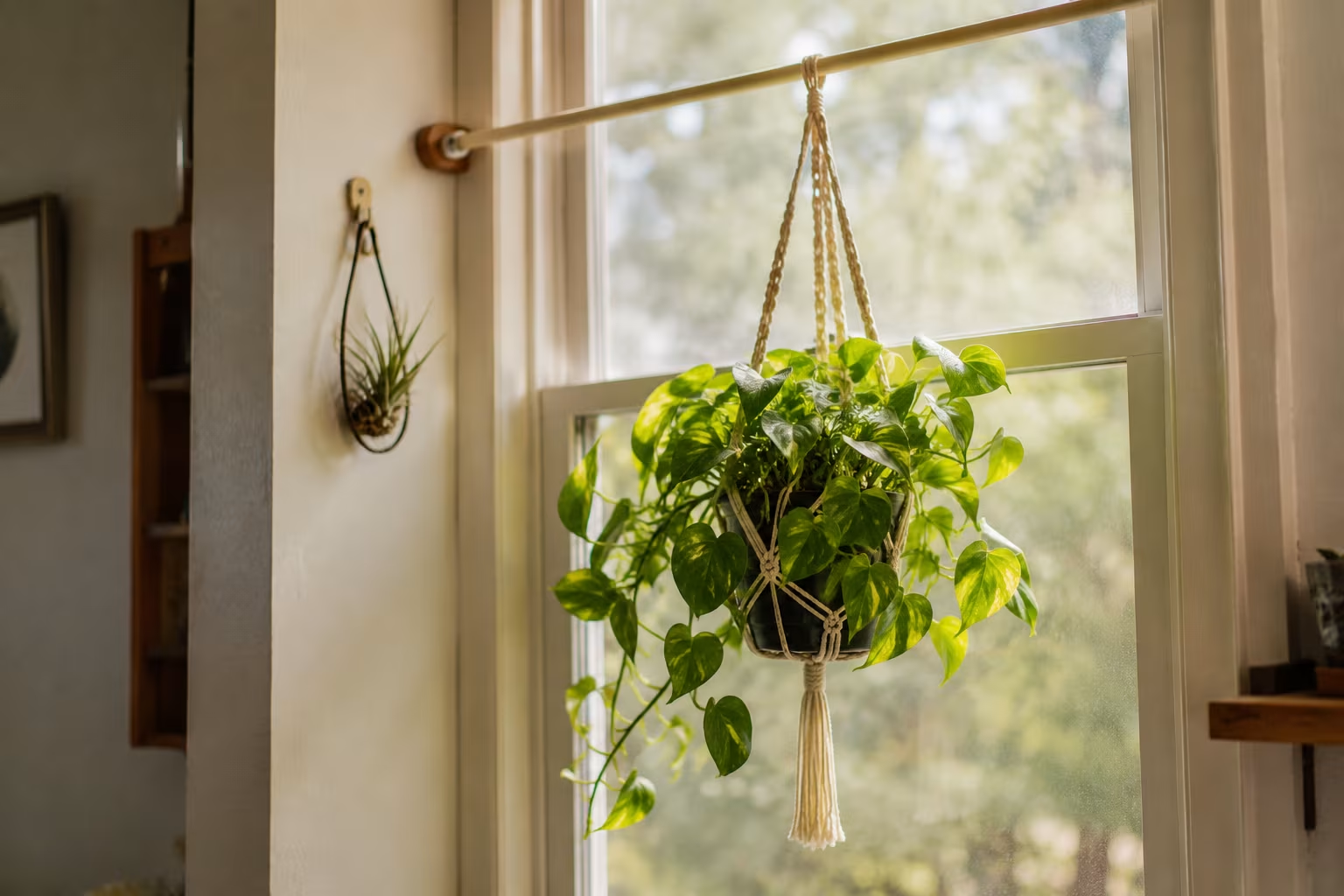
- Pothos (Epipremnum aureum): Super versatile, but really shines in bright, indirect light. The variegation (those pretty splashes of yellow or white) will be much more prominent in brighter conditions. It's also incredibly forgiving, making it a great choice for beginners.
- Snake Plant (Sansevieria trifasciata): While often touted as low-light tolerant (and it is), a Snake Plant will truly flourish and grow much faster in bright, indirect light. It's like going from surviving to thriving.
- ZZ Plant (Zamioculcas zamiifolia): Another one that tolerates low light but loves medium to bright indirect. Its leaves will be a deeper green and it'll grow faster and fuller with more light. Just be careful not to overwater, especially if it's not getting tons of light.
- Spider Plant (Chlorophytum comosum): Those little "spiderettes" (baby plants) are more abundant when the mother plant gets plenty of bright, indirect light. They're also super easy to propagate, making them a great sharing plant.
Step 3: Medium Light Dwellers (The Adaptable Ones)
These plants are happy a little further from the window, or in a room that doesn't get intense light all day. They appreciate consistent light, but it doesn't need to be super strong. Medium light means you might not see direct sunbeams hitting the plant often, but the room itself is still well-lit during the day.
This is perfect for an office desk away from the window or a living room corner that doesn't get prime window real estate. Many plants that tolerate low light will actually do better here, growing more vigorously and looking healthier.
Recommended Plants:
- Peace Lily (Spathiphyllum): Famous for its elegant white "flowers" (which are actually modified leaves called spathes). It prefers medium to low light, with medium light encouraging more blooms. It's also super communicative β it'll dramatically droop when thirsty, making it easy to know when to water.
- Philodendron Heartleaf (Philodendron hederaceum): A classic for a reason. This vining plant is incredibly forgiving and does well in medium light conditions. Its heart-shaped leaves are adorable, and it can trail beautifully from shelves or hanging baskets.
- Prayer Plant (Maranta leuconeura): Known for its unique habit of folding its leaves up at night, like hands in prayer! It loves consistent, medium light and high humidity. Direct sun can scorch its delicate, beautifully patterned leaves, so keep it out of the bright beams.
- Begonia Rex: If you want color in a medium light spot, Begonia Rex is your friend. Their leaves come in incredible patterns and shades of red, pink, silver, and green. They need consistent moisture and don't like direct sun, which can fade their colors.
- Dracaena Varieties (e.g., Dracaena fragrans 'Mass Cane', Dracaena marginata): These plants are super adaptable. While they can handle lower light, they really perk up and grow more vigorously in medium light. Just be careful not to overwater, especially in dimmer spots, as they are susceptible to root rot.
Step 4: Low Light Survivors (The Shady Characters)
Okay, so "low light" doesn't mean no light. Every plant needs some light to survive, but these are the true champions of dimmer corners, rooms with only North-facing windows, or those areas far from any natural light source. They are tough and will tolerate conditions where others would simply give up.
These plants are often slow growers in these conditions, but theyβll still add a beautiful touch of green. Don't expect dramatic growth, but appreciate their resilience. Water them even less frequently in these darker spots, as the soil will take much longer to dry out.
Recommended Plants:
- Cast Iron Plant (Aspidistra elatior): The name says it all! This plant is incredibly tough and can withstand truly low light conditions, infrequent watering, and even temperature fluctuations. It grows slowly but provides beautiful, dark green foliage for those challenging spots.
- Parlor Palm (Chamaedorea elegans): A classic for a reason, the Parlor Palm thrives in lower light. It brings a touch of tropical elegance without needing a bright window. It's also pet-friendly, which is a huge bonus for many homes.
- Chinese Evergreen (Aglaonema): These come in a beautiful array of patterns and colors, and many varieties tolerate low light incredibly well. The more colorful cultivars might appreciate a little more light to maintain their vibrancy, but the standard green ones are super low-maintenance.
- ZZ Plant (Zamioculcas zamiifolia): I mentioned it for medium light, but it absolutely shines as a low-light hero. It can go weeks without water and still look pristine, making it a favorite for forgetful plant parents or those with dim rooms.
- Pothos (Epipremnum aureum): Another one that's a true champion of adaptability. While it thrives in bright indirect light, Pothos will happily survive and slowly grow in low light. Its variegation might become less pronounced, but it will still provide lovely green foliage.
- Dracaena Janet Craig: This particular Dracaena cultivar is renowned for its ability to handle very low light conditions. Its dark green, glossy leaves make it an attractive choice for those really dim spots where other plants just won't cut it.
Making It Stick & Common Mistakes
Okay, so you've matched your plant to the light. You're feeling good! But plant care isn't just a one-and-done deal. There are a few things that often trip people up, even when they've got the light right.
The biggest one I see, and I'm guilty of this too, is becoming an "over-lover." We want our plants to be happy, so we give them more β more water, more fertilizer, more attention. Sometimes, less is more, especially when it comes to watering.
Common Mistake 1: Overwatering in Lower Light
This is probably the number one plant killer. In lower light conditions, plants use water much more slowly because they're photosynthesizing less. If you water a low-light plant as frequently as a bright-light plant, you're setting it up for root rot.
Always check the soil moisture before watering. Stick your finger about an inch or two deep. If it feels damp, wait. If it feels dry, then it's time to water. This is your plant's way of telling you it's thirsty, not just a scheduled task.
Common Mistake 2: Ignoring Plant Signals
Plants talk to us! Yellowing leaves, droopy stems, brown crispy edges, stunted growth β these are all signals. Don't just prune off a yellow leaf and ignore the reason it turned yellow.
Yellowing leaves often mean overwatering or nutrient deficiency. Brown, crispy edges can mean underwatering or low humidity. Stunted growth in a bright spot could mean it needs fertilizer. Pay attention, and then troubleshoot.
Common Mistake 3: Not Understanding Humidity
Many popular houseplants (like Monsteras, Calatheas, or Ferns) come from tropical environments. Our indoor air, especially with heating or AC running, can be super dry for them. This won't necessarily kill them quickly, but it can lead to crispy leaf tips or slower growth.
Consider a humidifier for tropical plants, especially in winter. Grouping plants together can also create a mini-microclimate of higher humidity. A quick spritz with a mister only offers temporary relief, but it can be a nice little pick-me-up.
Common Mistake 4: Too Much Fussy Interaction
Sometimes, we just need to let our plants be. Constantly moving them around, repotting them too often, or fussing with every tiny yellow leaf can stress them out. Plants like consistency.
Find a good spot, establish a watering routine based on observation, and then mostly leave them alone. They're not houseplants for nothing β they're part of the furniture, too, just living, breathing furniture.
"The secret to a green thumb isn't a magic touch, it's consistent observation and a willingness to learn from every leaf."
Frequently Asked Questions
What's the best indoor plant for a complete beginner?
For a true beginner, I always recommend a Pothos or a Snake Plant. They are incredibly forgiving, tolerate a wide range of light conditions (though they thrive in brighter indirect light), and can bounce back from a little neglect. You really have to try to kill them!
How often should I water my plants?
There's no single answer, and that's the tricky part! It depends on the plant species, the light it's getting, the temperature of your home, and even the type of pot. Always check the soil first: stick your finger an inch or two down. If it's dry, water; if it's still damp, wait a few more days.
What if I only have north-facing windows?
Don't despair! North-facing windows provide consistent, gentle indirect light. This is perfect for many low to medium light plants. Think Chinese Evergreens, ZZ Plants, Pothos, Snake Plants, or even a Parlor Palm. You just won't be able to grow those super light-hungry sun worshippers without supplemental grow lights.
Can I move my plants around to different light conditions?
You can, but do it gradually and observe their reaction. Some plants, like Fiddle Leaf Figs, are notorious for reacting poorly to sudden changes in environment. If you're moving a plant from a dark spot to a bright one, introduce it to the brighter light slowly over a week or two to prevent shock or sunburn.
When should I repot my plants?
Repotting is usually needed when a plant becomes "root-bound" β meaning its roots are circling tightly at the bottom of the pot, or even growing out of the drainage holes. Spring is generally the best time to repot because plants are entering their active growing season. Don't go too big with the new pot; usually, just one size up is enough.
The Bottom Line
Bringing plants into your home really adds something special, doesn't it? It's like having these tiny, quiet roommates who just make everything feel a little more alive. The single most important thing you can do for them is to understand the light in your space and choose plants that actually like those conditions.
Don't be afraid to experiment, even if you've had a few plant casualties in the past. Every yellow leaf is a learning opportunity, truly. Start with one plant, figure out its light needs, and watch it thrive. You've got this! Happy planting! π±