The Complete Guide to Different Types of Crafting Adhesives
Hey there, craft pals! 👋 You know that feeling when you’re mid-project, everything’s going great, and then you grab what you think is the right glue, only for your masterpiece to fall apart an hour later? Or worse, you end up with a sticky, bubbly mess that ruins all your hard work?
Yeah, I’ve been there. My first attempt at a layered paper diorama ended with clear craft glue bleeding through the thin paper and warping everything. Total disaster! It made me realize that picking the right adhesive isn’t just about making things stick; it’s about making them stick right.
Today, we're diving deep into the sticky, gooey, sometimes frustrating, but ultimately essential world of crafting adhesives. We’ll talk about what glues work best for what materials, how to avoid common sticky situations, and maybe even save you some heartache (and ruined projects) along the way.
Why This Actually Matters
I get it, glue isn't the flashiest part of crafting. We all want to talk about the cool tools or the pretty papers. But trust me, understanding your adhesives is like having a secret superpower in your craft arsenal.
Think about it: you spend hours designing, cutting, and assembling. You’ve got your thrift store-found fabric perfectly positioned, or your tiny wood pieces painstakingly sanded. Then, if you use the wrong glue, all that effort goes poof!
I once tried to attach some heavy-duty canvas patches to a worn-out denim jacket using regular clear craft glue. It looked okay for a few hours. Then, during the first wear, the patches started peeling off like old stickers. Major bummer! I learned the hard way that a little research upfront saves a lot of re-doing later.
Knowing which adhesive to grab means your projects stay together, they look cleaner, and you save money by not having to re-buy supplies for failed attempts. It’s all about working smarter, not harder, in the workshop!
Understanding Your Sticky Arsenal: The Adhesives Breakdown
Alright, let's talk about the different players on our sticky team. Each glue has its own personality, its strengths, and its weaknesses. Getting to know them helps you pick the right one for the job.
I've tried so many glues over the years, from super cheap dollar store finds to fancy artisan bottles. What I’ve learned is that it’s not always about the price tag, but about the type of glue and how you use it.
The Everyday Workhorses: Liquid Craft Glues
These are probably what you think of first when someone says "craft glue." They're liquid, they usually dry clear (though sometimes with a slight sheen), and they're incredibly versatile for lighter projects.
- PVA Glues (White Glue/School Glue) - Think Elmer's. This is your classic, non-toxic, kid-friendly glue. It's great for paper, cardboard, and light fabrics. It dries relatively slowly, giving you time to reposition. I use it for making paper mache sculptures and simple card-making.
- Clear Craft Glues - These are often a bit thicker than white glue and dry completely clear. They're good for paper, cardstock, light wood, and some plastics. Brands like Aleene's Tacky Glue fall into this category, offering a bit more grab and a stronger hold than school glue, but still with some repositioning time. I love these for scrapbooking or attaching decorative elements to a wooden frame.
- Wood Glue - If you're working with actual wood, this is your best friend. It creates a bond that's often stronger than the wood itself. It's usually yellow or brown and dries rigid. I rely on wood glue for all my small woodworking projects, like building shelves or shadow boxes. You absolutely need to clamp your pieces while it dries for the best bond.
- Fabric Glue - Specifically formulated for textiles, this glue remains flexible after drying, which is crucial for anything that will be worn or washed. It prevents stiff, crunchy areas. I used a good fabric glue for those denim patches after my first epic fail, and they’ve stayed put through countless washes since.
The Quick Grabbers: Hot Glue Guns
Oh, hot glue. Where would my spontaneous crafting urges be without you? This is the instant gratification glue. It comes out hot, cools quickly, and sets almost immediately. It’s a total game-changer when you need things to hold fast, right now.
- High-Temp vs. Low-Temp - High-temp glue guns provide a stronger bond and melt the glue more thoroughly. Low-temp guns are safer for delicate materials (like balloons or thin fabrics) and for younger crafters, but the bond isn't as strong. I almost always use high-temp for my projects unless I'm working with something super delicate.
- Best Uses - Excellent for attaching embellishments, quick fixes, temporary holds, and working with materials like felt, fabric, certain plastics, and dried florals. I grab my hot glue gun for everything from attaching ribbons to gift boxes to quickly assembling prototypes of cardboard designs.
- The Downside - It creates visible "strings" if you're not careful, and it can be bulky. The bond isn't always the strongest or the most permanent, especially under stress or heat. It's also not great for things that need to be perfectly flat or smooth, as the glue itself is thick.
The Mighty Bonds: Super Glues and Epoxies
When you need serious strength and a permanent hold, these are the heavy hitters. They’re not for every project, but when you need them, nothing else compares.
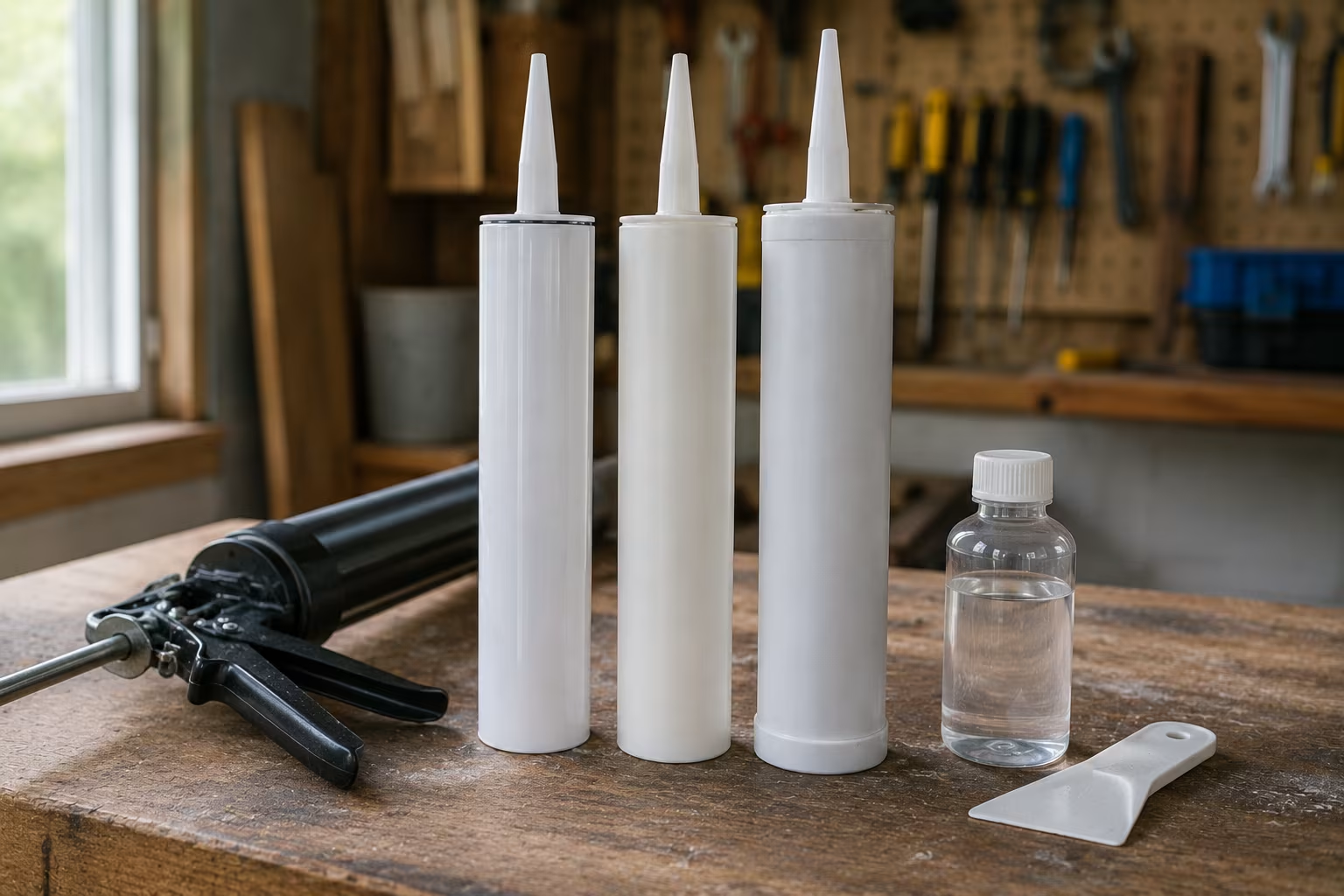
- Cyanoacrylate (CA) Glue / Super Glue - This stuff bonds almost instantly to a wide variety of materials: plastics, ceramics, metals, rubber, and even wood. A tiny drop is usually all you need. It's fantastic for small repairs or attaching tiny, intricate pieces where you want an invisible, strong bond. Be careful though, it can bond skin in seconds, and it can dry with a white "frosting" effect on some dark materials. I always have a tube on hand for quick repairs around the house, like reattaching a broken magnet to a spice jar.
- Epoxy Adhesives - These usually come in two parts (a resin and a hardener) that you mix together right before use. The chemical reaction creates an incredibly strong, rigid, and often waterproof bond. Epoxies are perfect for heavy-duty repairs, bonding non-porous materials like glass, metal, or concrete, and creating durable jewelry or casting projects. The curing time can be several hours, so plan ahead! I’ve used epoxy to repair a chipped ceramic mug and even to create clear, durable coatings on small wooden pieces.
The Invisible Helpers: Sprays, Tapes, and Adhesive Sheets
Sometimes, liquid glue isn't the right answer. For large surfaces, delicate items, or perfectly flat applications, these alternatives shine.
- Spray Adhesives - These are fantastic for covering large areas quickly and evenly. They come in permanent, repositionable, and even temporary formulas. Great for mounting photos, securing stencils, or adhering paper to foam core without warping. Make sure to use them in a well-ventilated area and protect your surroundings from overspray. I use repositionable spray for my intricate paper cutting projects when I need to hold a stencil down without tearing the paper when I remove it.
- Double-Sided Tape - For quick, mess-free bonds, especially with paper and cardstock. It’s perfect for scrapbooking, card making, and attaching lightweight embellishments. It’s instant, clean, and you don’t have to wait for it to dry. I use rolls of thin double-sided tape for creating sharp edges on my paper boxes.
- Mounting Tape / Foam Tape - This is a thicker, usually foam-based double-sided tape that provides a strong, permanent bond and often a slight lift. Great for attaching heavier items to walls (like small picture frames) or adding dimension to paper crafts. I love using foam squares to give my layered greeting cards that extra pop.
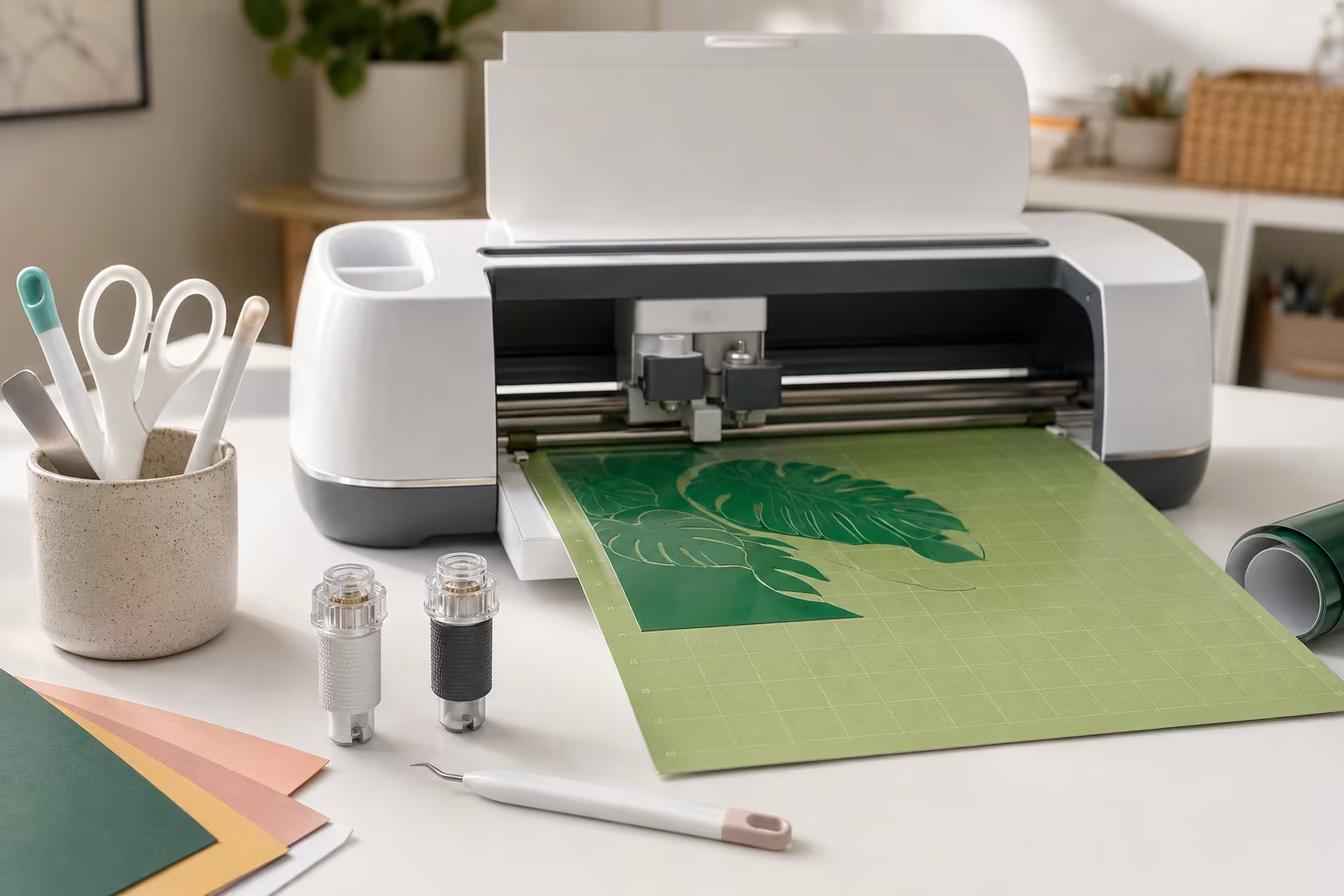
- Adhesive Sheets / Transfer Tape - These are clear sheets of adhesive that you can cut to size and apply. They're amazing for die-cutting intricate shapes and turning them into stickers. Transfer tape is specifically designed to lift vinyl cuts from their backing and place them onto your project. I use these almost exclusively when I’m working with my cutting machine for vinyl decals or detailed paper shapes.
How To Actually Do It: Matching Glue to Project
Now that we’ve met our sticky squad, let’s talk strategy. Choosing the right adhesive isn’t just about having a variety of glues; it’s about knowing which one to reach for when the moment comes. It's a skill you develop with practice, and trust me, I've had my share of trial and error.
My number one rule here is: don't guess! If you're unsure, do a quick test on a scrap piece. It can save you from ruining a whole project.
Step 1: Identify Your Materials
This is probably the most crucial step. What are you actually trying to stick together? Is it paper to paper? Wood to wood? Fabric to metal? Each material has different properties – porosity, flexibility, surface texture – that will dictate the best glue choice.
For example, if you're gluing two pieces of porous wood, wood glue is perfect because it soaks in and creates a strong bond. But if you’re gluing smooth, non-porous plastic to metal, wood glue won't cut it. You'll need something like super glue or epoxy that bonds to those slick surfaces.
Step 2: Consider the Bond Strength and Durability Needed
How strong does this bond need to be? Is it a decorative piece that won’t be handled much, or is it something functional that will see daily use or stress? This helps narrow down your options pretty quickly.
A quick-setting hot glue might be fine for attaching some felt to a decorative wreath. But for fixing a broken chair leg? Absolutely not. You’d want strong wood glue or an epoxy that can withstand weight and pressure. Think about how long you need the bond to last, too – is it temporary, or do you need it to last forever?
Step 3: Think About Drying Time and Visibility
How much time do you have? Do you need an instant bond, or can you wait hours for it to cure? Also, do you need the adhesive to be completely invisible, or does a little texture or sheen not matter?
If you're making a card and need to attach a small embellishment without any waiting, double-sided tape or a tiny dab of hot glue works well. If you’re assembling a clear acrylic box and need an absolutely invisible, strong bond, a clear epoxy or specific acrylic cement would be ideal, even if it takes longer to dry. I learned that slow drying glues usually give a stronger bond and more time to adjust, which is perfect for my more intricate paper projects.
Step 4: Surface Preparation is Key
This is where many people mess up, myself included sometimes! Your surfaces need to be clean, dry, and free of dust, grease, or debris. Even tiny particles can prevent a proper bond.
For woodworking, I always wipe down my cut pieces with a damp cloth and let them dry completely before applying glue. For plastics or metals, a bit of rubbing alcohol can make a huge difference in creating a receptive surface for the adhesive. Don't skip this step – it’s a quick task that dramatically improves your results.
Step 5: Apply Correctly (Less is Often More!)
Most glues work best when applied in a thin, even layer. Piling on too much glue doesn't make the bond stronger; it just makes a mess, takes longer to dry, and can even weaken the bond or cause warping (especially with paper!).
For liquid glues, use an applicator, a brush, or even a toothpick for precise placement. With spray adhesives, use sweeping motions from about 6-8 inches away. When using hot glue, aim for small dots or thin lines. It took me a while to get over the "more is better" mindset, but I promise, a little goes a long way with most adhesives.
Step 6: Clamp or Hold if Needed
For many glues, especially wood glue or epoxies, applying pressure while the glue dries is critical for achieving the strongest bond. Clamps are your best friend here, but masking tape, rubber bands, or even just holding pieces firmly for a few minutes can work for lighter materials.
I can’t tell you how many times I've glued two pieces of wood, thought I could just let them sit, only to find them slightly misaligned or barely held together in the morning. Now, I always grab my clamps for anything that needs real strength.
Step 7: Allow for Full Cure Time
Drying time is not the same as cure time! Many glues will feel dry to the touch in minutes or an hour, but they haven't reached their maximum strength until they've fully cured, which can take 24-72 hours. Resist the urge to handle or stress your project too early!
I once finished a small wooden box, thought the wood glue was dry after a few hours, and started sanding it. The whole thing came apart. Lesson learned: patience is a virtue in crafting, especially with adhesives. Check the product instructions for specific cure times.
Making It Stick: Common Adhesive Mistakes to Avoid
We've all been there. Glue on our fingers, project stuck to the table, or worse, the project not stuck together at all! It’s okay, it happens. But knowing these common pitfalls can help you sidestep a lot of frustration.
I swear, sometimes it feels like the glue has a mind of its own, especially when you're in a hurry. But most of the time, the "glue monster" is actually just us making one of these common blunders.
- Not Reading the Instructions: Every glue is a little different. Some need ventilation, some need to be applied to both surfaces, some have specific temperature requirements. Skimming the label takes 30 seconds and can save you hours of regret. I learned this when I tried to use a construction adhesive indoors without proper ventilation – let's just say my head was swimming!
- Using Too Much Glue: This is probably the most common mistake. Excess glue oozes out, makes a mess, takes longer to dry, and can actually weaken the bond by creating a thick, flexible layer instead of a strong, thin one. It also usually dries cloudy or leaves a visible residue. Remember: less is often more!
- Not Cleaning Surfaces Properly: Dust, oil, paint residue, fingerprints – they all act as barriers, preventing your glue from forming a strong bond. Always wipe down your surfaces with a clean, dry cloth (or rubbing alcohol for non-porous materials) before applying any adhesive.
- Impatience – Not Allowing Full Dry/Cure Time: This is a big one. Just because it’s dry to the touch doesn’t mean it’s fully cured. Moving, handling, or stressing a project before the glue has completely set can cause it to fail. Always check the manufacturer's recommendations for full cure time. I’ve jumped the gun so many times, only to have a component pop off during painting or handling.
- Using the Wrong Glue for the Material: This goes back to Step 1, but it’s such a fundamental mistake it bears repeating. You wouldn't use wood glue on fabric, or hot glue on something that needs a waterproof bond. The wrong glue for the material is a recipe for disaster.
- Not Testing First: Especially with new materials or unfamiliar glues, always do a small test on an inconspicuous area or a scrap piece. This helps you see how the glue reacts, how long it takes to dry, and if it leaves any marks or causes warping. It’s like a tiny insurance policy for your project.
The right adhesive isn't about magic; it's about matching the glue's personality to your project's needs. Think of it as matchmaking for materials.
Frequently Asked Questions
How do I remove dried glue from my project or tools?
It totally depends on the type of glue! For most water-based craft glues, warm water and a little soap can usually soften and remove them, especially if they haven't fully cured. For super glues, acetone (nail polish remover) often works, but test it first on your material, as it can damage some plastics or finishes. For hot glue, gentle scraping or even a little rubbing alcohol can sometimes loosen it up. Always try the least aggressive method first!
What's the best all-purpose glue for beginners?
For general paper and light craft projects, I'd honestly recommend a good clear craft glue, like Aleene's Tacky Glue. It’s non-toxic, dries clear, gives you some repositioning time, and works on a pretty wide range of materials from paper to light fabrics to some plastics. It's a great starting point before you dive into more specialized adhesives.
Can I use hot glue for everything?
Oh, I wish! Hot glue is awesome for quick fixes and temporary holds, and it's great for things like felt, fabric, and some floral arrangements. But it's not ideal for projects that need super strong, permanent, or waterproof bonds. It's also not great for things that might experience high heat or heavy stress, as the bond can soften or break. Think of it as a handy helper, not the main structural engineer for every project.
How long do glues last in the bottle once opened?
Most glues, especially liquid ones, have a shelf life once opened, typically 6-12 months. They can dry out, thicken, or lose their adhesive properties over time. Storing them upright in a cool, dry place with the cap tightly sealed helps extend their life. I always write the date I opened a bottle on the label – it’s a simple trick that helps me keep track.
Is this worth it for delicate paper crafts like cardmaking or scrapbooking?
Absolutely! Especially for delicate paper crafts, the right adhesive makes all the difference. Using a strong but thin-drying glue or even double-sided tape prevents warping, bleeding, and bumps that can ruin the look of your cards or scrapbook pages. Trust me, I’ve ruined enough intricate die-cuts with globby glue to know that precision and the right adhesive are key.
The Bottom Line
Alright, so if you take away one thing from all this sticky talk, let it be this: don't underestimate your glue! It’s not just an afterthought; it’s an integral part of making your craft projects successful, durable, and clean.
Start small, experiment with different types, and don't be afraid to make a mess (that’s how you learn, right?). Your crafting journey will be so much smoother, and your finished projects will thank you for making the right sticky choices. Happy crafting, friends! ❤️