
How to Build a Simple Backyard Chicken Coop for Three Hens
A coop for three hens does not need to be an elaborate multi-story build. Three birds need a dry, ventilated, predator-proof box to sleep and lay in, attached to a secure outdoor run. With basic tools and mostly reclaimed lumber, a first-time builder can put one together over two or three weekends. The whole point is thoughtful protection, not showroom carpentry.
What three hens actually need
Get the fundamentals right on paper before cutting anything. Hens want a safe, dry, comfortable space and not much more. The non-negotiables:
- Space: at least 3–4 square feet per bird inside the coop, so a 3x4-foot footprint (12 sq ft) suits three hens. The attached run needs more — plan 8–10 square feet per bird.
- Ventilation: small, high, screened openings for cross-airflow. Good ventilation prevents respiratory problems, ammonia buildup, and summer heat, but should sit above roost level so it is not drafty on the birds.
- Roosting bars: a rounded 2x2 bar, edges sanded, mounted 18–24 inches off the floor a few inches from the back wall. Chickens sleep perched, not on the ground.
- Nesting boxes: roughly 12x12x12 inches each. Hens share, so one box per 2–3 birds is plenty — two boxes is generous for three hens.
- Predator protection: half-inch or quarter-inch hardware cloth, never chicken wire, plus latches a raccoon cannot work open.
- Cleaning access: a human-sized door or a removable droppings board so you can actually reach every corner.
Materials and tools
You do not need new lumber. Salvage yards, marketplace listings, and construction offcuts supply most of it cheaply — just avoid wood treated with anything toxic and inspect reclaimed boards for rot. A basic bill of materials: 2x4s for framing, 2x2s for roosts, exterior-grade plywood for walls and floor, hardware cloth for every opening, roofing (asphalt shingles, corrugated metal, or heavy tarp), sturdy hinges and raccoon-proof latches, outdoor screws, and exterior paint or sealant. Tools are minimal: a circular or hand saw, a drill, tape measure, speed square, utility knife, and a staple gun for the hardware cloth. This is also a genuine entry point into basic woodworking if you are new to it.
Building the coop step by step
Sketch the design first — door placement, roost position, roof slope — because winging it is how first coops go wrong. Then build in order:
- Base frame: cut four 2x4s into a 3x4-foot rectangle, screw the corners square (check by measuring equal diagonals), and add a cross-brace or two across the middle for support.
- Walls and floor: cut vertical 2x4 studs — make the back studs a few inches shorter than the front so the roof sheds water to the rear. Screw exterior-grade plywood down as the floor.
- Wall panels: lift the framed walls onto the base and screw them to it, then sheath the exterior in plywood, leaving openings for the human door, the chicken "pop door," and any windows.
- Roof: cut a plywood panel slightly larger than the footprint so it overhangs and sheds water clear of the walls, screw it to the top with the slope running the right way, and cover it with your roofing, overlapping seams so water cannot sneak under.
- Interior: build the nesting boxes as a unit and mount them slightly off the floor, filled with straw or pine shavings; install the sanded 2x2 roost bar at 18–24 inches. Set the roost higher than the nesting boxes so hens do not sleep — and poop — in the boxes where they lay.
A generous roof overhang, ideally 6 to 12 inches on the low side, matters most in rainy climates, keeping the walls and run drier through the wet season. For bedding on the coop floor, a 2- to 3-inch layer of pine shavings absorbs droppings and moisture and is easy to scoop; avoid cedar shavings, whose oils can irritate hens' airways. The "pop door" the birds use to reach the run should be about 10 to 12 inches wide and tall — big enough for a hen, small enough to secure at night. If you want a run attached, frame it from 2x4s and wrap the whole enclosure, including a covered top, in the same hardware cloth so nothing climbs or flies in.
Predator-proofing that works
This is where most coops fail, and it comes down to one rule: assume every predator is a determined escape artist working in reverse. Cover every window and vent with half-inch hardware cloth, stapled thoroughly and then trimmed with a wood strip over the edges for both security and a cleaner look. Chicken wire keeps chickens in but raccoons tear straight through it, so it has no place here. Fit strong hinges and latches that resist manipulation — raccoons open simple slide bolts easily. Against digging predators, either bury hardware cloth around the run perimeter or lay a flat "apron" of it on the ground extending a foot outward, which stops animals from tunneling under. Walk the finished structure and probe every seam and corner for the weakest point.
Common mistakes to avoid
Three habits save a lot of grief. Do not skimp on ventilation — a completely sealed coop traps moisture and ammonia; high screened openings on opposite walls give cross-flow without a draft at roost level. Do not under-build the predator defenses — the loose edge of hardware cloth, the un-buried run perimeter, and the cheap latch are exactly where a raccoon or dog gets in. Do not forget cleaning access — a tiny door means contorting to scoop bedding every week, so design in a large door or a removable droppings board from the start. One more habit pays off long-term: position the coop where it gets morning sun but afternoon shade, and keep it slightly elevated on skids or blocks so the floor stays dry and airflow moves underneath. The coop is the bedroom; the securely fenced run is the daytime living space where hens scratch and dust-bathe, and you attach the two so the birds move freely between them. Keep it simple, keep it tight, and it will hold up for years — for reference on standard designs, a general chicken coop overview covers the common layouts.
The three-hen spec sheet:
| Element | Spec | Note |
|---|---|---|
| Coop floor space | 3–4 sq ft per bird → 3×4 ft footprint | 12 sq ft suits three hens |
| Attached run | 8–10 sq ft per bird | more room outside than inside |
| Roosting bar | rounded 2×2, sanded, 18–24 in off the floor | a few inches from the back wall |
| Nesting boxes | ~12×12×12 in, one per 2–3 birds | two boxes is generous for three |
| Materials | 2×4 frame, 2×2 roosts, exterior plywood, hardware cloth | square the base by measuring diagonals |
Related Posts
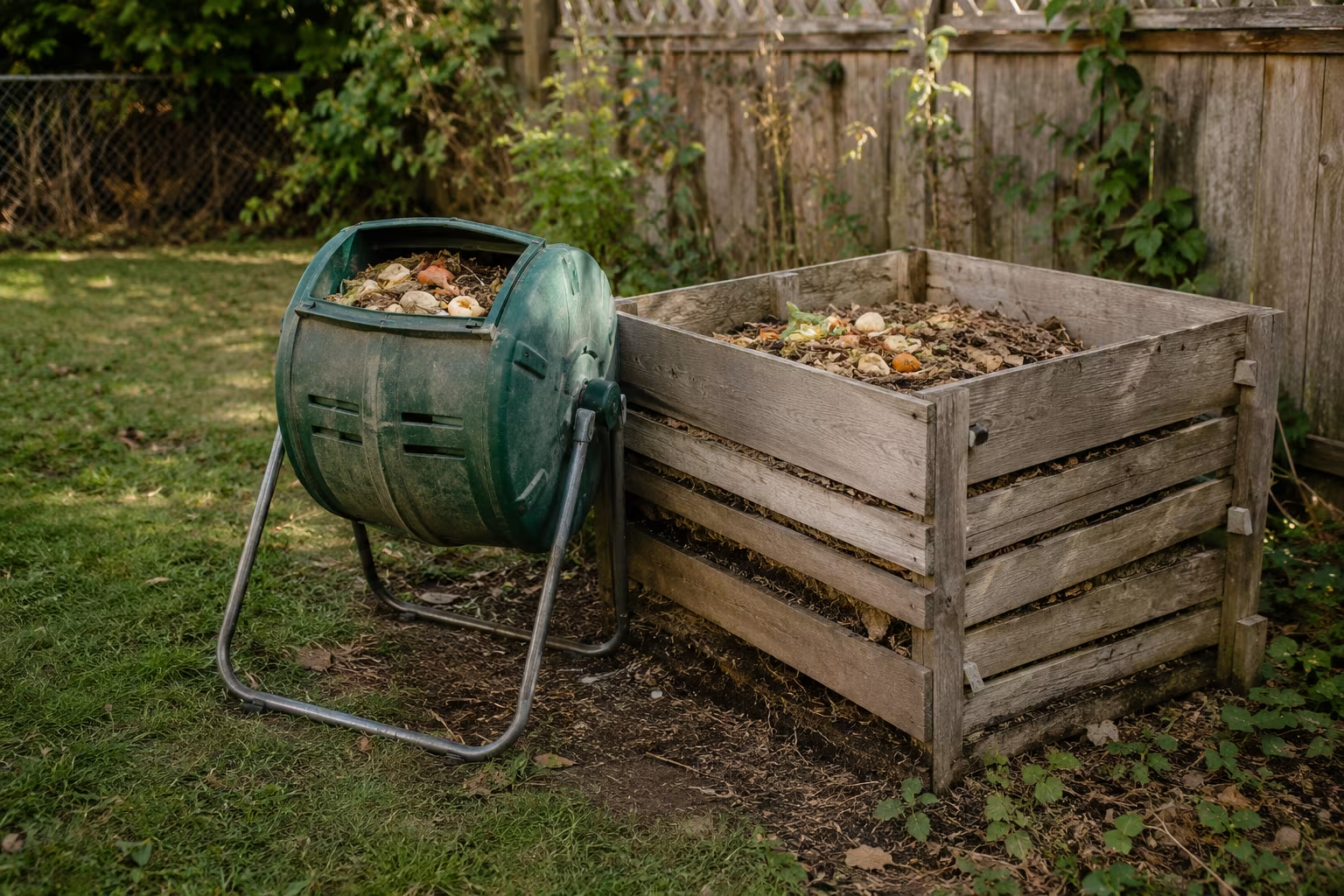
Compost Tumbler vs Static Bin: Which to Choose
Both composters work but they suit different households. Tumbler for speed and pest control...

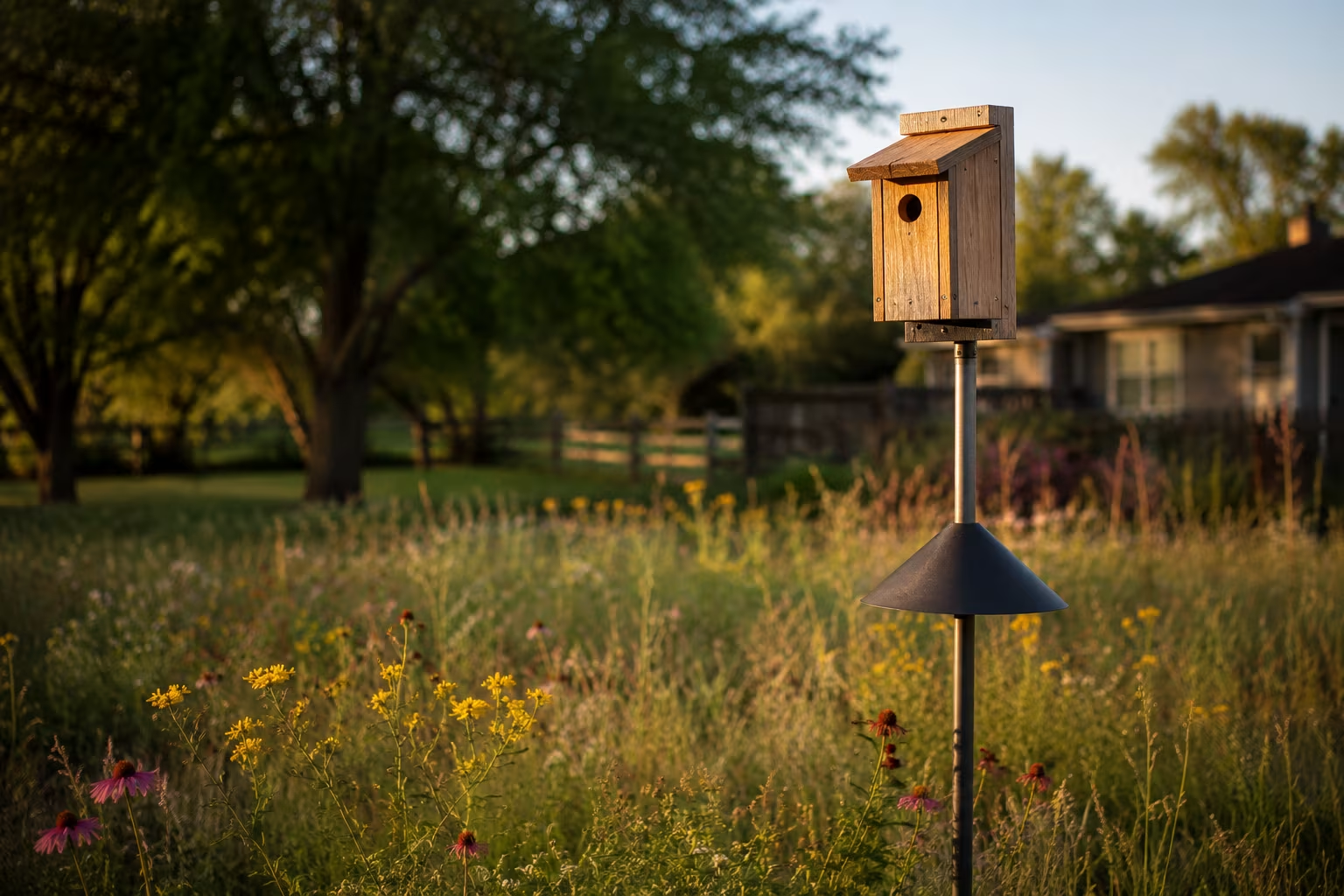
Backyard Birdhouse Placement for Songbirds
A birdhouse in the wrong spot stays empty for years. Height, direction, distance from cover, and...

Wet-Climate Tent Camping: The Layering That Stays Dry
Three-season tents in wet climates fail predictably without the right layering. The footprint...
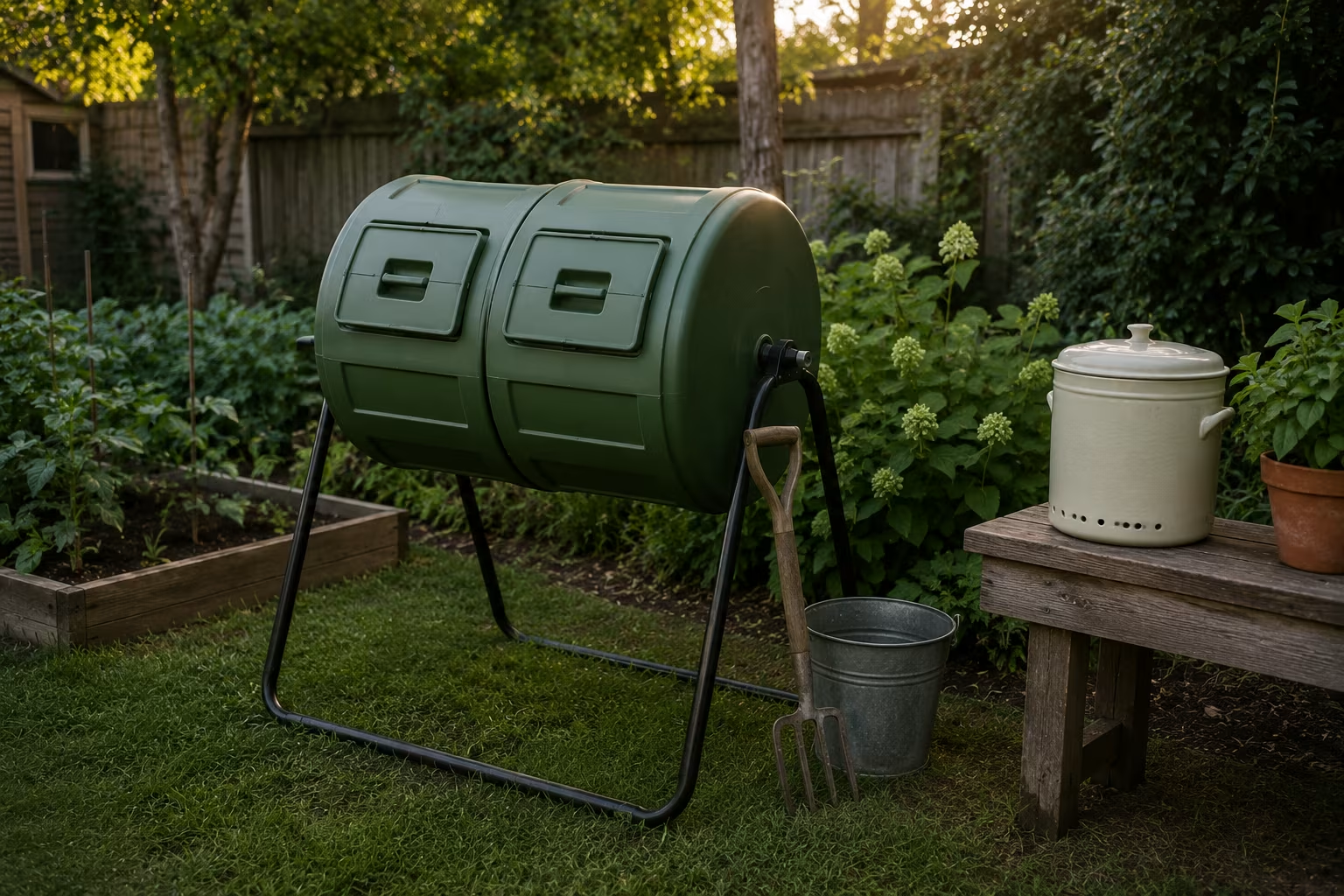
Small-Yard Composting Without Smell or Pests Attracting
Tight backyard, no room for a sprawling pile. The tumbler setup that turns kitchen scraps into...
Comments
No comments yet. Be the first to share your thoughts!