
How to Organize a Paint and Sip Night Without Hiring an Instructor
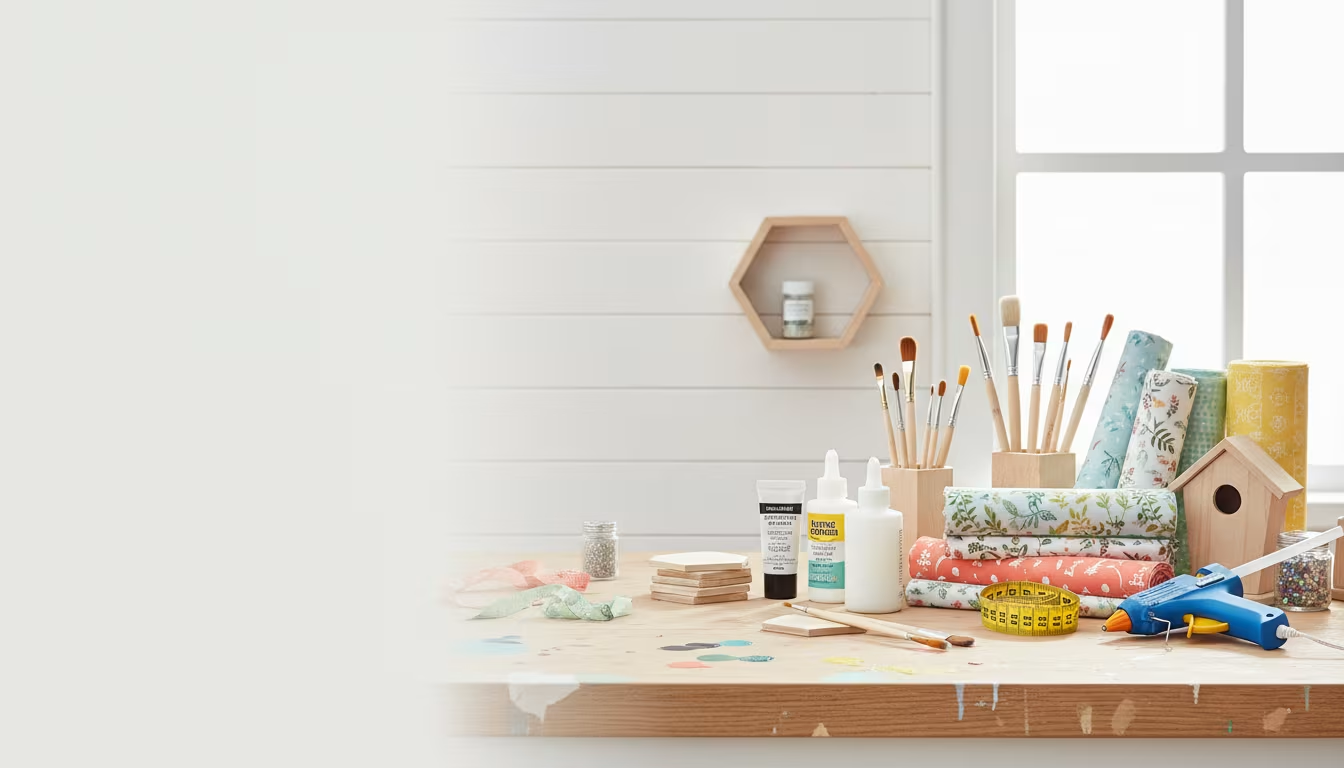
Commercial paint-and-sip events run $35 to $50 per person and lock you into a fixed date and a fixed painting. Hosting your own at home strips out the studio fee and the schedule, leaving the part that matters: friends, paint, and a relaxed evening with no pressure to produce anything gallery-worthy. A night for six can be pulled together for roughly $50 to $80, much of it from supplies you may already own. Here is how to set one up.
Why Host Your Own
The appeal is simple math and lower stakes. A formal class for six people can run past $250; a home version using sale-bin acrylics and multi-pack canvases lands in the $50 to $80 range. Beyond cost, a dedicated creative evening is a genuine way to decompress and reconnect — the value is in the process and the conversation, not the finished paintings. Removing the professional instructor also removes the intimidation. Nobody is grading the work, so beginners relax faster and experiment more than they would in a studio.
Choosing What to Paint
Pick a theme with simple shapes and a limited palette so nobody feels out of their depth. Search "easy acrylic painting ideas" or "beginner landscape" for reference images, and favor loose, chunky brushwork over fine detail. A few dependable options:
- Abstract art — the lowest-pressure choice, because there is no wrong outcome. A few colors, some metallics, and free experimentation with texture and blending usually produce surprisingly good results.
- Simple landscapes — impressionistic trees, sunsets, or mountains. Look for tutorials that use only three to five colors and broad strokes, and let everyone interpret the scene their own way.
- Pop-culture nods — a stylized cartoon character or a symbol from a favorite game or film. These feel less intimidating than a "real" painting and double as conversation starters.
- Still life with a twist — arrange a few objects you already own, like a quirky vase and some fake flowers, and let everyone paint their own interpretation of the same setup.
The goal is a subject everyone can start without art-school experience. Acrylics are the right medium for this: they are inexpensive, water-based, and dry fast, so layers build up in minutes rather than the hours oil paint needs. If anyone wants to understand the medium a little more, the overview of acrylic paint covers how it behaves and dries.
Supplies and Budget
This is the most flexible part, and where thrifting pays off. A rough shopping list for six people:
- Paint: a multi-pack of craft acrylics, often around $10 to $15 for a dozen small tubes on sale. For a specific theme like a sunset, a few larger tubes of red, yellow, blue, white, and black cover almost everything.
- Surfaces: canvases run roughly $15 to $20 for a five-pack of 8x10 or 9x12 panels. Cheaper alternatives are thick cardboard cut to size or small wood panels from the hardware store.
- Brushes: a basic variety pack with a couple of flats, rounds, and one detail brush is usually under $10 and enough for a group.
- Everything else: plastic cups for rinse water, paper plates as disposable palettes, and old rags or paper towels for cleanup — mostly things already in the house.
Buy a little extra of the primary colors and white, since those run out first. Thrift stores occasionally turn up unopened paint sets and cheap brushes; the same secondhand-sourcing habits that furnish a home work for craft supplies too.
Setting Up the Space
Protect every surface before anyone arrives. Acrylic dries fast and stains, so lay down an old tablecloth, newspaper, or a cheap plastic drop cloth over the whole work area. Give each person real elbow room — clear away clutter so nobody is painting in a cramped corner — and make sure the lighting is bright, which matters most for an evening session.
Then handle the "sip" side. Pick beverages that suit the group, sparkling cider and iced tea as easily as wine, and set out low-effort snacks like cheese and crackers, fruit, or pretzels. Background music helps set the tone; a lo-fi or instrumental playlist keeps the room relaxed without demanding attention. These small touches are what turn a craft session into a social evening.
Guiding the Session
Without a hired instructor, you become the curator rather than the expert. Choose one or two reference images or a short online tutorial that everyone can follow loosely, and project it on a wall or print copies. Make it clear the reference is a guide, not a stencil, and encourage people to deviate.
A quick demonstration of a single technique lowers the barrier fast. Show how to blend two colors, or how to drag a dry brush for a textured sky — the demo being imperfect is what makes everyone else comfortable trying. Talk about color before anyone starts: offering a base of primary colors plus white and black, with two or three "fun" additions like metallic gold or a vibrant teal, keeps results loosely cohesive while leaving room to play. Encourage mixing on the paper-plate palettes, since discovering how a little white lifts a shade to pastel is half the fun. A light touch of color theory — "let's try complementary colors for a pop" — sparks ideas without turning into a lecture. As people work, circulate with specific, positive suggestions rather than corrections, and share your own missteps openly; a host who admits their first tree looked like broccoli makes beginners far braver. For a deeper look at building up an acrylic piece, this guide to layering acrylic paint on wood panels is useful.
Common Mistakes
Three things trip up first-time hosts. Taking it too seriously drains the joy — this is not art school, and pushing for perfection makes everyone self-conscious. Under-buying supplies is the practical failure; running out of white paint or brushes mid-evening kills the momentum, so over-estimate the essentials. And forgetting the "sip" logistics, like chilling the drinks in advance, leaves the social half flat. Keep it light, keep the supplies stocked, and end with a quick show-and-tell where everyone admires how differently the same reference turned out — that shared reveal, not the individual paintings, is what people remember. A relaxed night like this typically runs two to three hours including setup and cleanup, and acrylic's fast drying time means brushes should be rinsed promptly before the paint sets in the bristles.
Six-person budget vs. the commercial version:
| Item | Cost | Note |
|---|---|---|
| Commercial paint-and-sip | $35–$50 per person | fixed date, fixed painting |
| Home night for six | $50–$80 total | formal class for six can pass $250 |
| Acrylic multi-pack | $10–$15 per dozen tubes | sale-bin acrylics work |
| Canvas 5-pack (8×10 / 9×12) | $15–$20 | panels beat stretched canvas on price |
| Brush variety pack | under $10 | flats, rounds, one detail brush — enough for a group |
Related Posts
Workshop Air Compressor Sizing: CFM and SCFM
Air compressor matched to your tools means smooth work; too small means constant waiting. CFM...

Workshop Dehumidifier Sizing for Tool Rust Prevention
Tools rust silently when shop humidity sits over 60%. The pint capacity that matches your shop...
Bench Vise Sizing and Mounting for First-Time Buyers
Bench vises bolted to scrap plywood pull right out. The right size for the work, the right...
Soundproofing a Basement Workshop on a Renter's Budget
Basement shop noise traveling up to the family room is how you lose workshop privileges. The...
Comments
No comments yet. Be the first to share your thoughts!