
Why Composting with Worms Produces the Best Soil Amendment at Home
Vermicomposting turns kitchen scraps into worm castings, one of the richest soil amendments you can produce at home. A pound of red wigglers working through vegetable peels and coffee grounds yields a dark, crumbly material packed with plant-available nutrients and living microbes. It runs cold and quiet in a bin under a bench or in a garage, and the whole setup can cost under $20 to build.
What vermicomposting actually is
Vermicomposting is the breakdown of organic matter by worms rather than by heat. In a traditional compost pile, bacteria and fungi generate temperatures of 130–160°F to decompose material. A worm bin stays close to room temperature; the worms eat the scraps and excrete castings, so the process is called "cold" composting.
The worker you want is the red wiggler, Eisenia fetida, not the earthworms or nightcrawlers you dig up in a garden bed. Nightcrawlers burrow deep and avoid dense surface waste. Red wigglers are surface dwellers that thrive in packed organic matter, eat close to their body weight in food over a few days, and reproduce quickly between about 59°F and 77°F (15–25°C). That temperature tolerance is what makes them practical for a home bin.
Why worm castings beat bagged compost
Both finished compost and worm castings improve soil, but castings carry a few advantages worth understanding before you commit a corner of the garage to a bin.
- Nutrient availability: As worms digest scraps, they concentrate nitrogen, phosphorus, and potassium into forms roots absorb directly, rather than nutrients locked in slowly decomposing material.
- Living microbiology: Castings are dense with beneficial bacteria and fungi that improve soil structure and help plants resist certain root diseases.
- Water and air balance: The fine, crumbly texture improves aeration and water retention at the same time, so soil drains yet stays evenly moist.
- Gentle dosing: Castings are mild enough that you cannot easily burn roots with them, unlike fresh manure or heavy synthetic fertilizer.
You do not need a lot. A tablespoon or two worked into the top of a houseplant pot, or a handful mixed into potting soil at repotting, is a meaningful dose. University extension programs are a reliable place to check application rates for specific plants; the University of Minnesota Extension yard and garden pages cover home composting in detail.
Setting up the bin
A working bin is simpler than most flat-pack furniture. You can buy a stacking tray system with a drainage spigot, or build one from two opaque plastic storage totes of 10–15 gallons each for under $15. Opaque matters, because worms avoid light and a clear bin has to stay covered.
Drill a grid of small holes, around 1/8 inch, in the bottom of the working tote for drainage and in the lid for airflow. The second tote sits underneath to catch any liquid that drains through. Keep the bin out of direct sun in a spot with a stable temperature; a garage corner or a shaded utility room works well, since extreme heat or a hard freeze will kill the colony.
Bedding and adding the worms
Bedding is where the worms live and a carbon source that balances the nitrogen in food scraps. Good materials include shredded newspaper printed with black ink only, plain cardboard, coconut coir, and dried leaves. Avoid glossy inserts and colored ad paper.
Moisten the bedding until it feels like a wrung-out sponge, damp but not dripping, and fill the working tote about two-thirds full. Start with roughly one pound of red wigglers, which is about 1,000 worms, ordered online or bought from a bait shop or garden center. Spread them on top of the bedding and leave the lid slightly ajar under a light for 30 minutes; being light-sensitive, they burrow down into the dark bedding on their own and settle in.
Feeding and keeping the moisture right
Red wigglers eat fruit and vegetable scraps, coffee grounds, crushed eggshells, and tea leaves. Keep out meat, dairy, oily foods, and large amounts of citrus, which turn the bin acidic or attract pests. Start small, about a cup of scraps every few days, and bury each addition under the bedding in a different corner to control odor and flies. If uneaten food is piling up, stop and let the worms catch up before adding more.
Overfeeding is the classic beginner error. Too much wet food goes anaerobic before the worms can process it, and that is what produces sour, rotten smells and fruit flies. A healthy bin smells like forest floor, not garbage.
Moisture should stay at that wrung-sponge level. Mist with a spray bottle if the bedding dries out; add dry shredded paper if it turns soggy. Gently fluffing the bedding with a hand trowel every week or two reintroduces air and prevents compaction, keeping the environment aerobic.
The liquid that drains into the lower tote is leachate, not the same thing as brewed worm tea, and it can go anaerobic. Pour it off regularly and use it only diluted on non-edible plants unless you are certain the bin is healthy. Crushed eggshells sprinkled in occasionally help buffer acidity and keep the pH near neutral, which red wigglers prefer over a sour, citrus-heavy bin.
Harvesting the castings
After about two to four months, the bin fills with dark, crumbly finished vermicompost. Two harvest methods work well. The side-to-side method is the cleanest: push all the finished material to one side, add fresh bedding and food to the empty side, and over a few weeks the worms migrate toward the new food, leaving the castings behind to scoop out.
The dump-and-sort method is faster but messier. Empty the bin onto a tarp in bright light and shape the contents into small mounds. The worms dive to the bottom of each mound to escape the light, so you can skim finished castings off the top in layers, working down until only worms remain to return to the bin. A few stray worms in the harvest are fine; they will keep working in your garden soil.
Common mistakes and quick fixes
Beyond overfeeding, the two failures that end colonies are moisture imbalance and temperature swings. A waterlogged bin drowns worms and goes anaerobic; a bin left to dry out slows them down and eventually kills them. Correcting course is usually a matter of adding dry bedding or misting, and worms are resilient enough to recover.
Mites and gnats generally signal too much moisture or too much wet food like melon rind. Cut back the juicy scraps, add dry bedding, and the population settles. If the bin ever smells foul, treat it as a signal rather than a disaster: stop feeding for several days and mix in dry carbon material until the earthy smell returns.
Castings suit far more than a backyard bed. They are excellent for the indoor plants most apartment growers keep, so even without a garden the output has a home. For the underlying science and terminology, the Wikipedia article on vermicompost is a solid reference. Begin with two totes and a pound of worms; a low-tech corner colony returns finished castings within a season.
The worm bin, quantified:
| Parameter | Value | Note |
|---|---|---|
| Build cost | under $20 | two opaque 10–15 gal totes |
| Drainage/airflow | 1/8-in hole grid | bottom for drainage, lid for airflow |
| Starter worms | 1 lb red wigglers ≈ 1,000 | they eat close to body weight in days |
| Settling trick | lid ajar under a light, 30 min | light-sensitive worms burrow down |
| Versus hot compost | no 130–160°F pile | cold, quiet, garage-friendly |
Related Posts
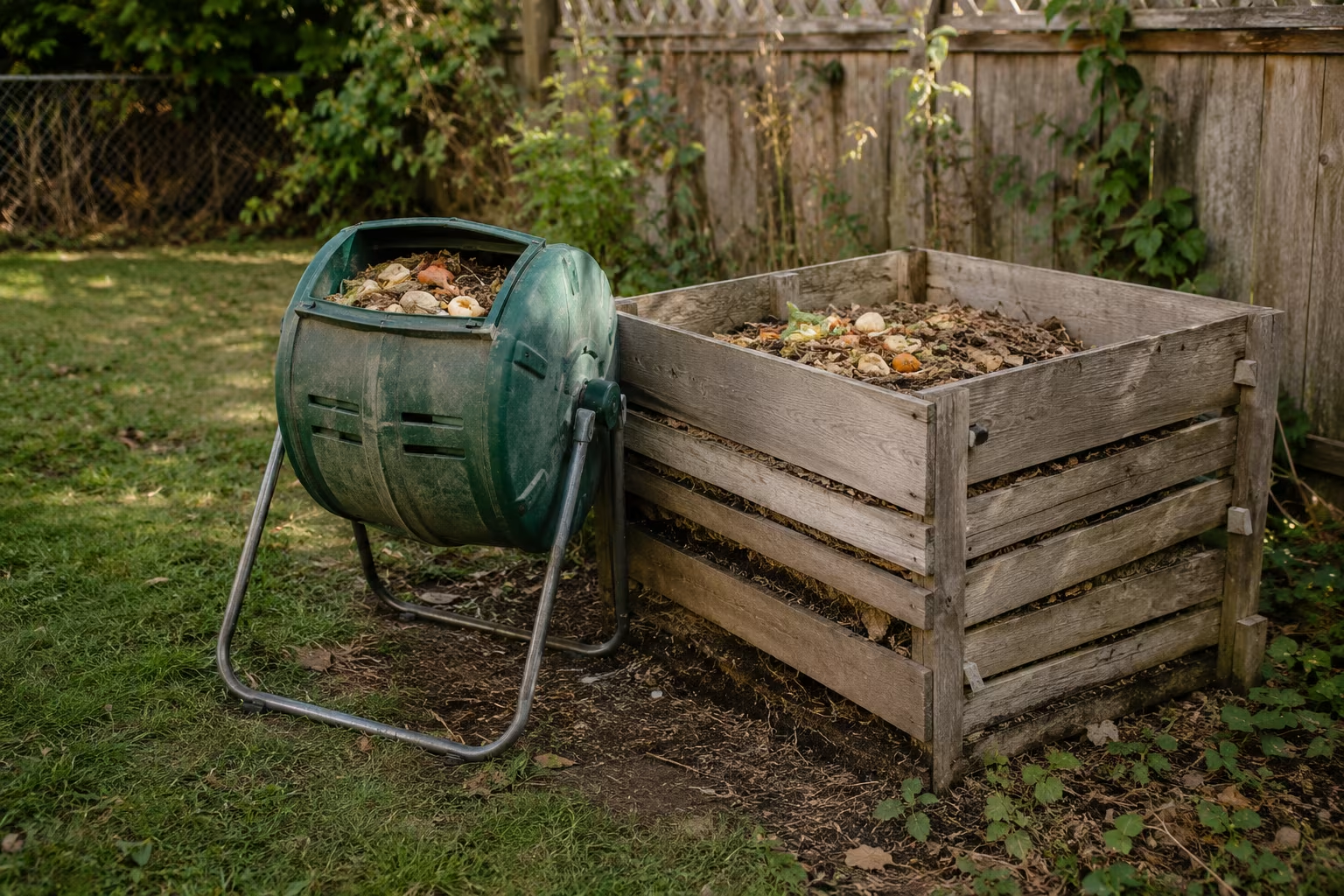
Compost Tumbler vs Static Bin: Which to Choose
Both composters work but they suit different households. Tumbler for speed and pest control...

Backyard Birdhouse Placement for Songbirds
A birdhouse in the wrong spot stays empty for years. Height, direction, distance from cover, and...

Wet-Climate Tent Camping: The Layering That Stays Dry
Three-season tents in wet climates fail predictably without the right layering. The footprint...
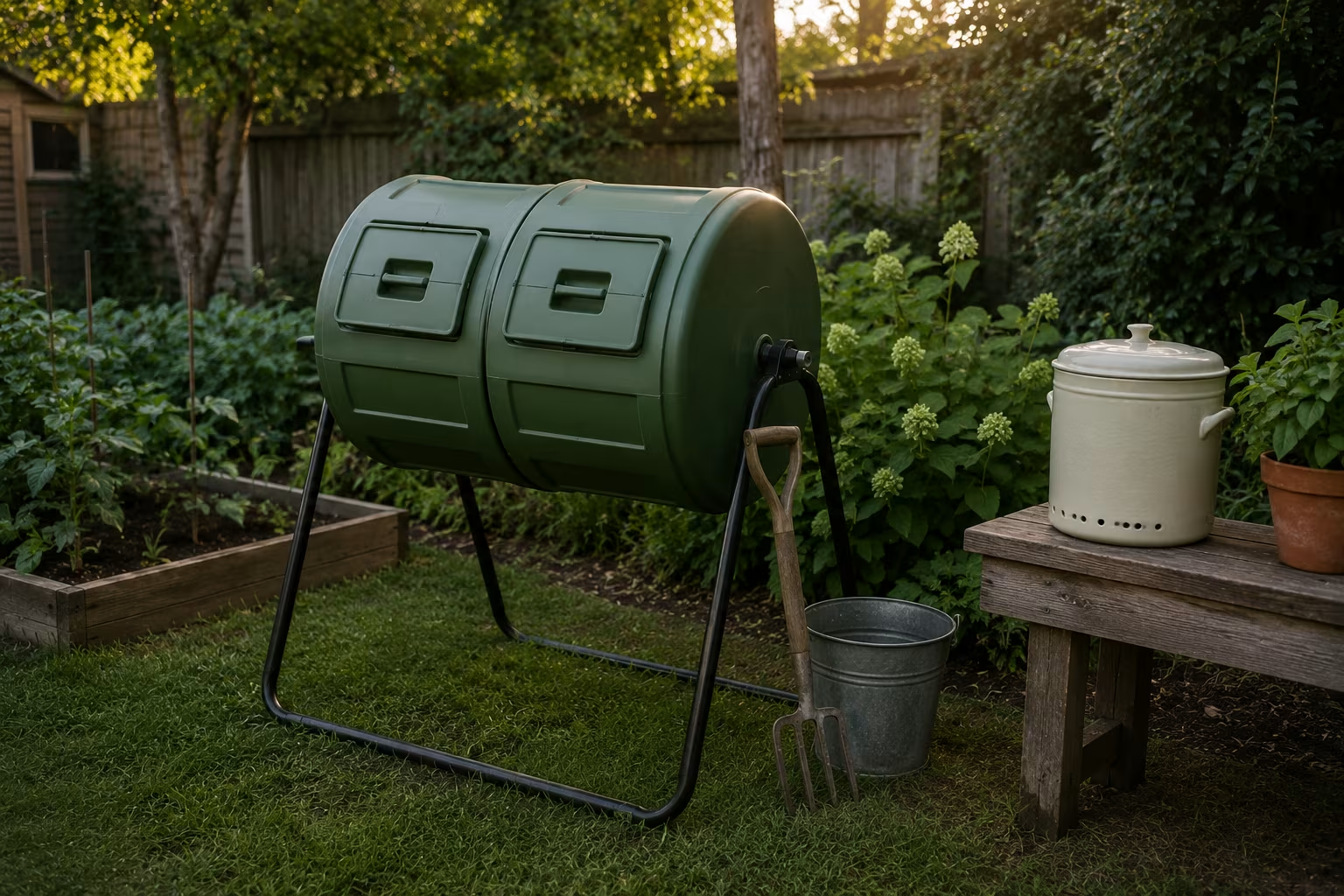
Small-Yard Composting Without Smell or Pests Attracting
Tight backyard, no room for a sprawling pile. The tumbler setup that turns kitchen scraps into...
Comments
No comments yet. Be the first to share your thoughts!