
How to Use Architectural Salvage Pieces as Statement Home Decor
The piece that makes a room feel considered is rarely the most expensive one. More often it is something reclaimed: a cast iron grate, an old paneled door, a carved corbel with generations of paint on it. Architectural salvage brings texture and history that new decor cannot fake, usually for a fraction of the cost. A single grate rescued from an estate sale for $25 can do more for a plain entryway than a whole catalog order.
What Counts as Architectural Salvage
Architectural salvage is any part of an old building removed and saved before demolition or renovation: doors, windows, decorative trim, metalwork, mantels, columns, and hardware. The appeal is in the wear. Chipped paint, worn wood, and the patina on aged metal add depth that mass-produced items cannot replicate, and each piece carries the marks of decades of use. You are not buying junk; you are buying character that has already been earned.
The materials matter because they tell you how a piece will behave. Solid-wood doors from before the 1950s are usually old-growth lumber, heavier and denser than anything sold new, which is why a single salvaged door can weigh 40 to 80 pounds. Cast iron grates and radiators are brittle and can crack if dropped, but they take a wire-brushing and a coat of wax beautifully. Plaster corbels are lighter and cheaper than carved wood but chip easily, so inspect them for hairline cracks before you buy. Knowing what you are handling saves you from paying antique-wood prices for a molded reproduction.
Where to Find It
Hunting is half the point, and the best pieces rarely come from one place.
- Dedicated salvage yards are the richest source, with warehouses of reclaimed doors, mantels, and metalwork. Search "architectural salvage" plus your city.
- Antique malls and flea markets often carry smaller pieces: corbels, grates, and old hardware.
- Estate sales and auctions in older neighborhoods can turn up original features being cleared from a house.
- Facebook Marketplace and Craigslist list pieces from people's own renovations, often cheap if you can haul them.
- Demolition sites can sell items ahead of teardown, but always contact the company and get permission first.
Prices swing widely by region and source. A salvage yard in a city with a lot of demolition will undercut a curated antique mall on the same corbel by half. Go on a weekday morning when new stock is being unloaded, bring a tape measure and cash, and be willing to buy "as-is" pieces that need cleaning, which are almost always the best value. Ask the yard whether they deliver; a mantel or full door often will not fit in a car, and a $30 delivery beats renting a truck.
Common Salvage Pieces and How to Use Them
Knowing what a piece can become keeps you from buying something you will never place. These are the workhorses of salvage decor, with rough prices to set expectations.
| Piece | Best used as | Typical price |
|---|---|---|
| Old paneled door | Headboard, sliding barn door, tabletop | $40–$300 |
| Window frame | Mirror, photo display, shelved display case | $20–$150 |
| Corbels & brackets | Shelf supports, bookends, wall art | $15–$80 each |
| Mantel | Standalone wall shelf and focal point | $100–$400 |
| Cast iron grate | Wall art, oversized trivet | $20–$90 |
| Newel post | Pedestal, sculptural accent | $30–$120 |
| Vintage hardware | Drawer pulls, hooks, coat racks | $5–$40 |
Match the Piece to Its Space
The most common salvage regret is buying on impulse and having nowhere to put it. Before you commit, picture the exact wall or corner and decide what the piece will do: purely decorative, or functional, like a door becoming a desktop. Scale is what makes or breaks it. A 7-foot door overwhelms a narrow hallway but anchors a large open wall; a delicate 8-inch grate disappears on a tall blank expanse. Measure the space, then hold the piece up or set a taped outline on the wall to judge proportion before you buy. Photographing the item next to a familiar object, a chair or a doorway, helps you read its true size when you get it home.
Cleaning, Finishing, and Repairs
Salvage arrives dusty and often grimy, so cleaning comes first. For wood, use a stiff brush with warm water and a little Murphy Oil Soap or diluted dish soap. For metal, a dry wire brush lifts loose rust, but go gently if you want to keep the patina. Test any cleaner in a hidden spot before committing to the whole piece.
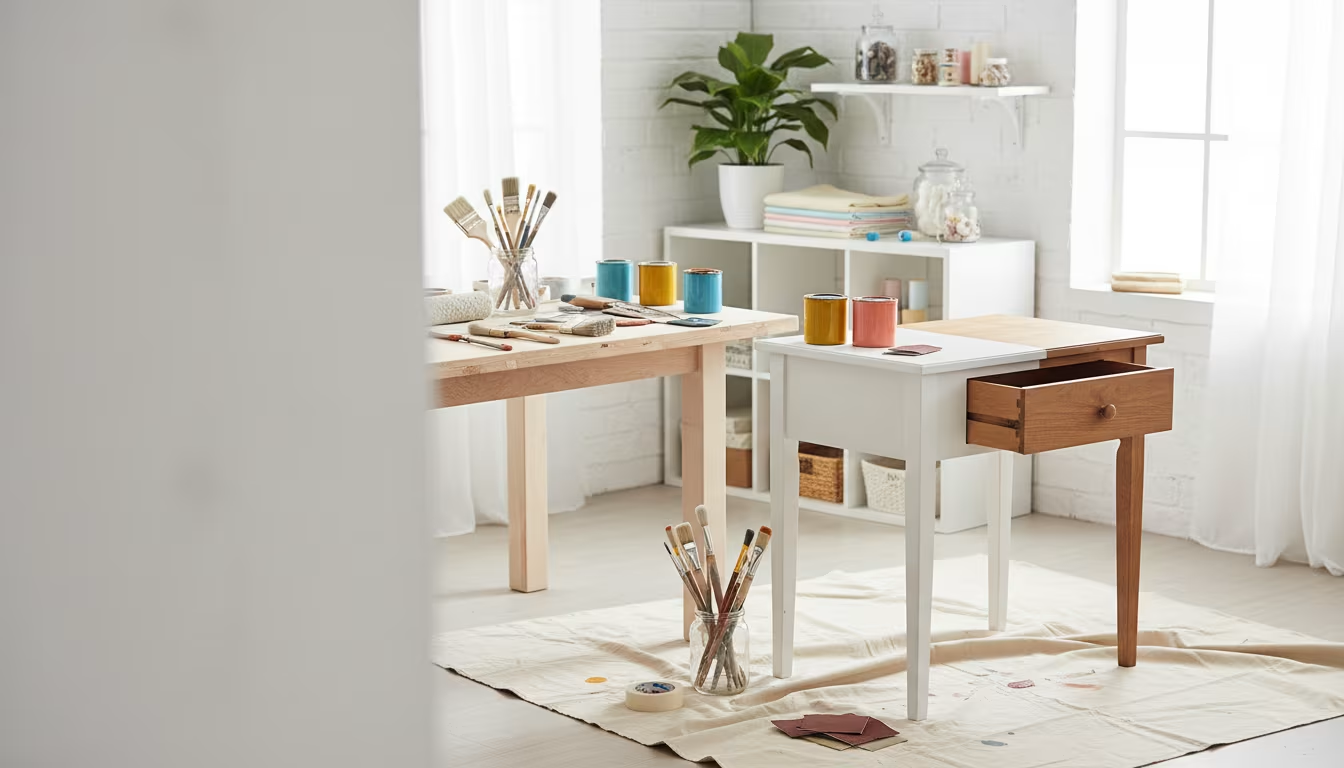
Then decide on a finish. Left raw, a structurally sound piece may need nothing more than a clear wax or sealer to protect the aged surface. To polish it up, strip the old paint, sand progressively from around 120 grit up to 220, and apply a fresh stain or clear coat. To reinvent it entirely, chalk paint adheres to salvage with little prep and gives a flat, matte finish that suits older wood; two thin coats cover better than one heavy one. Handle repairs at this stage too: wood glue and clamps left overnight tighten loose joints, epoxy wood filler rebuilds a chipped edge, and pilot holes drilled before adding hooks or screws keep old, dry wood from splitting. If you want to keep an aged look while stabilizing flaking paint, a coat of clear matte polyurethane locks the surface without erasing the patina.
Lead Paint and Handling Safety
Anything painted before 1978 may carry lead paint, which becomes hazardous the moment you sand or scrape it. Test suspect finishes with an inexpensive swab kit and follow the safe-handling guidance from the EPA's lead information before disturbing them. Wear gloves against splinters and sharp metal edges, and work outdoors or in a ventilated space. A perfect patina is never worth a health risk.
Installing and Styling Heavy Pieces
Weight is the thing beginners underestimate. Doors, mantels, and iron grates must anchor into wall studs, not drywall alone; use heavy-duty D-rings, a French cleat, or lag bolts rated for the load. Locate studs with a magnetic or electronic finder, mark them, and drive fasteners into the framing itself, since a drywall anchor rated for 20 pounds will not hold a 60-pound door. A tall door can lean casually against a wall in a low-traffic room, but anywhere people or pets pass, secure it with an L-bracket or safety strap so it cannot tip.
Then let the piece lead. Keep the area around it uncluttered so it reads as the focal point, and bring in complementary materials rather than competing ones. Rustic salvaged wood pairs well with natural textures like linen and jute, while industrial metal softens next to plants or textiles. A salvaged mantel styled like a console table, with a piece of art hung above it, turns an empty wall into the anchor of the room.
Start with one manageable piece: a single corbel, an old window frame, a decorative grate. Clean it, decide whether to seal or repaint, and find its wall before you buy the next thing. The fastest way to end up with a garage full of clutter is to collect faster than you place.
Related Posts
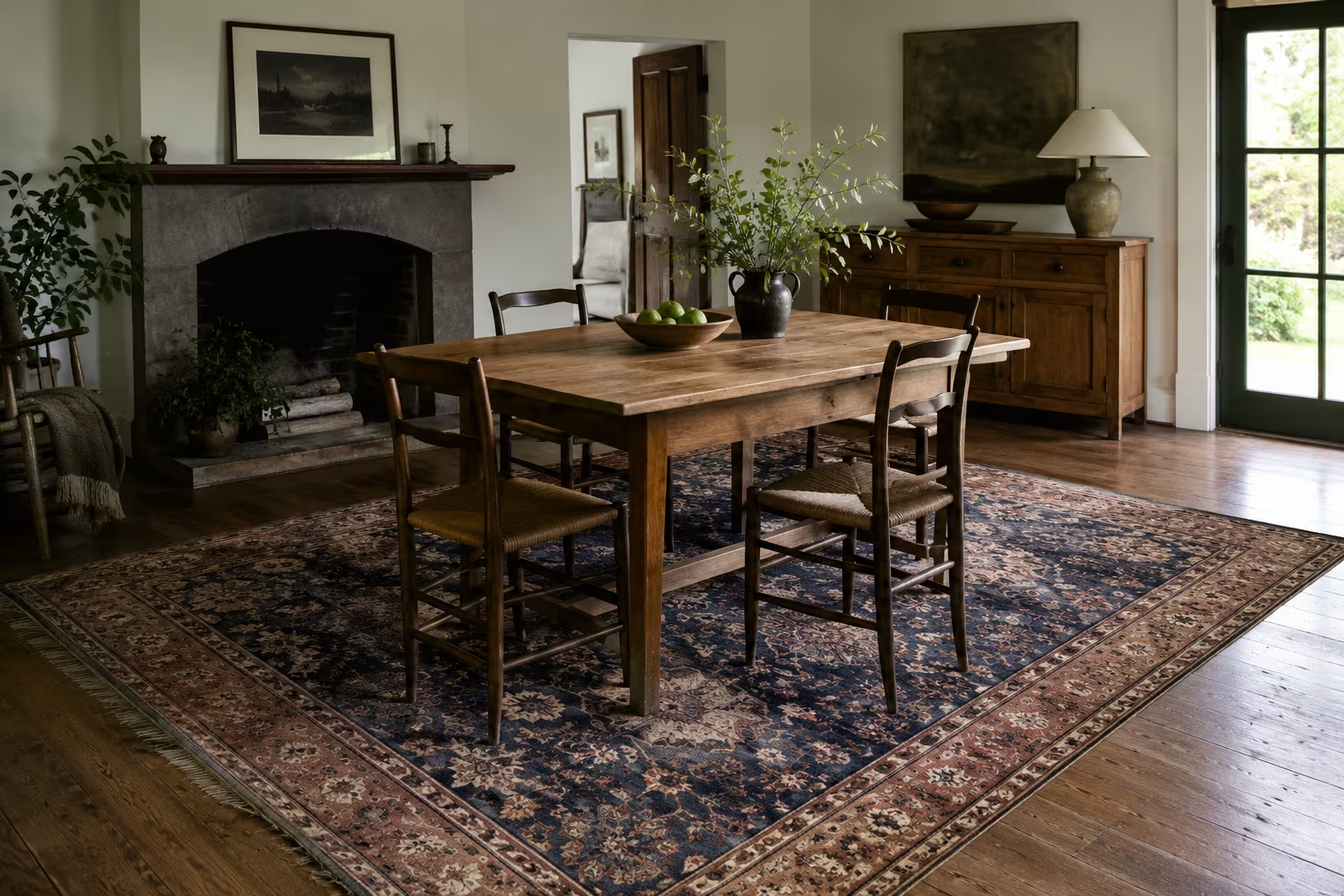
Area Rug Size Under Dining Table
A rug too small under dining table looks like a mistake. Chairs must stay on rug when pulled out.


Sofa Pillow Combinations That Don't Fight
Throw pillows pile up over years. Rules for color, texture, pattern, and size.
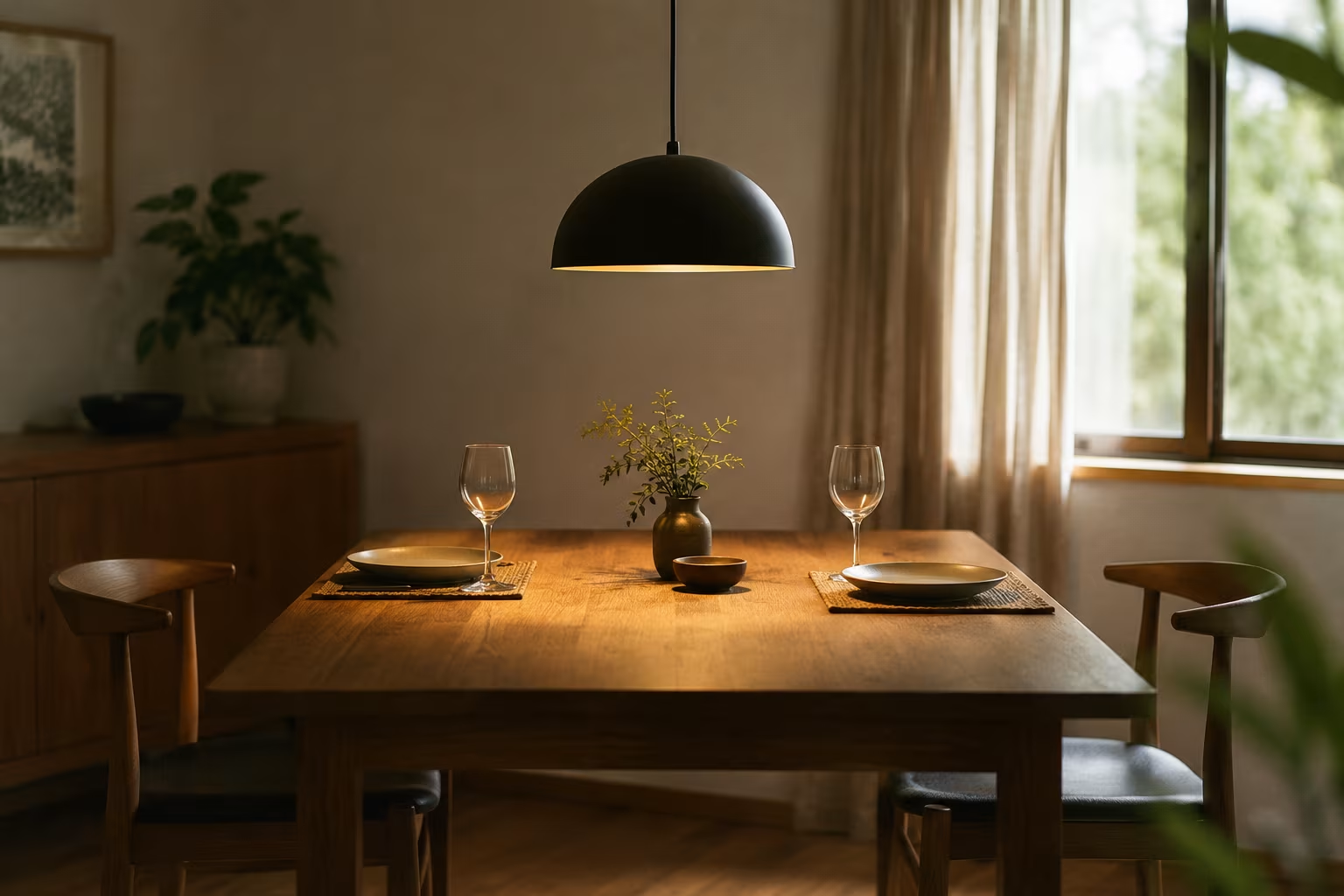
Light Fixture Height Over Dining Table: The Rule
The right pendant light height over a dining table is calculated, not guessed. The standard...
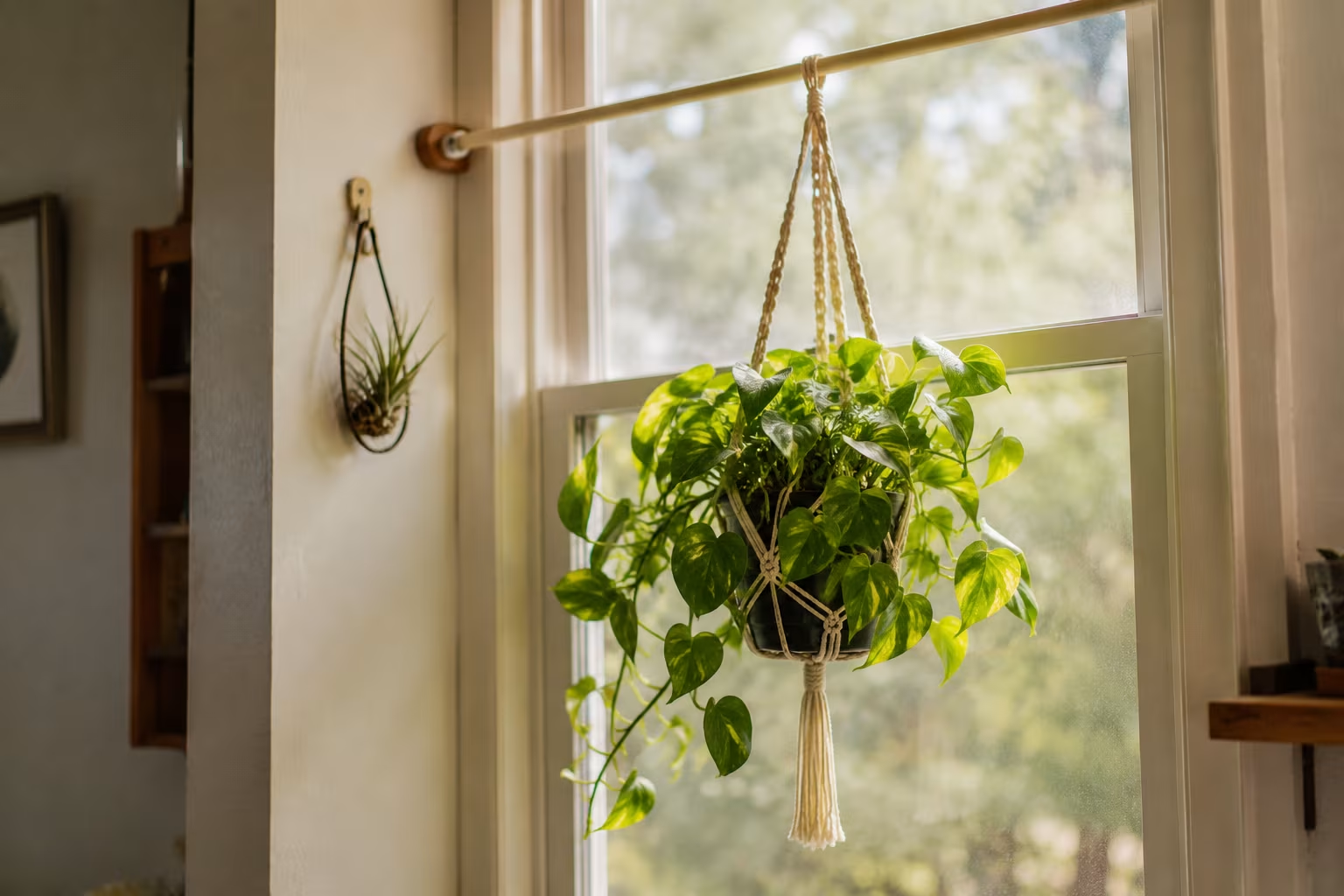
Hanging Plants Without Ceiling Hooks for Renters
Hanging plants brighten any room but drilling into the ceiling isn't always an option....
Comments
No comments yet. Be the first to share your thoughts!