The Best Way to Mix Vintage and Modern Furniture Without Clashing
You know that feeling? You find an absolute gem at a flea market – maybe a gorgeous old wooden chest or a funky mid-century lamp. You bring it home, all excited, and then you look at your sleek, modern sofa or minimalist bookshelf and think, "Uh oh. How do these two even live in the same room without screaming at each other?"
I've been there, more times than I can count. My garage workshop is full of vintage finds waiting for a new life, and my living room is a constant experiment in making old and new play nice. It's a tricky balance, but totally doable.
Today, we're going to dive into how to make those disparate pieces not just coexist, but actually enhance each other. We'll talk about why it feels so hard sometimes, and then I'll walk you through my go-to strategies for creating a space that feels uniquely you without looking like a random collection of furniture.
Why This Actually Matters
Okay, so why bother with this whole vintage-meets-modern thing in the first place? Couldn't you just buy everything from one store and call it a day? Sure, you could, but then your home might end up looking like a page out of a catalog, and honestly, who wants that?
Mixing styles isn't just about aesthetics; it's about telling a story. Every vintage piece carries history, character, and a bit of soul that you just don't get with brand new, mass-produced items. Combining those storied pieces with clean, functional modern designs creates a dynamic tension that makes a room truly interesting.
My favorite example is the little wooden side table I snagged for $8 at a yard sale last summer. It's got some scuffs and a faded top, but it perfectly grounds the super contemporary lamp I have on it. Plus, buying second-hand is way better for your wallet and the planet, which is a win-win in my book.
It lets your personality shine through in a way that matching sets just can't. Your home should be a reflection of your unique tastes, your travels, and your passions, not just whatever's trending on social media. This approach lets you curate a space that feels lived-in, layered, and authentically yours.
Understanding the Vibe
Before you start hauling more furniture into your house, it helps to understand the core idea behind mixing styles. It's not about throwing everything together and hoping for the best. It's about finding harmony between elements that might seem very different on the surface.
Think of it like building an outfit. You wouldn't wear a formal ballgown with flip-flops (unless you're being super ironic, I guess!). You look for pieces that complement each other, even if they're from different categories. Your home is the same.
Finding Your Style Balance
The goal is to create a dialogue between your pieces, not a shouting match. This means being intentional about what you bring in and how you arrange it.
- Focus on one dominant era or style. Don't try to cram every single trend into one room. Decide if your room leans more modern with vintage accents, or if it's a vintage-heavy space with modern touches. This helps set the baseline. For example, my living room is mostly modern minimalist, but I sprinkle in quirky thrift store art and a few mid-century pieces to warm it up.
- Identify common threads. What can link a sleek metal console table to a chunky antique armoire? It could be a shared color palette, similar wood tones, or even a repetitive geometric shape. Look for these subtle connections, and you'll be surprised how much coherence they bring. Sometimes I'll notice a specific shade of blue in a painting, and then try to find a vintage vase or modern throw pillow in that same blue to tie things together.
- Embrace imperfection and contrast. Vintage pieces often come with their own stories – dings, scratches, a well-loved patina. These aren't flaws; they're character. Don't be afraid to put a perfectly pristine modern coffee table next to a rustic, worn-in armchair. The contrast can be beautiful, highlighting the unique qualities of each piece. It stops your home from feeling too sterile or too stuffy.
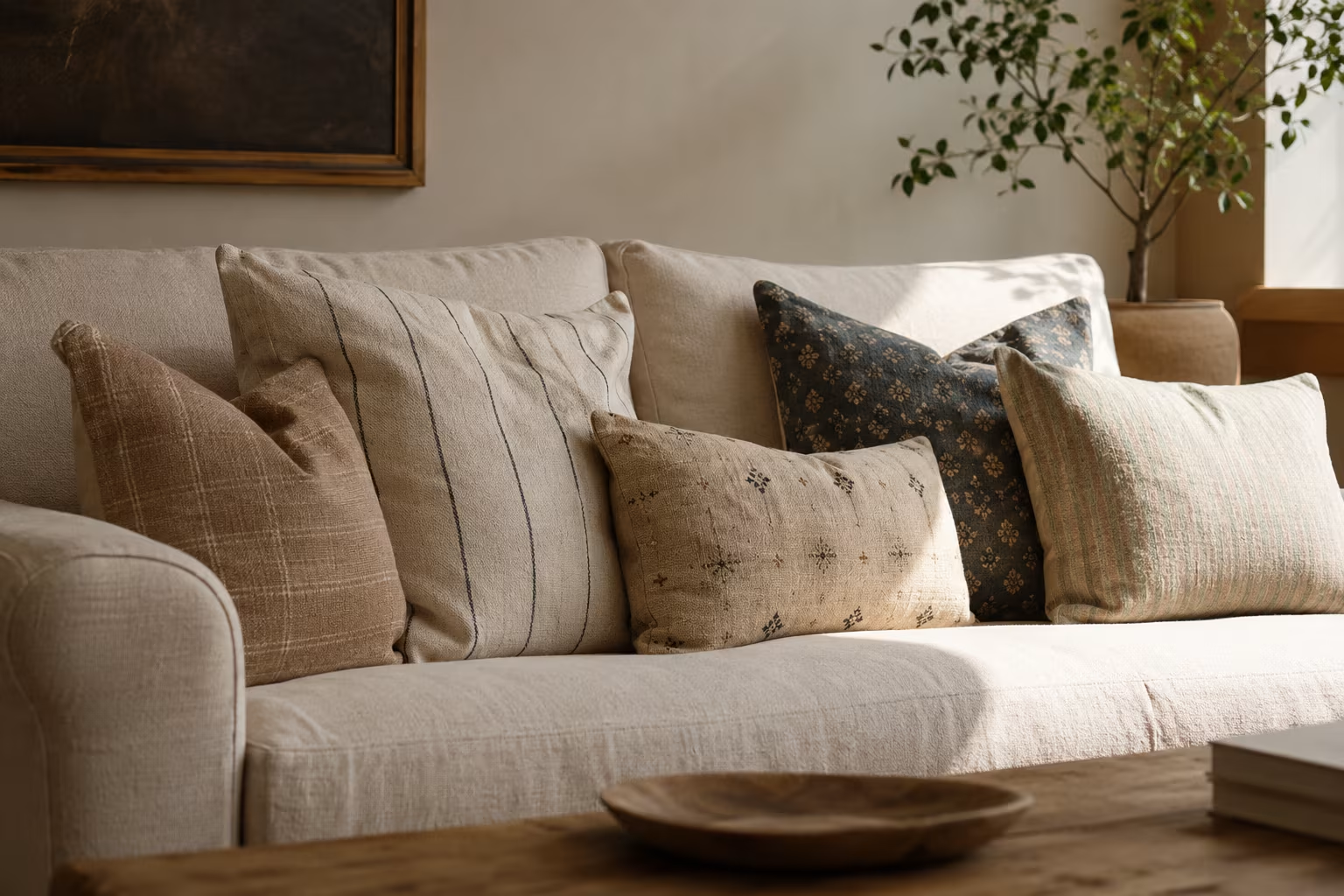
- Think about texture. This is a powerful, often overlooked tool. A nubby wool rug can soften the sharp lines of modern furniture. A smooth, polished vintage wood cabinet can add warmth to a room dominated by industrial metals. Mix rough and smooth, soft and hard, matte and shiny to add depth and interest. I love pairing a soft, chunky knit blanket with a sleek, minimalist chair.
- Consider the "why." Before you buy something new (or old!), ask yourself why you're drawn to it and how it will fit. Is it for function? Aesthetic appeal? A specific memory? Having a reason for each piece helps ensure it earns its place in your home and contributes to the overall vibe, rather than just adding clutter. I once bought a giant vintage clock just because it was old, and it looked totally out of place. Had to give it away eventually.
How To Actually Do It
Alright, enough theory. You're ready to get practical, right? I'm going to walk you through the steps I take whenever I'm trying to make a new (or old!) piece feel at home with what I've already got. These are the tricks I've learned from my own trial and error, so trust me, I've made all the mistakes already.
It's a process of experimentation and trust in your own eye. Don't expect perfection on the first try. That's part of the fun of being a maker – constantly adjusting and refining.
Step 1: Start Small with Accessories and Lighting
Don't jump straight to buying a huge vintage armoire if you're feeling unsure. Begin with smaller, less committing items. Think about lamps, mirrors, artwork, vases, or small side tables. These pieces are easier to move around and swap out if they don't quite work.
I started my own mixing journey with a fantastic $12 brass lamp I found at an estate sale. It sat on my very plain, modern white desk and instantly added character. It was a low-stakes way to see if I liked the look before investing in bigger furniture.
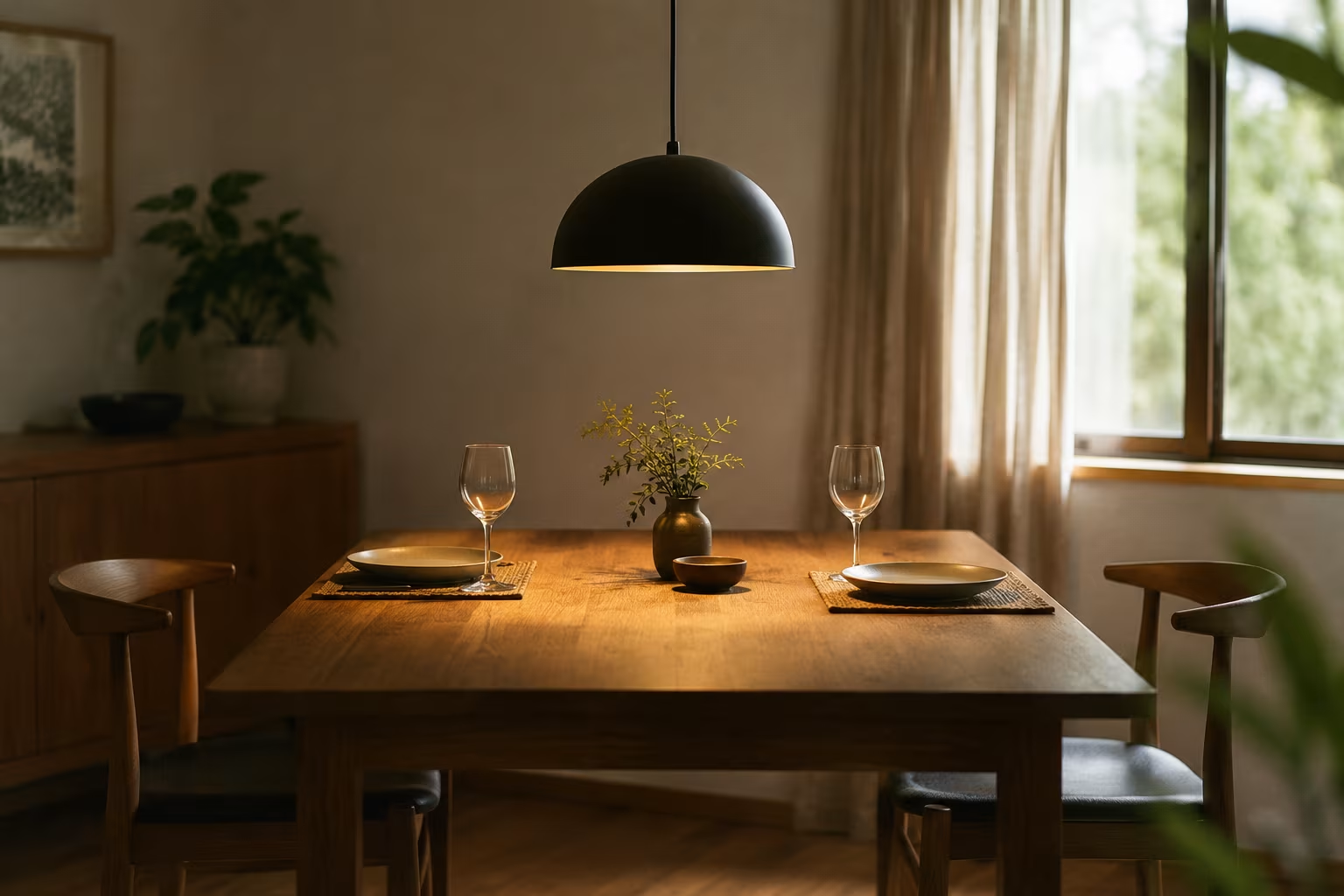
Lighting is particularly powerful because it affects the whole mood of a room. A vintage-style chandelier in a modern dining room, or a sleek, contemporary floor lamp next to an antique armchair, can create beautiful contrast and cohesion simultaneously.
Step 2: Find a Unifying Element (Color, Material, or Shape)
This is probably the most important step for achieving a cohesive look. You need something that acts as a bridge between your vintage and modern pieces. This could be a dominant color repeated in both, a shared material like wood or metal, or even a recurring geometric shape.
For example, if you have a lot of warm-toned wooden modern furniture, look for vintage pieces with similar wood tones, even if the style is different. Or, if your modern pieces are primarily black and white, introduce vintage items that also feature those colors, perhaps in a print or a painted finish.
Sometimes I'll take a photo of a room and draw lines or circles on it (digitally, or even with a pen on a printout) to literally see if I can find these connections. You might not notice them at first glance, but a shared curve or a repeated hue can make all the difference. It takes a little practice to train your eye for this.
Step 3: Play with Scale and Proportion
Contrast in scale can be incredibly effective. A massive, ornate antique mirror above a very minimalist console table creates a striking focal point. A delicate, modern sculpture can look amazing on a sturdy, rustic wooden cabinet.
The key here is balance. If you have a very heavy, chunky vintage piece, balance it with lighter, more streamlined modern items. Conversely, a delicate modern setup might benefit from a substantial vintage anchor piece to prevent it from feeling too insubstantial or sparse.
I once had a huge, somewhat imposing vintage dresser in a small bedroom. I balanced it out by pairing it with a very simple, low-profile modern bed frame and lightweight, airy sheer curtains. It stopped the dresser from overwhelming the whole space, making it feel intentional instead of accidental.
Step 4: Incorporate Modern Art or Textiles
Art and textiles are your secret weapons for tying disparate styles together. A large, abstract modern painting can instantly modernize a room filled with traditional vintage furniture. Similarly, a vintage rug can add warmth and character to a sleek, contemporary space.
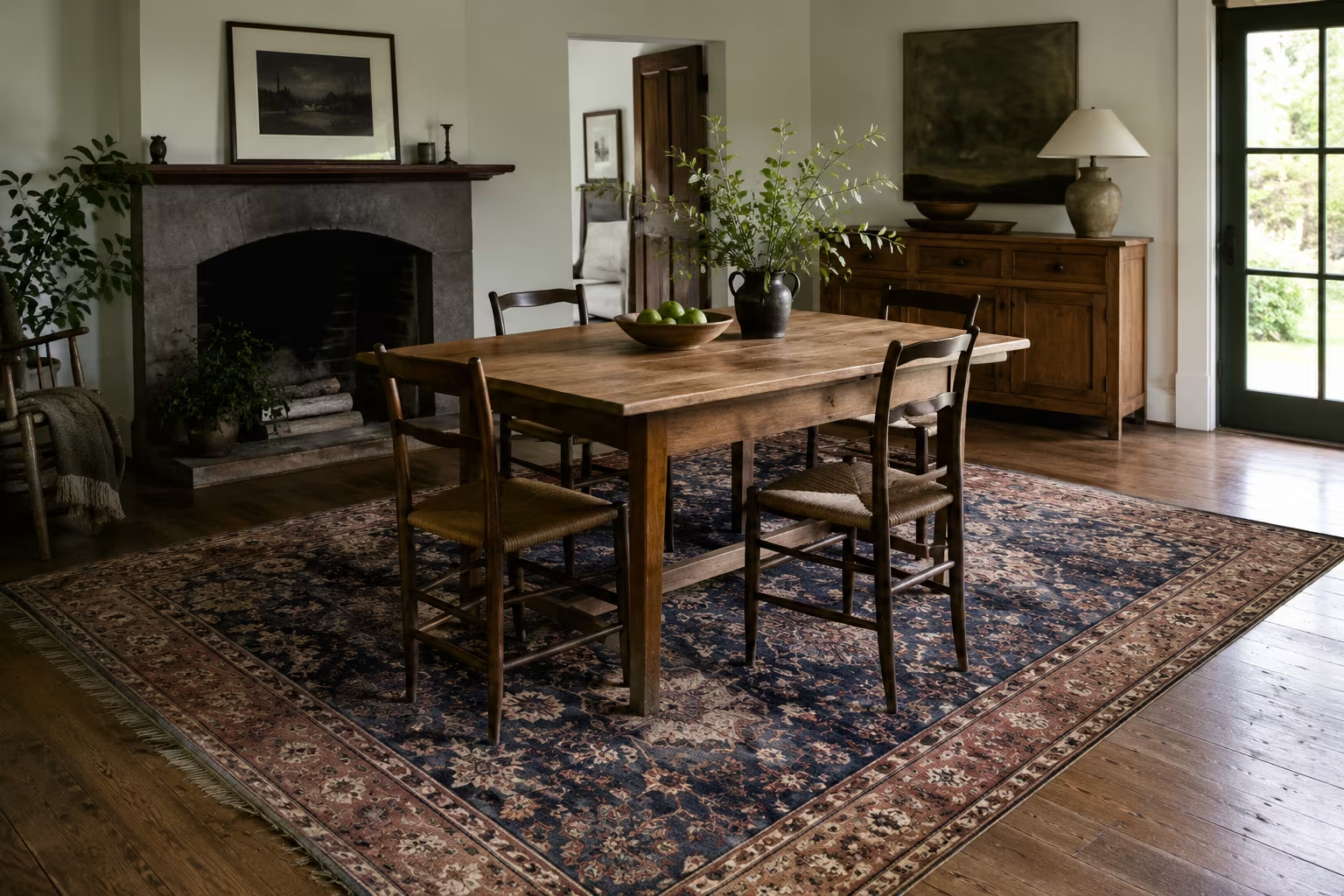
Rugs are fantastic for defining zones and anchoring a mix of furniture. Choose a rug that has colors present in both your vintage and modern pieces to create a visual link. Throw pillows and blankets are also easy, inexpensive ways to introduce new colors, patterns, and textures that bridge the gap between styles.
For budget-friendly art, I often make my own! I'll grab some cardboard from a moving box, a few tubes of acrylic paint from the craft store, and create abstract pieces that reflect the color palette I need. It's a fun DIY project that lets me perfectly match the tones of my mixed furniture. My last one took me about 2 hours and cost maybe $10 in materials.
Step 5: Don't Be Afraid to Paint or Refinish (Carefully!)
Sometimes, a vintage piece just needs a little update to fit into a modern scheme. A fresh coat of paint in a contemporary color (like a deep charcoal, a crisp white, or a muted pastel) can completely transform an old dresser or chair. New hardware can also make a huge difference, instantly giving an antique piece a more modern edge.
However, and this is important: always do your research before you start sanding or painting! Some vintage furniture has valuable original finishes that you absolutely do not want to destroy. A quick Google search of the piece's style or markings can save you from a costly mistake. I once almost painted over beautiful tiger oak grain before a friend stopped me.
If you're unsure, stick to pieces that are already a bit banged up or clearly not valuable antiques. Or, consider reversible changes, like adding new drawer pulls that can be swapped back out later if needed.
Step 6: Create Thoughtful Vignettes
A vignette is a small, curated display of objects. These are perfect opportunities to mix vintage and modern on a smaller scale. On a modern bookshelf, place a few vintage books alongside a minimalist ceramic vase and a contemporary photo frame. On an antique dresser, arrange a modern tray with some sleek candles and a few quirky vintage trinkets.
These little moments throughout your room help reinforce the idea that your mixed styles are intentional, not accidental. They show that you've put thought into how everything interacts, making the whole room feel more cohesive and interesting. It's all about layering and building a story.
I love creating these little scenes. Last week, I put a $3 thrift store globe next to a super modern geometric candle holder on my entryway table. It just works, you know?
Step 7: Prioritize Comfort and Function
No matter how beautiful your furniture mix is, if your home isn't comfortable or functional, it's not truly working. Don't sacrifice livability for aesthetics. That super cool vintage chair might look amazing, but if it's utterly uncomfortable, it's just going to sit there unused.
Make sure your seating is inviting, your surfaces are practical, and your storage solutions actually solve problems. Your home is meant to be lived in, not just looked at. If you have to choose between a perfectly styled but uncomfortable room and a slightly less "perfect" but cozy space, always go for cozy.
I had a fantastic vintage desk that looked incredible, but it was too tall for my office chair. I put up with it for months, but my back was killing me. Eventually, I swapped it out for a modern standing desk that, while less "stylish" to some, made my work life infinitely better. Function first, always.
Step 8: Trust Your Gut (and Take Pictures!)
Ultimately, your home is your space, and it should reflect what you love. If something feels right to you, chances are it is. Don't get too bogged down in "rules" or what you think a magazine spread would look like.
A great trick I use is to take pictures of the room from different angles. Sometimes, what looks a little off in person looks perfectly balanced in a photo. And vice versa! Photos give you a more objective view, helping you spot imbalances or areas that need a little tweaking.
Don't be afraid to move things around multiple times. I've spent hours rearranging a single wall, just moving a piece of art up an inch, then down an inch. It's part of the creative process, and every adjustment gets you closer to a space that feels just right for you.
Making It Stick / Common Mistakes
Even with all these tips, it's easy to stumble. I've definitely made some blunders that resulted in rooms feeling more like a hodgepodge than a harmonious mix. Learning from these common pitfalls can save you a lot of frustration (and maybe a few trips back to the thrift store).
The goal isn't perfection, but rather a space that feels cohesive and thoughtfully put together. It's about finding that sweet spot where different eras complement each other without clashing.
Mistake 1: Overdoing It with Statement Pieces
Every room needs a few stars, but not every piece can be a showstopper. If you fill a room with too many ornate vintage pieces and bold modern designs, it can feel cluttered and overwhelming. The eye won't know where to rest, and the room will feel chaotic.
Choose one or two focal points, perhaps a striking vintage cabinet or a bold modern art piece. Let the other items play supporting roles, complementing the main attractions without competing with them. Sometimes, a plain, modern wall can be the perfect backdrop for a dramatic vintage find.
Mistake 2: Ignoring Scale and Proportion Entirely
This goes beyond just creating contrast. It's about ensuring your furniture fits the size of your room and works well together. A tiny side table next to a massive sofa will look lost. A huge, heavy antique desk might swallow a small office whole.
Before you buy, measure, measure, measure! Understand the dimensions of your space and the pieces you're considering. Visualizing the pieces in your room (using painter's tape on the floor or even cardboard cutouts) can help prevent costly mistakes. I've definitely bought a few things that looked smaller in the store than they did in my living room.
Mistake 3: A Lack of Unifying Elements (No Flow)
Remember that common thread we talked about? Without it, your carefully selected vintage and modern pieces will just look like they were dropped into the room randomly. There needs to be something that subtly connects them, whether it's color, material, texture, or even a shared design philosophy.
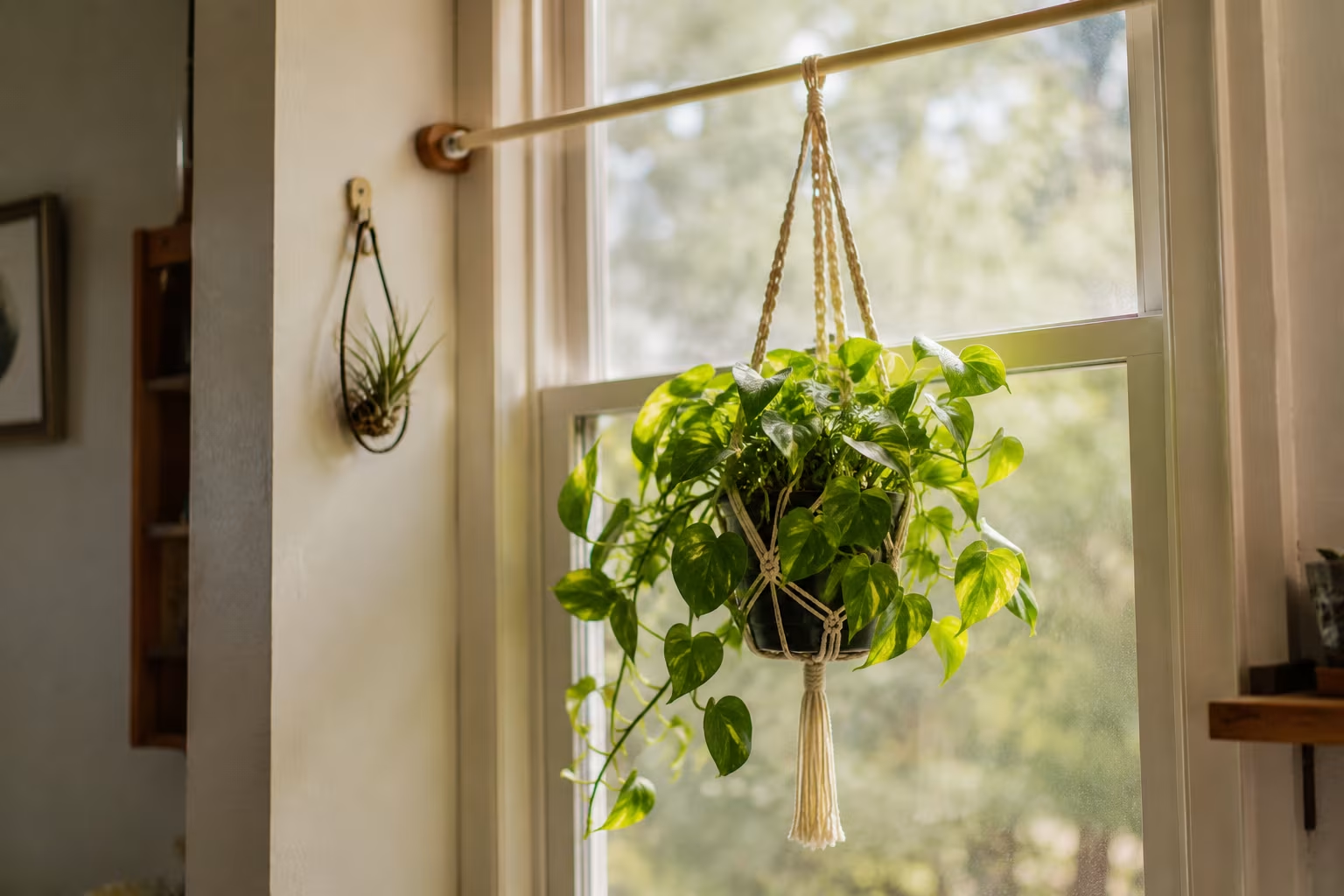
If you walk into a room and it just feels "off" but you can't quite pinpoint why, chances are it's missing this unifying element. Step back, take a picture, and try to identify what's missing. Maybe you need a rug with a shared color, or a plant that brings a natural element to both styles.
Mistake 4: Buying Something Just Because It's Vintage
This is a big one, especially if you love thrifting like I do. Not everything old is good, or useful, or even stylish. Resist the urge to buy every "vintage" item you see, especially if it doesn't align with your desired aesthetic or serve a purpose.
Ask yourself: Is this piece truly beautiful? Does it add to the character of my home? Is it functional? Can I actually use it? Don't just buy something because it's cheap or old. Your home shouldn't be a museum of random artifacts; it should be a curated reflection of you.
Mistake 5: Forgetting About Lighting's Impact
Lighting is often an afterthought, but it plays a huge role in how a mixed-style room feels. Harsh, bright overhead lights can make everything feel sterile, while too many dim, warm lamps can make a room feel heavy and dated.
Aim for layered lighting: a mix of overhead, task, and accent lighting. Use modern fixtures to brighten up vintage corners, or a statement vintage lamp to add character to a sleek modern area. The right lighting can soften transitions, highlight focal points, and make your mixed styles truly shine.
Your home isn't a museum; it's a reflection of your life. Let it tell your story, not just one from a catalog.
Frequently Asked Questions
How do I start if I have no vintage pieces yet?
Start small, my friend! Hit up your local thrift stores, flea markets, or even estate sales. Look for small, inexpensive items like lamps, mirrors, art, or decorative objects. Don't feel pressured to buy furniture right away.
Focus on pieces that genuinely catch your eye and that you can imagine living with. It's an exploration, so enjoy the hunt!
Should everything match a specific period?
Absolutely not! That's the whole point of mixing styles – to move beyond a single period. The goal isn't to create a perfectly historically accurate room, but rather a unique space that reflects your personal taste. Embrace the blend.
Focus on those unifying elements we talked about, like color or texture, rather than trying to perfectly match eras. It's all about intentional contrast.
What if my partner hates vintage/modern stuff?
Ah, the classic compromise challenge! This is where communication comes in. Try to identify specific elements of each style that you both appreciate. Maybe one of you loves modern sofas, and the other loves vintage art. Focus on finding common ground.
Start with a few pieces that lean towards each person's preference, and build slowly. It's about finding a balance that makes both of you feel comfortable and at home in the space.
How do I know if a vintage piece is worth buying?
Beyond whether you just like it, check for structural integrity first. Is it wobbly? Are there major cracks or damage that would be too expensive or difficult to fix? Then, consider the material and craftsmanship. Solid wood often signals better quality than veneer or particleboard.
Also, think about its potential. Can a fresh coat of paint or new hardware easily update it? Sometimes a piece just needs a little love to shine. If it's a larger investment, do a quick search on your phone to see if it's a known valuable antique.
Is this worth it for a small budget?
Yes, absolutely! Mixing vintage and modern can be one of the most budget-friendly ways to furnish a home. Thrift store finds are often incredibly affordable, especially compared to new furniture.
You can spend a little more on one key modern piece (like a good sofa) and then fill in with charming, inexpensive vintage treasures and DIY projects. It's about smart shopping and creativity, not necessarily big spending.
The Bottom Line
Mixing vintage and modern furniture isn't about following strict rules; it's about creating a home that feels authentic to you. It's about finding harmony in contrast, celebrating individuality, and telling your unique story through the objects you choose to live with.
Don't be afraid to experiment. Start small, trust your instincts, and remember that your home is a work in progress, just like any good DIY project. Go find that weird lamp or cool old chair, and see what magic you can make happen! 👋