
Why Pyrography Is the Most Underrated Wood Craft for Beginners
Pyrography, sometimes called wood burning or "writing with fire," is one of the few wood crafts that needs no saws, no dust collection, and no dedicated shop. A heated metal tip does the work, so the whole setup fits on a small table and a complete beginner kit costs about $25. For anyone drawn to the character of wood but intimidated by woodworking hand tools or power tools, it is the gentlest possible entry point, closer to drawing than to carving.
What Pyrography Is
Pyrography is decorating wood, and sometimes leather or gourds, by burning a design into the surface with a heated tip. The word comes from the Greek pyro (fire) and graphos (writing), and the technique has been used for centuries to mark and decorate objects. The full history is covered in the Wikipedia article on pyrography.
Unlike carving, which removes material, pyrography adds tone and texture by charring the surface. You control the result through pressure and dwell time: light quick strokes leave pale feathery lines, slow firm strokes leave dark ones. Because you are building color up rather than cutting away, mistakes are more forgiving, which is exactly why it suits beginners.
The Gear You Actually Need
Wood-burning tools come in two tiers. A craft burner is shaped like a soldering iron with fixed or screw-on tips and one or two heat settings; these run $20 to $40 and are the right place to start. A professional burner uses a separate power box, a flexible pen-like handpiece, and fast-heating wire tips with precise temperature control; these start around $100 and are worth it only once you are committed.
Beyond the tool, a short supporting kit makes the difference between clean lines and constant frustration:
- Fine-grit sandpaper (around 220-grit) to smooth the surface. Any rough patch grabs the tip and throws off your line.
- Pencil and eraser for sketching the design before you burn.
- Carbon or graphite paper to transfer a printed design if you would rather not draw freehand.
- A fan or open window. Burning wood releases smoke and fumes, so ventilation is not optional.
- A heat-resistant stand or ceramic tile to rest the hot tip on between strokes.
- Needle-nose pliers or tweezers for swapping screw-on tips once the tool has cooled slightly.
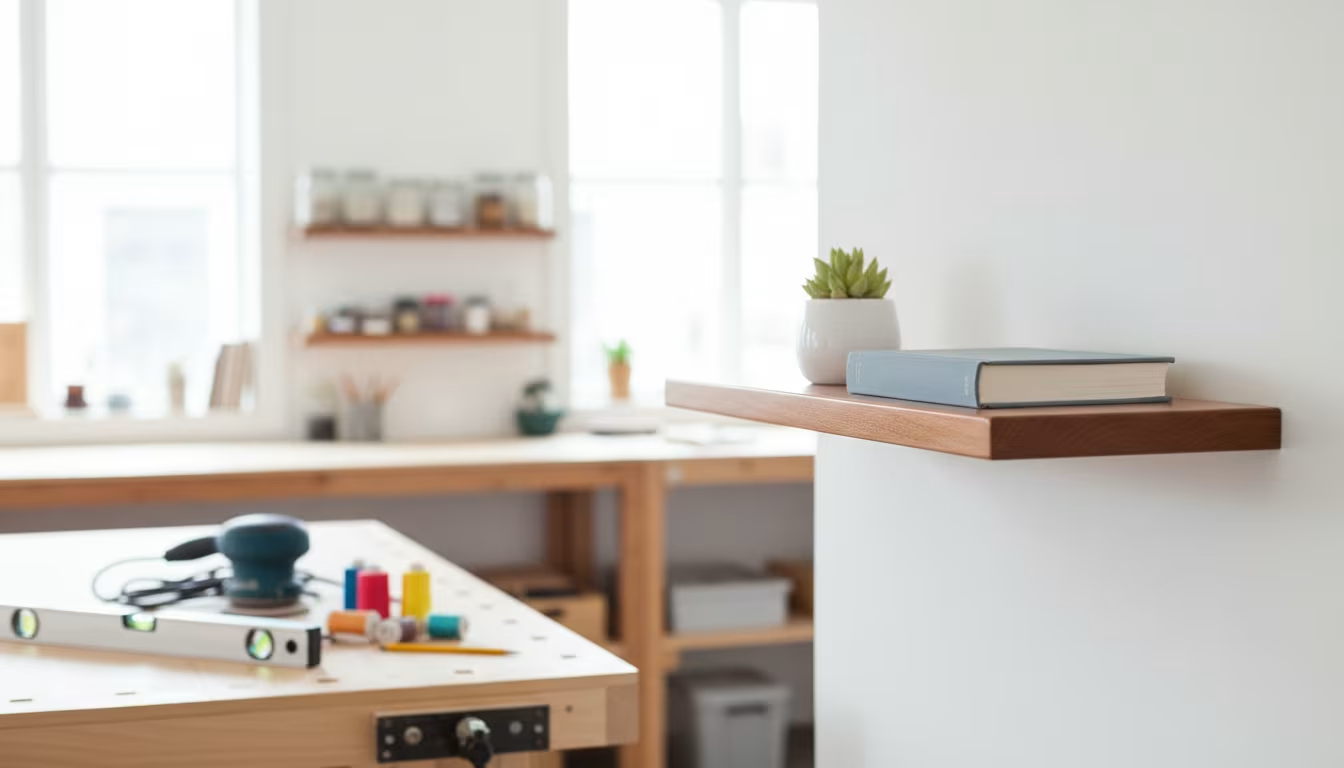
You do not need a workbench, a band saw, or a dust system. A small clear space, the tool, and a suitable board are the whole requirement.
Understanding the Tips
Most craft burners ship with a set of interchangeable tips, and knowing what each does saves a lot of trial and error. A universal or writing tip handles outlines and lettering. A shading tip, a flat spoon-like blade, lays down smooth tone across broad areas. A fine point or spear tip cuts crisp detail and tight curves. Rounded and calligraphy tips add line-weight variety. Start with just the writing and shading tips; they cover most first projects. Where a tool offers heat settings, a lower setting gives you more control for practice and light shading, while a higher setting suits dark outlines and dense fills.
Choosing the Right Wood
Wood choice affects the result more than any other single factor. Light-colored, fine-grained, smooth woods burn evenly and show your marks clearly. Dark woods hide the burn, and strongly grained or resinous woods burn unevenly, causing the tip to skip or plunge. Treated, painted, or finished wood is off-limits entirely, since burning those releases toxic fumes.
| Wood | Suitability for beginners | Notes |
|---|---|---|
| Basswood | Excellent | Pale, soft, uniform grain; the standard beginner choice |
| Birch | Excellent | Smooth and light; cheap birch cutting boards work well |
| Maple | Very good | Fine even grain; slightly harder, so heat a touch more |
| Poplar / light pine | Good | Watch for soft/hard grain bands that burn at different rates |
| Oak | Poor | Strong open grain burns unevenly |
| Walnut | Poor | Too dark to see the burn |
Craft stores sell basswood plaques and slices for a few dollars, and a plain birch cutting board is an inexpensive practice surface. Avoid reclaimed pallet wood when starting out; the wild grain and splinters make a difficult first project.
Prep and Transfer Your Design
Sand the piece with the grain until it is smooth to the touch, then wipe off the dust with a dry cloth. A clean, smooth surface is the foundation for even burning.
Keep your first design simple: lines, dots, basic shapes, a single letter or monogram. To transfer a printed design, lay graphite or carbon paper face down on the wood, put the printout on top, and trace the lines firmly with a dull pencil or stylus. To work freehand, sketch lightly in pencil; those marks erase later, so keep them faint.
Your First Burn
Plug in the tool and let it reach temperature, usually 5 to 10 minutes, until the tip glows a dull red or radiates clear heat. Rest it on its stand or a ceramic tile away from anything flammable, and turn on your fan or open the window before you start.
Before touching the real project, practice on a scrap of the same wood. Make lines, dots, curves, and shading to learn how the tool moves. Start light: it is far easier to darken a line with a second pass than to lighten a deep burn. Slow, firm strokes go dark; quick, light strokes stay pale. Practice lifting the tip off the surface smoothly so you do not leave a dark dot at the end of each stroke.
Hold the pen as you would a normal pen, but a little further back to keep your fingers off the heat. A simple first project, a monogram or a small line drawing on a coaster, takes roughly 30 to 45 minutes once the tool is hot. Burn the outlines of your design first, following the pencil lines slowly and steadily. Thick dark smoke means you are pressing too hard or lingering in one spot; ease off until the smoke is light and wispy.
Shading and Detail
Once the outlines are down, build up shading with a lighter touch and faster strokes, layering pale passes into gradients the way you would with a pencil. A dedicated shading tip produces a broader, smoother burn for transitions.
Texture comes from technique: stippled dots, short crossed dashes for cross-hatching, or quick light strokes that mimic wood grain. Because darkness only ever builds up and never comes off, work from light to dark and step back often to judge the piece with fresh eyes. Going over an area a second time deepens it in a controlled way.
Finishing the Piece
When you are satisfied, unplug the tool and let it cool completely before cleaning or changing tips. Erase any leftover pencil marks with a good art eraser.
A finish protects the surface and makes the burn stand out. A clear wood sealer, a light coat of beeswax, or mineral oil all work; on anything that contacts food, such as a cutting board, use a food-safe finish like mineral oil. These pieces make strong personalized gifts, in the same vein as etched glassware for personalized gifts: custom cutting boards, keychains, jewelry boxes, and holiday ornaments.
Common Mistakes and How to Avoid Them
Impatience is the classic beginner error. Pressing hard or holding the tip in place to force a dark line produces uneven burns and deep scorch pits. Slow down and darken with repeated light passes instead of one aggressive stroke.
The wrong wood ruins otherwise good technique. Wild-grained or knotty stock burns unevenly and splinters; stick to fine-grained light woods while you learn.
Pushing too hard fights the wood rather than burning it. The heat does the work, so excess force only digs in, dulls the tip, and tires your hand.
Poor ventilation is easy to overlook. Burning wood smoke is unpleasant and not good to inhale; a small fan moving air away from your face solves it. And comparing early attempts to seasoned artists only discourages, since their work represents hundreds of hours of practice.
Frequently Asked Questions
Is it safe for beginners? Yes, with basic care: work in a ventilated area, rest the tool on a heat-resistant surface, keep fingers off the hot tip, and unplug it when finished.
What wood should I start on? Basswood, birch, or maple, light and fine-grained so the design shows clearly. Small plaques, boxes, and slices in these woods cost only a few dollars.
Can I use household items instead of a real tool? Stick to a dedicated pyrography tool. A soldering iron can technically burn wood but lacks the tip variety and ergonomics, and improvised heated objects are genuinely unsafe.
How do I clean the tips? Carbon builds up over time. While the tip is warm but not red-hot, rub it on fine sandpaper or a stropping block, or use the small wire brush some kits include. Unplug and cool the tool before any thorough cleaning.
How long until I am good at it? Simple clean designs come within a few practice sessions; smooth shading and fine detail take months of consistent work. Every piece teaches something, so improvement is steady.
Grab a $20 burner and a basswood blank, and start with a few lines, a heart, or a single word. The low cost and gentle learning curve mean the first afternoon is enough to know whether the craft is for you, and most people find the rhythm of tip on wood surprisingly hard to put down.
Related Posts
Beginner Pottery Wheel Speed for Centering
Centering clay needs high wheel speed and firm pressure. Most beginners use too low speed.

Calligraphy Ink Comparison for Cotton Paper
Modern dip pen calligraphy needs ink that doesn't bleed on absorbent cotton paper. India ink...
Knitting Needle Materials Compared: Wood vs Metal vs Plastic
Knitting needle material changes how stitches slide, how cold or warm the needle feels, and how...
Beginner Watercolor Paper Choice for Textured Washes
Watercolor paper is the single biggest gear decision a beginner makes. Weight, surface texture...
Comments
No comments yet. Be the first to share your thoughts!