
Why Warm Metallic Accents Are Replacing Chrome in Modern Homes
Warm metallic finishes, brass, copper, brushed gold, and oil-rubbed bronze, are steadily displacing chrome as the default accent metal in modern interiors. The reason is tonal: chrome reads cool and silvery and reflects light sharply, while warm metals carry yellow, orange, or reddish-brown undertones that soften light and add depth. The current versions are also more subtle than the high-shine lacquered brass of the 1980s, leaning toward brushed and matte finishes. Swapping even one piece, such as a chrome frame for a thrifted brass one, noticeably changes how a room reads.
The Warm Metals and How They Differ
Each warm metal brings a distinct undertone and character. Brass reads as a buttery gold and ranges from bright and polished to muted antique. Copper has a reddish-orange hue and develops a natural patina over time. Brushed gold is a finish rather than solid metal, softer and less reflective than polished gold. Oil-rubbed bronze is a dark, near-black finish with coppery undertones showing through, and it grounds a space.
| Metal | Undertone | Typical finish | Works well with |
|---|---|---|---|
| Brass | Yellow-gold | Polished or antique | White, navy, wood |
| Copper | Reddish-orange | Polished, ages to patina | Green, terracotta, cream |
| Brushed gold | Soft yellow | Matte, brushed | Cool grays, stark white |
| Oil-rubbed bronze | Dark brown-red | Matte, near-black | Warm neutrals, leather |
These finishes pair well with natural materials such as wood, linen, wool, and plants, and they interact softly with natural light, distributing it more evenly than chrome's sharp reflection.
Where to Start on a Budget
The cheapest entry point is the thrift store, where brass and copper lamps, trays, frames, candle holders, and figurines often sell for a few dollars because tarnish makes them look dated. Most tarnish polishes off, and a light patina adds character. Carry a small magnet: if it sticks to a supposedly brass item, the piece is brass-plated steel rather than solid brass, which is fine for decor but matters for restoration. Building a habit of sourcing pieces from local thrift stores keeps the whole project inexpensive.
Metallic spray paint is the other budget tool. It converts a dull chrome fixture or plain drawer pulls into a warm finish for the cost of a can. Use a primer made for metal, then two or three light, even coats held 8 to 10 inches from the surface in a well-ventilated space. Practice on scrap first, since early attempts tend to run streaky until the spacing and coat thickness feel natural. A basic set of budget-friendly supplies handles masking and cleanup.
Swapping Hardware and Lighting
Small hardware delivers the most visible change per dollar. Cabinet pulls, drawer handles, switch plates, and outlet covers are inexpensive and quick to replace; swapping silver dresser pulls for brushed gold takes about 15 minutes and under $20 while noticeably lifting the piece. Warm-metal switch plates tie a room together with a subtle shift most people feel without naming.
When replacing pulls, measure the center-to-center distance between the existing screw holes first, since matching that spacing lets new hardware drop straight into the old holes with no drilling. Common cabinet-pull spacings are 3 inches (76 millimeters) and 96 millimeters, while knobs use a single screw and fit anywhere. If a new pull's spacing differs, you can fill the old holes with wood filler, sand flush, and drill fresh ones, but matching the spacing saves that step entirely.
Lighting works as a larger statement. Replacing a chrome pendant or flush-mount with a brass or bronze fixture changes a hallway or kitchen outright; a builder-grade bathroom light swapped for a matte gold one is roughly an hour's work. If wiring feels daunting, start with a plug-in table or floor lamp with a brass base for instant warmth and no electrical work. You can also add metallic accents to furniture, for example spray-painting the legs of a wooden stool bronze to turn it into a plant stand, or fitting brass casters and pulls to a coffee table build.
Mixing Metals Without Clashing
Metals do not need to match. Mixing them adds depth and a collected look, but it needs structure: choose one dominant metal, such as brass for all door hardware, then introduce one or two complementary warm metals as accents, like a copper planter and a bronze lamp. Grouping different warm-metal objects into a single vignette, pairing a shiny brass with a muted copper, reads as intentional rather than scattered. Treat these accents like jewelry for the room, where a few well-placed pieces state more than a surface covered in metal. The same restraint applies to a handmade wall hanging or other statement object: scale it to the wall it lives on.
Cleaning and Maintaining Warm Finishes
Maintenance depends on the metal and finish. Polished brass and copper tarnish over time and can be brought back with a dedicated metal polish or a mild paste of vinegar and salt, though many people let copper develop its patina on purpose. Brushed and matte finishes only need a soft cloth with warm, mildly soapy water to lift dust and fingerprints; abrasive cleaners will scratch the brushing pattern. Oil-rubbed bronze and most factory-applied lacquers should be wiped with a damp cloth only, since abrasives and harsh chemicals strip the protective coating and expose bare metal underneath. Spray-painted pieces are the most delicate, so clean them with a barely damp cloth and no solvents. Whatever the finish, test any cleaner on a hidden spot first.
Common Mistakes to Avoid
Overdoing it is the most frequent error. A room finished entirely in brass or copper feels overwhelming and can read smaller and dated, so keep warm metals as accents against neutral surfaces. Scale and placement matter next: a tiny brass trinket disappears in a large room, while an oversized copper piece overpowers a small nook, and a metal that glows in daylight can look dull in a dark corner, so test positions before committing. Ignoring the surrounding decor is a third trap, since warm metals need the counterpoint of wood, linen, wool, and plants to feel grounded rather than random against cool, stark lines. The last is poor prep before painting: skipping cleaning, light sanding, and a metal primer causes the finish to peel, so spend the extra ten minutes on surface prep for a coat that actually holds. Start with a single thrifted piece or one can of spray paint, place it, and let the rest of the scheme build from there.
Related Posts
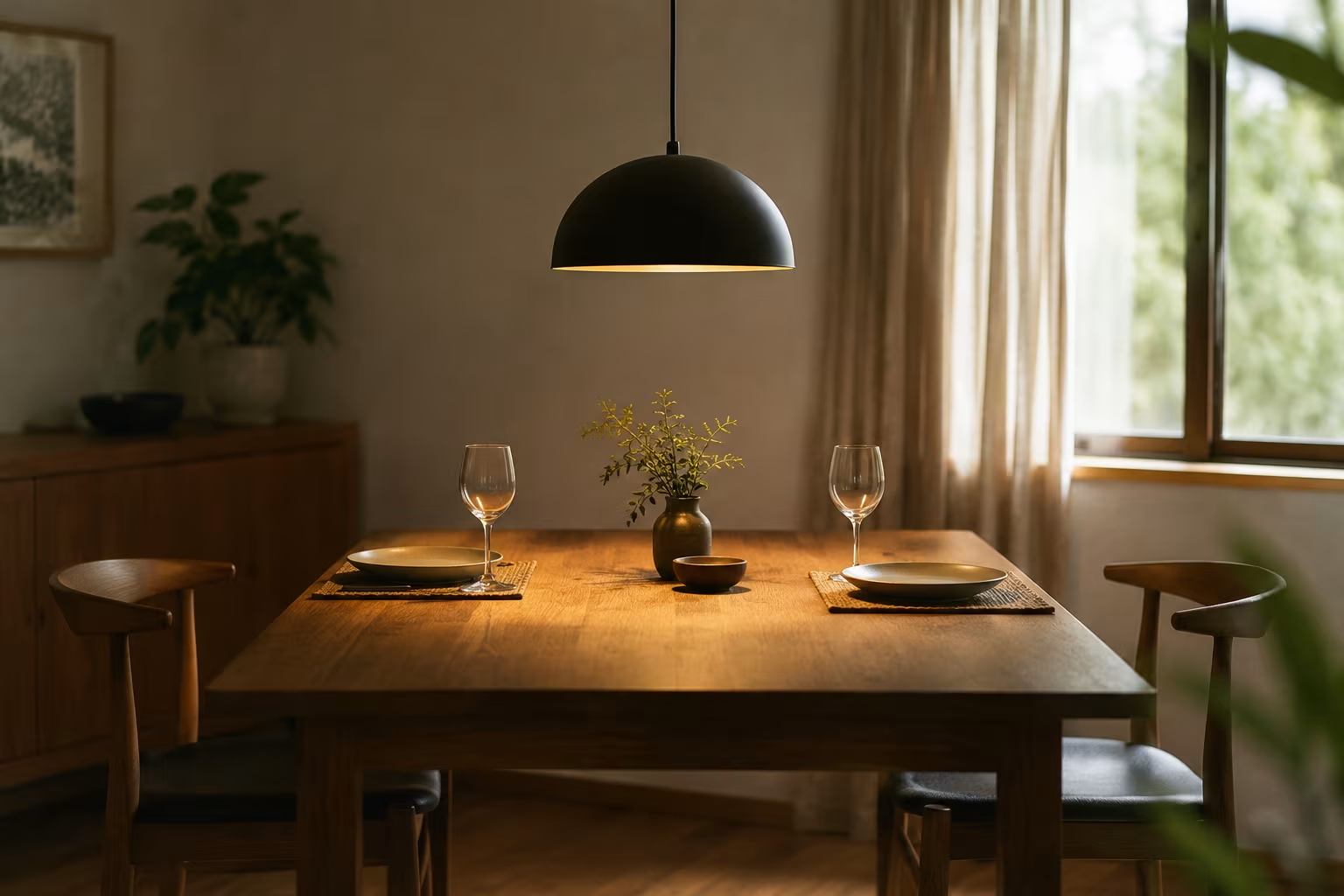
Light Fixture Height Over Dining Table: The Rule
The right pendant light height over a dining table is calculated, not guessed. The standard...

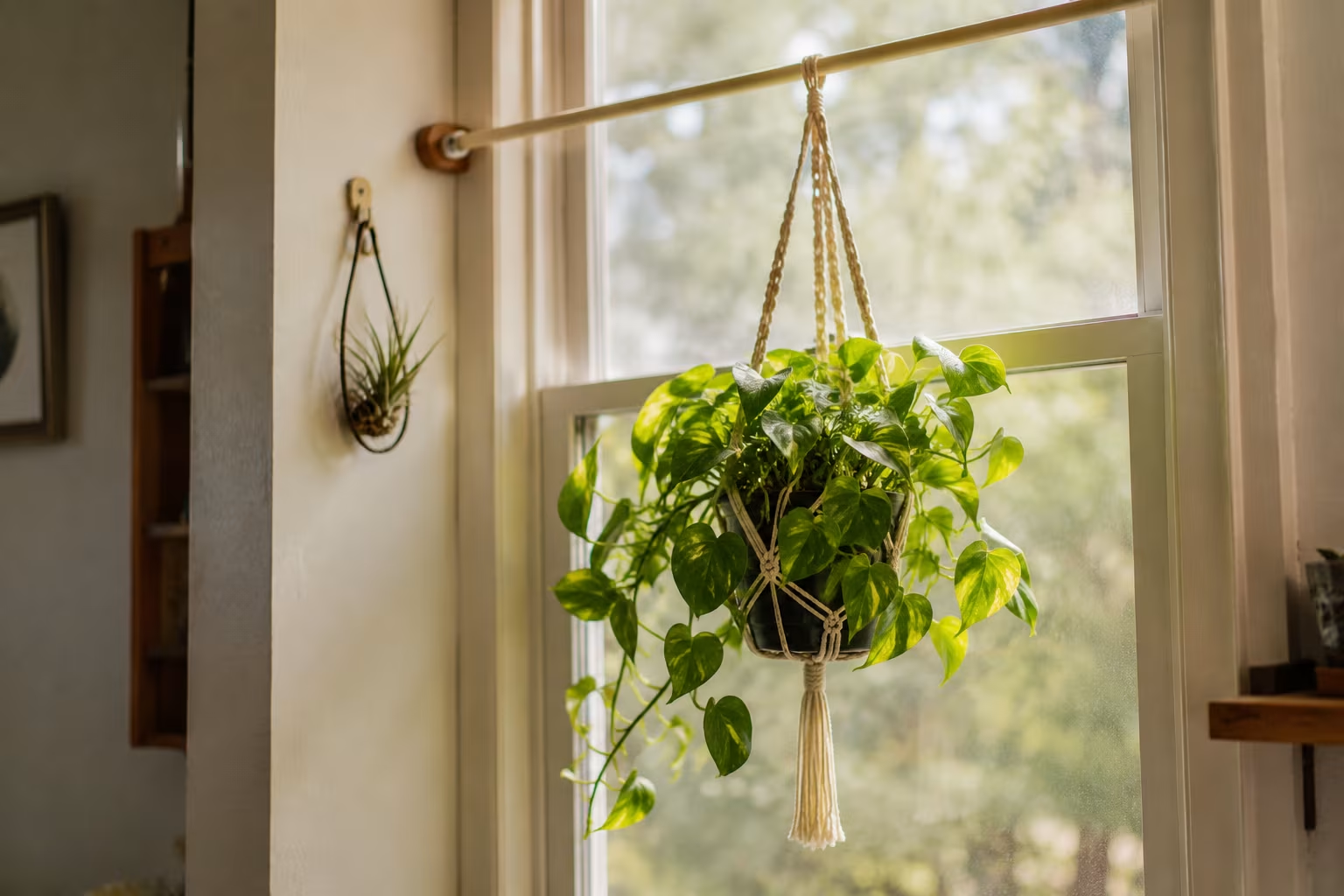
Hanging Plants Without Ceiling Hooks for Renters
Hanging plants brighten any room but drilling into the ceiling isn't always an option....
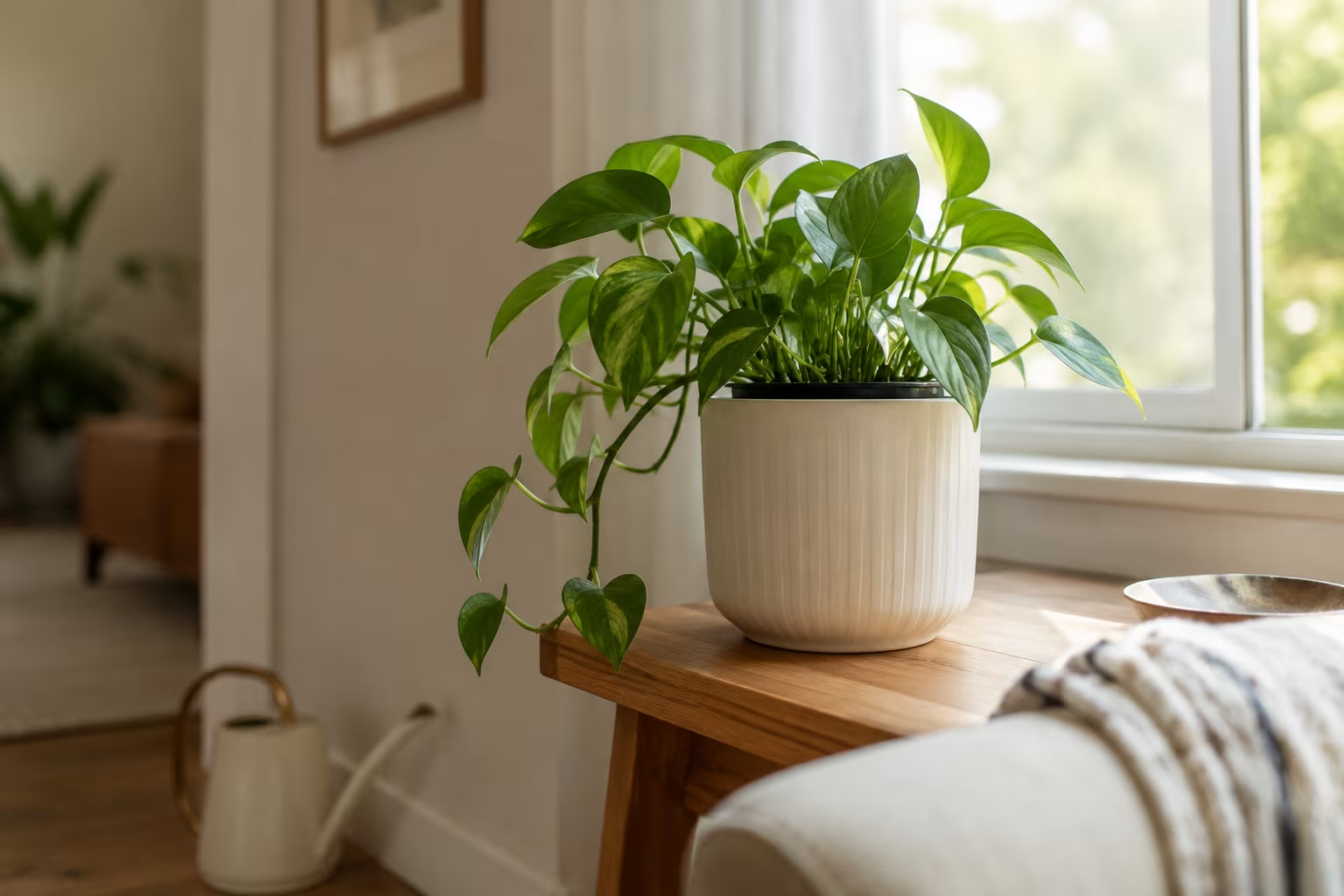
Indoor Plant Pot with No Drainage Hole: How to Make It Work
A no-drainage pot rots roots fast. Use the double-pot method, skip the gravel myth, pick...
Hide TV Cable Clutter Renter-Safe Without Drilling
Hide a wall-mounted TV's cables without drilling: a paintable adhesive raceway to the outlet, a...
Comments
No comments yet. Be the first to share your thoughts!