
The Art of Creating a Curated Vignette on Any Flat Surface
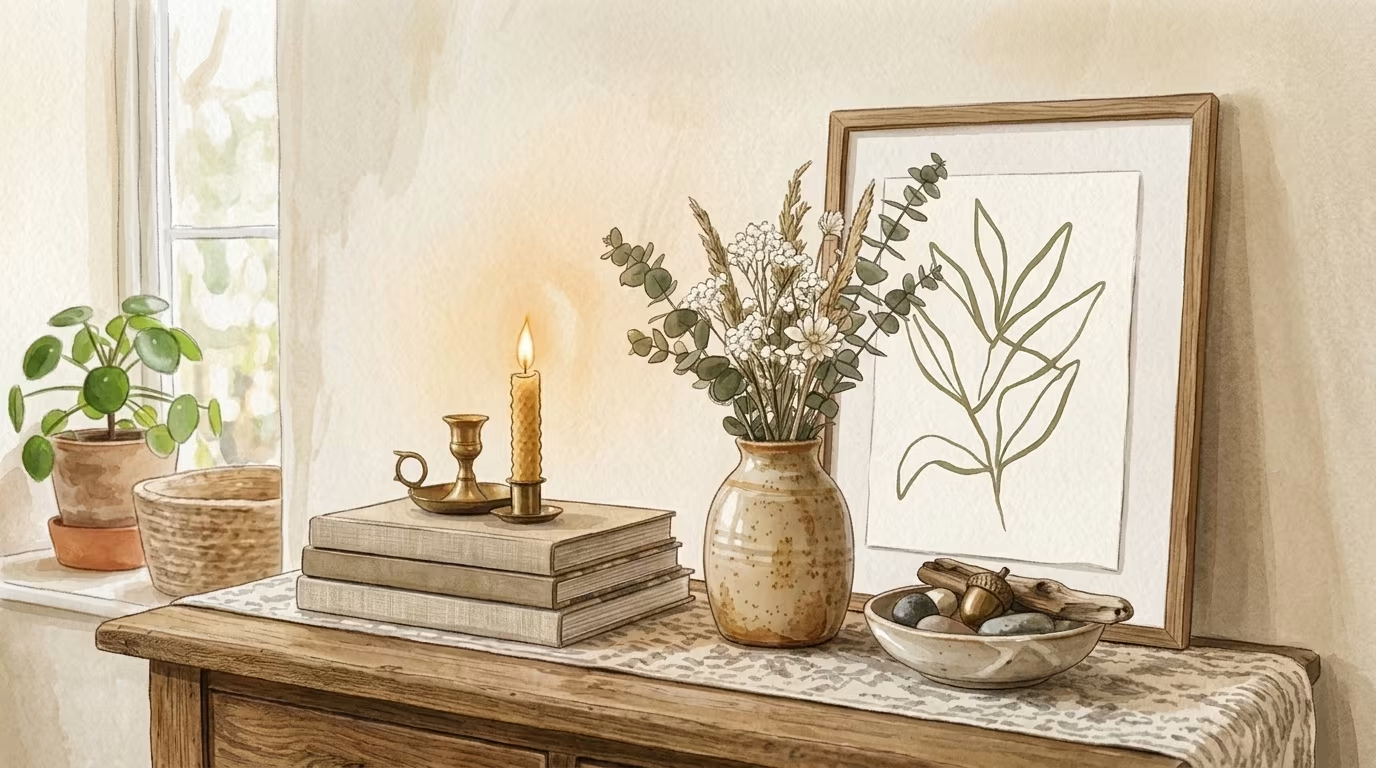
A vignette is a small, deliberate grouping of objects arranged to read as a single composition rather than a pile of loose items. Interior stylists use them to give entry tables, mantels, bookshelves, and nightstands a finished look, and the method is simple enough to apply to any flat surface in an afternoon. The idea borrows directly from the language of the still life composition: a few chosen objects, balanced against each other, that hold the eye.
The three variables that make a vignette work
Almost every arrangement that looks intentional is controlling three things at once: height, texture, and color. Get those into a comfortable range and the grouping reads as designed rather than accidental.
Vary the height
This is the single most important rule. When every object sits at the same level, the eye has nowhere to travel and the display looks flat. Aim for a clear tall element (a vase or lamp in the 12 to 18 inch range), a medium element (a stack of two or three books, roughly 3 inches tall), and a low element (a small bowl, box, or candle). The stair-step of heights is what creates movement.
Mix textures
Pair a smooth glazed ceramic against rough raw wood, or a matte stoneware bowl beside a piece of polished brass. A single fuzzy or woven element (a folded linen runner, a small woven tray) softens all the hard surfaces around it. Two or three distinct textures is enough; more than that starts to feel busy.
Keep a tight color palette
Nothing has to match exactly, but the group should share a limited range. Two or three colors that sit near each other on the wheel, plus one neutral, will read as calm and cohesive. A single accent color repeated in two spots ties the whole cluster together and stops it from looking random.
Building a vignette step by step
Once the three variables make sense, the actual assembly takes about 20 to 30 minutes. Work in this order rather than placing everything at once.
- Clear the surface completely. Take everything off, wipe it down, and start from empty. Put back only the functional items that genuinely need to live there, such as a small dish for keys.
- Choose an anchor. Pick one object that holds the eye first: a framed print, a tall vase, or a sculptural piece. It sets the scale for everything else and does not need to be expensive. Thrift-store finds in the $1 to $5 range work fine as anchors.
- Layer in supporting pieces. Add a medium element beside or slightly overlapping the anchor, then a low element in front. Overlapping objects a little makes the group feel connected instead of lined up like a shelf display in a store.
- Group in odd numbers. Clusters of three, five, or seven tend to feel more balanced than pairs or perfect symmetry. If a grouping feels stiff, adding or removing one item usually fixes it.
- Add something living. A small plant, a single eucalyptus stem in a bud vase, or a low succulent introduces an organic line that breaks up the hard edges of everything else. Even a 3-inch potted plant changes the feel of the whole cluster.
- Step back and edit. View it from across the room and from the angle you actually walk past it. Remove anything that crowds the group or repeats another item too closely. Editing down is almost always what turns a decent arrangement into a good one.
Common mistakes and how to fix them
Most vignettes fail for one of three reasons, and each has a quick correction.
Too many objects. Crowding is the most frequent problem. If the surface feels noisy, pull one third of the items off and see whether you miss them. Usually you will not.
Everything too matched. When every piece is the same color and material, the result looks sterile rather than styled. Introduce one contrasting texture or one different finish to break the sameness.
Ignoring scale. A tiny object stranded on a large console looks lost, and an oversized piece jammed onto a narrow shelf looks cramped. Match the visual weight of your objects to the surface they sit on, and use a stack of books or a small riser to lift undersized pieces when needed.
Questions people ask
I do not own any decorative objects. What can I use?
Look at what you already have: books stacked or standing, a wooden tray, a ceramic bowl, candles, small framed photos, or a single potted plant. Thrift stores and secondhand shops are reliable sources for inexpensive vases, bowls, and small sculptures.
What about functional items I need within reach?
Fold them into the arrangement rather than hiding them. A shallow bowl for keys, a lidded box for mail, or a small tray to corral remotes can all become part of the composition when they are chosen to fit the palette.
How often should I change it?
There is no rule, but many people refresh seasonal surfaces every few months by swapping the plant, the color of a single object, or the framed art. Once the underlying structure is set, changing one element updates the whole display in minutes.
Start with one surface you pass every day, such as an entry table or a nightstand, and apply the height-texture-color check to whatever you already own before buying anything. Getting a single small grouping right teaches the pattern, and the same three-variable approach then scales up to a mantel, a bookshelf, or an entire wall of open shelving. For broader context on how these principles fit into a room as a whole, the field of interior design fundamentals covers the balance, scale, and proportion ideas that a vignette applies in miniature.
The proportions, in numbers:
| Element | Size / cost | Role |
|---|---|---|
| Tall anchor | 12–18 inches (vase, lamp) | sets the vignette's ceiling |
| Medium layer | a stack of 2–3 books | bridges tall and low pieces |
| Small accent | even a 3-inch potted plant | changes the feel of the whole cluster |
| Anchor budget | $1–$5 thrifted | assembly takes 20–30 minutes |
Related Posts
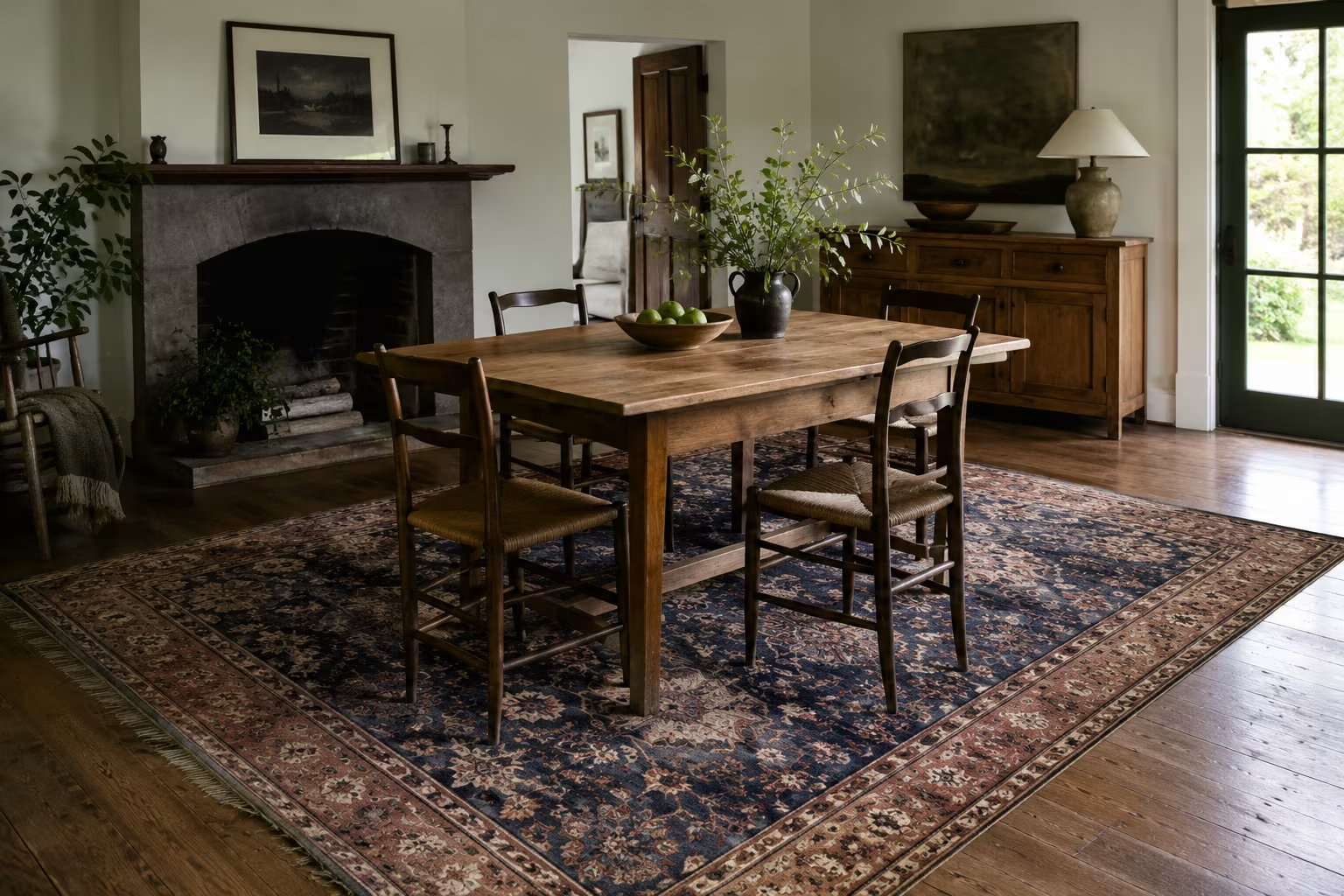
Area Rug Size Under Dining Table
A rug too small under dining table looks like a mistake. Chairs must stay on rug when pulled out.

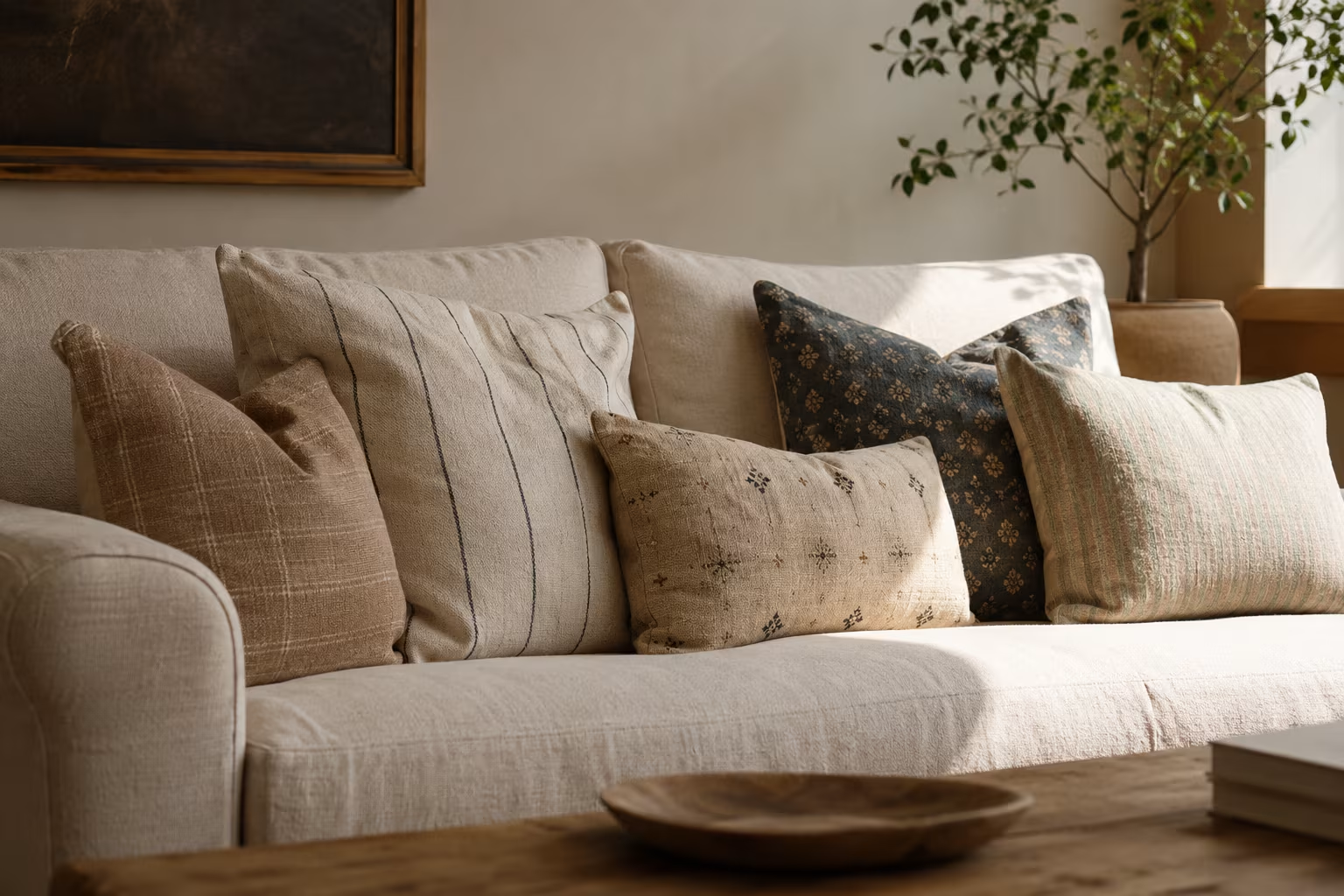
Sofa Pillow Combinations That Don't Fight
Throw pillows pile up over years. Rules for color, texture, pattern, and size.
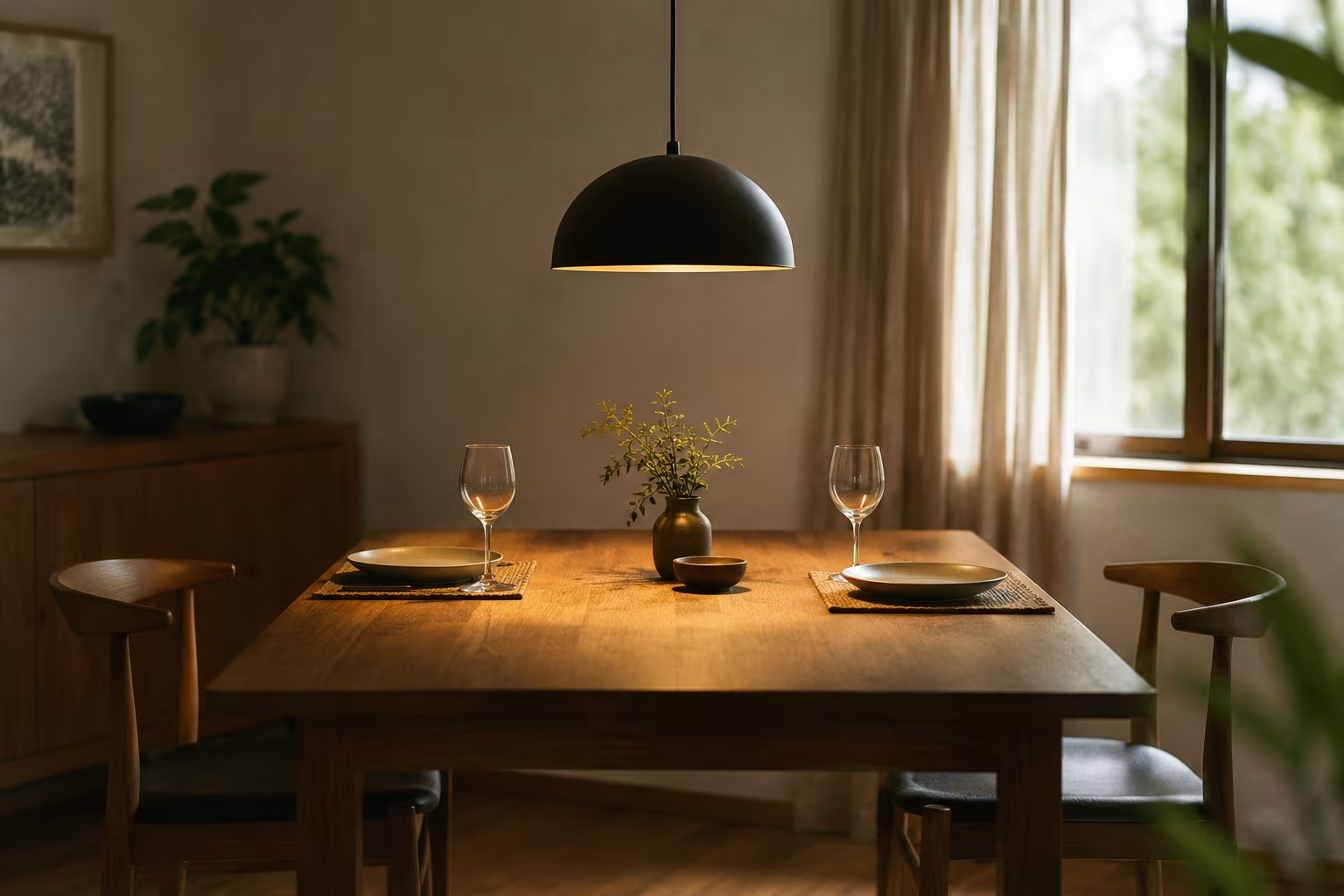
Light Fixture Height Over Dining Table: The Rule
The right pendant light height over a dining table is calculated, not guessed. The standard...
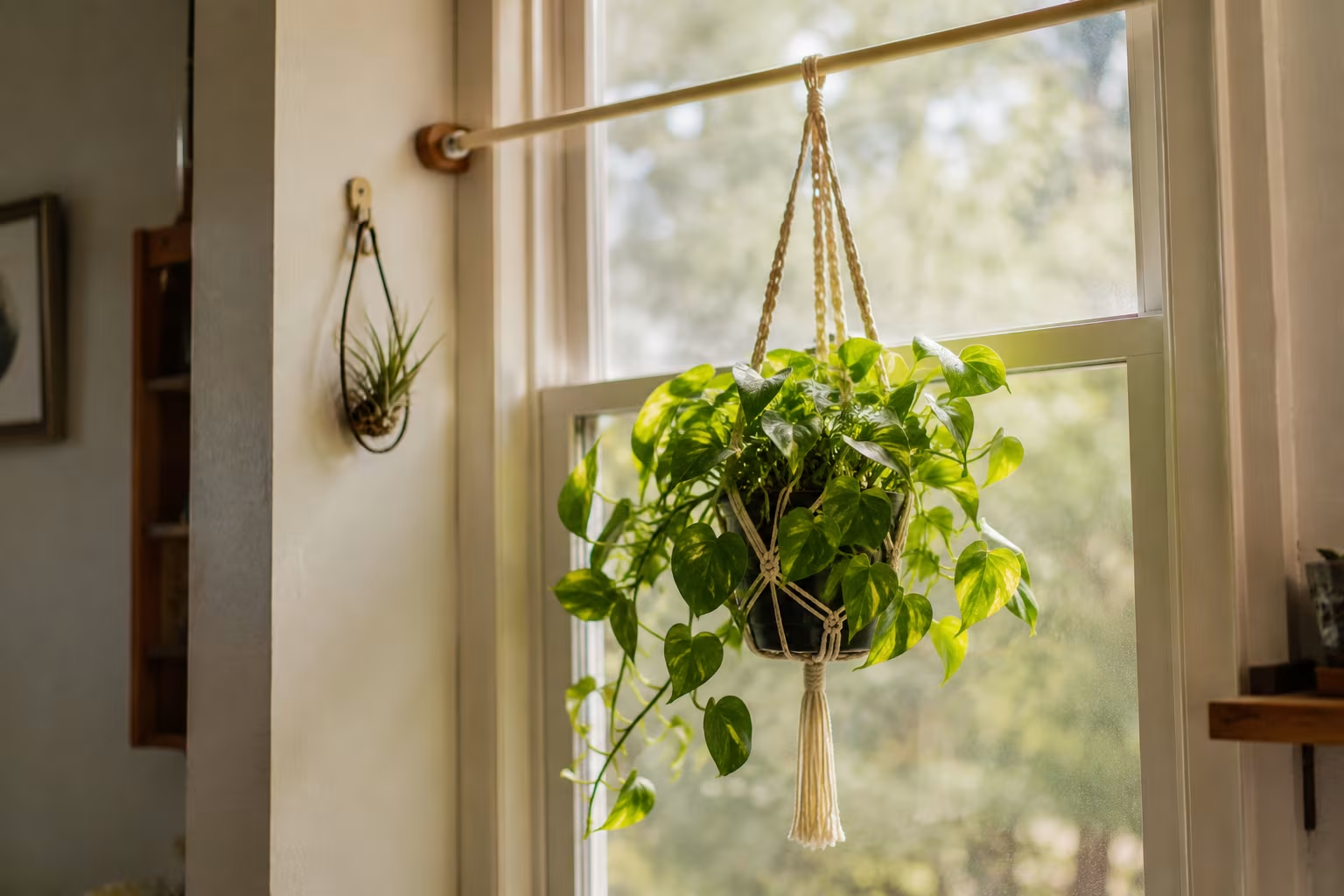
Hanging Plants Without Ceiling Hooks for Renters
Hanging plants brighten any room but drilling into the ceiling isn't always an option....
Comments
No comments yet. Be the first to share your thoughts!