
Why Raised Bed Gardens with Hugelkultur Bottoms Need Less Watering
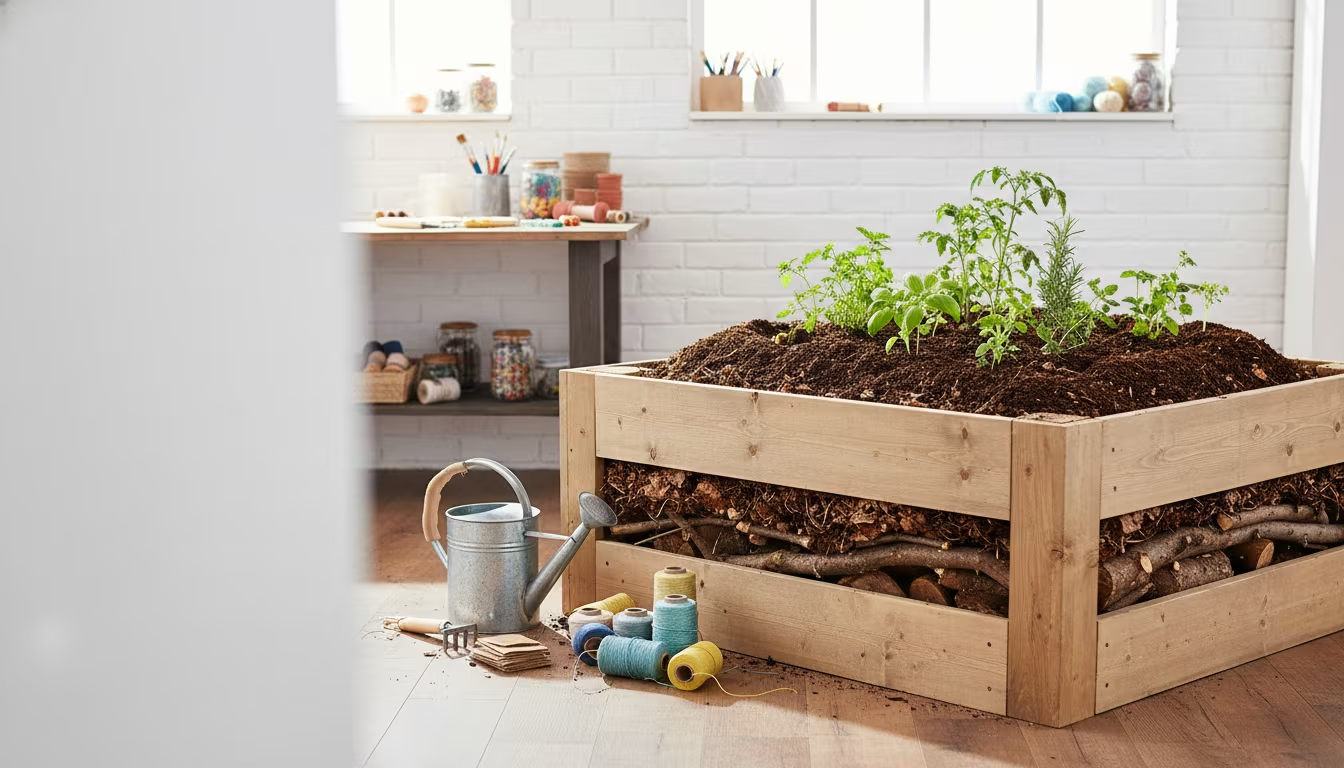
A raised bed built on a hugelkultur base needs far less watering than one filled with soil alone, because the buried wood acts as a slow-release reservoir. Hugelkultur — German for "hill culture" — means building soil on top of decomposing logs and branches. As that wood rots it turns porous and sponge-like, absorbing rain and irrigation water and releasing it back to plant roots over weeks. In a hot, dry summer the difference can be the gap between watering daily and watering once or twice a week.
How Buried Wood Retains Water
Fresh wood is dense and holds little water, which is why a hugelkultur bed underperforms in its first season and improves after that. As fungi and bacteria break the wood down, it develops an open, fibrous structure riddled with tiny cavities. Those cavities wick and hold moisture the way a kitchen sponge does, then surrender it slowly as the surrounding soil dries. The larger the logs, the longer this reservoir lasts — thick pieces can keep contributing for 5 to 10 years before they fully compost.
The same decomposition that stores water also feeds the bed. Rotting wood releases carbon and nutrients that support soil microbes and fungi, and those organisms make nutrients available to your plants. Over a few seasons a hugelkultur bed typically needs less added fertilizer, because the base is doing part of the work. The layered wood and organic matter also resist compaction, keeping the root zone loose so roots spread and reach water more easily. University extension programs cover the same soil-building principles in their yard and garden guides.
Choosing the Right Wood
The single most important rule is to use only natural, untreated wood. Pressure-treated lumber from old decks or fences can contain copper, arsenic, or other preservatives that leach into soil and are taken up by edible plants — never put it in a vegetable bed. If you are unsure whether a piece is treated, leave it out. If you are also debating what to build the bed frame itself from, the trade-offs between pressure-treated versus cedar raised beds are worth reading before you buy.
Freshly cut logs and branches are fine and actually decompose faster than seasoned wood. Hardwoods like oak and maple last longest; softer woods break down sooner but enrich the soil quicker. Good sources include storm-fallen limbs, tree-trimming waste, brush-pickup piles, and untreated scrap. Avoid allelopathic woods such as black walnut, which release compounds that suppress plant growth.
Building the Bed Layer by Layer
Hugelkultur is a layering method: coarsest material at the bottom, finest at the top. Work through the layers in order so the finished bed drains and settles evenly.
| Layer (bottom to top) | Material | Approx. depth | Purpose |
|---|---|---|---|
| 1 — Core | Logs, thick branches, stumps | 8–12 in | Long-term water reservoir |
| 2 — Fill | Small twigs, woody debris | 3–4 in | Bridges gaps, adds surface area |
| 3 — Nitrogen | Grass clippings, leaves, kitchen scraps, compost | 3–4 in | Speeds decomposition of the wood |
| 4 — Growing medium | Raised-bed or garden soil mix | 6–8 in min | Root zone for planting |
Pack the log layer reasonably tight but do not crush it — the wood needs air gaps to decompose. Overfill the lower layers slightly, because the whole bed will settle noticeably as the wood collapses. The top soil layer must be at least 6 to 8 inches deep so roots have room before they reach the coarser material below. Water each layer as you build so the wood starts absorbing moisture immediately rather than wicking it away from your first plantings, and mound the top slightly higher in the center — a gentle crown of a few inches gives you more planting surface and sheds excess rain toward the edges.
First-Season Planting and the Nitrogen Dip
The one predictable quirk of a new hugelkultur bed is a first-year nitrogen dip. As soil microbes work to break down the fresh wood, they draw nitrogen from the surrounding soil, which can leave heavy feeders looking pale and stunted. The fix is simple: in year one, either add extra nitrogen-rich amendments (blood meal, composted manure, or grass clippings worked into the top layer) or plant crops that are not nitrogen-hungry. Beans, peas, and other legumes fix their own nitrogen and do well the first season; root crops like carrots, beets, and radishes and leafy tolerant greens also cope. Save nitrogen-demanding plants such as tomatoes, corn, squash, and brassicas for year two, once the wood has started composting and the balance tips back in your favor.
From the second season on the pattern reverses. The decomposing wood begins releasing nitrogen and other nutrients back into the root zone, so beds that struggled in year one often outperform conventional beds afterward with less fertilizer input. This front-loaded cost, back-loaded reward is the trade every hugelkultur gardener makes.
Retrofitting an Existing Bed
You do not need to start over to get the benefit. Dig the soil out of an existing raised bed, lay logs and woody debris across the bottom, then backfill with the soil you removed and top up with fresh mix. It is more work than building new because you are excavating, but it delivers the same moisture savings. This approach worked well when converting a small balcony herb garden setup into an in-ground bed, cutting the watering frequency in half.
Common Mistakes to Avoid
- Using treated wood. The cardinal error. Preservative chemicals migrate into soil and edible crops. Stick to natural, untreated logs and branches.
- Not enough wood. The water-holding effect comes from the wood core. A thin scattering of branches under mostly soil will not build a reservoir — you need a substantial 8-to-12-inch log layer.
- Over-compacting. Smashing the wood down eliminates the air pockets that decomposition and water storage depend on. Arrange logs naturally and let the bed settle on its own.
- Skimping on top soil. Less than 6 inches of growing medium leaves roots stranded in coarse woody material that has not yet broken down. Keep the top layer generous.
What to Expect Over Time
A new hugelkultur bed settles immediately as the wood absorbs its first water, with the most significant drop over the first 6 to 12 months as decomposition accelerates. Plan to top off with more soil after the initial season — a bed that has sunk a few inches after a year is a sign the process is working, not failing. How long the water-holding benefit lasts scales with the size of the wood you buried: fist-thick branches may be largely composted in 3 to 5 years, while whole logs keep contributing moisture and nutrients for 5 to 10 years or more, longer in cool damp climates and shorter where heat speeds decomposition. Hugelkultur suits in-ground and deep raised beds; it is not practical for small pots, which lack the depth to build a meaningful wood core.
When you plan your next bed, start the wood core with whatever untreated logs and branches you already have on hand, size the frame at least 12 inches deep to fit the layers, and expect the first summer to be ordinary and every summer after that to be noticeably less thirsty.
Related Posts
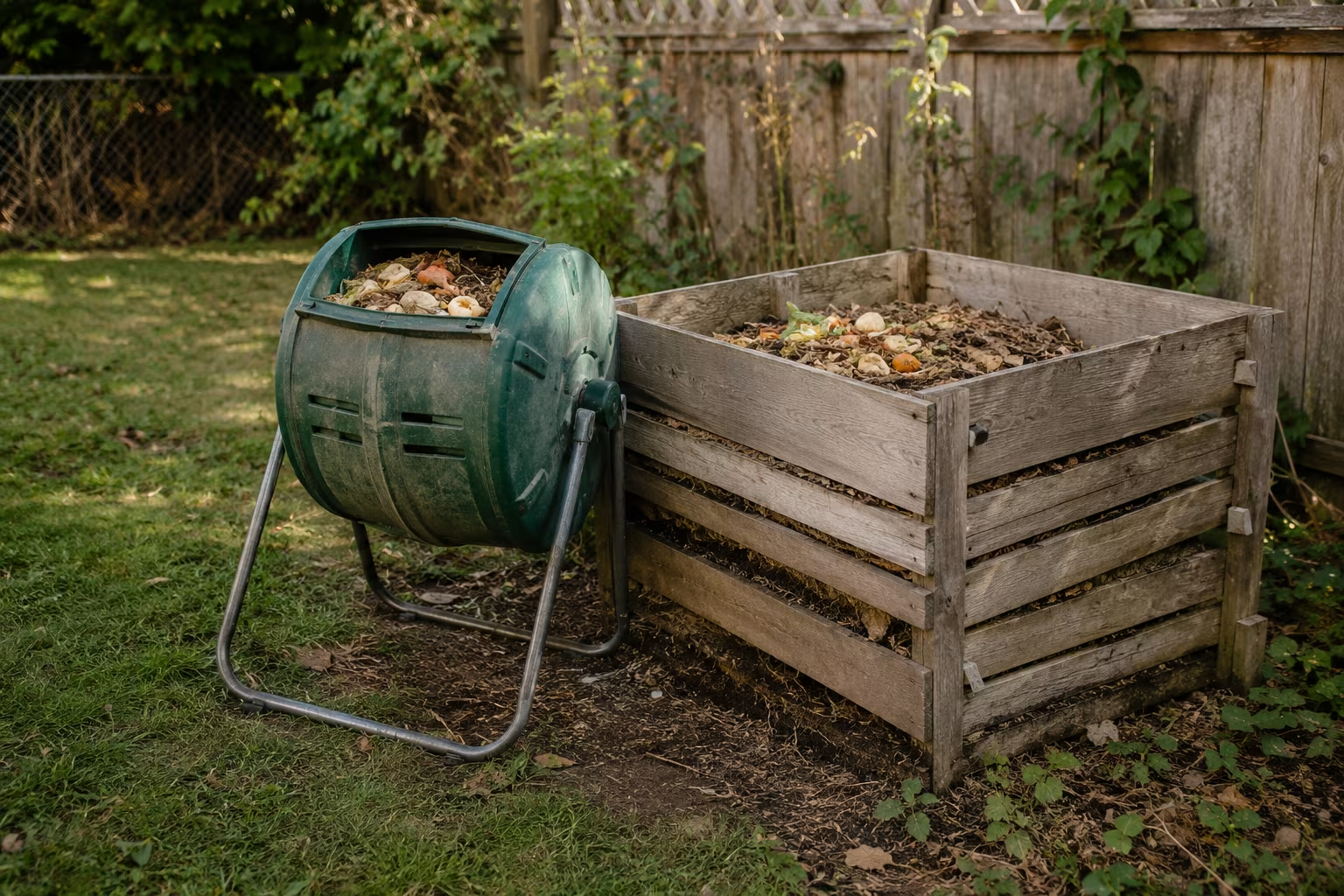
Compost Tumbler vs Static Bin: Which to Choose
Both composters work but they suit different households. Tumbler for speed and pest control...

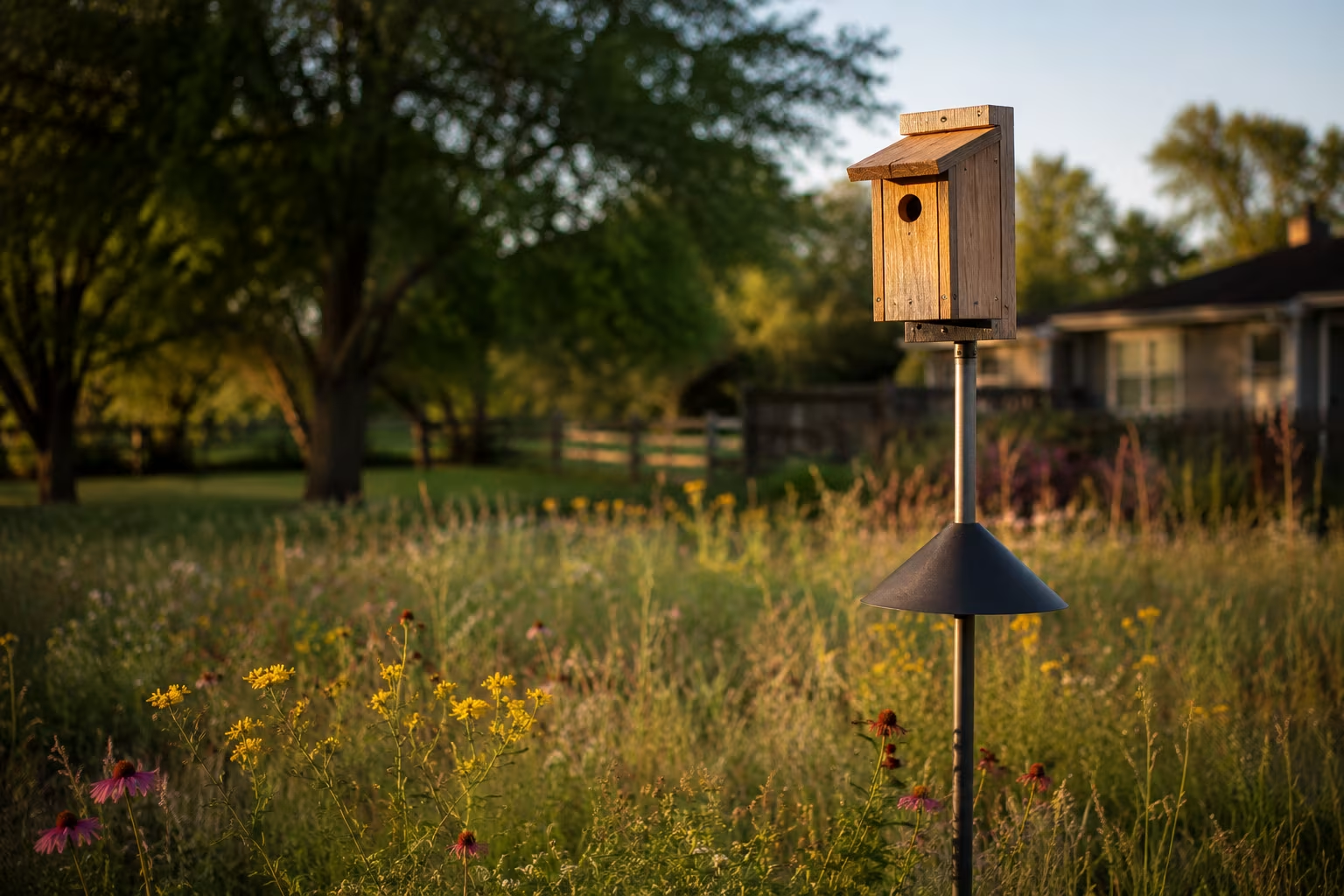
Backyard Birdhouse Placement for Songbirds
A birdhouse in the wrong spot stays empty for years. Height, direction, distance from cover, and...
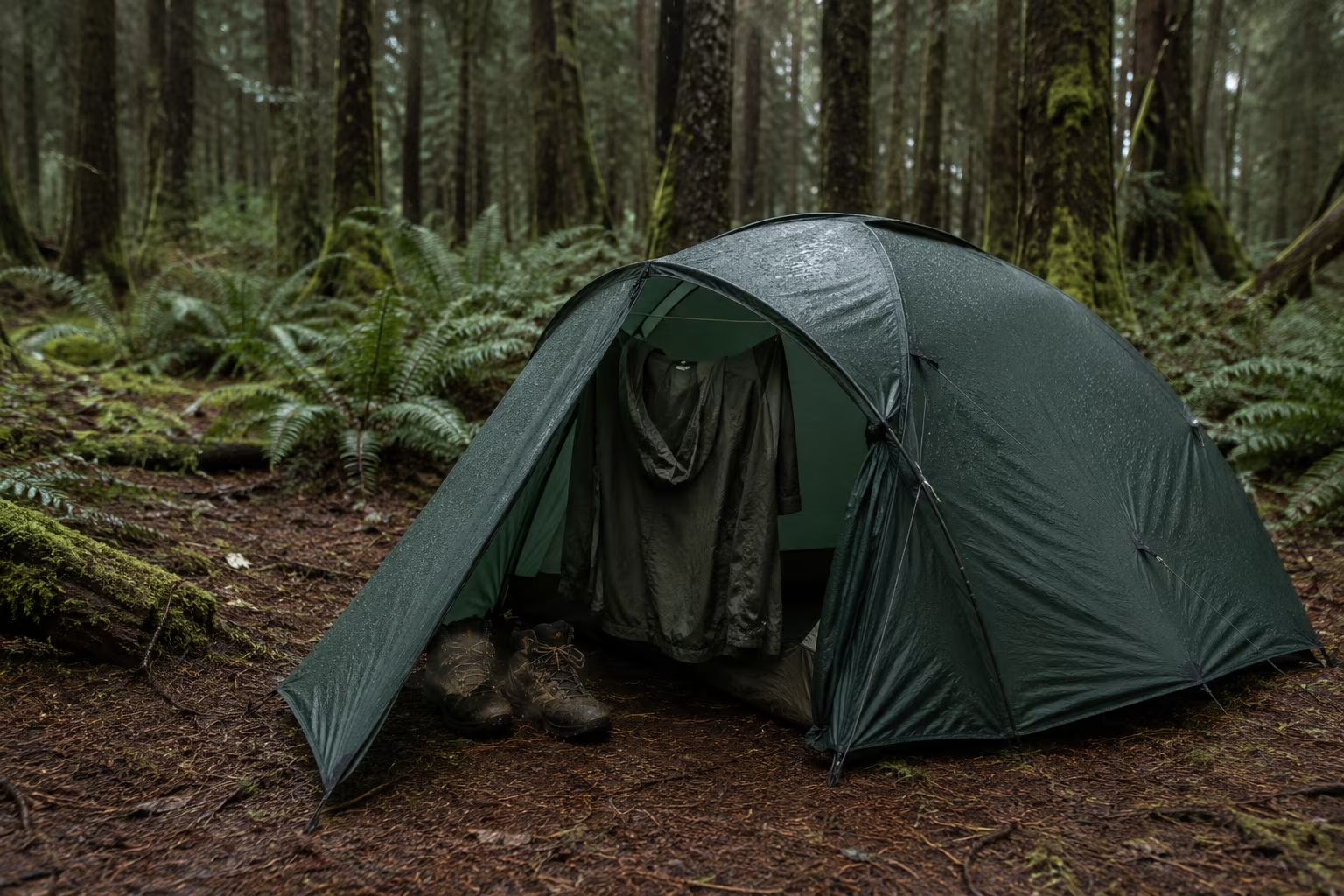
Wet-Climate Tent Camping: The Layering That Stays Dry
Three-season tents in wet climates fail predictably without the right layering. The footprint...
Small-Yard Composting Without Smell or Pests Attracting
Tight backyard, no room for a sprawling pile. The tumbler setup that turns kitchen scraps into...
Comments
No comments yet. Be the first to share your thoughts!