DIY

Why Wainscoting Panels Make Plain Hallways Look High-End
Why Wainscoting Panels Make Plain Hallways Look High-End

Why Wainscoting Panels Make Plain Hallways Look High-End

Okay, confession time. My hallway used to be… well, just a hallway. White walls, maybe a sad little picture frame, nothing exciting. It felt like the beige sweater of rooms. You know that feeling? When you walk into a space and it's just… there?

I'd always admired those fancy homes with that classic, paneled look on the walls, thinking it was out of my league. But after one too many walks down my boring stretch of wall, I decided to see if I could bring a little of that high-end vibe into my own place. And guess what? It's totally doable, even for us regular folks!

Why This Actually Matters

It might sound like a small thing, but adding wainscoting panels can seriously elevate your home's aesthetic without costing a fortune. It adds architectural detail, texture, and a sense of polish that plain walls just can't compete with. Think of it as giving your walls a chic makeover.

Before I tackled this, my entryway felt like a forgotten space. Now, it has character and warmth, making guests feel welcome the moment they step inside. It’s the kind of upgrade that makes a big impact for a relatively small investment.

What Exactly Is Wainscoting?

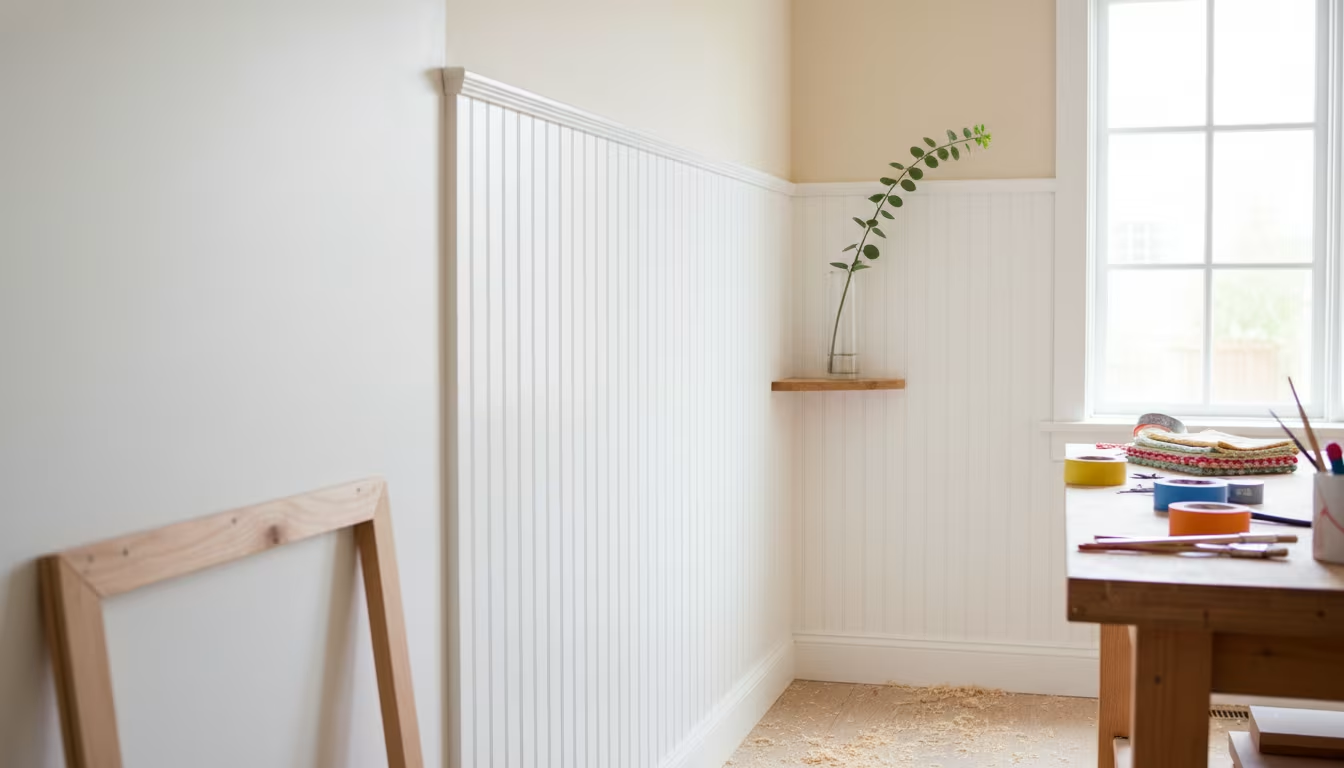
At its core, wainscoting is a type of decorative wood paneling applied to the lower portion of walls. It's not just one style, either. It’s an umbrella term for several different looks, from simple beadboard to more intricate raised-panel designs.

Historically, it was used to add insulation and protect walls from damage. Nowadays, it’s mostly about bringing style and sophistication to a room. It breaks up large, blank wall spaces and adds visual interest, making a room feel more intentional and designed.

Types of Wainscoting Styles

When you’re thinking about wainscoting, you’re probably picturing a few different things. There’s beadboard, which is super popular and has a rustic, casual feel with its vertical grooves. Then there's flat panel, which is exactly what it sounds like – simple, flat panels that offer a clean, modern look.

Raised panel wainscoting is more traditional and formal, with the panels themselves being raised from the surface. Shaker-style wainscoting is a great middle-ground, featuring clean lines and recessed panels that feel both classic and contemporary. The best part? You can often achieve these looks with simpler, more budget-friendly materials!

The "Lower Portion" Rule

Traditionally, wainscoting goes up to about chair-rail height, which is roughly 32 to 36 inches from the floor. This classic look creates a natural visual break on the wall. It’s a tried-and-true formula that has stood the test of time.

However, rules are meant to be bent, right? You can go higher, almost to the ceiling if you want a dramatic effect, or lower for a more subtle detail. Experimenting with the height can really change the feel of the room. For my hallway, I stuck to the traditional height because it felt right for the space.

Why This Actually Matters for Your Home

Let's be honest, most of us aren't living in grand estates. We're working with regular homes that sometimes feel a little… uninspired. My hallway, for example, was just a pass-through. It didn't add anything to the overall feel of my house.

Adding wainscoting instantly makes those utilitarian spaces feel more like a deliberate part of the home's design. It adds character, dimension, and a touch of timeless elegance that can make even the most basic hallway feel intentional and high-end.

The Illusion of Space and Value

It’s funny how details can change a room. Wainscoting can make a narrow hallway feel wider and more substantial. It adds depth and visual interest that draws the eye, making the space feel more thought-out and, dare I say, more valuable.

When I look at my hallway now, it doesn’t feel like just a path to another room. It feels like a destination, a small but impactful moment in my home’s design story. It’s the kind of subtle upgrade that real estate agents talk about – adding perceived value through smart design choices.

Budget-Friendly Impact

This is where it gets exciting for us DIYers. You don't need to hire an expensive contractor or use fancy, imported wood to get a beautiful wainscoting effect. There are so many ways to achieve this look on a budget, making it an accessible upgrade for almost anyone.

I’m talking about using readily available materials, sometimes even repurposing things you find! My goal was to spend under $100 for my hallway, and I managed to do it. It just took a little planning and a willingness to get my hands a bit dirty.

How to Actually Do It: My Hallway Project

So, you’re sold on the idea. Now what? The good news is, it’s not as complicated as it might seem. I decided to go with a simple beadboard look for my hallway, using MDF panels and some basic trim. It was my first time doing anything like this, and I definitely learned a lot along the way.

My biggest hurdle was just getting started. Staring at the wall, wondering where to cut, where to place things… it’s overwhelming! But breaking it down into steps made it manageable. And yes, there were a few moments of doubt, but pushing through was so worth it.

Step 1: Planning and Measuring

This is probably the most important step, and it’s tempting to skip it. Don’t! Measure your walls carefully. Decide on the height you want your wainscoting to be. For my hallway, I decided on 32 inches, which is a standard chair-rail height.

Then, you need to figure out how many panels you’ll need. I opted for 4-foot-wide MDF beadboard panels because they covered a good chunk of the wall quickly. I also calculated the trim pieces needed for the top (a simple cap rail) and the baseboard if I was replacing it. Always buy a little extra – you never know when a mistake might happen!

Step 2: Preparing the Wall

Before you start attaching anything, make sure your walls are clean and smooth. Fill any holes or imperfections and give them a light sanding. If you’re painting, it’s often easier to paint the walls below your wainscoting line before you install the panels, especially if you’re using beadboard.

I painted my walls a nice, deep blue. It’s amazing how much color can transform a space, even before the panels go up. This step ensures that no matter what, the wall behind the wainscoting will look finished. It’s a little extra work upfront, but it pays off in the long run.

Step 3: Cutting and Fitting the Panels

Now for the satisfying part – cutting! I used a circular saw for the large MDF panels. You’ll want to measure twice and cut once, seriously. Make sure your cuts are straight, especially if you’re using a straight beadboard panel. If you’re using individual trim pieces for a different style, you’ll need to measure and cut those carefully as well.

Don't be discouraged if your first cuts aren't perfect. I definitely had to trim a few pieces down more than I intended. The key is to test-fit each piece as you go. You want a snug fit against the existing baseboards and a clean line where it meets the wall.

Step 4: Attaching the Panels

This is where the magic starts to happen. I used a combination of construction adhesive and a nail gun to attach the MDF panels. Apply a bead of adhesive to the back of the panel, then press it firmly onto the wall. Use your nail gun to secure it along the top and bottom edges, and anywhere in between if it feels necessary.

If you don’t have a nail gun, you can use finishing nails and a hammer, but it’s more work and you’ll have more holes to fill later. Make sure the panels are plumb (straight up and down) as you attach them. A level is your best friend here!

Step 5: Adding the Top Trim

Once the panels are up, it’s time for the cap rail – that’s the trim piece that sits on top of the panels to give it a finished edge. I used a simple piece of 1x3 pine trim for this. Again, measure carefully and cut your pieces to fit the length of your walls, including any corners.

Nail this trim piece securely into the studs behind the panels. If you’re working with a long wall, you might need to join pieces of trim together. Try to stagger these seams so they aren’t all in the same place. A miter saw is super helpful for getting clean, professional-looking corner joints.

Step 6: Sealing and Filling

This is where you disguise all those nail holes and seams. Use a good quality wood filler or spackle to fill every single nail hole. Let it dry completely according to the product instructions, then sand it smooth. You want that surface to be perfectly flat and seamless.

If you’re using MDF or beadboard panels that aren’t pre-primed, you’ll want to prime everything now. This ensures an even finish when you paint. Pay special attention to the seams between panels and where the trim meets the wall.

Step 7: The Grand Finale – Painting!

Now for the best part! Apply your top coat of paint. I chose a semi-gloss finish because it’s durable and easy to clean, which is perfect for a high-traffic area like a hallway. Two coats are usually recommended for a smooth, even finish.

Take your time with the painting. Use a good quality brush for the trim and edges. Watching the plain panels transform into a beautiful, finished feature is so incredibly satisfying. It really makes the whole project come to life.

Making It Stick: Common Mistakes and How to Avoid Them

Even with the best intentions, DIY projects can hit a few snags. Wainscoting is no exception. The most common issues I see (and have made myself!) often come down to rushing or not planning properly.

One big mistake is not accounting for uneven walls or floors. If your baseboards aren’t perfectly straight, your panels might look a little wonky if you just butt them up against them. Taking the time to assess these imperfections beforehand can save you a lot of frustration.

Don't let perfect be the enemy of good, but do let planning be the friend of a finished project.

Mistake 1: Skimping on Measurements

I touched on this, but it’s worth repeating. Measuring incorrectly or not buying enough material is the fastest way to halt your progress and increase your budget. Always double-check your numbers before you cut or buy.

When I first started, I always underestimated how much trim I’d need. Now, I add at least 10% to my calculations for any trim work. It’s better to have a little leftover than to have to run back to the store mid-project.

Mistake 2: Not Using a Level

Gravity is real, and so are crooked lines. If your panels aren’t installed plumb and level, the whole thing will look off. It’s like wearing a shirt that’s tucked in on one side – it just feels wrong.

Invest in a good level, and use it often. Check that your panels are straight vertically as you attach them, and ensure your top trim is perfectly level. This step is non-negotiable for a professional look.

Mistake 3: Forgetting About Obstacles

Outlets, light switches, vents – these are all things that can mess with your clean panel lines. You need to plan for these ahead of time. Sometimes you can cut around them, other times you might need to relocate them (which is a bigger job!).

For my hallway, I had to cut out small sections for the light switch cover. It’s fiddly work, but necessary. Measure twice, cut carefully, and test the fit before you commit.

Mistake 4: Inadequate Filling and Sanding

Those nail holes and seams? If you don’t fill and sand them properly, they’ll be glaringly obvious once you paint. A rough finish is the biggest giveaway that this is a DIY project.

Take your time with the wood filler. Apply it generously, let it dry fully, and then sand until it’s completely smooth. You should be able to run your hand over it and not feel any bumps or edges.

Mistake 5: Rushing the Paint Job

This is the final step, and it’s where you can either seal the deal on a great project or reveal all the imperfections. Applying paint too thinly, using a cheap brush, or not letting coats dry properly can all ruin the effect.

A good quality paint and brush make a huge difference. And patience! Let each coat dry completely before applying the next. Multiple thin coats are always better than one thick, drippy one.

Frequently Asked Questions

Can I install wainscoting over wallpaper?

Generally, no. It’s best to remove wallpaper before installing wainscoting for a smooth, secure finish. Wallpaper can be uneven and may not provide a stable surface for adhesives or nails.

What kind of wood is best for wainscoting?

For DIY projects, MDF panels and pine are very popular because they're affordable and easy to work with. If you're going for a higher-end look, you might consider hardwoods like oak or maple, but they're more expensive and harder to cut.

What if my walls aren't perfectly straight?

This is super common! Use a level religiously. You might need to shim behind some trim pieces to make them sit flush. Don't be afraid to fill gaps with caulk or trim pieces to create that illusion of perfection. It's all about making it look straight, even if the wall behind isn't.

How long does it typically take to install wainscoting?

For a hallway, if you’re comfortable with basic tools, it can take anywhere from a weekend to a few days. The actual installation of panels and trim might only take 8-12 hours of work, but you need to factor in drying times for filler, primer, and paint, plus any trips to the store.

Is wainscoting only for formal rooms?

Not at all! While it can certainly add formality, styles like beadboard or shaker panels can feel very casual and cozy. You can adapt the style and paint color to fit almost any aesthetic, from modern farmhouse to mid-century modern.

The Bottom Line

Wainscoting panels are a fantastic way to add architectural interest and a touch of sophistication to even the plainest of spaces, like my once-boring hallway. It’s a project that looks expensive but can be surprisingly budget-friendly when you DIY.

The key is careful planning, precise measurements, and taking your time with each step, especially the finishing. Don't be afraid to try it! Start with a small area, like a hallway or powder room, and see how much of a difference it makes. You might be surprised at what you can accomplish.

Written by

Laura Hayes

Maker and craft enthusiast from Portland, Oregon. I've been documenting my DIY journey since 2019 - everything from woodworking to paper crafts. When I'm not in my garage workshop, you'll find me hunting for supplies at thrift stores.

View all posts →