
How to Block a Knitted Wool Sweater Without Felting
The short answer
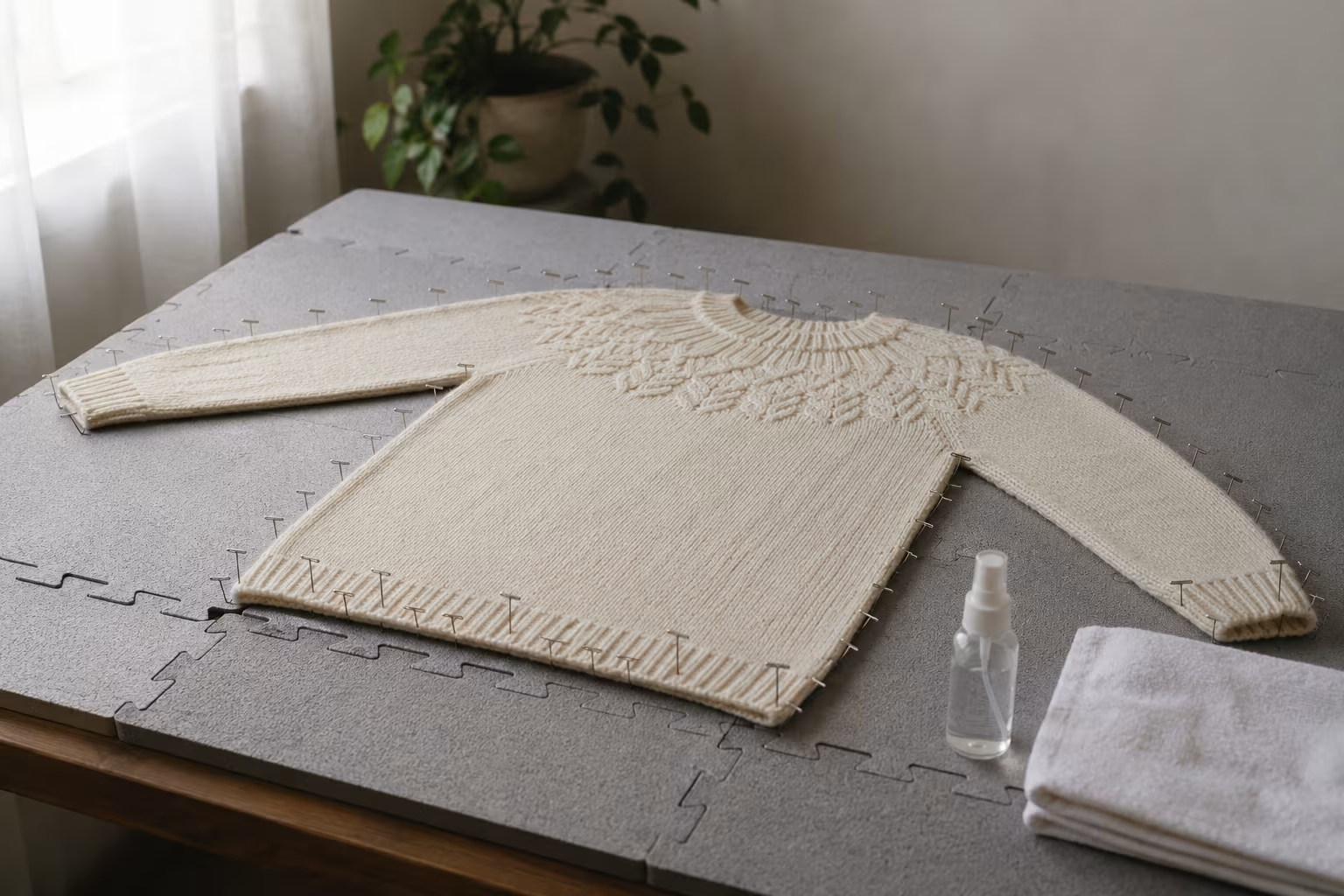
Felt forms when three things combine: heat, moisture, and agitation. Block wool with only one or two of those and you stay safe; combine all three and you get felt. The routine that respects this is simple: lukewarm water (never warm), no rubbing or wringing at any stage, and gentle pressure to remove water rather than squeezing. If you remember nothing else, keep the water under body temperature, keep your hands flat and still, lift the sweater by supporting its full weight from beneath rather than by one corner, and dry it flat. Those four habits block a wool garment cleanly even on a first attempt.
Why wool felts in the first place
Wool fibres are covered in microscopic overlapping scales. Dry and at rest, the scales lie flat; when wool absorbs moisture the scales lift slightly, and when wet fibres are rubbed or agitated the lifted scales catch and lock into a one-way mechanical bond. That is felt, and it cannot be reversed. Three factors push wool toward it: temperature (hot water lifts the scales more), agitation (rubbing pushes them together), and pH shock (a sudden swing between alkaline soap and acidic rinse). Avoid the first two and you are safe even with a basic wool wash.
Superwash wool has been chemically treated to deactivate those scales, which is why superwash sweaters tolerate machine washing. Untreated, hand-spun, and hand-dyed yarns are usually not superwash and need careful handling, so read the label or err on the side of caution.
Wet blocking, step by step
Wet blocking gives the strongest result, especially for lace that needs to open, cables that need to relax, and pieces that need to grow into their intended dimensions.
Fill a basin with lukewarm water at body temperature or a touch cooler — hot tap water is already too warm. Add a small amount of no-rinse wool wash (Soak, Eucalan, or similar) and swish gently to mix without foaming. Lower the sweater in flat, not crumpled, press it under with your palms until it stops floating, and leave it undisturbed for fifteen to thirty minutes; the wool absorbs water on its own, so do not stir, poke, or rub a stain. Lift it out by supporting the full weight from beneath with both hands, never by one corner, since wet wool stretches under its own weight and distorts permanently. Lay it on a clean dry towel, roll the towel and sweater together like a jelly roll pressing gently as you go, then move it to a fresh dry towel on a flat surface and ease it into its target shape — sleeves to length, body even, neckline open. Pin shaped or lace pieces; stockinette usually needs only hand-shaping. Dry flat in normal room humidity away from direct heat and sun, allowing 24-48 hours, and resist a fan aimed directly at it, since even moving air shifts unpinned pieces.
Spray blocking, steam blocking, and choosing between them
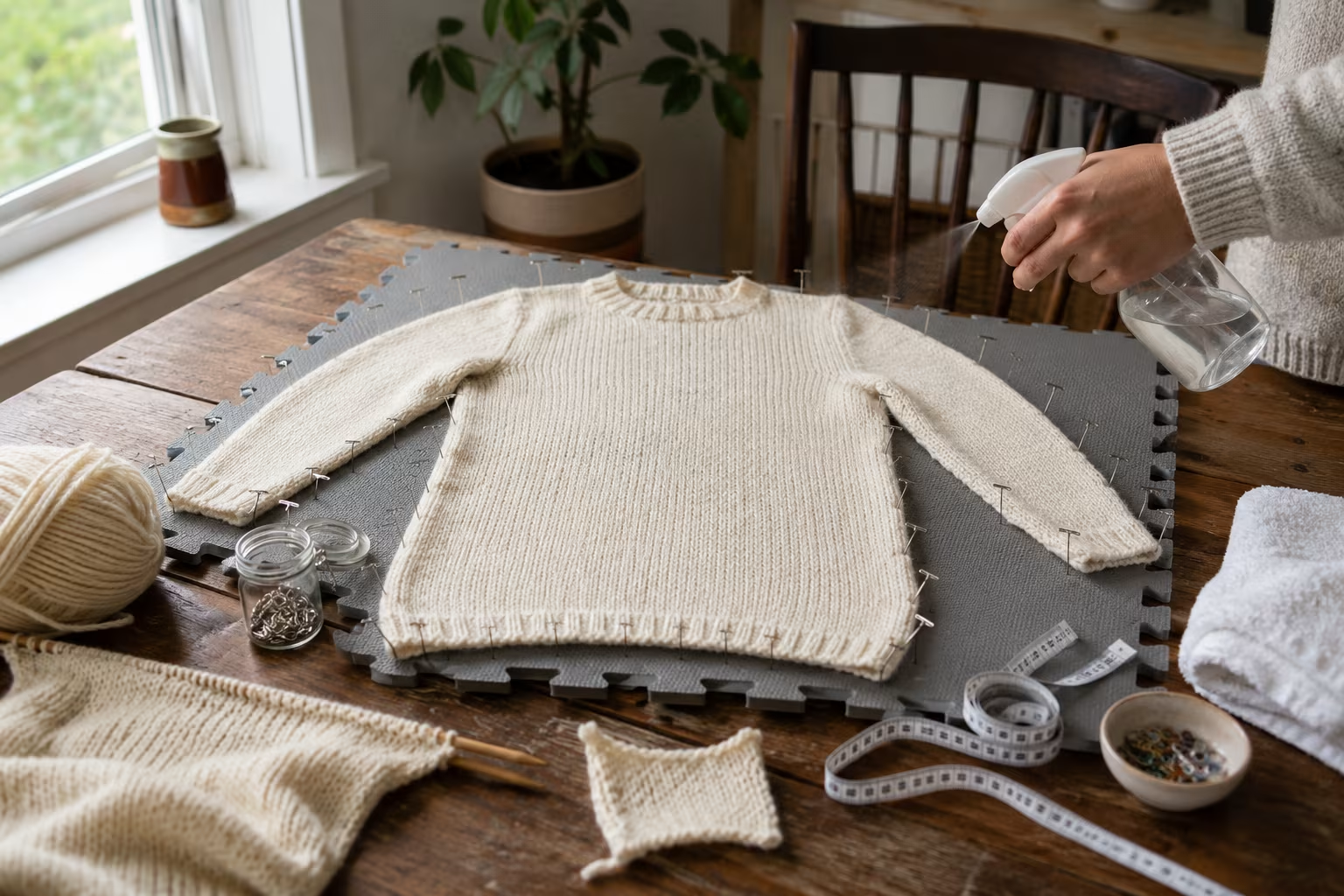
Spray blocking is the safest method because the garment is dry when you handle it, so agitation-while-wet never enters the picture. Lay the sweater flat in its final shape on a mat or dry towel, hand-shape to target dimensions, pin if needed, then mist evenly with cool tap water from a clean spray bottle until the surface is uniformly damp but not soaked. Stop there; damp is enough. Spray-blocked pieces dry in about 12-24 hours because they were never saturated. Use it whenever a sweater just needs its stitches to settle and seams to relax; it is not ideal for opening dense lace or growing a garment to size, where wet blocking does both better.
Steam blocking uses heat plus moisture but no agitation, keeping it on the safe side of the equation. Hold a clothes steamer or steam iron one to two inches above the fabric and let steam settle in without the iron face touching the wool, since pressing a hot iron onto wool flattens stitches permanently and can shine the surface; a damp pressing cloth between iron and sweater is cheap insurance. Steam is the right tool for setting seams flat after assembly, opening pinched cables, easing curl out of stockinette edges, and finishing socks and hats, and it is the fastest method, with the piece wearable within an hour. Avoid steam on superwash wool that contains elastic threads, because the heat can damage elastane.
Growing, shrinking, and rescuing a piece
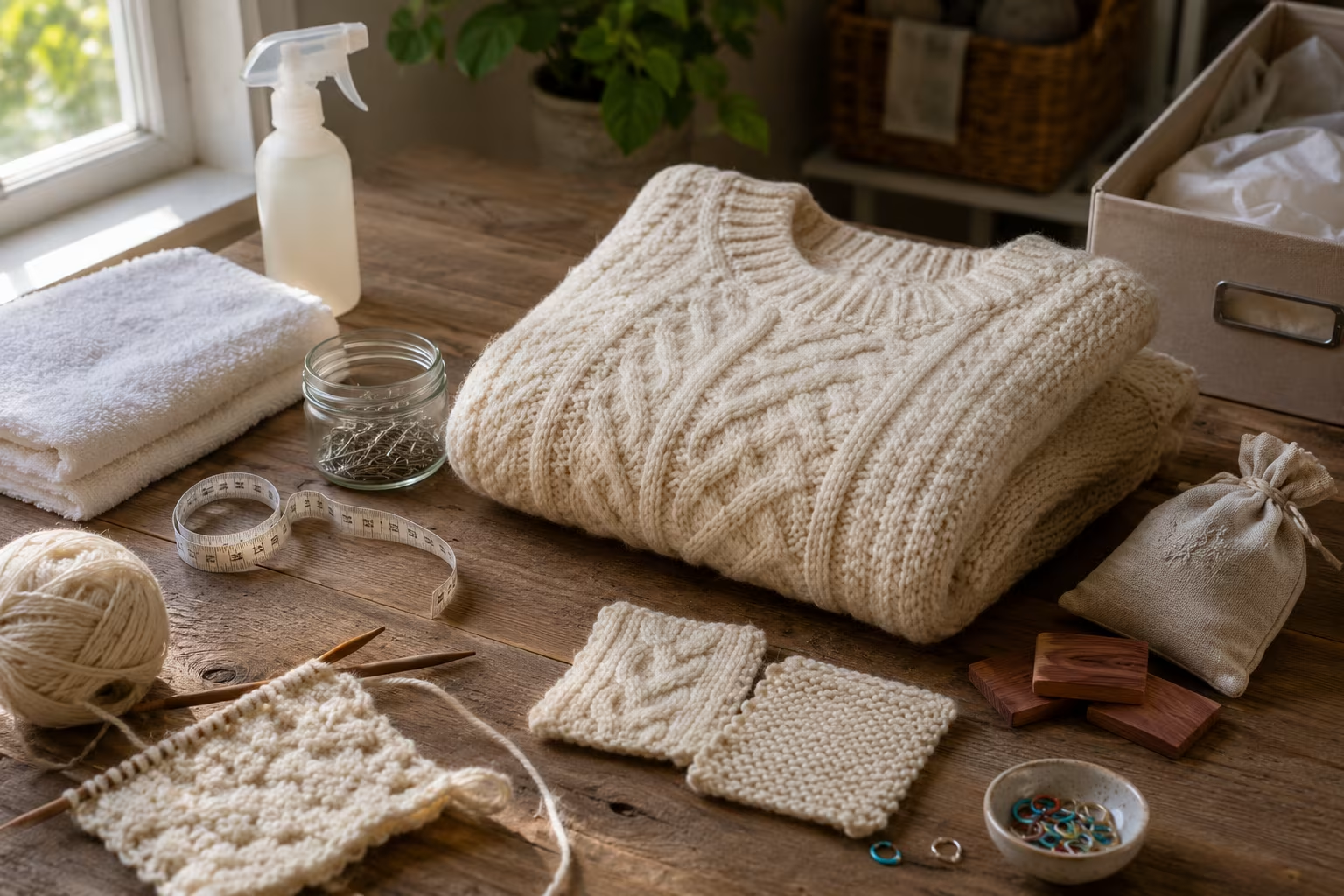
Wet blocking adjusts finished dimensions within reason. Stretching a damp sweater an inch or two in length, or easing a cuff to a wider wrist, is normal; pulling it three inches longer than it knit invites spring-back or a permanent saggy zone. Lace benefits most from aggressive blocking, since the pattern is invisible until the yarn-overs are stretched open, so pin every point of the lace separately during the wet block. To shrink a piece that knit slightly too large, wet-block it without pinning and let the wool relax to its natural rest size, which is often a touch smaller than the fresh-knit measurement, though half an inch is realistic and a sweater two sizes too big stays too big.
If you notice a fuzzy halo forming or stitches starting to blend during blocking, stop immediately, lift the piece out, and air-dry it flat without further handling. Once partially felted the fibres have locked, but the felting is often only on the surface, and a careful twenty-minute soak in cool water with a little hair conditioner sometimes restores enough drape to make the piece wearable, if slightly fuzzier and tighter. For a severely felted piece, the practical path is to re-purpose it — felted wool makes excellent cushion covers, slippers, or oven mitts, precisely because the locked fibres are more durable than the knit.
Aftercare and a basic kit
A blocked sweater holds its shape through normal wear, and repeating the block after a wash returns it to similar dimensions. Store wool clean and dry, folded rather than hung (hangers stretch shoulders permanently), in a moth-protected space, and re-block every six to twelve months for frequently worn pieces as normal maintenance, not a sign the first block failed. Gentle handling at every wash is the single habit that keeps both felting and distortion away.
A modest kit lasts for years: interlocking foam blocking mats with grid lines for measuring, rust-proof stainless steel T-pins (never household pins, which leave orange spots on wool), a no-rinse wool wash, a clean spray bottle, and a clothes steamer. Against the cost of the yarn in a hand-knit sweater, the kit pays for itself on the first project. For hand-dyed and indie skeins, which behave more variably, knit and block a 4-inch swatch first to check whether the dye is colourfast and the yarn relaxes uniformly before you commit a whole garment.
Drying times by method:
| Method | Dry time | Note |
|---|---|---|
| Wet block | 24–48 hours flat | room humidity, away from heat and sun |
| Spray block | 12–24 hours | never saturated, so faster |
| Hand-dyed yarn | test a 4-in swatch first | check dye behavior before committing the sweater |
Related Posts
Beginner Pottery Wheel Speed for Centering
Centering clay needs high wheel speed and firm pressure. Most beginners use too low speed.

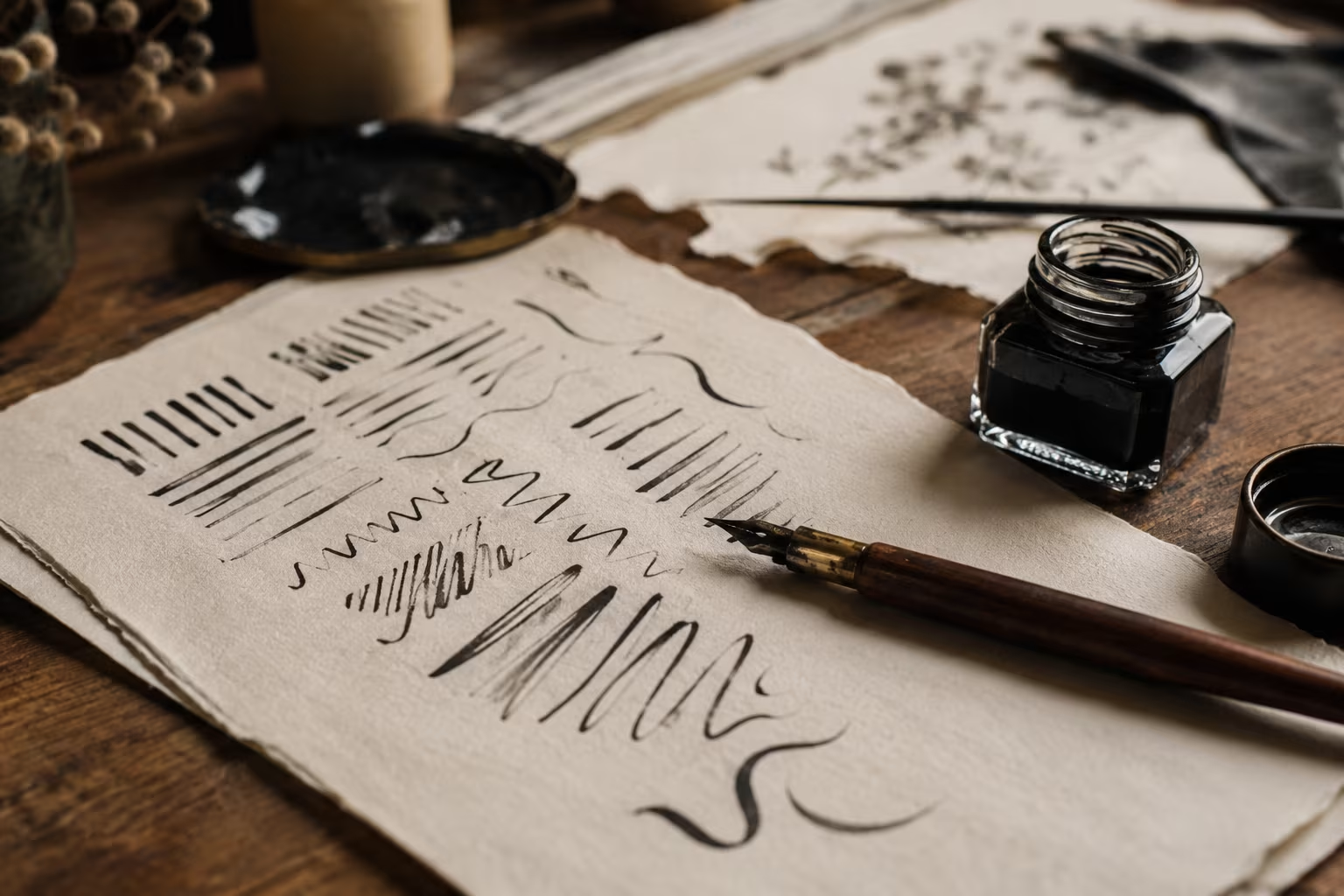
Calligraphy Ink Comparison for Cotton Paper
Modern dip pen calligraphy needs ink that doesn't bleed on absorbent cotton paper. India ink...
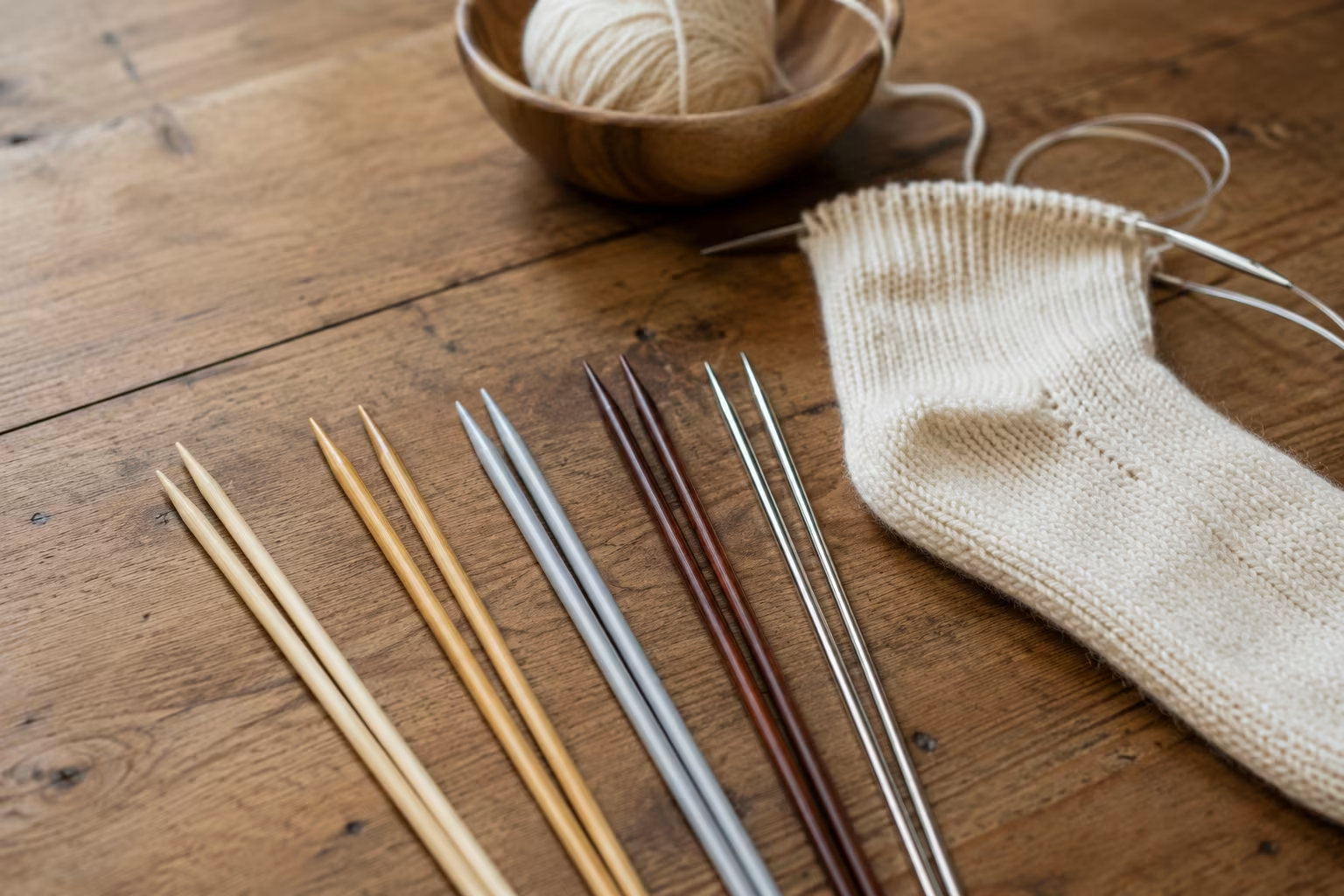
Knitting Needle Materials Compared: Wood vs Metal vs Plastic
Knitting needle material changes how stitches slide, how cold or warm the needle feels, and how...
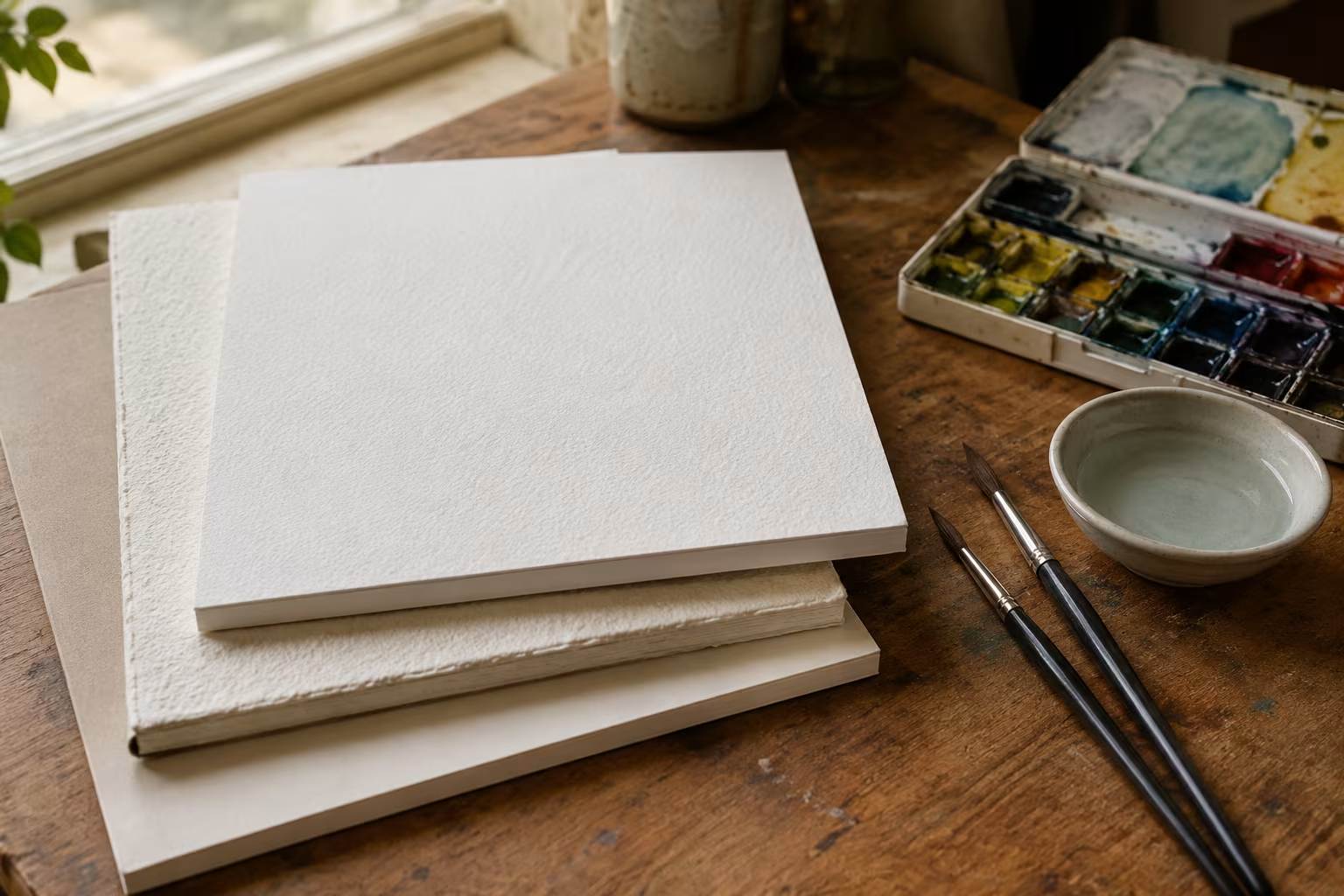
Beginner Watercolor Paper Choice for Textured Washes
Watercolor paper is the single biggest gear decision a beginner makes. Weight, surface texture...
Comments
No comments yet. Be the first to share your thoughts!