
How to Decorate a Rental Apartment Without Damaging Any Walls
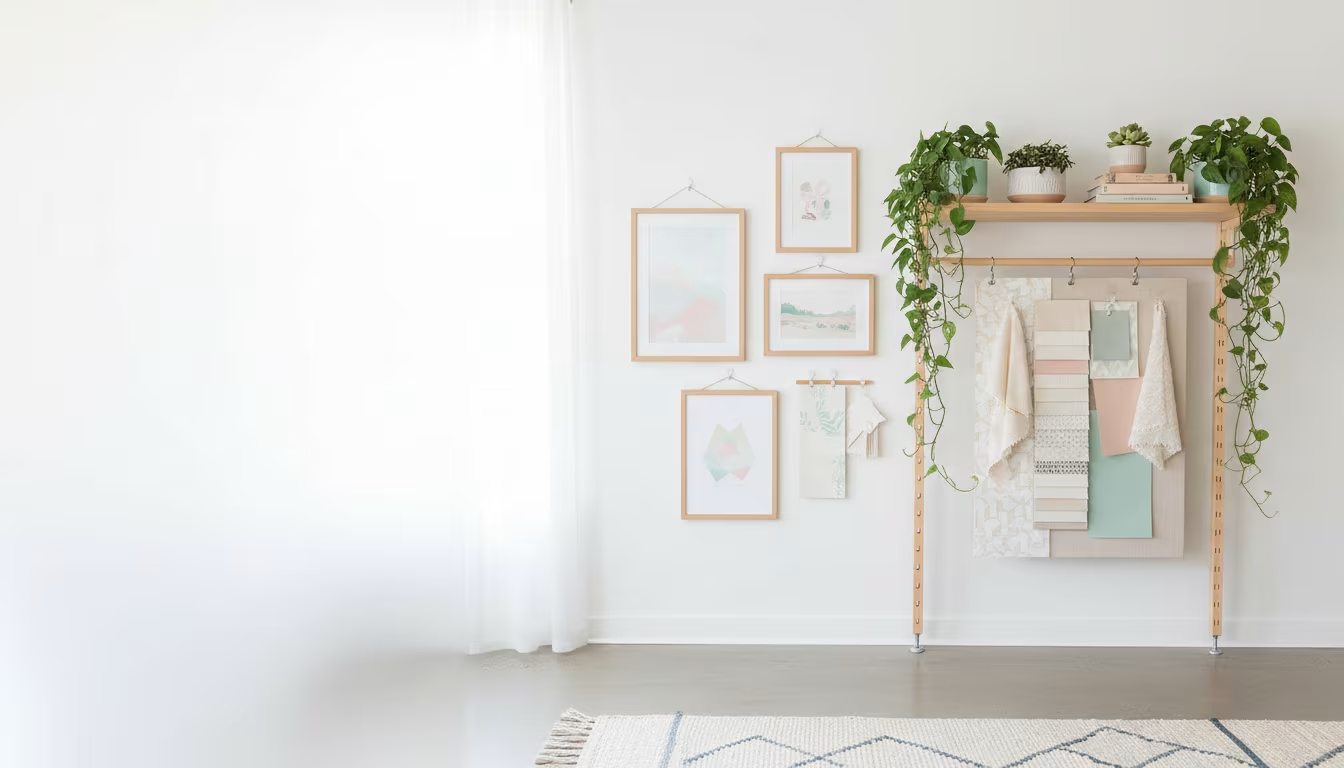
A rental lease usually forbids nails, screws, and anything that leaves a hole in the drywall, and the security deposit is the penalty for ignoring it. That still leaves a wide range of ways to hang art, add storage, and change the light in a room, all of them reversible. The whole approach comes down to matching the right removable fastener to the weight and surface you are working with, then removing everything cleanly on move-out day.
The removable toolkit
A handful of products cover almost every rental decorating job. Each has a weight ceiling, and exceeding it is the fastest route to a fastener failing and pulling paint with it.
| Product | Typical weight limit | Use it for |
|---|---|---|
| Adhesive strips (paired) | Up to 16 lb per set | Framed art, mirrors, floating shelves |
| Adhesive hooks | 0.5–7 lb per hook | Keys, utensils, light plants, string lights |
| Adhesive putty / tabs | A few ounces | Posters, unframed prints, cards |
| Tension rods | 5–20 lb, spread across the rod | Curtains, closet dividers, under-sink storage |
| Washi tape | Decorative only | Borders, patterns, taping up lightweight paper |
Adhesive strips and hooks work by pressure-sensitive backing that grips clean, smooth, painted drywall. They struggle on textured walls, high-gloss paint, unfinished wood, and wallpaper, so test a spot in a closet or behind furniture first. The physics behind them is ordinary pressure-sensitive adhesive, the same tack used in tape and labels, which is why firm pressure and cure time matter so much.
Hanging art without a single hole
For framed pieces, paired adhesive strips are the standard. Wipe the wall with rubbing alcohol, not household cleaner, because residue from surface sprays keeps the adhesive from bonding. Mark your placement with a level and a pencil, press the strips to the frame and then to the wall, and hold each contact point for 30 seconds. Then take the piece back down and let the wall-side adhesive cure for a full hour before hanging. Skipping that cure is the top reason a frame slides down the wall overnight.
For anything under a few ounces, such as unframed prints or a paper banner, adhesive putty rolled into pea-sized balls holds well and peels off without a trace. Washi tape lets you frame a print directly on the wall or run a painted-look border along a ceiling line, and it removes cleanly for months afterward.
Gallery walls are where renters gain the most from going nail-free, because the layout usually needs revising. Lay the whole arrangement on the floor first, keep 2 to 3 inches between frames, and cut paper templates the size of each frame to tape up and preview before committing. When you like the composition, transfer it to the wall one frame at a time with paired strips, checking each with a level. Because nothing is permanent, you can slide a frame or swap a print next month without patching a thing.
Storage and shelving that screws into nothing
Shelves, baskets, and racks normally mean drilling, but several routes avoid it. Small floating shelves rated for adhesive mounting hold a row of paperbacks or a few plants when you stay under the printed limit. Heavy-duty adhesive hooks handle a key rack or a hanging utensil rail. Check the weight rating against what you plan to load and then leave a margin, because a shelf that tests fine empty can peel once it is full of books.
Tension rods are the most underused tool in a rental. A rod wedged inside a cabinet creates a rail for spray bottles; two rods stacked in a closet double your hanging space for scarves and belts; a long rod across a wide opening carries a fabric panel as a temporary room divider. Nothing is fastened to a surface, so the rod comes down in seconds when you leave.
Windows, light, and greenery
Traditional curtain hardware drills into the frame. A tension rod sized to the window opening carries lightweight curtains inside the recess with zero mounting holes. If you want the panels to clear the glass and let in more light, you can extend a curtain rod beyond the window using wider brackets designed for the job.
Lighting changes a room more than almost anything and needs no wiring. Battery-operated fairy lights drape along a shelf or headboard with a few adhesive hooks. A floor lamp or two table lamps replace harsh overhead fixtures entirely and move with you. Warm-white bulbs around 2700K give a softer, more inviting tone than the cool 4000K light most rentals ship with.
Plants add life without touching the walls at all. Larger pots sit on the floor, smaller ones on existing shelves and sills. If you hang a trailing plant from a sturdy ceiling hook or a curtain rod, use a drip tray and keep the total weight modest.
Textured, brick, and problem walls
Not every rental has smooth drywall. Textured "orange peel" or knockdown walls, exposed brick, and glossy paint all defeat standard adhesive strips because the backing cannot make full contact. There are workarounds for each.
On lightly textured walls, heavy-duty double-sided mounting tape rated for rough surfaces grips better than flat strips. For a heavier item, mount a smooth intermediate surface first: adhere a thin piece of plywood or acrylic to the wall with a low-tack removable adhesive, then attach your frame to that smooth panel. Brick takes a different tool entirely; brick clips or clamps hook over the top edge of a mortar course with no drilling and hold a lightweight frame. For glossy or oil-based paint, clean with alcohol and press longer, but accept a lower weight limit, since gloss reduces the bond by design.
Whatever the surface, run a 24-hour test with a single hook and a light object before you trust it with anything valuable. If the hook is still solid the next day, the wall will hold; if it has crept downward even slightly, step down to a lighter fastener or a freestanding option.
Rearranging is free
Before you buy anything, move the furniture. Pulling a sofa a few inches off the wall, floating a pair of chairs to make a conversation nook, or turning a bookshelf to define a zone can reshape a room at no cost and with no risk to the paint. Leaning a large framed piece against the wall on the floor, propped behind a console, sidesteps hanging entirely and reads as deliberate in most rooms.
Removing everything cleanly
The deposit is won or lost at move-out. For adhesive strips, pull the release tab straight down along the wall, slowly, stretching the strip rather than yanking outward; that shears the bond instead of tearing the drywall paper. Putty peels off by rolling it against itself. Tension rods just collapse. Work patiently, because the same haste that ruins a fresh install also rips paint on the way out. If a hook does lift a small paint fleck, a rental-friendly move is to keep a labeled paint sample so you can dab it before the final inspection. Handled this way, a fully decorated rental leaves the walls exactly as you found them.
Related Posts
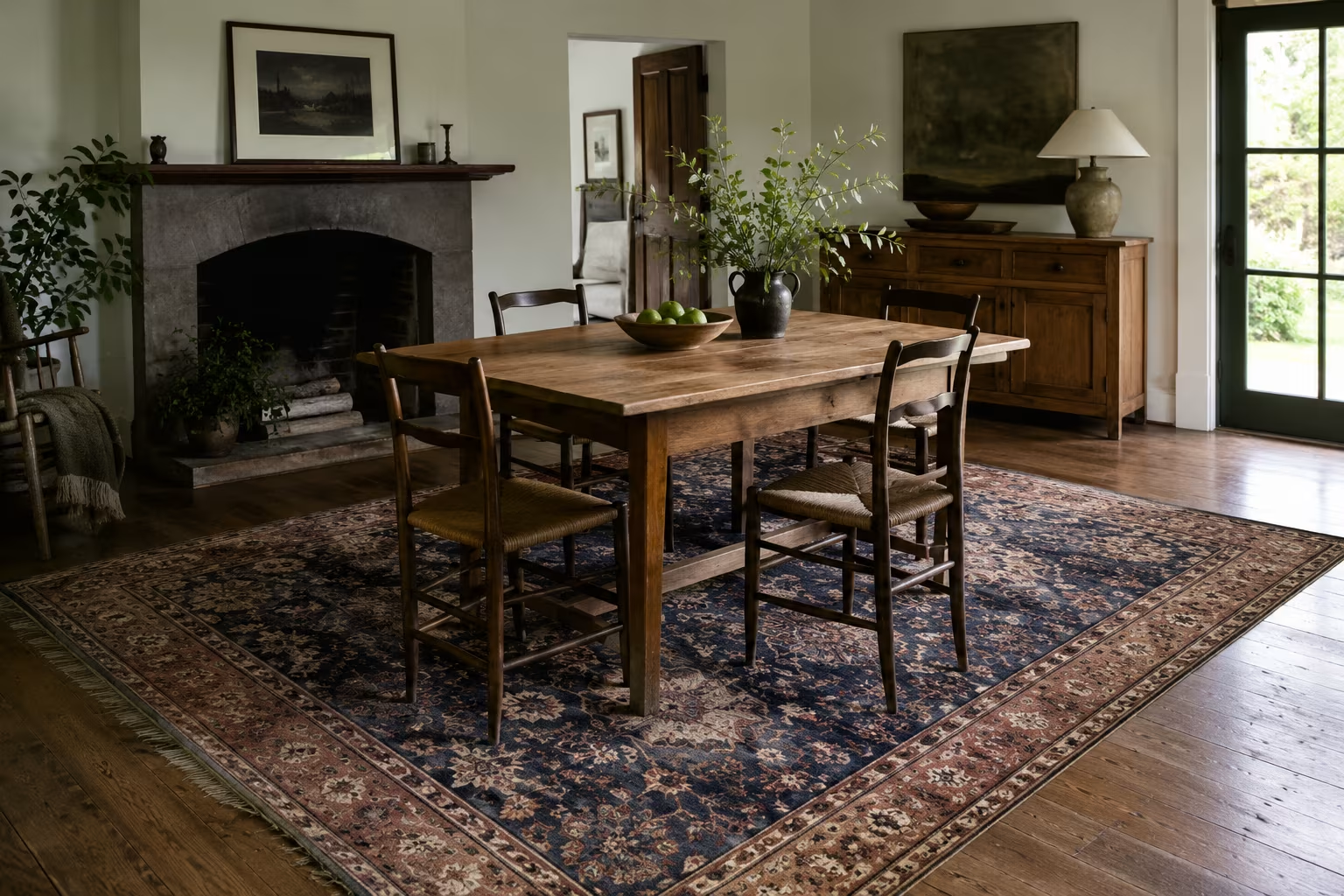
Area Rug Size Under Dining Table
A rug too small under dining table looks like a mistake. Chairs must stay on rug when pulled out.


Sofa Pillow Combinations That Don't Fight
Throw pillows pile up over years. Rules for color, texture, pattern, and size.
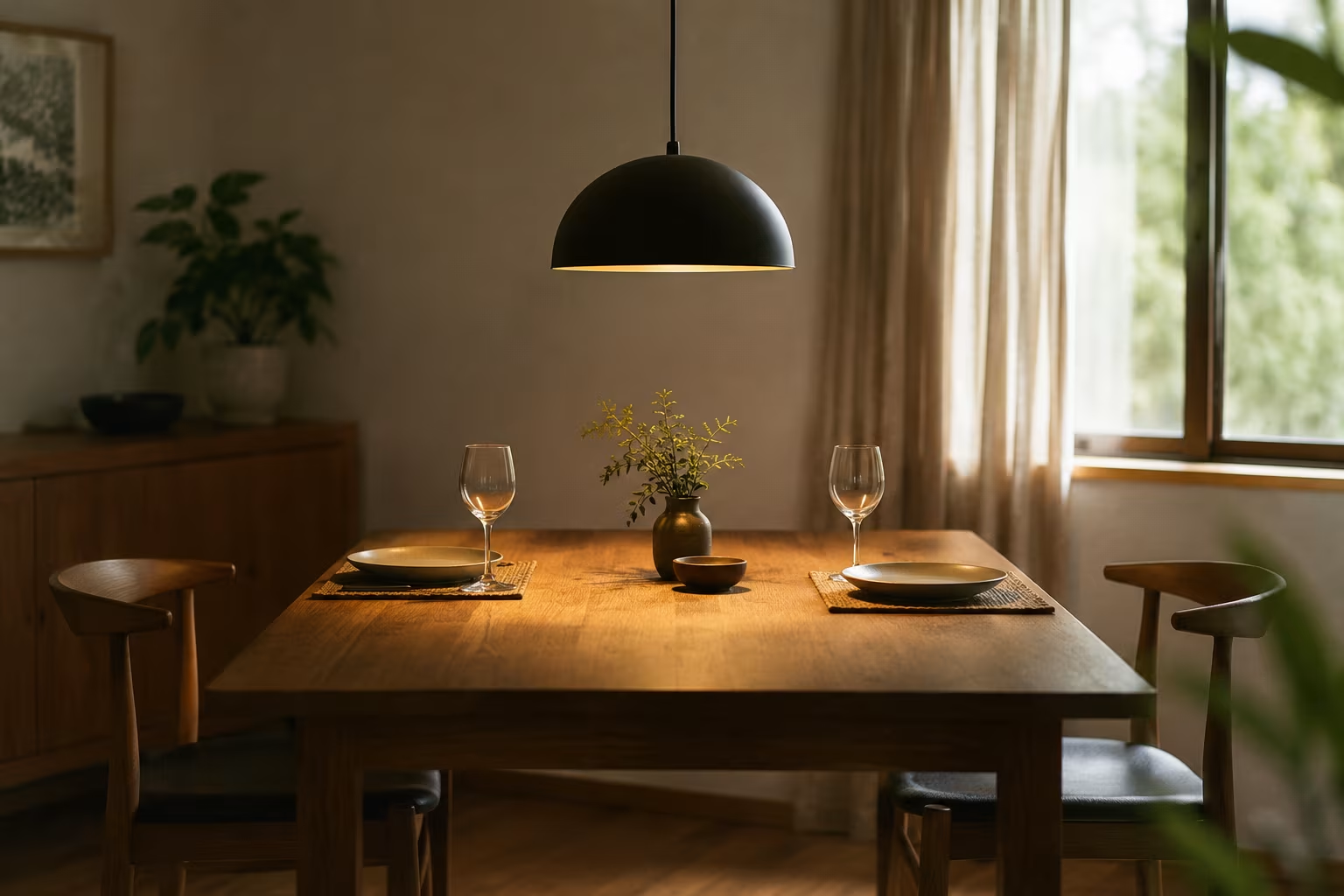
Light Fixture Height Over Dining Table: The Rule
The right pendant light height over a dining table is calculated, not guessed. The standard...
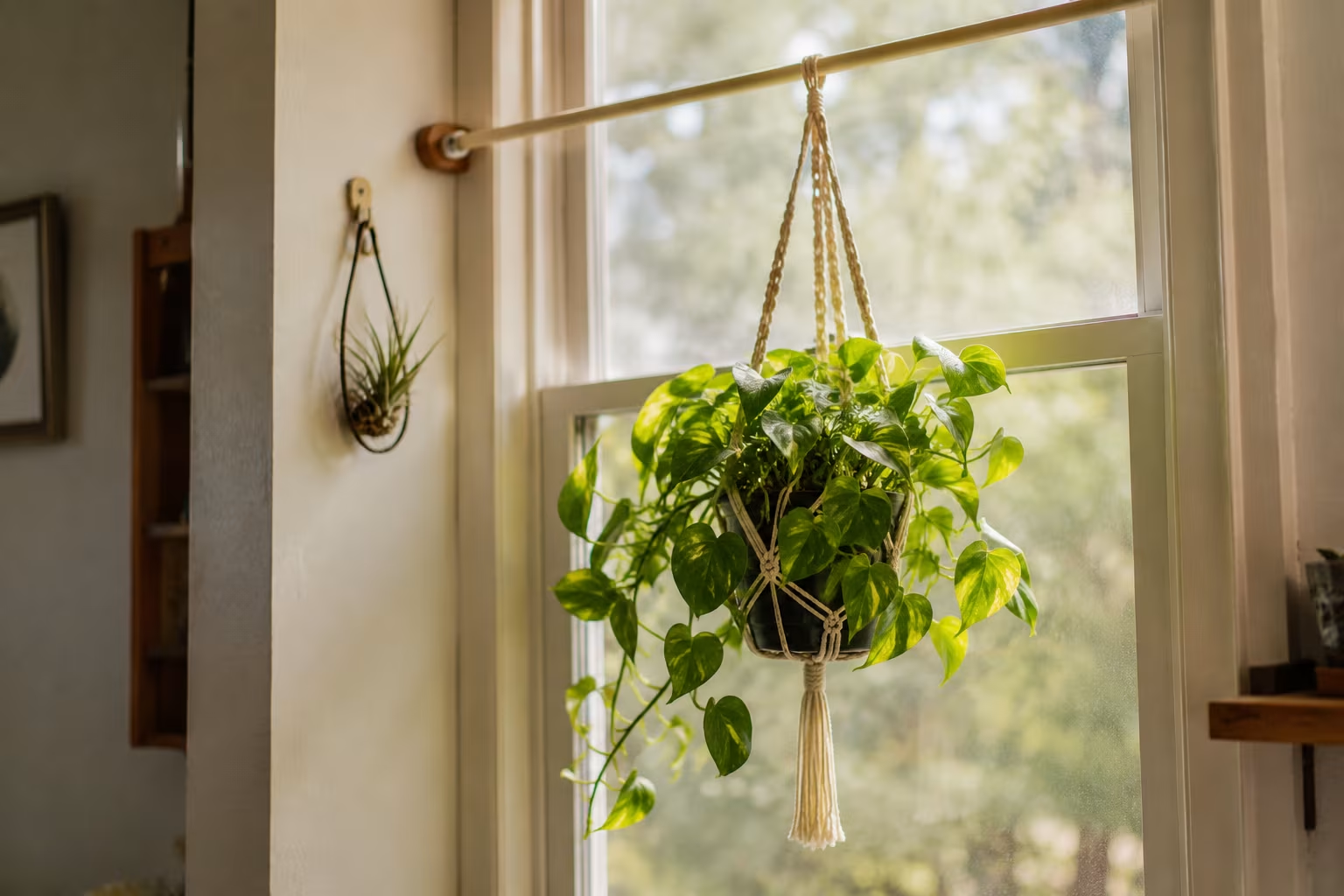
Hanging Plants Without Ceiling Hooks for Renters
Hanging plants brighten any room but drilling into the ceiling isn't always an option....
Comments
No comments yet. Be the first to share your thoughts!