
Why Batik Dyeing Creates the Most Unique Patterns on Cotton
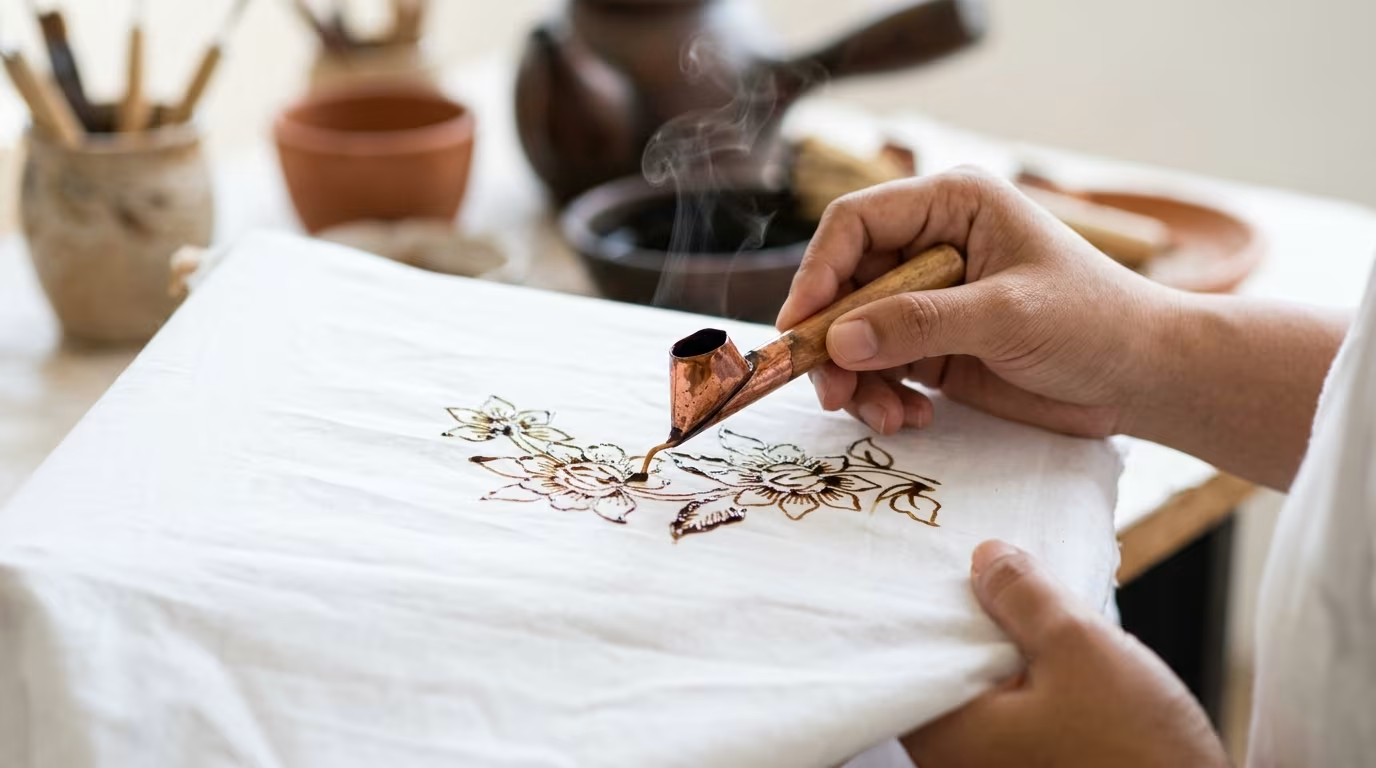
Batik is a wax-resist dyeing technique that produces patterns no printed fabric can copy exactly. You draw or brush hot wax onto cloth, dye it, and the waxed areas stay their original color while the rest takes the dye. Repeat the process with more wax and darker dyes, and the layers build into the deep, slightly irregular designs the method is known for. Because the wax naturally cracks and the hand-applied lines vary, every finished piece is genuinely one of a kind. This is a full walkthrough of how the process works, what to buy, and how to avoid the problems that trip up beginners.
How wax resist works
Batik belongs to a family of resist dyeing methods, where part of the fabric is physically blocked from absorbing color. In batik the resist is hot wax. When you apply melted wax to cotton, it soaks into the fibers and hardens into a barrier. Dip the cloth in dye and the color goes everywhere except the waxed areas, which hold whatever shade was underneath. Peel or melt the wax away and the pattern is revealed.
The technique rewards layering. After the first dye bath dries, you wax over the areas you want to keep at that color, then dye again in a darker shade. Each round preserves a little more of the previous color, and after three or four passes you have a piece with several tones and considerable depth. The characteristic fine "veining" comes from the wax cracking slightly during handling and letting thin lines of dye seep through.
Why cotton is the best fabric
You can batik on linen and silk, but 100% cotton is the standard for good reasons. Cotton fibers absorb dye readily, so colors come out rich and saturated, and the fabric tolerates the heat of the wax without damage. For a first project, pre-washed cotton in a simple form works best: a plain tea towel, a bandana, a canvas tote, or a length of yardage for a scarf. Cotton is forgiving, widely available, and gives the most predictable result while you are still learning to control the wax.
Your batik toolkit
You do not need a studio. A first setup can be assembled from a craft store and a couple of dedicated kitchen castoffs. Keep the list short at the start.
- 100% cotton fabric, pre-washed to remove any sizing that would block the dye.
- Wax mixture, traditionally a blend of paraffin and beeswax. A ratio of about 3 parts paraffin to 1 part beeswax is a good starting point; the beeswax keeps the wax flexible so it cracks less. Pre-mixed batik wax is also sold ready to use.
- Fiber-reactive dyes such as Procion MX, which bond chemically with cotton for permanent, vivid color.
- Buckets or tubs for mixing the dye baths.
- Wax application tools: a cheap natural-bristle brush for broad areas, a tjanting (a small spouted tool for drawing fine continuous lines), and even a chopstick for dots.
- A safe heat source: an old electric skillet or a double boiler. Never melt wax directly over an open flame.
- Gloves and an apron, since dye stains skin and clothing.
- An iron plus newsprint or paper towels for removing the wax at the end.
You can dye a plain tote and pair it with other handmade textiles, or work the same technique onto a panel destined to become a wall hanging for a room.
Working safely with hot wax
Molten wax is flammable and burns skin, so treat it with the same caution as hot oil. Use a dedicated skillet or pot you will never cook with again, and keep it on low to medium heat, hot enough to flow and soak into the fabric but well below its smoking point. Wax that starts to smoke is too hot and close to catching fire, so pull the heat back immediately if you see any haze. Never leave melting wax unattended, keep the work area ventilated, and have a lid nearby to smother the pan if anything goes wrong. Water will spread a wax fire, not put it out.
The batik process step by step
The sequence takes patience because of the drying time between rounds, but each individual step is simple.
- Prepare the fabric. Wash and dry the cotton to strip any finish, then iron it flat. Stretch it taut on a frame or lay it smooth on a protected surface so it does not wrinkle as you apply wax.
- Melt the wax. Bring your paraffin-beeswax mix up slowly in the skillet or double boiler until it flows freely. Stir occasionally and keep the temperature steady.
- Apply the wax design. Dip your brush, tjanting, or chopstick and lay wax wherever you want the current color preserved. Properly hot wax turns slightly translucent as it penetrates the cloth; if it sits on top opaque and white, it is too cool and will not resist well. Let it cool and harden fully before dyeing.
- First dye bath. Mix the dye per the manufacturer's instructions using cool to lukewarm water, since hot water melts the wax. Submerge the fabric and stir gently and continuously for 10 to 20 minutes so the color takes evenly.
- Dry, then re-wax. Lift the fabric out, let excess dye drip off, and hang it to dry completely. Once dry, wax over any areas of the new color you want to keep before the next bath.
- Subsequent baths. Repeat dyeing and waxing for each additional color, always working from lightest to darkest. A piece with white, yellow, blue, and black would go undyed, then yellow, then blue, then black.
Building layered color
Dyeing from light to dark is the rule that keeps a multicolor batik readable. Each dye sits on top of the previous one, so a blue bath over yellow reads green, and a black bath over everything darkens whatever it touches. Plan the order before you start: decide which areas stay white (wax those first), then which stay yellow, and so on. The more wax-and-dye cycles you run, the more complex and layered the result, but every added round also adds drying time, so a four-color piece is realistically a multi-session project rather than an afternoon.
Removing the wax
When the dyeing is finished, sandwich the fabric between sheets of newsprint or paper towel and press it with a warm iron. The heat melts the wax and the paper absorbs it. Keep swapping in fresh paper as each sheet saturates, and expect several passes to lift most of the wax. For stubborn residue, briefly boiling the fabric in water with a little detergent loosens what the iron leaves behind. Finish with a rinse in cool water and a gentle wash with mild detergent, which removes any loose dye and returns the cloth to a soft hand.
Common problems and how to fix them
Unwanted cracking. Cracks that let dye seep in are the signature of traditional batik, but if you want cleaner lines, handle the waxed fabric gently and keep it flat. Raising the beeswax proportion in your mix makes the wax more flexible; pure paraffin is brittle and cracks the most.
Uneven dyeing. Patchy color usually means incomplete wax coverage or a poorly mixed bath. Make sure every area you want protected is fully waxed with no thin gaps, dissolve the dye thoroughly before adding the cloth, keep the fabric fully submerged, and stir the whole time so the color reaches every part.
Wax residue after ironing. If waxy patches remain, run another ironing pass with clean paper, or boil the piece briefly with detergent to release the last of it.
Shrinkage. Cotton is washed and handled repeatedly through the process, so some shrinkage is normal. If the finished size matters, such as for a pillow cover, pre-wash the fabric and cut it a little larger than the target.
Premature melting. If the wax melts before you intend, the resist is lost and dye floods in. This comes from dye baths that are too warm or from rough handling that cracks the wax, so keep baths cool to lukewarm and move the fabric carefully.
Questions beginners ask
Can I use synthetic fabric?
Generally no. Batik depends on fibers that absorb dye and tolerate wax, which means natural materials like cotton, linen, and silk. Synthetics resist the dye and can be damaged by the heat of the wax.
How do I get really vibrant colors?
Use fiber-reactive dyes made for cotton, mix the bath to the correct strength, stir constantly during dyeing, work light to dark, and make sure the fabric is fully saturated in each color.
What is the difference between a tjanting and a brush?
A tjanting has a small spout that draws fine, continuous wax lines for detailed patterns. A brush lays down broader strokes and fills larger areas. Many makers use both on the same piece.
How long does the whole process take?
A single-color bandana can be done in a few hours including drying. A layered, multicolor piece easily spreads across a weekend because each color needs its own wax, dye, and full drying stage.
Start with the smallest possible project, such as a single-color tea towel or bandana, so you can run the full wax-dye-dry-remove cycle once before committing to anything ambitious. That first pass teaches you how hot the wax needs to be, how long your dye takes to reach full color, and how much the wax cracks with your particular mix, which is exactly the knowledge a more complex layered piece depends on.
Batik numbers to start with:
| Parameter | Value | Why |
|---|---|---|
| Fabric | 100% cotton, pre-washed | sizing blocks the dye |
| Wax blend | ~3 parts paraffin : 1 part beeswax | beeswax keeps the crackle flexible |
| Dye bath | stir gently 10–20 minutes | even color take |
Related Posts
Beginner Pottery Wheel Speed for Centering
Centering clay needs high wheel speed and firm pressure. Most beginners use too low speed.

Calligraphy Ink Comparison for Cotton Paper
Modern dip pen calligraphy needs ink that doesn't bleed on absorbent cotton paper. India ink...
Knitting Needle Materials Compared: Wood vs Metal vs Plastic
Knitting needle material changes how stitches slide, how cold or warm the needle feels, and how...
Beginner Watercolor Paper Choice for Textured Washes
Watercolor paper is the single biggest gear decision a beginner makes. Weight, surface texture...
Comments
No comments yet. Be the first to share your thoughts!