
How to Make Realistic Faux Stained Glass with Acrylic Paint
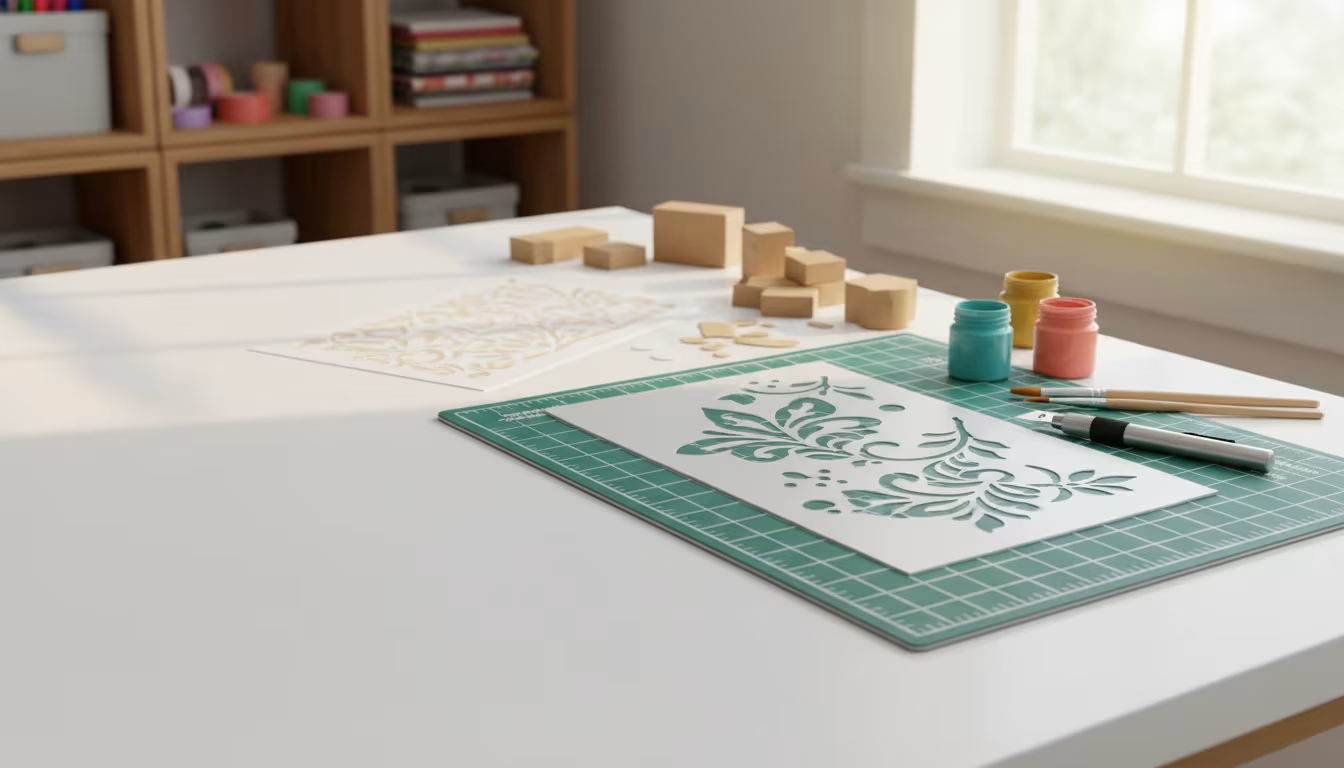
Real stained glass is a demanding craft: cutting colored glass, grinding edges, wrapping copper foil or lead came, and soldering the whole thing together with specialized tools. Faux stained glass reaches the same jewel-toned, light-catching effect with materials you can buy for under $20 and a clear surface you probably already own. The trick is to modify ordinary acrylic paint so it becomes translucent, then divide it into colored sections with raised “leading” lines. An old glass picture frame from a thrift store, a few tubes of craft acrylic, and a bottle of clear medium are enough to make a suncatcher that throws colored light across a room every sunny morning.
Why the illusion works
Traditional stained glass gets its look from two things: pieces of transparent colored glass, and the dark metal lines that separate them. Faux stained glass copies both. A clear base — glass or acrylic sheet — stands in for the colored glass once you coat it with translucent paint, and a tube of liquid leading supplies the dark dividing lines. Because the color layer sits on a transparent surface, light passes through it exactly as it would through real glass. The realism comes almost entirely from those two elements reading correctly together; get the leading crisp and the paint genuinely see-through, and the eye fills in the rest. If you want to understand the original craft you are imitating, the Wikipedia overview of stained glass shows how leading defines the classic sectioned look.
Why acrylics, and how they change
Straight from the tube, craft acrylic is opaque or semi-opaque — paint it on glass and it looks like colored plastic, not glass. The fix is to thin it with a clear medium that dries transparent, so the pigment stays but the film lets light through. Acrylic paint is ideal for this because it comes in every shade imaginable, dries fast, and is forgiving: while it is wet you can wipe a section clean and start again, something impossible with cut glass and solder. If you enjoy building color this way, the same layering logic applies to layering acrylic paint on wood panels.
What you need
Most of this is either in a craft stash already or a few dollars at a craft store. The clear medium and the liquid leading are the two items worth buying deliberately.
| Item | Purpose | Notes |
|---|---|---|
| Clear glass or acrylic sheet | The transparent base | Old frame glass, a cabinet pane, a glass jar; flat is easiest |
| Craft acrylic paints | The color | Inexpensive tubes are fine; buy a few jewel tones |
| Clear dimensional medium | Makes paint translucent | Mod Podge Dimensional Magic, clear PVA glue, or gloss medium |
| Liquid leading | Dark dividing lines | Fine-tip tube from the stained-glass aisle; black is classic |
| Detail brushes and toothpicks | Filling and popping bubbles | Cotton swabs for wet cleanup |
| Rubbing alcohol, lint-free cloth | Surface prep | Clean adhesion depends on this |
Keep a printed design or a simple sketch on hand too — flowers, geometric shapes, or an abstract pattern are the easiest first subjects.
Prepare the surface
Adhesion problems almost always trace back to a dirty surface, so do not rush this step. Wipe the glass thoroughly with rubbing alcohol or glass cleaner and a lint-free cloth until there are no smudges, dust, or oily fingerprints; a coffee filter works well if you have no lint-free rag. Once it is spotless, transfer your design. On a flat pane, tape the printed design to the underside with painter’s tape so you can trace the visible lines from the top without paper in the way. On a curved surface like a bottle, tape a stencil to the outside or freehand the lines — whatever keeps the design stable and visible while you work.
Lay down the leading
The leading lines are the skeleton of the piece; every color sits inside a compartment they create, so they need to be continuous and fully connected. Before touching the project, practice on scrap paper or an old CD to learn how much pressure gives a smooth, even bead and how fast to move. Then trace over the design lines with steady, continuous pressure, keeping each line unbroken. A gap in a line means paint will bleed from one section into the next. Wet mistakes scrape off cleanly with a toothpick or cotton swab. When the lines are down, let them dry completely — anywhere from 4 to 24 hours depending on the product and how thickly you applied it. Painting before the leading cures is the single most common way to ruin a piece.
Mix the translucent colors
This is where ordinary paint becomes “glass.” On a palette or paper plate, start with a small dollop of acrylic and add clear medium at roughly one part paint to two or three parts medium. Mix until it is smooth and slightly gooey but clearly see-through when spread thin. Too much paint and the section dries opaque; too much medium and the color washes out to almost nothing. Because that balance shifts from color to color, test each batch: smear a dab on scrap clear plastic or aluminum foil, let it dry a few minutes (a hairdryer on low speeds this up), and check how much light it passes. Deep blues and greens usually need more medium than pale yellows to read as glass. Adjust the ratio per color until each one looks like a translucent pane rather than painted plastic.
Fill the sections
With the leading fully dry and the colors mixed, load a detail brush lightly and work one compartment at a time. Thin coats beat one thick, gloopy layer — heavy paint dries unevenly, can crack, and may stay tacky in the middle. Dab and spread the mixture right up to the edges of the leading without going over it; wipe any overrun with a cotton swab before it sets. Air bubbles will appear as you fill — pop them immediately with a toothpick, because a dried bubble leaves a clear blank spot. Once a section has dried an hour or two, you can deepen it: a slightly darker shade in one area creates a gradient, and a dry brush or sponge dabbed lightly mimics the mottled imperfections of real hand-blown glass. Acrylic is permanent once dry, so plan any layering before you commit.
Dry and seal
Patience is the hardest part. A finished piece needs 24 to 72 hours to cure fully, longer in humid rooms and on thicker layers. It is done when the paint is firm, no longer tacky, and completely transparent rather than milky — a cloudy look means it needs more time. A fan moving air gently across the surface helps, but avoid direct heat, which can crack the film. For a piece that will be handled or sit in a damp window, add a light coat of clear acrylic spray sealer in gloss finish, applied in thin passes in a ventilated space. Sealing guards against dust, scratches, and fading and extends the life of the work considerably. Keep in mind that this technique is best for indoor display; even sealed, it is not built for continuous outdoor rain, freeze-thaw cycles, or years of direct sun.
Good first projects and realistic timing
Scale your first attempt to your patience. A small suncatcher of three or four sections — a simple flower, a leaf, a geometric diamond — needs only two or three hours of active work, but that work is spread across a couple of days because of drying. Budget the leading’s 4-to-24-hour cure and the paint’s 24-to-72-hour cure into your plan; you cannot finish a piece in one afternoon. A recycled picture-frame pane, a glass jar turned into a candle holder, or a cabinet-door glass all make forgiving bases. A larger window panel with many sections can easily run 8-to-10 hours of hands-on work over a week or more, mostly waiting between layers.
A few design habits make early pieces look better. Keep leading lines relatively thick and the color sections generous, since fine detail is hard to fill cleanly with a brush. Choose a palette of three or four colors rather than a dozen, and lean on jewel tones — deep blue, emerald, ruby, amber — because they read most convincingly as glass. If a piece will sit in a sunny window, remember that direct sun over years fades some pigments, so display treasured work in bright indirect light instead.
Common mistakes
Nearly every faux stained-glass failure comes from one of a few habits, and all are avoidable once you know them.
- Impatience. Painting over leading that is not dry causes bleeding; handling paint that is not cured causes smudging and peeling. Respect both drying windows.
- Too much paint at once. Thick layers crack and stay gummy. Build intensity with a second thin coat instead.
- Wrong paint-to-medium ratio. Too much pigment gives opaque sections; too little gives washed-out color. Test each batch on scrap before committing.
- Broken or wobbly leading. Gaps let color escape their compartments. Practice the bead first and keep pressure even.
- Skipping surface prep. Any oil or dust under the leading causes peeling and bumps later. Clean the glass as if prepping for surgery.
Grab a $3 thrift-store frame, mix one color, and test it on foil before you touch the glass — that single habit prevents most beginner disappointments. Start with a small, simple design of three or four sections, let each stage dry fully, and you will end up with a piece that turns an ordinary window into shifting colored light.
Related Posts
Beginner Pottery Wheel Speed for Centering
Centering clay needs high wheel speed and firm pressure. Most beginners use too low speed.

Calligraphy Ink Comparison for Cotton Paper
Modern dip pen calligraphy needs ink that doesn't bleed on absorbent cotton paper. India ink...
Knitting Needle Materials Compared: Wood vs Metal vs Plastic
Knitting needle material changes how stitches slide, how cold or warm the needle feels, and how...
Beginner Watercolor Paper Choice for Textured Washes
Watercolor paper is the single biggest gear decision a beginner makes. Weight, surface texture...
Comments
No comments yet. Be the first to share your thoughts!