
How to Choose Between Water-Based and Oil-Based Wood Stains

Standing in the stain aisle with a dozen cans that all promise a beautiful finish is where most staining projects go wrong. The choice between water-based and oil-based stain affects your drying time, cleanup, odor, durability, and the final color more than the shade on the label does. This guide breaks down how each type behaves, when to reach for it, and the prep and application steps that decide whether the finish looks even or blotchy.
Why the choice matters
Color is only part of what a stain does. The base it uses determines how fast you can recoat, whether you can work indoors without heavy fumes, how the color ages, and how well it stands up to wear. Pick the wrong one and you face long dry times, a finish that fails under use, or a strip-and-restart job. A stain is a pigment or dye suspended in a carrier that soaks into the wood; the carrier is water in one case and oil in the other, and nearly every practical difference flows from that. For background on how stains and finishes work, the overview of wood stain on Wikipedia is a solid starting point.
Water-based stains and how they behave
Water-based stains use water as the primary carrier, which makes them fast, low-odor, and easy to clean up. You can often apply two or three coats in a single afternoon because recoat times run about one to two hours. Their milder smell and lower VOC content make them the practical choice for indoor work or a space with limited ventilation.
- Fast drying: roughly one to two hours between coats, sometimes less, so a project can be finished in a weekend.
- Low odor and lower VOCs: easier on your lungs and better for indoor air quality.
- Soap-and-water cleanup: brushes, rags, and spills rinse out without solvents.
- Little ambering: the color stays truer over time instead of shifting yellow, which suits greys and cool tones.
- Raises the grain: water swells the wood fibers, so you sand lightly after the first coat dries.
These are my pick for smaller furniture, picture frames, and anything that needs a quick turnaround indoors. A grey-toned bookshelf finished with two coats and a topcoat in one day is exactly the kind of job they handle well. They also shine on light woods like maple and birch when you want a wash of color that keeps the wood's natural brightness.
Oil-based stains and how they behave
Oil-based stains carry pigment in an oil, usually linseed or a similar drying oil, so they penetrate deeper and give a richer, warmer color that highlights the grain. Their longer open time keeps the surface workable, which helps you avoid lap marks on big pieces, but it comes with slow drying and strong fumes.
- Deep penetration: soaks into the fibers for a rich, classic look that makes grain pop.
- Long open time: more minutes to work the stain in and wipe the excess before it sets, which helps on large surfaces.
- Durability: generally tougher against wear, so it is favored for tabletops, high-traffic pieces, and outdoor projects with a proper topcoat.
- Warm ambering: the color deepens toward yellow-gold over time, enhancing woods like pine and oak.
- Slow drying: commonly 8 to 24 hours between coats, longer in humid weather.
- Solvent cleanup and strong odor: you need mineral spirits or paint thinner, and good ventilation is essential.
Oil-based is my choice for pieces that take abuse or live outdoors, like a cedar planter that has to survive rain, and for that deep, traditional finish on pine and oak, provided I can ventilate the space.
Water-based vs oil-based at a glance
| Factor | Water-based | Oil-based |
|---|---|---|
| Recoat time | 1-2 hours | 8-24 hours |
| Odor / VOCs | Mild, lower | Strong, higher |
| Cleanup | Soap and water | Mineral spirits |
| Color over time | Stays true | Ambers warmer |
| Penetration | Shallower, sits nearer surface | Deep, grain-enhancing |
| Grain raising | Yes; sand after first coat | Minimal |
| Durability | Good with a tough topcoat | Higher, better for high wear |
| Best for | Indoor, small, quick projects | Tabletops, outdoor, rich tones |
A decision checklist for your project
Run through six quick questions and the right can usually becomes obvious.
- Project and look: a heavy-use piece like a kitchen table leans oil-based for durability; a decorative shelf where you want a light modern wash leans water-based.
- Application and cleanup: a stuffy workshop or a preference for soap-and-water pushes you to water-based; easy outdoor ventilation makes oil-based fumes a non-issue.
- Timeline: a tight deadline favors the one-to-two-hour recoats of water-based; a piece you can leave overnight can take the slower oil route.
- Topcoat compatibility: match your topcoat to your stain type. A water-based topcoat over a fully cured oil-based stain usually works, but oil over water-based can cause adhesion problems, so read both labels.
- Budget and availability: both come in a wide price range, and a mid-priced can from a hardware store gives a great finish in either base.
- Air quality and odor: if strong smells or indoor air are a concern, the lower VOCs of water-based settle it.
Prepping the wood before you stain
No stain hides bad prep. Sand progressively through 120, 180, and 220 grit for most projects so the surface absorbs evenly, then remove every trace of dust with a tack cloth or a slightly damp rag before you open the can. Woods that blotch, notably pine and maple, take stain unevenly because their density varies across the grain; a pre-stain conditioner partially seals the pores so the color lands more uniformly. It is sold in both water- and oil-based versions to match your stain. Sharp, well-tuned tools leave a cleaner surface that stains more evenly to begin with, which is one reason many woodworkers favor Japanese hand tools for detail work.
Applying stain the right way
Stir the can thoroughly before and periodically during use; pigment settles to the bottom, and unstirred stain starts light and finishes dark. Apply a thin, even coat, let it sit the time the label specifies (usually 5 to 15 minutes), then wipe off the excess with a clean rag working with the grain. Change rags as they saturate. Leaving surplus stain on the surface gives you a sticky, patchy film that never fully cures and blocks the topcoat from bonding. Always test first: stain a scrap of the same wood, or an inconspicuous spot on the piece, because different boards absorb color differently and the can's sample rarely matches your wood.
Apply with a brush, a foam applicator, or a lint-free rag; the tool matters less than working in manageable sections so no area dries before you wipe it. On large surfaces like a tabletop, keep a wet edge and blend each new section into the last to avoid lap marks, which is where oil-based stain's longer open time earns its keep. For a deeper color, add a second coat only after the first has dried the full time on the label rather than piling stain on wet, which never truly cures.
Matching stain to the wood type
The wood matters as much as the stain. Softwoods with wild grain patterns, especially pine and fir, drink stain unevenly because the soft early growth soaks up far more color than the dense growth rings, which is why they blotch. A pre-stain conditioner or a gel stain evens them out. Maple and birch are dense and close-grained; they resist penetration, so a water-based stain that lays a wash of color often looks cleaner on them than a deep oil stain that goes patchy. Open-grained hardwoods like oak and ash have deep pores that grab pigment and show off the grain, and they take an oil-based stain beautifully for a rich, traditional look. Mahogany and walnut already carry deep natural color, so a light stain or just a clear oil finish usually serves them better than a heavy pigment. When you are unsure, the golden rule holds: stain a scrap of the same board first, because two pieces of the same species can still absorb differently depending on how they were cut.
Common mistakes to avoid
Most staining failures trace back to a short list of errors:
- Skipping prep: raw, dusty, or under-sanded wood absorbs unevenly and looks splotchy.
- No conditioner on blotch-prone wood: pine and maple end up looking spotted without it.
- Too much stain: thick coats stay tacky and hinder the topcoat.
- Not wiping the excess: stain that sits on top rather than soaking in dries glossy and patchy.
- Rushing dry times: recoating before the previous layer cures causes bubbling, peeling, or a murky finish.
- Under-stirring: concentrated pigment at the bottom of the can gives inconsistent color from start to finish.
Quick answers to common questions
Can I put a water-based topcoat over an oil-based stain? Yes, as long as the stain is fully cured, which can take several days to a week so the solvents fully evaporate. Applying too soon risks bubbling and poor adhesion.
Can water-based stain go outdoors? Yes, but it must be sealed with a strong, exterior-rated topcoat, because the stain alone offers little weather protection compared with oil-based.
Where do gel stains fit? Gel stains are typically oil-based but thick, like pudding. They sit more on the surface than penetrating, which makes them excellent on blotch-prone woods and on vertical surfaces where liquid stain would run.
Which is better for beginners? Water-based, generally: the fast dry time, soap-and-water cleanup, and mild odor make the whole process more forgiving when you are learning.
There is no single best stain, only the best stain for the piece in front of you. Weigh the look you want, the time you have, and where you can safely work, test on scrap first, and you will get a finish worth the effort.
Related Posts
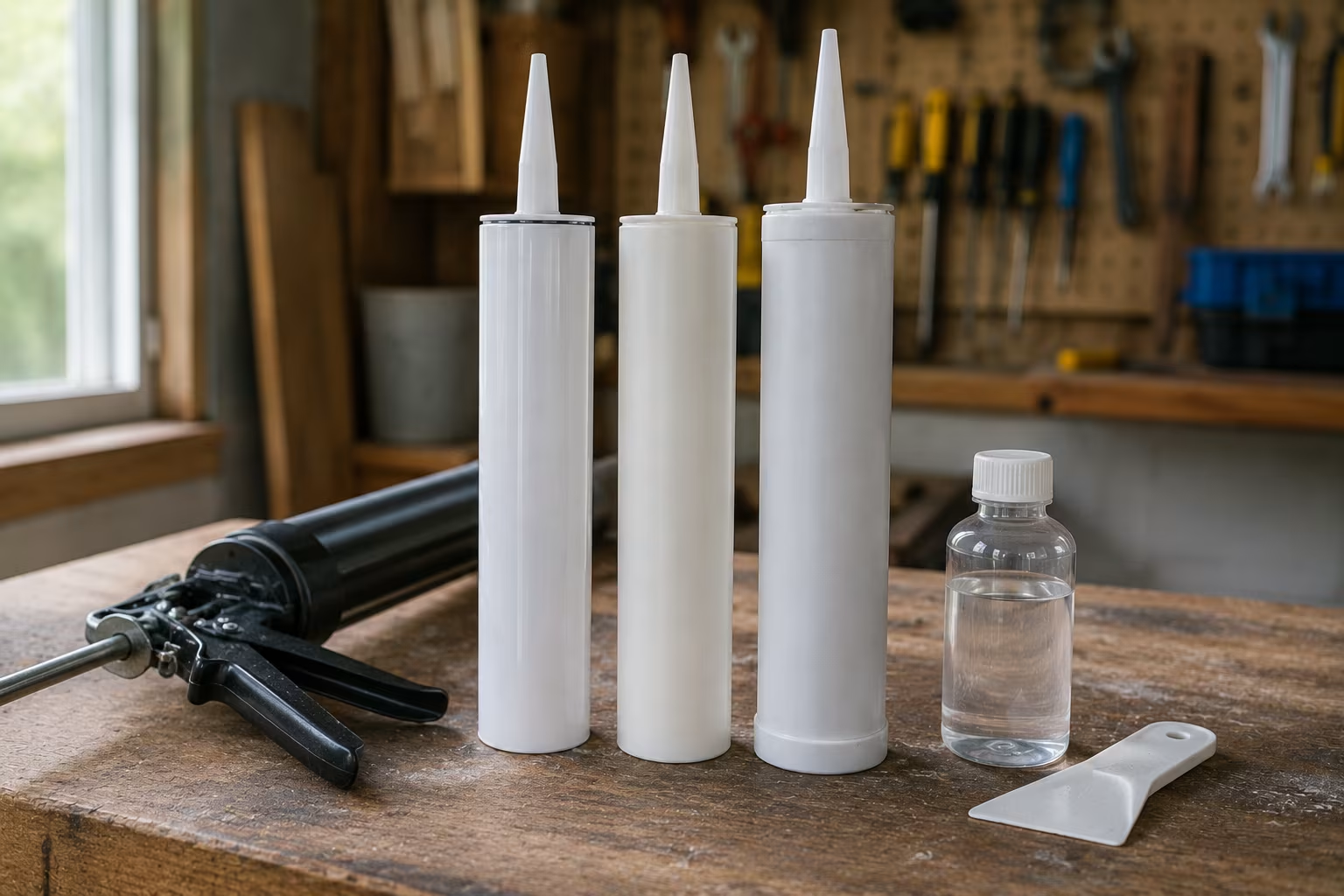
Caulk Types Compared: Silicone vs Latex vs Hybrid
Caulk choice depends on the joint's water exposure, movement, paintability, and life expectancy....


Cordless Battery Platform Lock-In: How to Pick a Brand
Every cordless brand wants you locked in. The lock-in is real and one-direction. The brand...
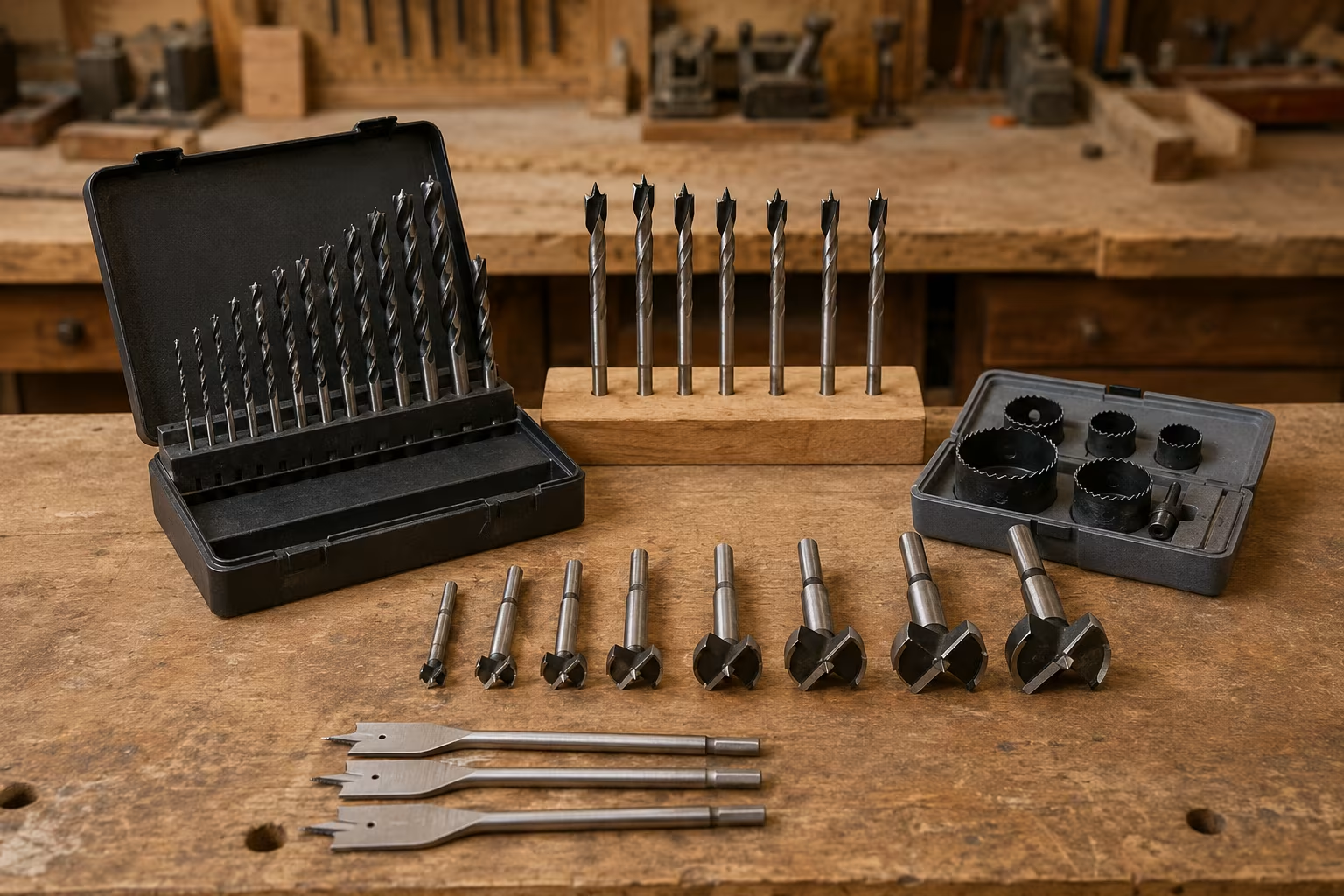
Drill Bit Sets: Twist, Brad-Point, and Forstner Real-Use Map
Most home shops own three drill bits they actually use and twenty they bought once and forgot....
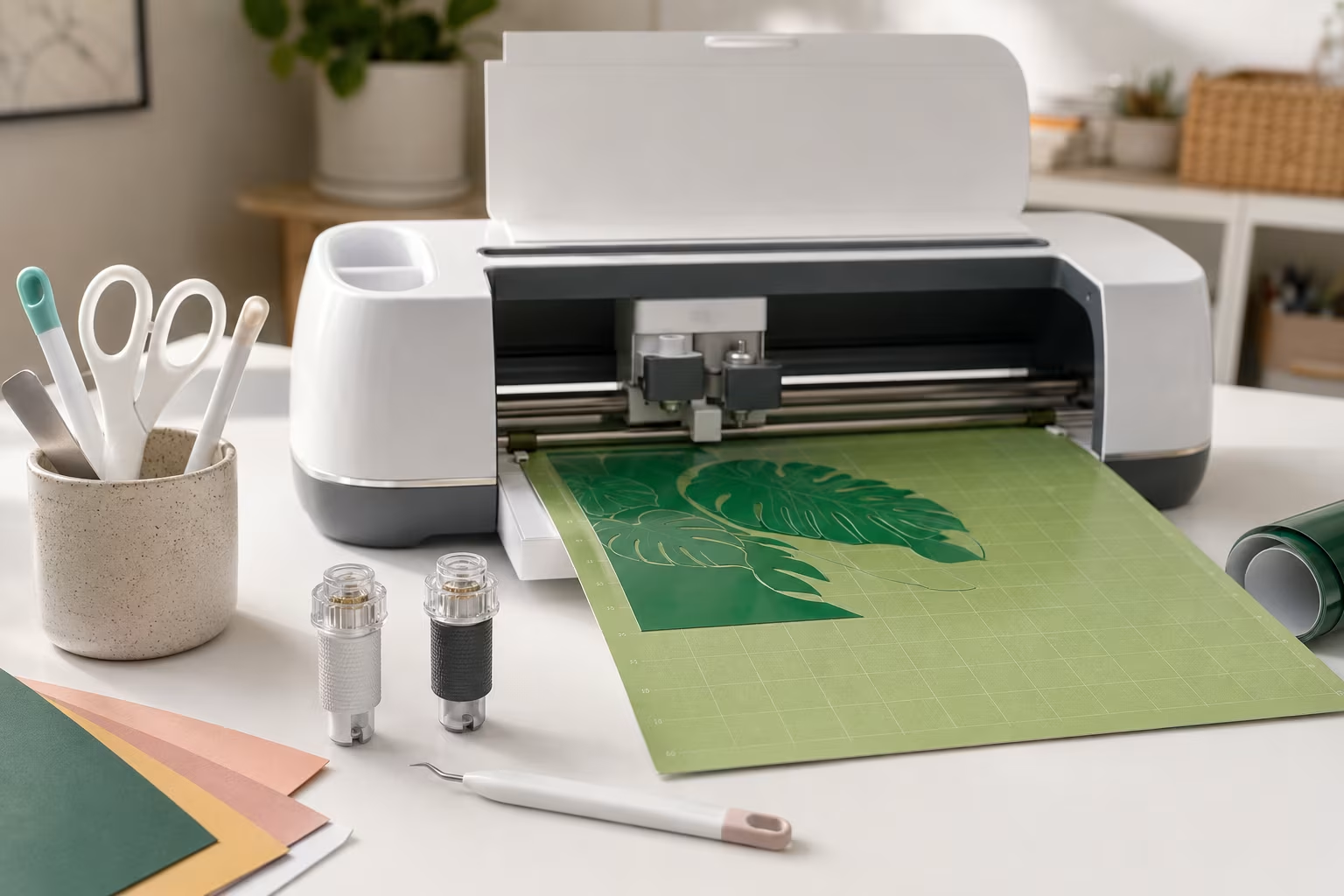
Beginner Cricut Blade Set: What You Actually Use Daily
The Cricut starter blade list is longer than most beginners need. The two or three blades that...
Comments
No comments yet. Be the first to share your thoughts!