How to Incorporate Natural Textures Like Jute and Linen into Your Decor
How to Incorporate Natural Textures Like Jute and Linen Into Your Decor
Hey there, makers! 👋 You know that feeling when you walk into a room, and it just... feels right? Cozy, inviting, full of character without trying too hard?
I've been chasing that vibe in my own home for years. And honestly, it took me a lot of mismatched throw pillows and "almost" DIYs to figure out one of the biggest secrets: natural textures.
Think jute, linen, cotton, even some rustic wood. These aren't just trendy words; they're your ticket to a home that feels genuinely warm and lived-in. Today, we're going to dive into bringing those incredible, tactile elements into your decor, especially jute and linen, without breaking the bank or feeling overwhelmed.
Why This Actually Matters
I get it. You might be thinking, "Laura, another decor trend? I'm still recovering from chevron!" But this isn't just a trend; it's about creating a tangible sense of comfort and authenticity in your space.
There’s something about a chunky jute rug or a soft linen throw that just grounds a room. It adds an organic, earthy feel that store-bought, synthetic stuff often misses. It makes your home feel like your home, not a showroom.
For me, it really clicked when I was trying to make my garage workshop feel less like... well, a garage. I added a simple jute runner I found for $15 at a thrift store, and suddenly, the whole space felt less sterile. It completely changed the vibe, even among the sawdust and tools.
These textures instantly make a space feel more curated, more intentional. They bring a quiet depth that other materials just can't quite achieve. Plus, they’re super versatile, fitting into almost any style from modern farmhouse to minimalist.
Understanding Jute and Linen: Your Texture Toolkit
Before we start slinging fabric around, let's get a quick handle on what we're working with. Jute and linen are both natural fibers, but they bring very different things to the table.
Knowing their individual strengths will help you pick the perfect spot for each in your decor. It's like knowing which sandpaper grit to use – essential for a good finish.
Jute: the Earthy & Textured Powerhouse
Jute is that raw, fibrous material that makes you think of rustic baskets and chunky rugs. It's incredibly durable and brings a really satisfying, tactile roughness to a space.
I love jute for adding a bit of rugged charm. It's fantastic for high-traffic areas or for creating contrast with smoother materials.
- Durability: Jute is tough. It stands up to a lot of wear and tear, making it ideal for floor coverings, storage, or pieces that get a lot of interaction.
- Texture: This is where jute shines! Its coarse, slightly rough texture adds instant depth and visual interest. It's not about being soft; it's about being robust.
- Color Palette: Naturally, jute comes in beautiful earthy tones – think browns, tans, and off-whites. These neutral shades make it super easy to integrate into any existing color scheme without clashing.
Linen: the Soft & Breezy Elegance
Linen, on the other hand, is the sophisticated cousin. It’s known for its beautiful drape, subtle slub, and incredible breathability. It gets softer with every wash, which is a huge bonus.
I've found linen to be perfect for adding a touch of understated elegance that still feels wonderfully relaxed. It's never stiff or formal.
- Softness & Drape: While not as rough as jute, linen has a lovely, inviting feel. It drapes beautifully, making it perfect for curtains, throws, or bedding.
- Subtle Texture: Linen has a characteristic "slub" – those tiny irregularities in the weave. This gives it a beautiful, organic texture that adds depth without being overtly rustic.
- Breathability: It's an airy fabric, which makes it feel fresh and light. This is why linen clothing is so popular in warmer climates, and it brings that same breezy feel to your home.
How to Actually do It: Bringing Natural Textures Home
Okay, enough theory. Let's talk about getting these textures into your living space. You don't need a huge budget or a complete redecoration project to make a big impact.
Start small, experiment, and see what feels right for you. I've messed up more projects than I can count, but each time I learn something new about what works in my home.
Step 1: Start with Grounding Pieces – Think Rugs
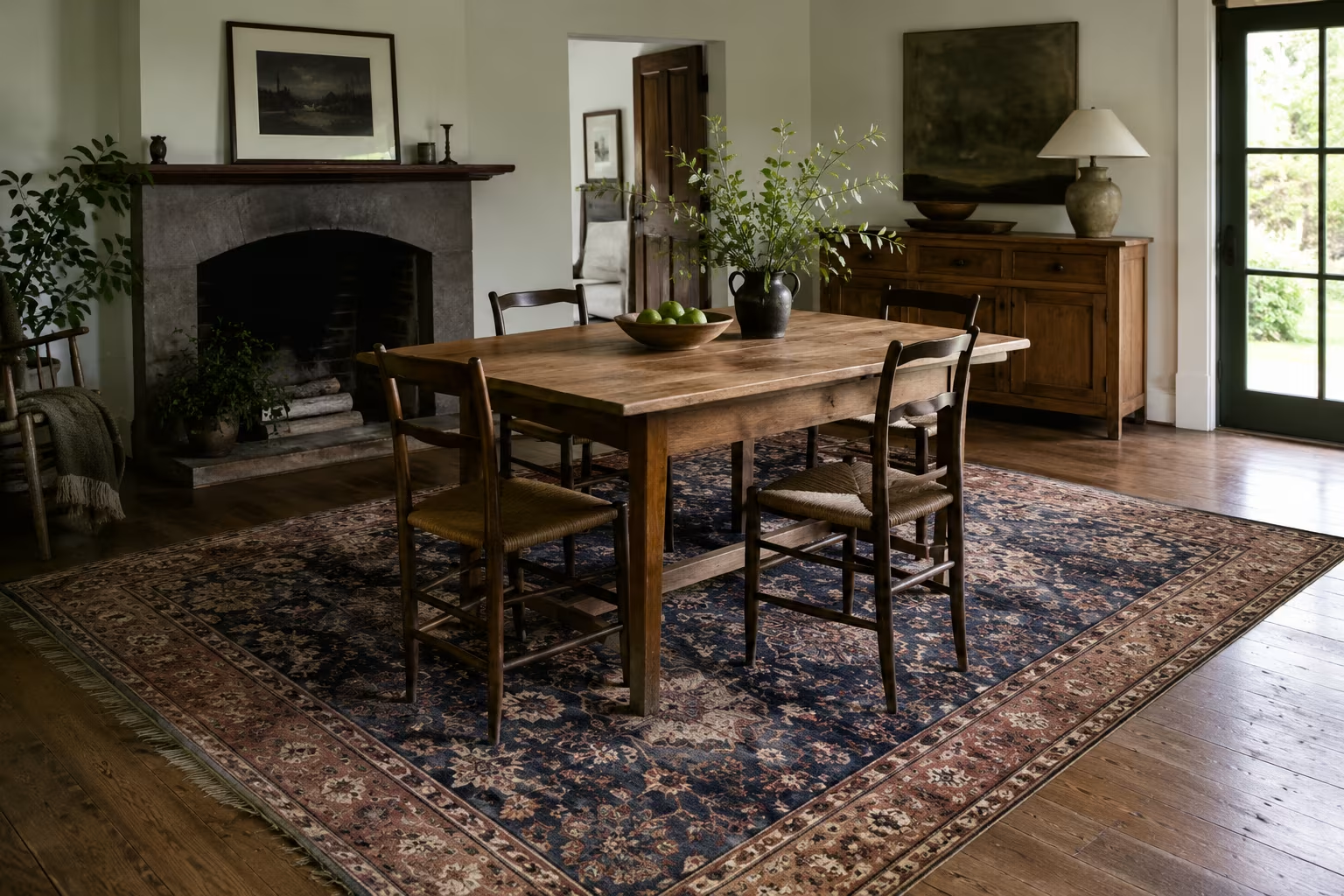
Rugs are probably the easiest way to introduce a big dose of natural texture. A jute rug can instantly anchor a living room, bedroom, or even an entryway.
It adds warmth and defines a space without demanding too much attention. I found a great 5x7 jute rug for my living room at a clearance sale, and it completely pulled the room together.
Don't be afraid to layer a smaller, softer rug (maybe a sheepskin or cotton dhurrie) over a larger jute rug for extra comfort and visual interest. This creates a really inviting feel underfoot.
Step 2: Elevate Your Windows with Linen Curtains
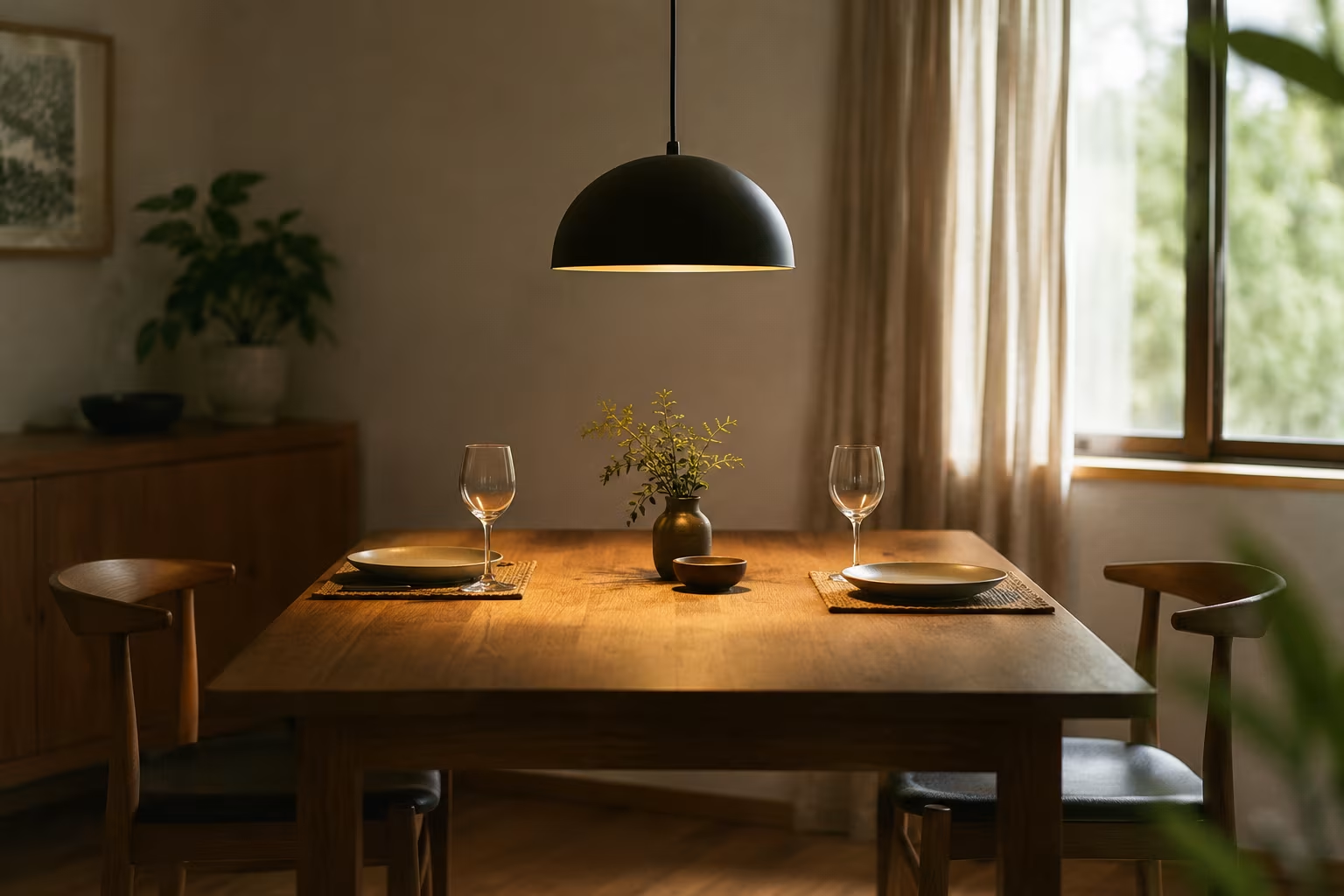
Swapping out heavy, formal curtains for light, breezy linen panels can totally transform a room's atmosphere. Linen lets in filtered light beautifully, creating a soft, ethereal glow.
They bring an effortless elegance that feels both casual and refined. I used to have dark, blackout curtains in my bedroom, and switching to linen made the whole room feel so much lighter and airier in the mornings.
Look for linen curtains in natural tones – off-white, light gray, or even a soft blush. The slight wrinkles that are characteristic of linen just add to its charm, so no need to iron obsessively!
Step 3: Introduce Comfort with Throws and Pillows
This is probably the most budget-friendly and flexible way to add texture. Grab a chunky knit jute throw for your sofa or an armchair. It adds instant coziness and a tactile element.
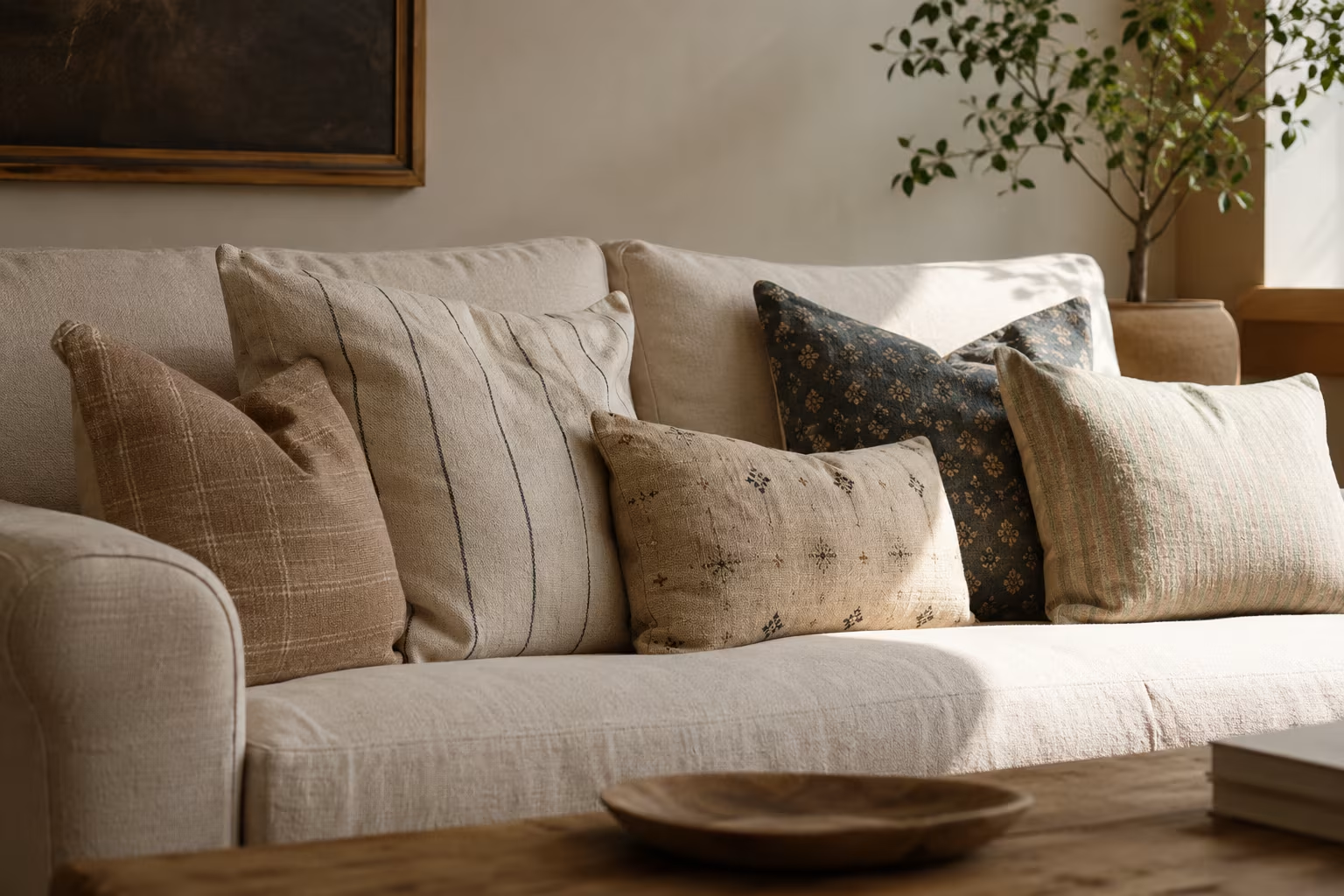
Linen pillow covers are fantastic for layering on beds or sofas. They feel soft against the skin and add a subtle, lived-in texture that synthetic fabrics just can't replicate.
I recently tried sewing some simple envelope pillow covers out of a thrifted linen tablecloth. It took me about an hour for two pillows, and they look so much more expensive than they were.
Step 4: Incorporate Jute Into Storage & Organization
Baskets, baskets, baskets! Jute baskets are your best friends for stylish storage. They're perfect for corralling blankets, magazines, toys, or even laundry.
They add a lovely organic element while keeping clutter at bay. I have a big jute basket in my living room that hides all the dog's toys, and it blends right into the decor instead of sticking out like a sore thumb.
You can also find smaller jute containers for shelves or tabletops to organize remotes, keys, or craft supplies. They instantly make any organizational effort look more intentional and appealing.
Step 5: Dining & Kitchen Linens for Everyday Luxury
Don't save the good stuff just for the living room! Linen tablecloths, napkins, and tea towels bring a touch of everyday luxury to your kitchen and dining areas. They feel so much nicer than basic cotton.
The beauty of linen in the kitchen is that it's durable and actually looks better with a few wrinkles. It invites a relaxed, European café vibe right into your home.
I started using linen napkins a few years ago – bought a pack of six from an online seller – and it’s a small change that makes every meal feel a little more special. Plus, they’re reusable, which is a win!
Step 6: Diy Projects for Personalized Touches
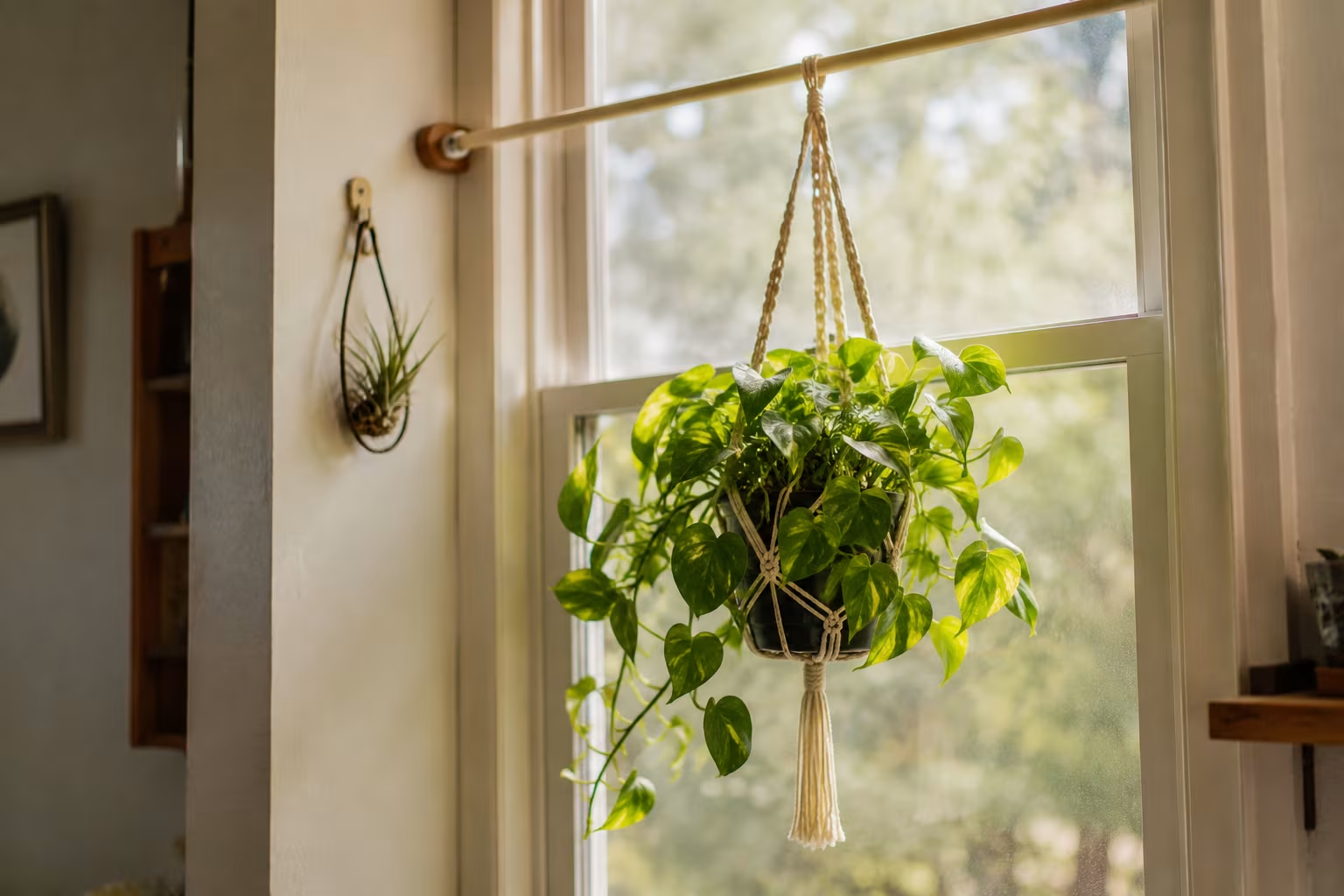
This is where the real fun begins! Jute twine is incredibly versatile for DIY projects. You can wrap it around glass jars for rustic candle holders, create macrame plant hangers, or even weave it into wall art.
I once wrapped some old plastic storage bins with jute rope, and they went from eyesores to chic storage in about an hour per bin. It’s amazing what a little texture can do.
For linen, think about making your own simple fabric art, small pouches, or even recovering a stool cushion. Even a small swatch of linen can add a lot of charm to a handmade gift tag or card.
Step 7: Mix and Match with Other Materials
Natural textures don't have to stand alone. They actually thrive when paired with other materials. Think about the contrast between rough jute and smooth polished wood, or soft linen and cool metal.
This layering creates a richer, more dynamic space. A jute placemat under a ceramic plate, or a linen throw draped over a leather armchair, makes everything feel more interesting.
Don't be afraid to mix in some metallics or glass for a modern edge, or chunky knits for extra softness. It's all about creating balance and depth in your decor.
Making It Stick: Avoiding Common Texture Traps
While natural textures are pretty forgiving, there are a few things that can trip people up. It's easy to go from "effortlessly chic" to "looking like a burlap sack exploded" if you're not careful.
My biggest decor faux pas was trying to use a huge, overly textured jute piece in a really small room. It just overwhelmed the space instead of enhancing it. Scale really matters here.
The secret to great texture is balance. You want enough to feel it, but not so much that it's all you see.
Here’s how to navigate some common mistakes and make sure your natural textures sing:
Overdoing It
It's tempting to want all the jute and all the linen once you see how good it looks. But too much of a good thing can make a room feel monotonous or even a bit stiff.
Instead of making every single item jute, pick a few key pieces. A jute rug, a couple of linen pillows, and maybe one jute basket is often enough for one room. Vary the scale and placement to keep it interesting.
Ignoring Scale and Proportion
A giant, chunky jute area rug in a tiny apartment living room can make the space feel cramped and heavy. Similarly, a tiny linen throw on a huge sectional might look lost.
Think about the size of the room and the furniture when selecting your pieces. Bigger rooms can handle larger, more prominent textured items. Small rooms benefit from smaller, more subtly textured accents.
Forgetting About Other Textures
Jute and linen are amazing, but they shouldn't be your only textures. Remember to incorporate other elements like smooth wood, sleek metal, soft velvet, or even glass.
The contrast between different textures is what makes a room truly dynamic. Imagine a smooth ceramic vase sitting on a chunky jute runner – that's visual interest!
Not Considering Practicality
While jute is durable, it can shed a bit, especially when new. And linen, while beautiful, wrinkles easily. These are characteristics, not flaws, but it's good to be aware.
Think about how you use a space. Maybe a super-chunky jute rug isn't ideal for a bedroom where you want softness underfoot first thing in the morning. Choose wisely for each specific application.
Mixing Too Many Earth Tones Without Contrast
While jute and linen are often in neutral, earthy tones, if everything in your room is the exact same shade of beige or tan, it can fall flat. A little contrast is crucial.
You can achieve this with slightly different shades of natural fibers, or by introducing a pop of color elsewhere. Even a dark wood side table or a vibrant plant can break up a sea of neutrals.
Frequently Asked Questions
Is Jute Comfortable to Walk On?
Honestly, it depends on the weave and your personal preference. Some jute rugs can feel a bit rougher under bare feet, especially when new. They soften up over time, though! For super softness, you might prefer a layered rug with a softer top layer, or save jute for areas where you wear shoes.
How do I Clean Jute and Linen?
For jute rugs, vacuum regularly. For spills, blot immediately with a clean cloth and mild soap (test in an inconspicuous spot first). Never soak jute. For linen, check the specific care tag, but most linen items can be machine washed on a gentle cycle with cold water and line dried or tumbled dry on low. The beauty of linen is its natural, slightly rumpled look!
Can I Use Jute or Linen Outdoors?
Jute generally isn't great for prolonged outdoor exposure. It can absorb moisture and develop mildew. Linen is okay for short periods in a covered area, but it will fade in direct sunlight and isn't designed for outdoor elements. Stick to specific outdoor fabrics for anything exposed to weather.
Where Can I Find Affordable Jute and Linen Items?
My go-to is always thrift stores for linen tablecloths, napkins, or even curtains that I can repurpose. For jute, check out home goods discount stores, online marketplaces like Etsy for handmade items, or even hardware stores for jute rope for DIYs. Don't underestimate clearance sections at bigger stores too!
Will Adding Natural Textures Make My Home Look Too Rustic?
Not necessarily! That's a common concern. While jute and linen certainly have a rustic charm, they're incredibly versatile. Pair them with clean lines, modern furniture, metallic accents, or even pops of bright color, and they'll instantly feel more contemporary and sophisticated rather than strictly farmhouse. It's all about how you style them with the other elements in your room.
The Bottom Line
Adding natural textures like jute and linen isn't about following a trend; it's about making your home feel more genuine, more comfortable, and more uniquely you. It's about bringing a bit of the natural world indoors, creating spaces that feel calm and inviting.
You don't need to overhaul your entire house. Start small. Maybe it's a new linen throw, a couple of jute baskets, or a little DIY project with some jute twine. Pay attention to how these simple additions change the feeling of a room.
Embrace the imperfections, the slight wrinkles in linen, the ruggedness of jute – that's where their true beauty lies. Go on, give it a try. Your home will thank you for it. ❤️