Decor

How to Source Unique Home Decor Pieces from Local Thrift Stores
How to Source Unique Home Decor Pieces from Local Thrift Stores

How to Source Unique Home Decor Pieces from Local Thrift Stores

Okay, let's be real for a sec. You know that feeling when you're scrolling through Instagram or Pinterest, and every home just looks perfectly curated? Like every vase and pillow cover was custom-made just for that spot?

And then you look around your own place, and it just feels… fine. Maybe a little bland. Definitely not "magazine worthy" without taking out a second mortgage.

I totally get it. For years, I just bought whatever was on sale at the big box stores, thinking that was my only option for making my home feel put-together. But everything started looking the same, and honestly, it felt a little soulless.

That's when I really leaned into my thrift store habit, but with a new mission: finding unique home decor. It's not just about saving a buck anymore; it’s about crafting a space that truly feels like you, without breaking the bank.

Today, we’re going to dive into how you can do exactly that. We’ll talk about how to spot potential treasures, what areas of a thrift store to hit first, and even how to clean up your finds so they're ready for their starring role.

Why This Actually Matters

Beyond the obvious benefit of saving money, thrifting for home decor changes everything about how you see your space. It's a way to inject personality and history that you just can't buy new.

Think about it: when you buy a mass-produced item, it's identical to thousands of others. But a unique vase from the 70s or a vintage wooden box tells a story, even if you don't know the full details.

For me, it’s about sustainability too. Giving a perfectly good item a second life feels so much better than contributing to more waste. It’s a small step, but it really adds up.

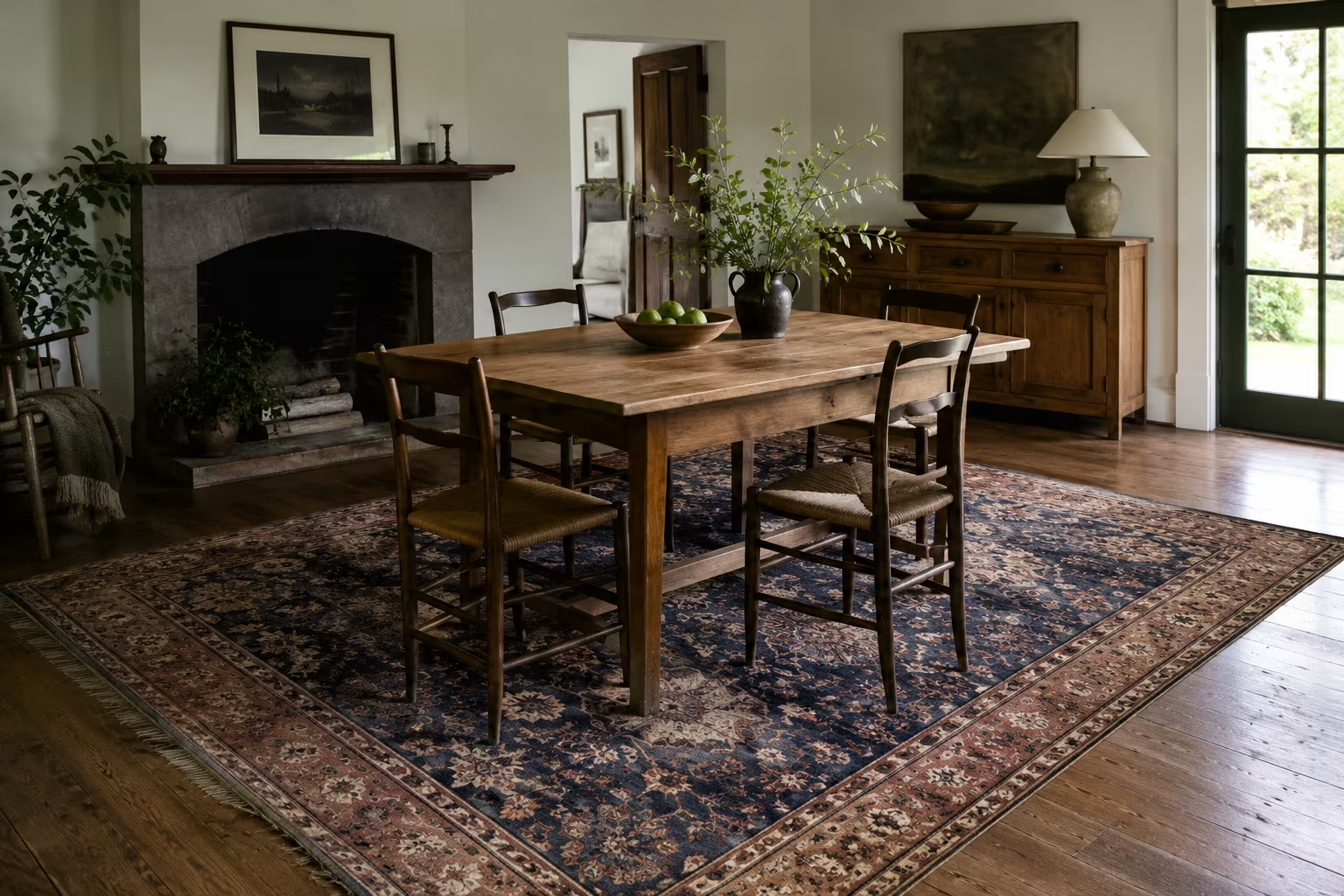
A few years ago, I completely revamped my living room using almost entirely thrifted pieces. I found this gorgeous solid wood coffee table for $35 that just needed a good sanding and a new stain. It would have cost hundreds new.

Then there was this old brass lamp I got for $10 – ugly shade and all. A quick spray paint job and a new shade from an online craft store, and suddenly it looked like something from a high-end boutique.

It’s not just about the monetary savings, which are huge, by the way. It’s about creating a home that feels authentic, lived-in, and truly special. It’s a creative challenge, and when you nail it, it’s incredibly rewarding.

The Thrill of the Hunt: What to Look for and Where

So, you’re ready to hit the thrift stores. But stepping into a huge Goodwill can feel a lot like walking into a maze, right? There’s so much stuff everywhere, and it can be hard to know where to even begin looking for those special pieces.

The key here isn’t to find perfection, but to see potential. Most thrift store finds won't be ready for their close-up right off the shelf. That’s where your creative eye comes in.

You’re looking for good bones, interesting shapes, and quality materials. Don't let a bad paint job or outdated fabric scare you away if the underlying structure is solid.

Setting Your Expectations

First things first, managing expectations is a big part of successful thrifting. You won't strike gold every single time you walk through those doors. Some days you'll leave empty-handed, and that's totally okay.

Think of it like fishing: you cast your line, you wait, and sometimes you catch something amazing, sometimes you don't. The joy is in the process and the occasional big catch.

I've had days where I spent two hours combing through racks and shelves and didn't buy a single thing. And then other days, I’ve walked in for 15 minutes and found three incredible items.

It’s all part of the adventure, so don't get discouraged if your first few trips don't yield a show-stopping centerpiece. Keep going back, and you’ll eventually find something awesome.

What Makes Something a "find"?

So, how do you distinguish between actual treasure and just more junk? It comes down to a few core principles.

You want to train your eye to see beyond the surface clutter and focus on the inherent qualities of an item. This skill develops over time, but there are some shortcuts.

  • Look for potential, not perfection: Is it a good shape, but has an awful color? Great! That's a perfect candidate for a coat of paint. Is it a solid wood piece with a scratched top? Sanding and staining can fix that. Don’t dismiss something just because it needs a little TLC.
  • Focus on form and material first: Is the shape of that vase unique, even if the glaze is ugly? Does that bowl have a cool texture or a solid, heavy feel? Quality materials like solid wood, glass, ceramic, metal, and natural fibers are always good indicators of a potential keeper. These materials generally age well and are easier to refurbish.
  • Ignore the ugly or dated elements: A lot of thrift store furniture has outdated upholstery or pulls. Lamps often come with ugly, stained shades. These are all superficial details that can be easily swapped out or changed. Focus on the core item.
  • Think about scalability: Sometimes you find a small item that’s perfect, but consider if it's part of a larger theme. Can you find similar pieces, or does it stand alone beautifully? Small, unique items like interesting books, cool jars, or tiny sculptures can really add character to a shelf or vignette.
  • Check for structural integrity: Before you get too excited about that chair, give it a wiggle. Are the legs sturdy? Is it wobbly? A little wobble might be fixable, but a completely broken frame is usually a pass for anything beyond a simple decorative piece. For glass or ceramic, run your fingers along the edges to check for chips.

I once found a set of three perfectly good ceramic planters for $2 each. They were a truly awful shade of brown, but I knew a little white spray paint would make them look exactly like the expensive ones I’d seen online. It took me about an hour, start to finish, and saved me probably $50-$60.

Your Thrift Store Strategy: How to Actually do It

Okay, now that you know what to look for, let’s talk about the practical side of thrifting. Going into a thrift store without a plan can be overwhelming, and you might miss out on some amazing finds. This strategy has helped me score countless treasures.

It’s about being intentional, but also staying open to surprise. Think of it as a loose guideline, not a rigid set of rules. The magic of thrifting is often in the unexpected discovery.

Step 1: Know Your Style (kind Of)

You don't need a full-blown mood board or a Pinterest full of inspiration (though those can help!). Just have a general idea of what you like and what colors and textures appeal to you.

Do you lean towards modern minimalist? Cozy farmhouse? Eclectic boho? Knowing your general vibe helps you filter out the noise. If you hate anything rustic, you can probably skim past all the wooden signs.

I usually go in thinking about what I might need – a new vase, a small tray for my desk, some interesting books for a bookshelf. This gives me a starting point, but I always keep an open mind.

Step 2: Go Often, Go Quick

This is probably my biggest tip for success. Instead of one long, exhausting trip once a month, try making several shorter visits throughout the week or even just a quick 30-minute stop on your errands.

Thrift stores restock constantly, so what wasn't there yesterday might be there today. You’re more likely to catch things right after they’ve been put out if you visit frequently.

Plus, short visits prevent "thrift fatigue." It’s hard to stay focused and creative when you’ve been browsing for two hours straight, and everything starts to look the same.

Step 3: Scan the Sections Strategically

Don't just wander aimlessly. Head straight for the sections that typically hold the most decor potential or items you’re specifically looking for. For me, that's usually:

  • Housewares/Kitchenware: This is a goldmine for unique vases, ceramic bowls, interesting glassware, and sometimes even small appliances that can be repurposed. Look beyond the plates and cups you’d eat from.
  • Furniture: Even if you're not looking for a couch, check the end tables, small accent chairs, and bookshelves. Often, small dressers or nightstands can be found here too, perfect for painting.
  • Art/Frames: Don’t be afraid of bad art! The frames are often vintage and high quality. You can always replace the art with a print you love, or even paint the frame. Sometimes you’ll even find cool sculptures or abstract pieces.
  • Books: Beyond reading, books make great decor. Look for interesting covers, unique spines, or collections by color for styling bookshelves. You can even find vintage coffee table books.
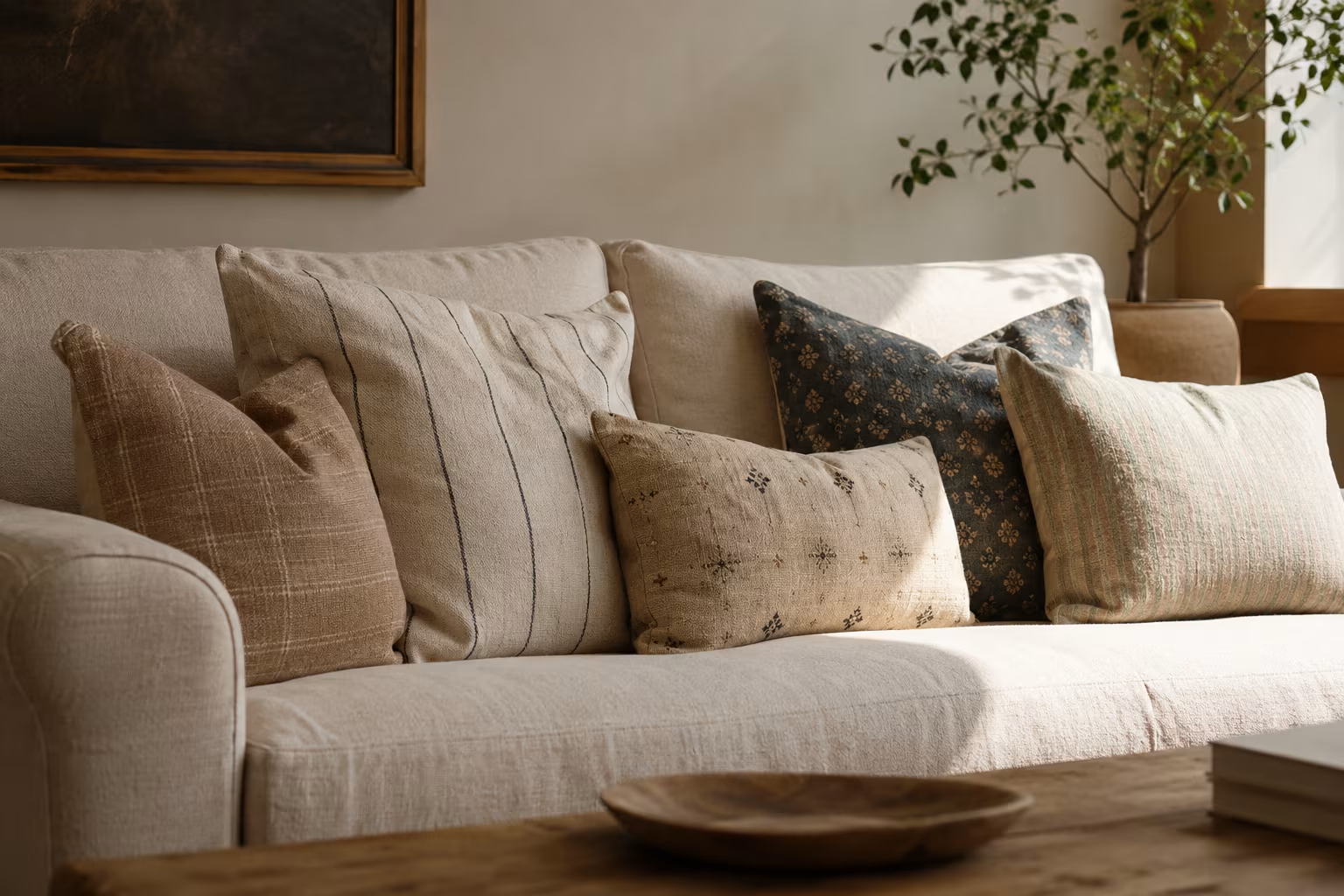
  • Textiles: Curtains, blankets, and even scarves can sometimes be repurposed into throw pillows, wall hangings, or fabric for small upholstery projects. Just make sure they're clean!

I always make a bee-line for the housewares first. That's where I found a beautiful ceramic pitcher that I now use as a vase for my dried flowers, all for $4.

Step 4: the "3-second Rule"

When you're scanning shelves, don't stop at every single item. Give each area a quick, sweeping glance – about three seconds. Look for interesting shapes, colors, or textures that stand out.

If something catches your eye, then you can pause and give it a closer look. This helps you quickly filter out the truly uninteresting items and focus your energy on potential finds.

It’s a way to avoid getting overwhelmed by the sheer volume of stuff. You’re essentially training your brain to spot the "unusual" in a sea of "usual."

Step 5: Inspect for Damage (the Right Kind)

Not all damage is a deal-breaker. A chipped ceramic rim on a vase I found once was perfect for my rustic aesthetic. A scratch on a wooden table can be sanded out.

However, deep cracks in pottery, wobbly furniture frames, or non-functional electronics are usually a pass. Know your limits for repair.

Before you commit to anything, pick it up, turn it over, check for hidden flaws. Sometimes the back of a mirror is badly cracked, or a lamp has frayed wiring. Always check!

Step 6: Think Beyond Its Original Purpose

This is where the real creativity comes in. A large, shallow bowl can become a catch-all for keys or mail. Old glass jars can be spray-painted and used as planters or candle holders.

A vintage suitcase can be stacked as a unique side table. An old wooden crate could be turned into stylish storage or shelving.

Challenge yourself to look at every item and ask: "What else could this be?" This mindset truly unlocks the potential of thrift store shopping.

I once bought a set of old, tarnished silver trays for a few dollars. Instead of using them for serving, I cleaned them up, and now they hang on my kitchen wall as unique, reflective art pieces. Nobody would guess their original price.

Step 7: have a "go-to" List

Even if you're just browsing, having a mental (or actual) list of items you're always on the lookout for can be super helpful. These are your "never miss" items.

For me, it’s always interesting ceramic vases, unique small wooden boxes, vintage picture frames, and solid brass candlesticks. These items are generally easy to clean up or transform.

Having a list like this means you're less likely to overlook a fantastic opportunity for something you'll definitely use or love. It streamlines your search.

Step 8: Don't be Afraid to Leave Empty-handed

This is crucial for preventing buyer's remorse and clutter. If you don't absolutely love it, or if you can't envision a clear purpose for it, put it back. Don't buy something just because it's cheap.

The goal isn't to buy everything cheap, it's to find unique, useful things cheaply. It’s a subtle but important distinction.

Sometimes the best find is the space you saved in your home (and wallet) by passing on something you didn't truly need or love. It takes discipline, but it’s worth it. 👋

Avoiding Thrift Store Traps: Making It Stick

It’s easy to get carried away when everything is so inexpensive, but that’s how you end up with a garage full of "someday" projects. We've all been there, myself included.

The goal is to thoughtfully select pieces that will actually enhance your home, not just add to your junk pile. So let's talk about some common pitfalls and how to avoid them.

The best thrift store find isn't just cheap; it's something you can genuinely use or make beautiful, adding real character to your space.

One of the biggest mistakes is buying something just because it's cheap. That $2 bowl might seem like a steal, but if it doesn't fit your style or you have no place for it, it's just $2 wasted. It becomes clutter, not decor.

Another common trap is not checking for damage carefully enough. I once bought a beautiful ceramic lamp base, only to get home and realize the wiring was totally shot and beyond my ability to fix safely. That was a bummer.

Sometimes we also overestimate our DIY skills or time. That intricate dresser for $15 looks like a great project, but do you really have the weeks (or months) it might take to strip, sand, and repaint it? Be realistic about what you can actually accomplish.

Forgetting measurements is another classic mistake. You find the perfect rug, only to realize it's way too small for your living room. Or that side table is too tall for your sofa. Always keep basic measurements of your space in mind, or even in your phone notes.

Finally, don't be afraid to take a lap and think about it. If you see something you like, walk away, check out another section, and then come back. If you're still thinking about it, it's probably a good sign.

This little cooling-off period can save you from impulse buys you'll regret later. It's like my rule for buying craft supplies: if I still want it tomorrow, then it's probably a good purchase.

Frequently Asked Questions

How do I Know if Something is a Good Deal?

A good deal is generally when the thrifted price is significantly lower than what you’d pay for a similar item new, especially considering its quality. If it's something unique that you genuinely love, and it fits your budget, it's a good deal for you. Research comparable items online if you're unsure about value.

What are the Best Days to Go Thrifting?

Many thrift stores restock throughout the week, but often after weekends when they receive large donations. Weekdays, especially Tuesday through Thursday mornings, tend to be less crowded and you might find things that were put out after the weekend rush. It really varies by store, so try a few different days and times!

How do I Clean My Thrift Store Finds?

Always assume your finds need a good cleaning! For most hard surfaces like wood, metal, or glass, a simple wipe-down with an all-purpose cleaner works. For more stubborn items, try a vinegar and water solution or a specific cleaner for the material. Fabric items often need a thorough wash or steaming, and for furniture, a good scrub and possibly a deep cleaner for wood.

What if I Can't Find Anything I Like?

That happens to everyone! Don't get discouraged. Thrift stores are constantly changing inventory, so if one trip doesn't yield anything, the next one might. Try visiting different thrift stores in various neighborhoods – some areas have different types of donations than others. Patience and persistence are key, truly.

Is This Really Cheaper Than Buying New?

Absolutely, 99% of the time! Even after accounting for any supplies you might need to clean or refurbish an item (like paint, sandpaper, or new hardware), you'll almost always spend significantly less than buying a similar quality item new. Plus, you get the added benefit of a truly unique piece with character.

Should I Haggle on Prices?

Generally, no, at larger chain thrift stores like Goodwill or Salvation Army. Their prices are usually fixed and quite low already. However, at smaller independent second-hand shops, antique malls, or flea markets, there might be more room for negotiation, especially on higher-priced items. It never hurts to politely ask, "Is there any flexibility on this price?" just be prepared for a "no."

The Bottom Line

Finding unique home decor at thrift stores is truly one of my favorite hobbies, and it's changed the whole vibe of my home. It’s not just about saving money; it’s about infusing your space with personality, history, and a little bit of your own creative magic.

It takes a bit of patience, a keen eye, and an open mind, but the rewards are so worth it. You’re not just buying stuff; you’re curating a collection that tells your story. Start small, maybe with a cool vase or a unique picture frame, and see where the treasure hunt takes you. You've got this! ❤️

Laura Hayes
Written by

Laura Hayes

Maker and craft enthusiast from Portland, Oregon. I've been documenting my DIY journey since 2019 - everything from woodworking to paper crafts. When I'm not in my garage workshop, you'll find me hunting for supplies at thrift stores.