Decor

How to Organize Your Home Office Using Aesthetic Storage Solutions
How to Organize Your Home Office Using Aesthetic Storage Solutions

How to Organize Your Home Office Using Aesthetic Storage Solutions

You know that feeling when you walk into your home office, or even just your designated craft corner, and immediately feel a wave of overwhelm? Piles of half-finished projects, forgotten tools, and stacks of paper just staring at you?

Yeah, I get it. My garage workshop used to be a disaster zone, and my desk? Don't even get me started. But over the years, I’ve figured out that a little aesthetic organization doesn't just look good; it actually helps me get more stuff done, and honestly, makes me feel calmer too. 👋

Today, we're going to dive into how you can transform your workspace, big or small, into a place that feels inspiring, not intimidating. We'll talk about everything from ruthless decluttering to finding those perfect thrift store gems that make your space uniquely "you."

Why This Actually Matters

It's easy to think organizing is just about making things look pretty for Instagram. But I promise you, it's so much more than that. A well-organized, aesthetically pleasing space has a huge impact on your mindset and your creativity.

Think about it: when your physical space is cluttered, your mind often feels the same way. I remember trying to start a new woodworking project once, but spent a good 30 minutes just looking for my tape measure. By the time I found it, my creative spark had totally fizzled out. Sound familiar?

When your office is a place you actually want to be in, it shifts everything. You'll find yourself sitting down to work or craft more often, feeling less stressed, and maybe even enjoying the process more because you're not constantly searching for supplies. It’s an investment in your peace of mind and your productivity.

Understanding Aesthetic Organization

So, what exactly do I mean by "aesthetic organization"? It's not just about stuffing everything into a drawer or a bland plastic bin. It's about making your storage solutions work for you functionally, and making them look good while doing it.

It’s about blending practicality with visual appeal. We're talking about storage that complements your style, whether that's rustic farmhouse, modern minimalist, or bohemian eclectic, just like the rest of your home.

The Power of Intentional Design

When you thoughtfully choose your storage, you’re not just tidying up; you're designing a space that supports your well-being. This intentionality makes a huge difference.

  • Visual Calm Equals Mental Calm - Clutter is a constant visual distraction. When your supplies are neatly tucked away in beautiful containers, your eyes have fewer things to process, leading to a quieter mind. It’s like clearing the browser tabs in your brain.
  • Things You Love Using and Seeing Get Used More - If your favorite pens are in a pretty ceramic holder, you’re more likely to grab them and sketch. If your yarn stash is in a lovely woven basket, you’re more likely to pick up your knitting needles. It invites interaction and creativity.
  • It's an Extension of Your Creative Space - Your office isn't just where you work; it's where you dream, create, and get inspired. When it feels cohesive and personal, it becomes an inspiring sanctuary, not just a utilitarian corner. It should reflect your creative spirit.

Gathering Your Inspiration & Supplies

Before you dive headfirst into reorganizing, it helps to have a loose plan and some inspiration. This is where the fun really begins – the treasure hunt!

You don't need to buy a bunch of brand-new, expensive organizers. My philosophy is always: what can I find, repurpose, or make myself first?

Assessing Your Space and Style

Take a good look around your current office. What's working? What's definitely not? What kind of vibe are you going for?

  • What's Your Existing Vibe? - Do you love the warmth of natural wood, the clean lines of modern design, or the cozy textures of bohemian decor? Think about your personal aesthetic. Your storage should blend seamlessly, not stick out like a sore thumb.
  • What Do You Really Need to Store? - Make a list of all the categories: papers, pens, craft supplies (yarn, fabric, beads), tools, electronics, books. Be specific! You might need tall containers for rulers, shallow trays for paper clips, or sturdy boxes for power tools.
  • Set a Realistic Budget - Decide how much you're comfortable spending. This helps guide your choices. Knowing my budget always pushes me to get creative with upcycling, which is my favorite part!

Hunting for Treasure: Thrift Stores and DIY Ideas

This is where my maker heart truly sings! Thrift stores are goldmines for aesthetic storage solutions, and with a little DIY magic, you can transform them into something truly special.

  • What to Look For at Thrift Stores - Keep an eye out for wooden boxes (old cigar boxes, sturdy crates), woven baskets of all sizes, interesting glass jars (for pens, brushes, beads), ceramic mugs or planters (for taller items), old picture frames (great for DIY cork boards or shelves), and even old metal tins. I once found a vintage toolbox for $8 that now holds all my painting supplies!
  • DIY Potential is Endless - A quick coat of spray paint can unify mismatched thrift store finds. Decoupage can add pattern and personality to plain boxes. You can line baskets with fabric scraps for a softer look. Simple woodworking projects, like a small shelf or a pen holder, are also great ways to get custom storage.
  • Thinking Outside the Box - Don't limit yourself to "office supplies." An old spice rack can become a perfect display for washi tape. A teacup can hold paper clips. A vintage suitcase can store fabric scraps under your desk. Let your imagination run wild!

How To Actually Do It: Step-by-Step Makeover

Okay, we've thought about it, we've gathered inspiration, and maybe even a few thrifted goodies. Now it's time to roll up our sleeves and get practical. This is where the real transformation happens!

Don't feel like you have to do all of this in one go. Break it down into manageable chunks. Even an hour or two on a Saturday morning can make a huge difference.

Step 1: The Big Purge – Declutter Ruthlessly

This is, hands down, the hardest but most crucial step. You simply cannot organize clutter effectively. You’ll just end up with organized junk, which isn't the goal here.

What to do: Take everything out of your office or craft area. Empty drawers, clear surfaces, pull things off shelves. Create three piles: Keep, Donate/Sell, and Trash/Recycle. Be honest with yourself about what you truly use and love. I always ask: "Have I used this in the last year? Does it make me happy or inspire me?"

Why it works: By seeing everything you own in one big pile, you gain perspective. It forces you to confront what you have and make intentional choices about what gets to stay in your precious creative space. My first big purge involved a lot of "I might use this someday" craft supplies I never touched. Letting them go felt so liberating!

Step 2: Zone It Out – Create Functional Areas

Once you’ve purged, it’s time to give everything a logical home. Think about how you use your space and group similar items together.

What to do: Designate "zones" for different activities. Maybe a "desk zone" for computer work and writing, a "craft zone" for active projects, a "shipping zone" if you sell things, or a "storage zone" for bulk supplies. Put your printer near your paper, your painting supplies near your easel, etc.

Why it works: This reduces decision fatigue throughout your day. When everything has a dedicated home, you spend less time searching and more time creating. You'll intuitively know where to put things back, making cleanup a breeze. Expect this to feel a little like a puzzle at first, but trust the process.

Step 3: Vertical Victory – Look Up!

Often, we focus too much on horizontal surfaces. But wall space is prime real estate that often goes underutilized. Maximize every inch you have.

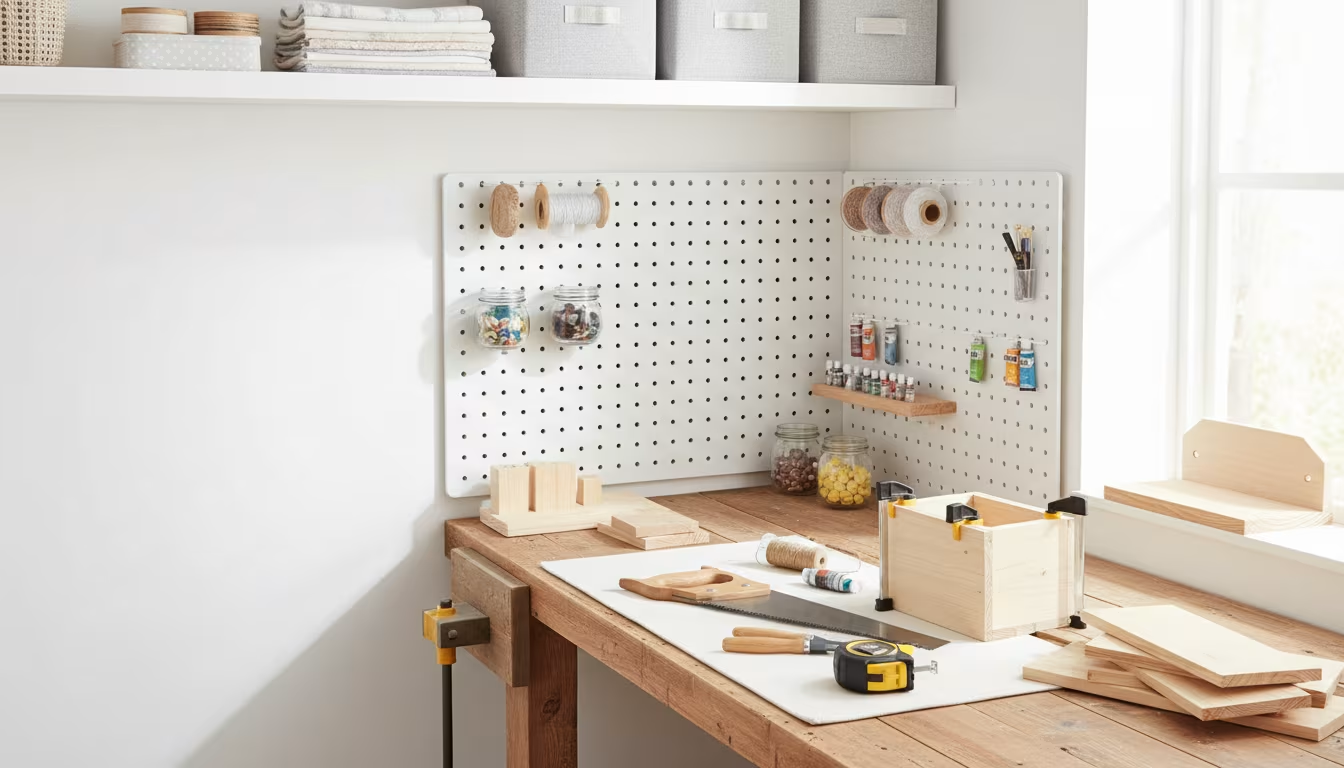
What to do: Install shelves, mount a pegboard, or put up a wall grid. Use vertical file holders on your desk. Think about how you can get items off your surfaces and onto the walls. This creates visual breathing room and makes your space feel bigger.

Why it works: Vertical storage frees up precious desk and floor space, making your area feel less crowded. It also makes frequently used items easily accessible and can look super aesthetic. My favorite pegboard setup uses little wooden cups to hold paintbrushes and hooks for scissors – it's both functional and a little art display!

Step 4: Contain Your Chaos – The Right Containers

This is where your aesthetic choices really come into play. Now that you know what you’re keeping and where it’s going, you can choose containers that fit both the item and your style.

What to do: Select containers that are the right size and shape for the items they'll hold. Opt for materials that match your aesthetic: woven baskets for textile supplies, clear glass jars for colorful beads or pens, painted wooden boxes for papers, or metal tins for tools. Consider uniform colors or textures for a cohesive look, even if the containers are different styles.

Why it works: The right containers hide visual noise, protect your items from dust, and make your space feel tidy and intentional. Remember those thrift store finds? Paint them all a calming matte white or a bold accent color. Use a collection of vintage tins for office supplies instead of mismatched plastic cups. It’s all about blending function with beauty.

Step 5: Label Love – Make It Clear

Once everything is in its new home, take the extra step to label your containers, shelves, and drawers. This might seem like a small detail, but it’s a game-changer for long-term organization.

What to do: Use clear, simple labels that tell you exactly what’s inside. You can use a label maker, hand-write on cute tags, use chalk markers on painted surfaces, or even create decorative labels with paper and a printer. Place them consistently on the front of containers for easy scanning.

Why it works: Labels mean you (and anyone else who uses the space) can quickly find what you need and, more importantly, put it back in the right spot. This prevents clutter from creeping back in. I’ve wasted so much time digging through unlabeled bins in the past; now, a quick glance tells me exactly where my glitter paper is!

Step 6: Display Your Gems – Functional Decor

Not everything needs to be hidden away. Some items are both functional and beautiful, and these are perfect for displaying as part of your decor.

What to do: Identify items that genuinely bring you joy or are visually appealing. This could be a collection of colorful art pens, a beautifully bound journal, a unique vase of fresh flowers, or a small plant. Arrange them thoughtfully on shelves or your desk.

Why it works: Displaying a few select items personalizes your space and makes it feel more inspiring and inviting. It's a way to integrate your passions into the decor itself. Just be mindful not to overdo it; the goal is curated beauty, not new clutter.

Step 7: The Final Polish – Lighting and Comfort

You’ve organized and styled, but don’t forget the elements that make a space truly enjoyable to work in: good lighting and comfort.

What to do: Ensure you have adequate lighting, both ambient and task lighting. A good desk lamp is essential for detail work. Add a comfortable chair, maybe a soft rug, or a few personal touches like a cozy throw blanket. Good air quality with a plant or diffuser can also make a difference.

Why it works: These elements enhance the overall atmosphere and encourage you to spend more time in your organized, beautiful space. I used to work under harsh overhead lights and my eyes would ache. Upgrading to a warm, adjustable desk lamp completely changed my evening crafting sessions; I felt much more relaxed and focused.

Making It Stick & Avoiding Pitfalls

Okay, your office looks amazing! But here's the honest truth: organization isn't a one-time event. It’s an ongoing practice. The good news is, once you’ve done the heavy lifting, maintaining it becomes much easier.

I’ve definitely learned a few lessons the hard way about what trips people up and how to avoid those common pitfalls.

Common Mistake 1: Too Much, Too Soon

The Problem: Getting super motivated after seeing an inspiring office, trying to reorganize your entire space in one epic, exhausting weekend, and then burning out completely. This often leads to an unfinished mess or quickly reverting to old habits.

The Solution: Break it down. Start with one drawer, one shelf, or just your desktop. Dedicate 30 minutes to an hour each day or weekend. Celebrate those small wins! Finishing one small area can give you the momentum to tackle the next, without the overwhelming feeling.

Common Mistake 2: Buying Before Purging

The Problem: Rushing out to buy a bunch of pretty bins, baskets, and dividers before you've even figured out what you're keeping. Then you end up with containers that don't fit your items, or worse, more stuff you don't actually need.

The Solution: Always, always, always purge first. Know exactly what you have and what you need to store. Then, measure your spaces and buy only the containers that fit your specific needs and aesthetic. This prevents wasted money and more clutter.

Common Mistake 3: Prioritizing Looks Over Function

The Problem: Choosing storage solutions purely because they look good, even if they aren't practical for how you actually work. For instance, tiny decorative boxes for large sketchbooks, or bins without lids when you need to keep dust out.

The Solution: While aesthetics are key here, function has to come first. Ask yourself: "Does this container make it easy for me to access and put away this item?" If the answer is no, it doesn't matter how pretty it is, it's not the right fit. Your space needs to work for you.

An organized space isn't about perfection; it's about making your creative life easier.

Common Mistake 4: Forgetting the "Maintenance" Part

The Problem: You've put in all the effort, and your office looks amazing. But then, slowly but surely, things start to pile up again, because you don't have a system for keeping it tidy.

The Solution: Incorporate quick, daily tidy-ups. A "5-minute rule" at the end of each workday or crafting session can work wonders – just put everything back where it belongs. Schedule a quick 15-minute weekly reset to tackle anything that’s strayed. This regular habit keeps major mess-ups at bay.

Frequently Asked Questions

How do I make my thrift store finds look cohesive?

One of my favorite tricks is to paint them all the same color – a calming neutral like matte white, or a bold accent color that’s already in your room. You can also use consistent labeling styles, or group items by texture or material, like all wooden boxes together. Don't be afraid to mix and match styles, but look for a unifying element like color or material to tie them together.

What if I don't have a dedicated office space?

No problem at all! Many of us work from kitchen tables or living room corners. Look for rolling carts that can be tucked away, multi-purpose furniture (like an ottoman with storage), or attractive boxes that blend in with your living room decor when closed. A simple room divider or a strategically placed bookshelf can also help define your "office" area even in an open space.

I'm on a super tight budget, any specific tips?

Absolutely! My best budget tip is to focus on decluttering first; that costs nothing and often eliminates the need for more storage. Then, get creative: repurpose old shoe boxes by covering them with fabric or pretty paper, save glass jars from food for pens and small items, or use sturdy cardboard boxes as drawer dividers. Look for free boxes from local stores, or ask friends if they have anything they're getting rid of. DIY is your best friend here!

How long should I expect this whole process to take?

The initial "Big Purge" in Step 1 can easily take a full day, especially if you have a lot of stuff. The rest – zoning, finding containers, labeling – could take another day or two, depending on how much DIY transforming you plan to do. If you're tackling DIY projects like painting boxes or building shelves, add extra time for drying and construction. Think of it as a fun weekend project or several focused evenings, and remember, maintenance is ongoing!

Is it okay if my office isn't "perfectly" minimalist?

Heck no! "Aesthetic" means your aesthetic, not some magazine spread. If you're a maximalist at heart and love to be surrounded by colorful art supplies, unique trinkets, and inspiring clutter (the good kind!), then own that. The goal is a space that supports your creativity and makes you feel good, not one that adheres to someone else's idea of perfect. If a collection of unique pens inspires you, display it! The key is still intentionality and having a home for everything.

The Bottom Line

Creating an organized, aesthetic home office isn't about achieving perfection. It's about designing a space that feels good, inspires your work, and makes your daily life a little bit easier. It's a place where you can find what you need, focus on your projects, and truly enjoy your creative time. ❤️

So, don't feel overwhelmed. Start small. Pick one drawer, one shelf, or even just your desktop. Give it a good purge, find a beautiful way to contain what's left, and see how much lighter you feel. You've got this!

Laura Hayes
Written by

Laura Hayes

Maker and craft enthusiast from Portland, Oregon. I've been documenting my DIY journey since 2019 - everything from woodworking to paper crafts. When I'm not in my garage workshop, you'll find me hunting for supplies at thrift stores.