
How to Create a Biophilic Home Office for Better Mental Clarity
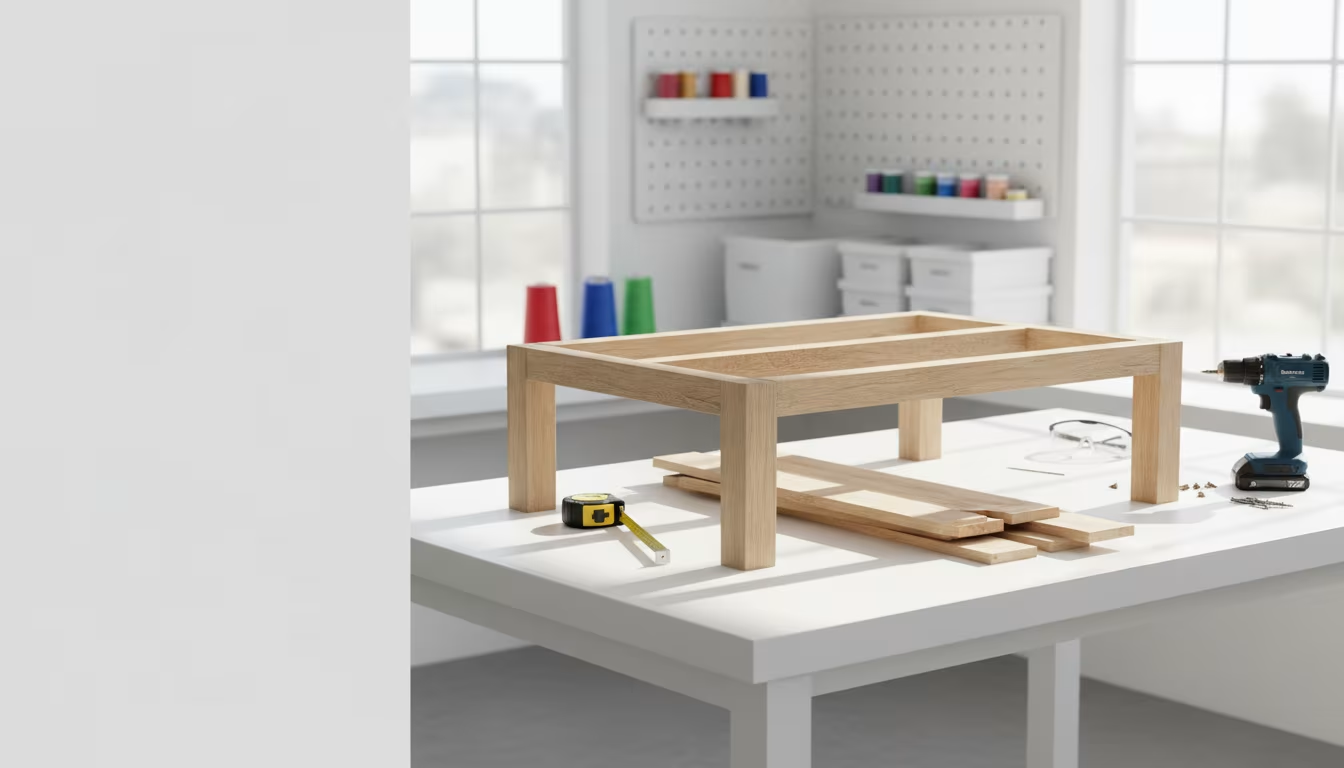
A home office that feels bland tends to leave your focus scattered, and there is a real basis for that. Biophilic design is the practice of bringing natural elements, light, materials, and views into built spaces, and studies in environmental psychology link it to lower stress and better concentration. The good news for makers is that most of it is achievable with thrift-store finds, a few hardy plants, and simple DIY changes rather than a full renovation. Here is a practical, step-by-step way to rebuild a workspace around it.
What Biophilic Design Actually Means
Biophilic design integrates nature into the places we spend time, and researchers group it into three types of connection. A direct connection uses real natural elements: houseplants, sunlight, fresh air, and water. An indirect connection evokes nature through materials and patterns, such as wood grain, stone texture, and botanical prints. The third, often called space and place, is about how a room makes you feel, whether it offers a sense of refuge and a restful view. You do not need all three at full strength; layering even two makes a noticeable difference in a small office.
Start With Plants, Chosen for Your Light
Plants are the highest-impact, lowest-cost move. They soften hard lines, add living texture, and make a room feel occupied. The mistake beginners make is buying a plant their room cannot support, so match the species to your light before you buy. A snake plant, a ZZ plant, and pothos all tolerate low light and infrequent watering, which suits a busy schedule. Use the table below to plan a small mix.
| Plant | Light | Watering | Difficulty |
|---|---|---|---|
| Snake plant (Sansevieria) | Low to bright indirect | Every 2 to 6 weeks | Very easy |
| ZZ plant | Low to medium | Every 2 to 3 weeks | Very easy |
| Pothos | Low to bright indirect | Weekly when topsoil dries | Easy |
| Philodendron (trailing) | Medium indirect | Weekly | Easy |
| Peace lily | Medium indirect | When leaves droop slightly | Moderate |
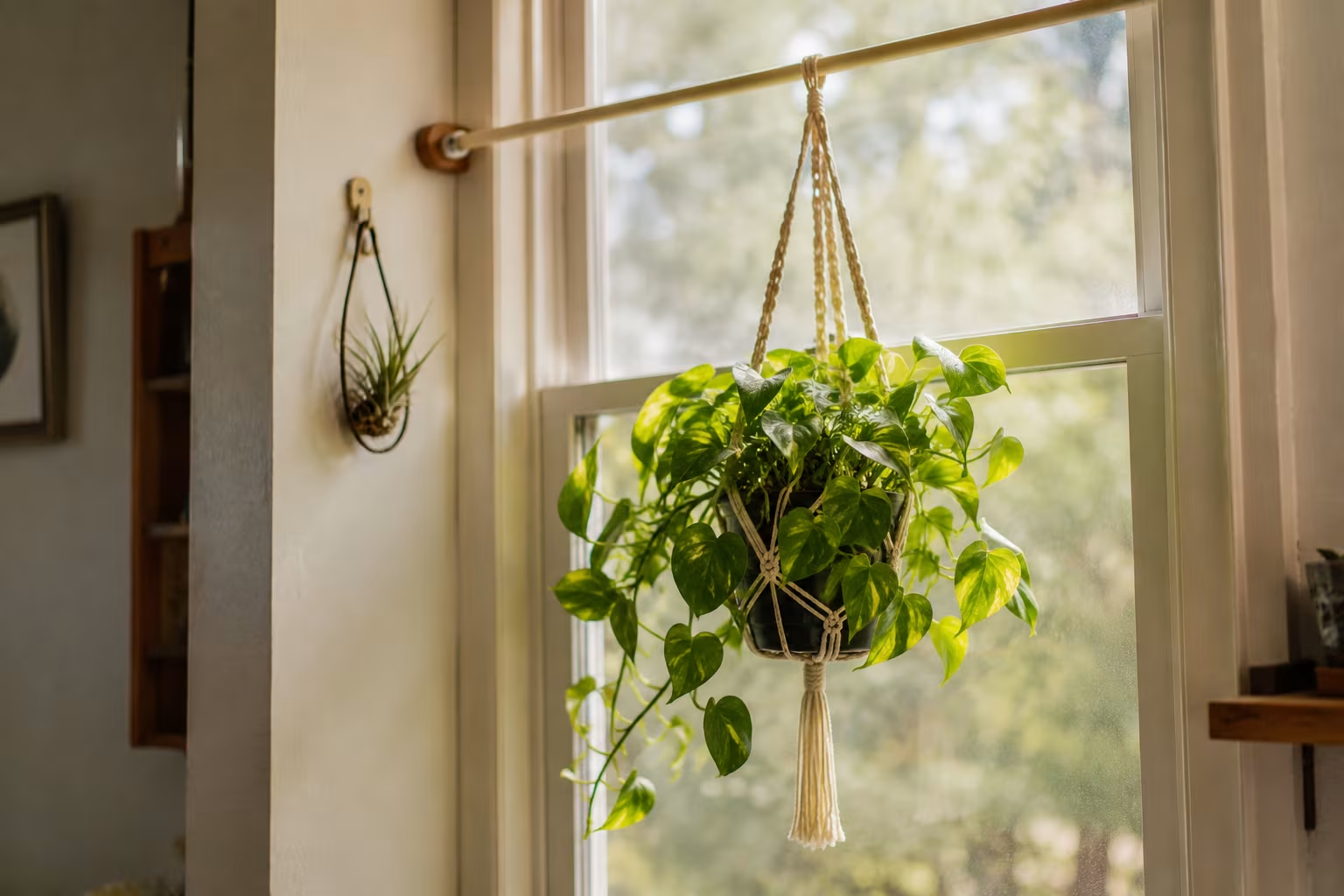
Vary height and texture rather than lining plants up in matching pots. Put a larger plant on the floor in a corner, cluster smaller ones on the desk and shelves, and hang a trailing pothos or philodendron so greenery moves at eye level. Thrifted ceramic pots at a few dollars each do the work of pots that cost far more new, and you can propagate pothos and philodendron cuttings in water for free, so one plant becomes several over a couple of months.
Maximize Natural Light
Daylight regulates alertness and mood, so treat it as a primary material. Position your desk to catch light from the side rather than head-on, which avoids screen glare while still flooding the space. Swap heavy curtains for sheers or light-filtering blinds. If the room has no usable window, full-spectrum LED bulbs in the 5000K to 6500K range approximate daylight far better than warm overhead fixtures, and a daylight-balanced desk lamp helps in the afternoon slump.
A mirror placed opposite or adjacent to the window bounces light deeper into the room and makes a small office feel larger. A large framed mirror from a flea market, often $15 to $25, repainted in a muted sage or clay tone, does this cheaply. Angle it to reflect the window or a plant rather than a blank wall.
Bring in Natural Materials and Textures
Our eyes and hands respond to texture, so replace plastic and synthetic surfaces with wood, cork, jute, linen, and stone wherever you can. These materials read as warm and grounded even in small doses. A desk organizer built from scrap plywood, a wooden picture frame repurposed as a pen tray, or a woven basket for loose files all shift the feel of a workspace. Add a small wool or jute rug, a linen mouse pad, and a stone coaster, and the room stops feeling sterile. For storage that hides clutter while staying on-theme, lean on aesthetic storage solutions in natural fibers.
Add Organic Shapes and a Calm Color Palette
Nature rarely uses sharp, straight lines, so introduce curves to counter the hard geometry of office furniture. Choose accessories with rounded edges, a round mirror, or a vase with an irregular form. A cleaned piece of driftwood, a framed pressing of real leaves, or botanical wall art all echo natural shapes at little cost.
Pair those shapes with an earthy palette drawn from the outdoors: greens, blues, warm browns, cream, and soft gray. These hues are less stimulating than bright synthetics and let plants and art stand out. You do not need to repaint. Start with a forest-green pen holder, a clay-toned storage box, or a couple of landscape prints, and let those anchor the scheme. If your office connects to other rooms, keep the palette consistent so the eye reads calm continuity, a principle covered in creating visual flow between connected rooms.
Engage Sound and Scent
Biophilic design is not only visual. A small tabletop fountain running on a low-cost pump introduces the sound of moving water, which many people find steadying during focused work. For scent, skip artificial sprays and use an essential oil diffuser with cedarwood or pine to feel grounded, or citrus to feel alert. Even opening a window for a few minutes to let in fresh air and outdoor sound resets a stuffy room. When a live view is not available, a nature-sound app supplies the auditory layer.
Create a View, Even a Faux One
A restful thing to look at gives your eyes a break from the screen and reduces fatigue. If you have a pleasant window view, orient the desk to use it. If the window faces a wall, build a substitute: a high-resolution forest or coastline photo in a simple wood frame, hung within sight of the desk, gives the eye somewhere to rest. A large plant staged as a green backdrop or a mirror reflecting a leafier corner of the room works the same way. The goal is a point of visual escape, not literal scenery.
Declutter So the Space Can Breathe
Clutter undercuts every other move, because a busy surface keeps pulling attention no matter how many plants surround it. Clear the desk to the tools you use daily and route the rest into the natural-fiber baskets and wooden boxes from earlier. Nature looks complex but usually carries an underlying order, and that is the feeling to aim for. Complement the physical tidy with a few well-chosen desktop pieces rather than many, drawing on simple budget-friendly office supplies to keep surfaces functional and quiet.
Common Mistakes to Avoid
Three errors undo most biophilic offices. The first is buying plants you cannot maintain; start with the hardy species in the table and add fussier ones only once those thrive. The second is assuming it requires money, when thrift stores, yard sales, free cuttings, and reclaimed wood cover most of the work. The third is treating it as a one-time project rather than a habit, then letting the plants dry out and the desk re-clutter within weeks. Pick one or two steps that resonate, get them stable, and add the next. A single well-placed plant plus a cleared desk is a real start, and consistency is what turns a workspace into one you actually want to sit in.
Related Posts
Area Rug Size Under Dining Table
A rug too small under dining table looks like a mistake. Chairs must stay on rug when pulled out.

Sofa Pillow Combinations That Don't Fight
Throw pillows pile up over years. Rules for color, texture, pattern, and size.
Light Fixture Height Over Dining Table: The Rule
The right pendant light height over a dining table is calculated, not guessed. The standard...
Hanging Plants Without Ceiling Hooks for Renters
Hanging plants brighten any room but drilling into the ceiling isn't always an option....
Comments
No comments yet. Be the first to share your thoughts!