
How to Set Up a Functional Craft Room in a Spare Bedroom
Spreading craft projects across the dining table, a garage corner, and the guest bed costs you time before you ever start making anything. A dedicated room removes that friction: supplies stay grouped, surfaces stay clear, and the setup step that kills momentum disappears. You do not need a large room or new furniture to get there. A spare bedroom, a weekend, and some secondhand pieces cover most of it.
This walks through planning the space around how you actually work, setting up surfaces and storage, and the maintenance habits that keep a craft room from sliding back into chaos.
Why a Dedicated Space Changes Your Output
When supplies live in three different boxes, most of your crafting energy goes into hunting and clearing rather than making. A fixed space reverses that. Tools have homes, the surface is ready, and starting a project takes minutes instead of half an hour. That reduced setup cost is the real payoff, more than any single organizer, because it lowers the barrier to sitting down and working at all.
Plan Before You Move Anything
The most common mistake is diving in and organizing without a plan, which produces a tidier version of the same mess. Start by naming what the room is actually for.
Be honest about your real habits rather than your aspirational ones. If you dream of a full pottery studio but only touch clay once a year, the room should serve your weekly crafts first. Work through three questions:
- Identify your core crafts. List your top two or three hobbies. These set the dominant requirements, a heavy bench for woodworking versus bright, even light for detailed paper cutting.
- Inventory your supplies. Group everything by craft and note the bulky items, fabric bolts, lumber, a sewing machine, that need dedicated spots.
- Map your workflow. If you move between a cutting area and a gluing area, plan those stations close enough to flow but separate enough not to cross-contaminate.
Think in Zones
Even a small spare bedroom works better split into activity zones. The key division for mixed crafters is a "messy" zone for anything that throws dust or debris and a "clean" zone for paper, fabric, and paint. Keeping sawdust away from delicate stock solves a problem before it starts. From there you might add a cutting zone, an assembly zone, and a drying zone so supplies never merge into one intimidating pile.
Declutter First
Before a single supply enters the room, sort your existing stash into three piles: keep, donate or sell, and trash. The test is simple, if you have not used it in a year or two and it holds no sentimental value, it goes. Decluttering first cuts the volume you have to organize and reveals how much usable space you actually have.
Setting Up the Room
With planning done, turn the room into a working space. It does not need to be finished on day one; get the core functions right and refine from there.
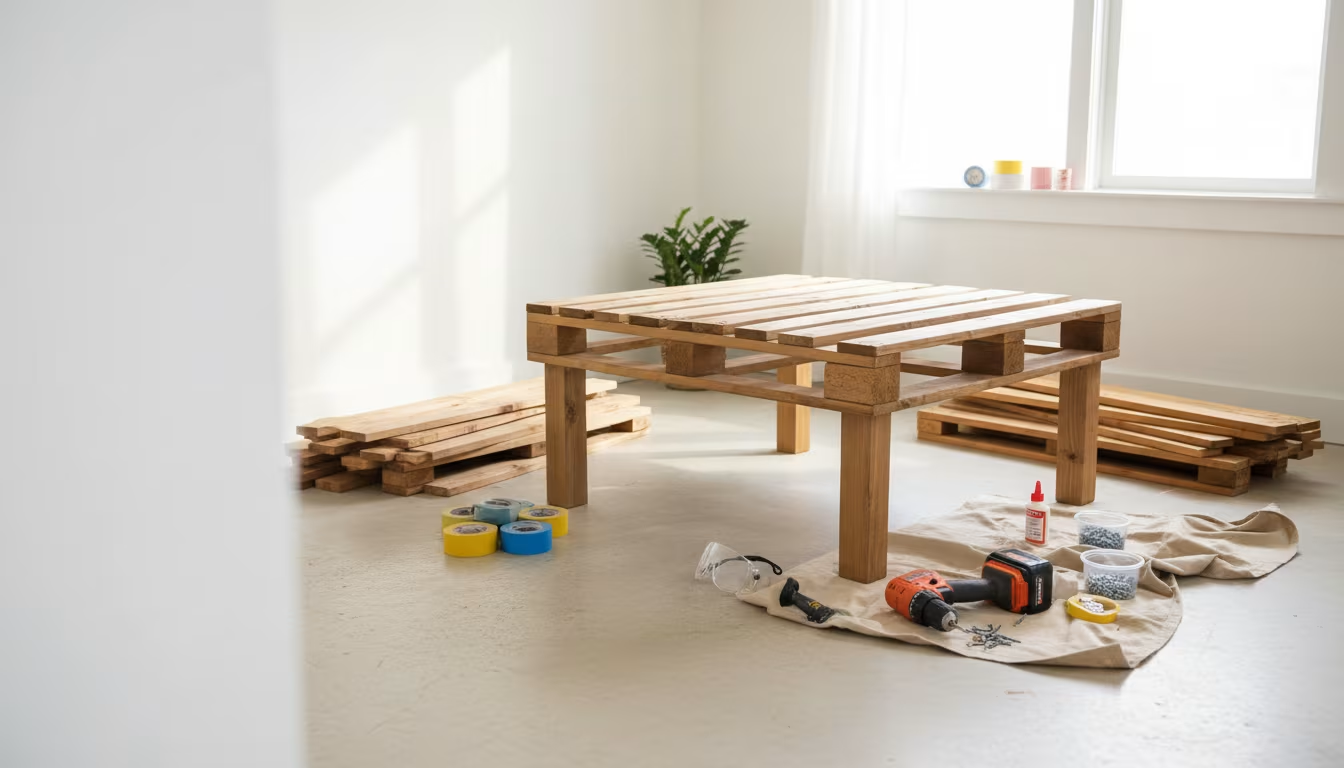
Empty and deep clean. Clear out any furniture or forgotten boxes so the room is genuinely empty, then vacuum, wipe walls, and clean windows. A blank, clean room also shows you where the light falls and where the outlets are.
Map zones on the floor. Use painter's tape or newspaper to mark where the bench, storage, and stations will go. This catches problems on paper, a large central table can block access to a tool cabinet, before you haul anything heavy into place.
Bring in work surfaces. You do not need new craft furniture. Sturdy secondhand tables, old dressers, and desks work well; a solid flat surface matters more than the label. Thrift stores and garage sales routinely turn up usable desks for $15 to $30, and buying secondhand is the same instinct behind sourcing decor from local thrift stores. For woodworking, prioritize a heavy bench that will not walk when you saw or sand.
Storage: Go Vertical
Once surfaces are in, corral the supplies, and in a spare bedroom the walls are your best real estate. Three workhorses cover most needs: clear plastic bins so you can see contents without opening every lid, a pegboard for frequently used tools, and wall-mounted shelves. A pegboard mounts in about an hour and puts scissors, thread, and tape within reach; the pegboard system takes standard hooks and small baskets so you can reconfigure it as your tools change. Repurposing works too, an old spice rack holds small paint bottles, magazine files store cardstock or thin wood sheets.
Lighting, Ergonomics, and Power
Good lighting is non-negotiable for detailed work. Position your main surface near a window for natural light, then add task lighting on top of it. An adjustable desk lamp handles fine detail, and a secondhand lamp for a few dollars covers late-night sessions.
Ergonomics just means the space is kind to your body. An adjustable chair matters if you sit for long stretches, and work surfaces should sit at a height that keeps your shoulders relaxed to avoid back and neck strain. Standing tasks like cutting want a higher surface than seated detail work.
Plan for power early. Sewing machines, glue guns, power tools, and chargers all compete for outlets. Mount a power strip with a surge protector under the bench to keep plugs off the floor, and route cords so nothing becomes a trip hazard.
Personal Touches
Once the room functions, make it somewhere you want to be. A mood board with fabric swatches or paint chips, a few finished pieces on display, a rug, or a plant all warm the space up. These touches cost little and matter more than they sound, an inviting room pulls you back to it, which is the whole point. Some of the same aesthetic storage ideas that work for a home office translate directly here.
Common Mistakes and How to Avoid Them
Hiding everything. Tucking every item into closed bins looks neat but buries your tools. Visible storage, pegboards, open shelves, clear containers, is more functional for anything you reach for often.
Buying storage before decluttering. It is tempting to buy every organizer you see, then end up with empty bins or the wrong kind. Assess your needs after decluttering and buy versatile storage that adapts as your hobbies shift.
Not cleaning as you go. Leaving tools out and scraps on the table turns your next session into a cleanup session. Spend five to ten minutes at the end of each sitting putting tools back and wiping surfaces.
Burying your most-used tools. If daily tools sit at the back of a high cabinet, you will avoid them. Organize by frequency, everyday items within arm's reach, monthly items stored further out.
A craft room is never truly finished; it evolves as your hobbies and tools change. Get it functional enough to start, then adjust. The goal is a space that lowers the barrier to creating, not one more project that adds to your stress.
The setup sequence that sticks:
| Step | Rule | Note |
|---|---|---|
| Name the room's job | top 2–3 crafts set requirements | serve weekly habits, not aspirations |
| Zone it | messy (dust/debris) vs clean (paper/fabric) | add cutting, assembly, drying zones |
| Declutter first | unused 1–2 years + no sentiment = out | reveals real space |
| Furnish secondhand | desks routinely $15–$30 thrifted | core functions first, refine later |
Related Posts

Workshop Air Compressor Sizing: CFM and SCFM
Air compressor matched to your tools means smooth work; too small means constant waiting. CFM...

Workshop Dehumidifier Sizing for Tool Rust Prevention
Tools rust silently when shop humidity sits over 60%. The pint capacity that matches your shop...
Bench Vise Sizing and Mounting for First-Time Buyers
Bench vises bolted to scrap plywood pull right out. The right size for the work, the right...
Soundproofing a Basement Workshop on a Renter's Budget
Basement shop noise traveling up to the family room is how you lose workshop privileges. The...
Comments
No comments yet. Be the first to share your thoughts!