
Seasonal Decor Ideas to Transform Your Home

Changing a home with the seasons does not require a new furniture set four times a year. It requires a small set of swappable pieces, a neutral backdrop that works underneath all of them, and a clear plan for what goes into storage when. Done that way, seasonal decorating costs a modest amount up front and almost nothing in the years that follow.
The pieces that carry a seasonal look are the ones you touch and see most: throw pillows and their covers, blankets, table centerpieces, and a few candles or stems of greenery. Everything below is organized around swapping those, not replacing anything structural. The four seasons of the temperate year each suggest a palette and a set of textures, and once you know them the changeovers take an afternoon.
Autumn: Warm Color and Heavier Texture
Autumn decor is built on earthy color and the shift from smooth summer fabrics to something you want to touch. Work from a palette of burnt orange, deep red, mustard yellow, and warm brown, and let one of those dominate rather than using all four at once. Trade lightweight cotton throws for flannel, wool, or chunky knit; a single knit blanket over the arm of a sofa changes the temperature of a room visually before it does anything physical.
For centerpieces, group pumpkins, dried leaves, pinecones, and a few pillar candles down the middle of a table or across a mantel. Odd numbers and varied heights read as more natural than a symmetrical row. A wreath of autumn leaves or a cluster of small pumpkins by the front door sets the tone before anyone steps inside. To spend almost nothing, collect pinecones and fallen leaves on a walk, let them dry for a few days, and finish some with a light pass of gold or copper spray paint for a centerpiece that costs the price of one can.
Winter: From Festive to Calm
Winter splits into two phases. Through December the palette leans festive, but the weeks after the holidays call for something quieter, and planning for both saves you from a bare room in January. Build on icy blue, crisp white, deep green, and metallic silver or gold. Pile on the textures cold weather invites: faux-fur throws, chunky knits, and a plush rug underfoot where floors run cold.
During the holidays, a decorated tree, garlands, and warm-white fairy lights do most of the work. Scented candles in cinnamon, pine, or vanilla add the layer you smell rather than see. When the decorations come down, keep a few sprigs of greenery and white accents so the space feels intentional rather than stripped. One safety habit matters here: keep any lit candle at least a foot from curtains, throws, and greenery, and never leave one burning in an empty room. Battery LED candles give the same glow with none of the risk near flammable fabric.
Spring: Light, Florals, and a Clear-Out
Spring decor is about lightening everything the winter piled on. Move to soft pastels: lavender, mint green, blush pink, and sky blue. Bring in flowers wherever you can, whether fresh stems in a jar, floral pillow covers, or a couple of botanical prints on the wall. This is also the natural moment to declutter, since packing away heavy winter textiles and clearing surfaces makes the lighter palette land.
Swap heavy drapes for sheer panels to let in the longer daylight, and try a small do-it-yourself project or two: fresh flowers arranged in mason jars, or a tired side table repainted in a pastel tone. Farmers' markets often sell cut flowers for noticeably less than a florist, which makes weekly fresh blooms affordable through the season rather than a one-off splurge.
Summer: Bright, Airy, and Outdoor-Ready
Summer wants energy and openness. Reach for vibrant color: turquoise, coral, lemon yellow, and plenty of crisp white to keep it from feeling heavy. Switch bedding and curtains to breathable cotton or linen, which feel cooler and drape lighter than winter fabrics. Extend the decorating outdoors by dressing a patio or balcony with weatherproof cushions, a lantern or two, and an outdoor rug that defines the space.
For a coastal note, a bowl of seashells, a piece of driftwood, or a framed ocean print does more than a room full of themed objects. Indoor plants earn their place now: a palm or a monstera adds height and a summer-ready green without any seasonal buying at all. Pressed flowers or shells gathered on a trip make personal wall art for the cost of a frame.
Building a Neutral Base That Carries Every Season
The reason seasonal decorating feels expensive is usually that people try to change the big, costly things. The fix is a neutral foundation. Keep large furniture, walls, and rugs in white, gray, beige, or natural wood tones, and let those stay put all year. Against that backdrop, small colored accessories do the seasonal talking, and because the base never fights them, anything you add looks deliberate.
Concentrate your budget on the swappable layer: pillow covers rather than whole pillows, folded throws, table runners, and wall art light enough to change out. Buying covers instead of full cushions is the single biggest saving, since a set of four covers stores flat in a shoebox and costs a fraction of four new pillows. Multi-purpose pieces stretch further still; a plain glass vase holds copper branches in autumn, bare stems in winter, tulips in spring, and wildflowers in summer without ever looking out of place.
A Room-by-Room Approach
You do not need to decorate every room for every season, and trying to is what makes the job feel endless. Focus on the shared spaces people actually pass through and gather in: the entryway, the living room, and the dining table. A seasonal wreath or mat at the door, refreshed pillows and a throw in the living room, and a changed centerpiece on the table cover roughly ninety percent of what anyone notices.
Bedrooms and bathrooms can carry a single small nod each, such as a swapped hand towel or a stem of seasonal greenery, or be left alone entirely. In a small apartment, lean on vertical space and compact pieces: wall art, a couple of pillows, and one modest centerpiece deliver the seasonal shift without crowding limited surfaces. Restraint reads as intentional; every surface covered reads as clutter.
Storing and Rotating Without the Chaos
A rotation only stays easy if off-season items are stored so you can find them. Sort decor into four labeled bins, one per season, and keep them somewhere you can reach without unstacking the whole closet. Clear bins let you see the contents at a glance; opaque ones need a clear label on the end that faces out. Wrap anything fragile, such as ceramic pumpkins or glass ornaments, in the very textiles you are storing alongside them, which protects the pieces and saves on packing material.
When you swap, take everything for the incoming season out first, then pack the outgoing pieces into the bin you just emptied, so nothing sits homeless on the floor. Slip a short note in each bin listing what belongs there and what you meant to replace, and the next changeover becomes a fifteen-minute task instead of an archaeological dig. Reusable bins, DIY natural elements, and a handful of quality basics make the whole system sustainable in both senses of the word, keeping a home in step with the calendar for years on the strength of one thoughtful setup.
The swap kit that carries every season:
| Piece | Why it carries the look | Rule |
|---|---|---|
| Pillow covers | cheapest full color change | covers, not whole pillows — they store flat |
| Throws | texture signals the season | flannel/knit for cold, light cotton for warm |
| Centerpieces | table and mantel set the tone | odd numbers, varied heights |
| Candles / greenery | scent is the invisible layer | lit flames a foot from fabric — LED near throws |
| Neutral backdrop | works under all four palettes | nothing structural changes |
Related Posts
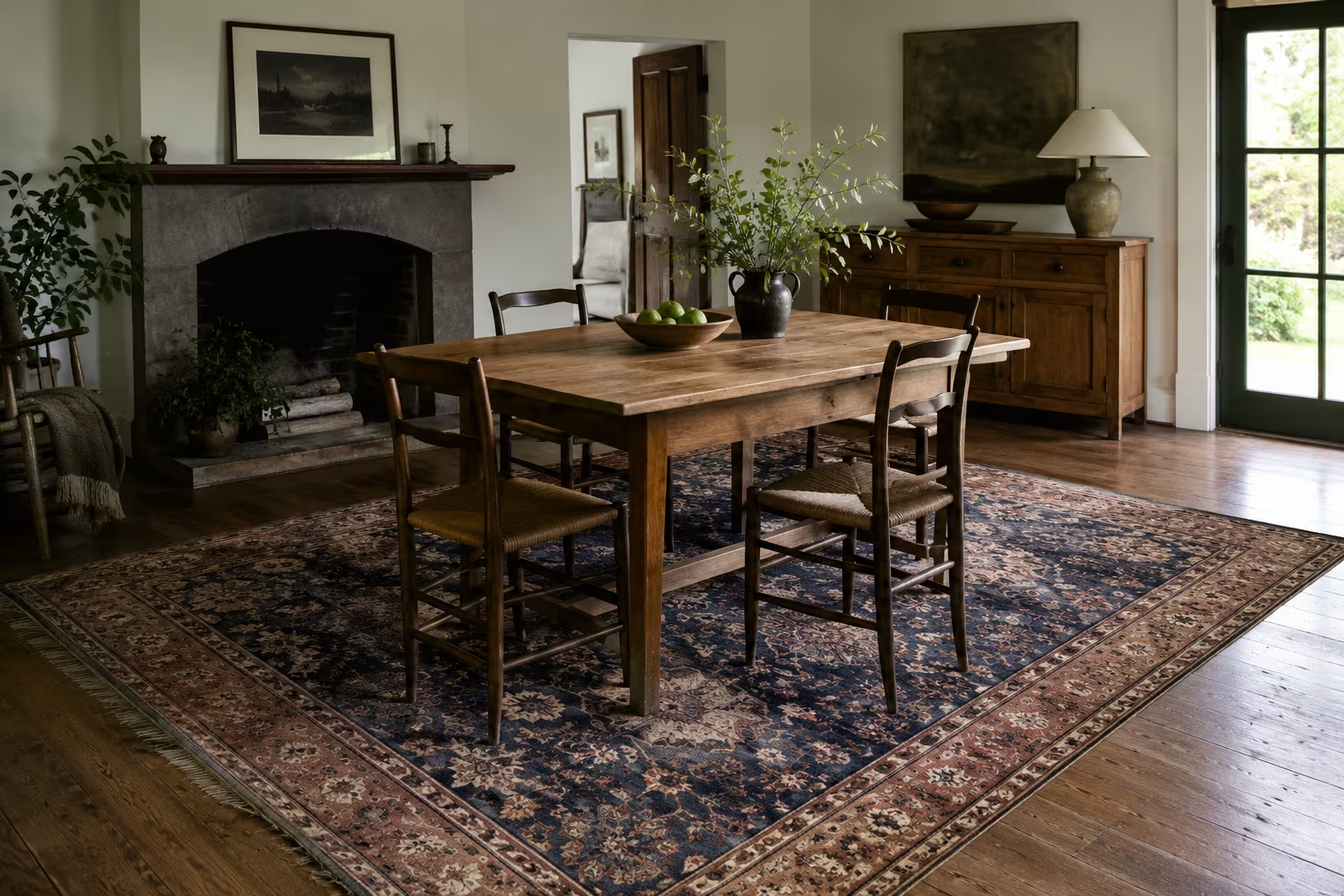
Area Rug Size Under Dining Table
A rug too small under dining table looks like a mistake. Chairs must stay on rug when pulled out.

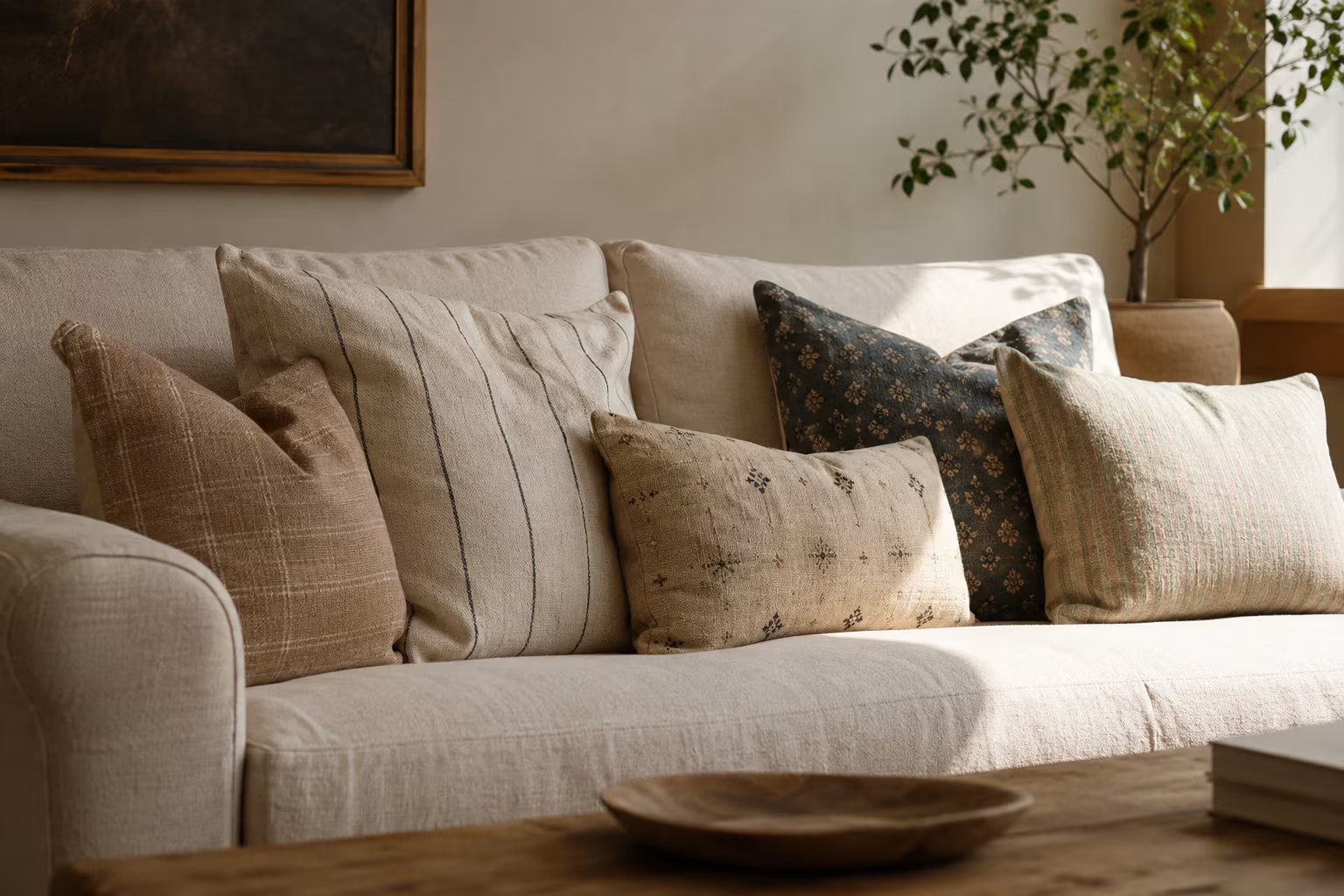
Sofa Pillow Combinations That Don't Fight
Throw pillows pile up over years. Rules for color, texture, pattern, and size.
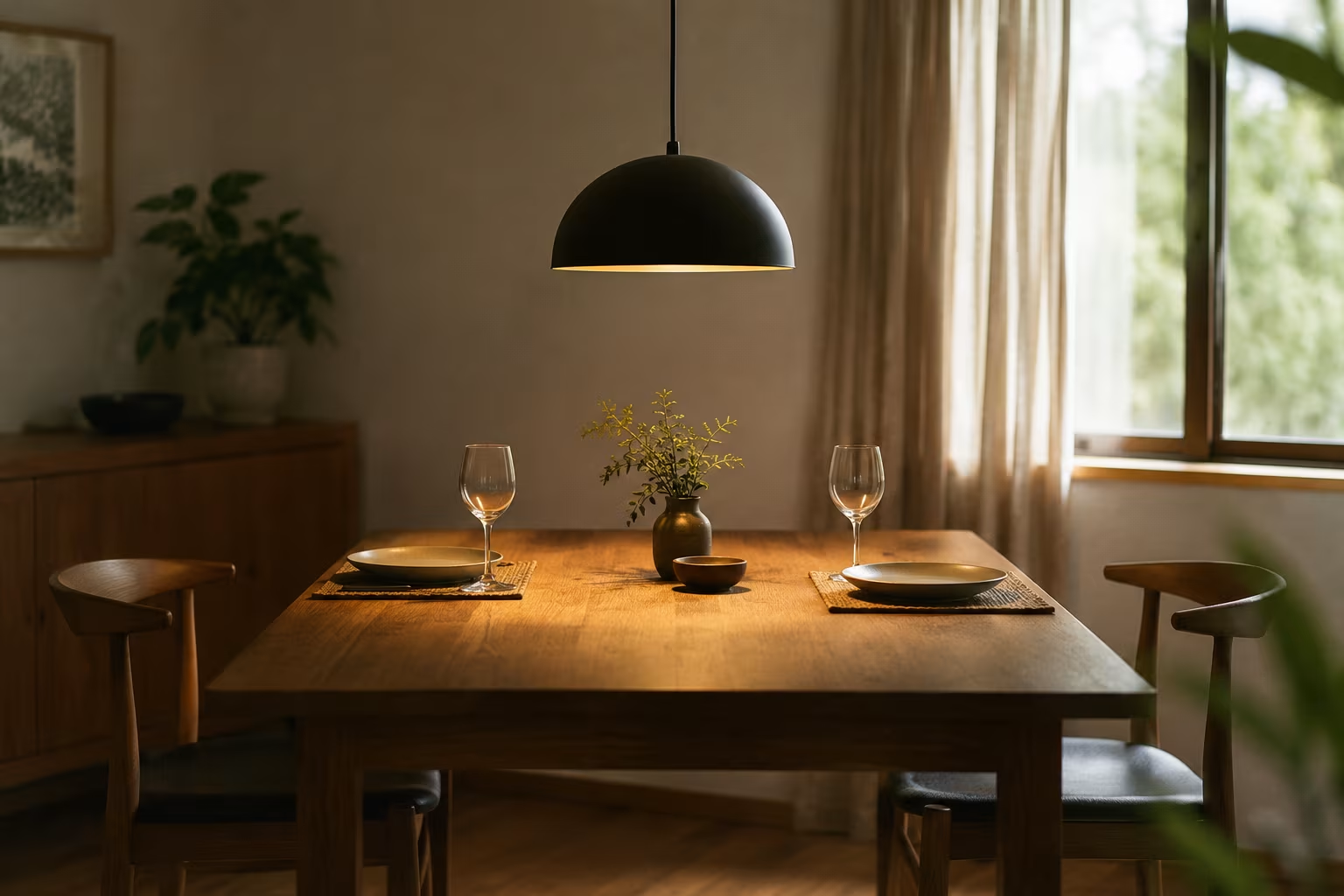
Light Fixture Height Over Dining Table: The Rule
The right pendant light height over a dining table is calculated, not guessed. The standard...
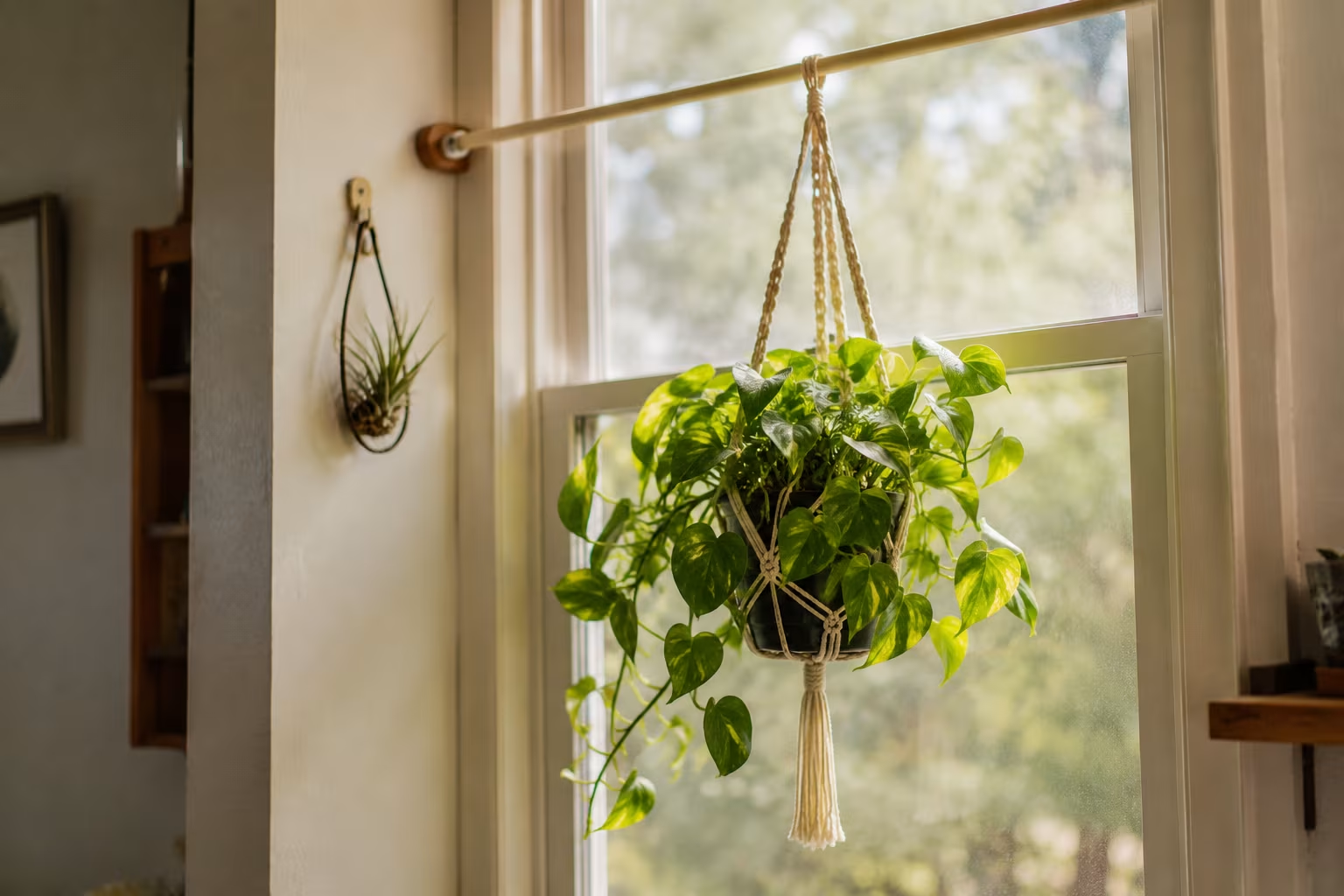
Hanging Plants Without Ceiling Hooks for Renters
Hanging plants brighten any room but drilling into the ceiling isn't always an option....
Comments
No comments yet. Be the first to share your thoughts!