
Hanging Plants Without Ceiling Hooks for Renters
The short answer
Hanging plants don't have to come from ceiling hooks. Tension rods, wall-mount swing brackets, plant stands with hanging arms, and macramé hangers from window frames all carry real plant weight without drilling into ceilings. For renters, this matters; ceiling holes are often non-negotiable damage and lose deposits.
The right alternative depends on the plant weight and where you want it to hang. Light trailing plants (pothos, philodendron) work with adhesive-mounted hooks rated for 5-7 pounds. Medium plants (fern, spider plant) need wall-mounted brackets screwed into studs. Heavy plants (large monstera, mature trailing plants in big pots) require structural mounting points.
The biggest mistake is overloading adhesive hooks. The package may say "10 pounds" but real-world performance is closer to half that under sustained load. Plant water weight matters too — a small pot weighing 2 pounds dry can weigh 5 pounds wet.
Tension rods as plant supports
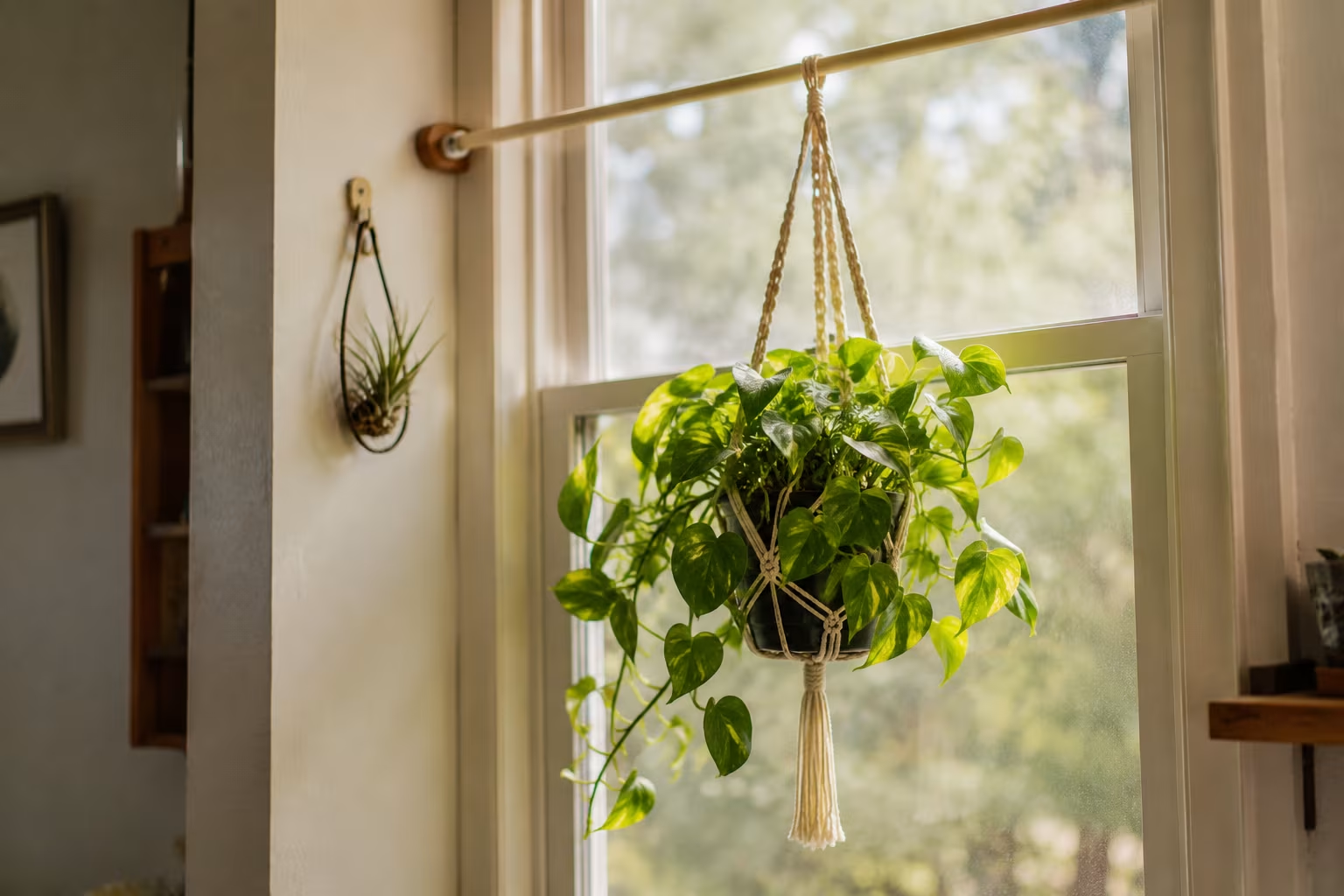
A tension rod across a window opening, doorway, or between two walls creates an instant hanging point.
Strength tension rods support 10-30 pounds depending on the rod's quality and the pressure between supports. Several small hanging plants from one rod is reasonable.
Installation extend the rod between two solid surfaces, twist to lock. No drilling, no tools.
Limits works only where two surfaces face each other within the rod's range (about 20-72 inches for standard rods).
Aesthetics the rod is visible; choose a color that matches the room (black, white, brushed nickel).
Wall-mounted swing arms
Wall-mounted plant brackets swing out from a wall and hold a hanging plant.
Installation screw mounted to a wall stud (preferred) or with heavy-duty drywall anchors. Drills two holes typically.
Weight capacity 15-40 pounds depending on bracket design. Most modern brackets carry full-grown trailing plants without issue.
Aesthetics visible bracket arm becomes part of the room design. Black iron looks industrial; brass or copper looks classic.
For renters minor wall damage (two screw holes) is usually acceptable. Fill with spackle and paint touch-up at move-out.
Plant stands with hanging arms
Free-standing plant stands include built-in hooks or arms for hanging plants.
No installation stands sit on the floor. Move them anywhere without commitment.
Weight typically holds one or two medium hanging plants in addition to plants sitting on shelves below.
Style range minimalist mid-century brass to industrial pipe to organic bamboo.
Suitable for rooms where wall or ceiling mounting isn't possible, or where you want the flexibility to rearrange.
Adhesive hooks for light plants
Command-style adhesive hooks work for light hanging plants in specific situations.
Weight rating cheaply 3-5 pounds; premium 7-10 pounds. Stay well below the rating for sustained load.
Wall surface clean smooth painted walls hold adhesive hooks reliably. Textured walls, wallpaper, brick fail.
Plant weight weigh the plant including pot and wet soil. A small terracotta pot weighing 1 pound dry can weigh 3 pounds wet.
Best uses small air plants, light trailing plants in lightweight pots, dried plant arrangements.
Renter friendly: removes without damage if the wall paint is good. Test in an inconspicuous spot first.
Drilling holes for permanent solutions
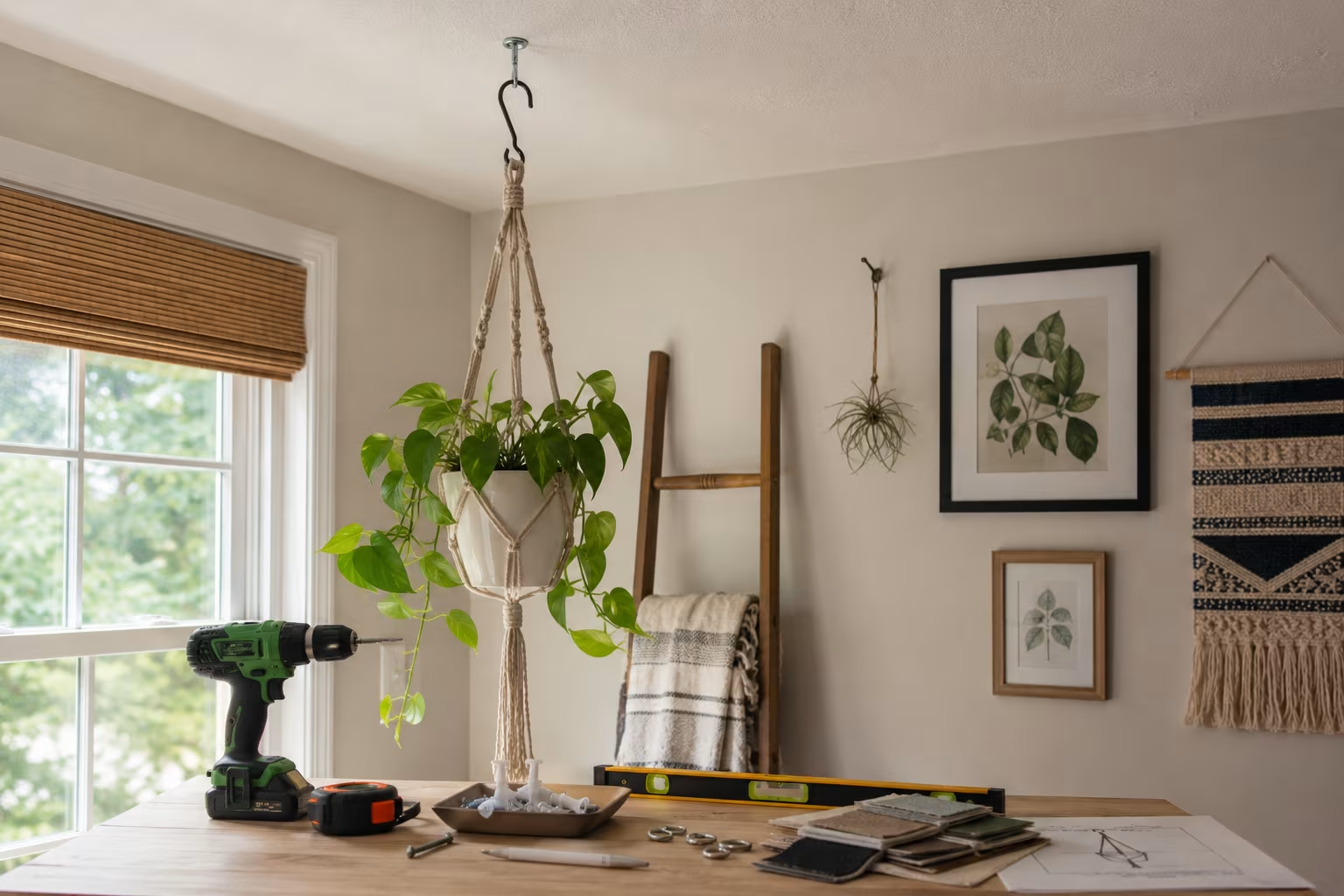
For owners who can drill, ceiling hooks are still the strongest option.
Toggle anchors penetrate ceiling drywall, swing open behind, hold up to 50+ pounds. The right choice for medium-heavy hanging plants in drywall ceilings.
Joists locate ceiling joists with a stud finder. Screw eye hooks directly into joists for maximum support. The right choice for heavy plants.
Existing fixtures light fixtures, ceiling fans sometimes have nearby usable structural points.
For owners considering hanging plants, planning ahead matters: knowing where studs and joists are makes mounting easy. A simple stud finder costs little and pays back across many home projects.
Plant care for hanging plants
Hanging plants need slightly different care than potted plants.
Watering drips down. Place a saucer below, or remove the plant for watering and let drain before rehanging.
Sun exposure hanging plants in windows get strong direct light, often too much for plants needing indirect light. Adjust position based on plant species.
Pests spider mites, scale, and mealy bugs find hanging plants easily and spread to nearby plants. Inspect monthly.
Rotation hanging plants don't get turned naturally. Rotate the pot weekly so all sides receive even light.
Common mistakes
Using one hook for a too-heavy plant. The hook holds initially but the adhesive fails over weeks under sustained load.
Adhesive on textured ceiling. Even premium adhesive doesn't stick to popcorn texture or heavy stucco.
Hanging directly over furniture or food preparation areas. Water drips and falling leaves create maintenance problems.
Ignoring water weight. A potted plant gains 50-100% weight when watered. Calculate hanger needs based on wet weight.
The hanging plant aesthetic is achievable without damaging ceilings. Match the solution to the plant weight, the wall surface, and the room layout, and the plant becomes a deliberate part of the decor rather than a constant source of stress about whether it will fall.
Wall-Mounted and Door Frame Alternatives
When ceiling installation isn't feasible — rental restrictions, concrete ceilings, hollow drywall without joist access — wall-mounted plant solutions offer practical alternatives. Wall-mounted plant brackets attach to wall studs or with toggle anchors and project 6-18 inches from the wall surface. Quality brackets like Mkono Macrame Plant Hangers Wall, Amagabeli Heavy-Duty Iron Wall Hooks, or West Elm Brass Plant Brackets run 15-45 USD per bracket (as of 2026 — confirm current pricing). Always check the rated capacity; cheap brackets often claim 20-pound capacity but fail at 5-7 pounds in real conditions.
Over-the-door hooks present another rental-friendly option. They drape over the top of a door without any drilling and can support 5-15 pounds depending on construction. Brands like Command Over-the-Door Hooks (3M) or Spectrum Diversified Over-the-Door Plant Hooks cost 10-25 USD. Limitation: the door must remain mostly closed for the plant to stay still, and frequent door slamming will eventually loosen the grip.
Curtain rods can hold lightweight trailing plants like pothos, philodendron, or string of pearls. Use S-hooks rated for at least 5 pounds and verify your curtain rod is securely anchored to studs or proper drywall anchors. This approach works particularly well for kitchens and bathrooms where you'd benefit from greenery near windows.
Freestanding Plant Stands and Towers
For renters or those committed to zero ceiling modification, freestanding multi-level plant stands provide the visual impact of hanging plants without any installation. Bamboo plant towers (UMI by Amazon Brand, Mkono Wood Plant Stand), wrought iron tiered stands (Yaheetech 5-tier, Amagabeli 4-Tier), and modern industrial pipe stands (Pipe Decor, ProHT) offer 4-8 shelf levels in vertical configurations.
Prices range widely: bamboo simple 4-tier stands from 35-80 USD, wrought iron decorative pieces 60-150 USD, premium industrial pipe constructions 100-300 USD. These supports can hold collections of 10-25 plants in roughly 2 square feet of floor space — efficient apartment living.
Corner plant stands in tall narrow configurations (Tall Skinny Plant Stand, NMN Designs Etagere) suit small spaces where every square foot matters. Many include grow light mounting points integrated with the structure.
Magnetic and Adhesive Solutions
For ultra-temporary applications (showings, photo shoots, very short rentals), magnetic plant holders attach to refrigerators, metal door frames, or metal range hoods. Magnetic terracotta pots from Boskke, Magnetic Floating Plant Pot (Lyfe), or simple magnetic shelf with potted plant (Master Magnetics) work for plants weighing under 2 pounds when wet.
3M Command Hooks rated for 5-7 pounds can suspend very small hanging pots without ceiling holes. They release cleanly when removed and leave no residue if applied correctly. Limitations: weight ratings are conservative and worth respecting; humid bathrooms or kitchens can weaken adhesive over months; falling pots damage both pot and floor.
Outdoor and Balcony Options
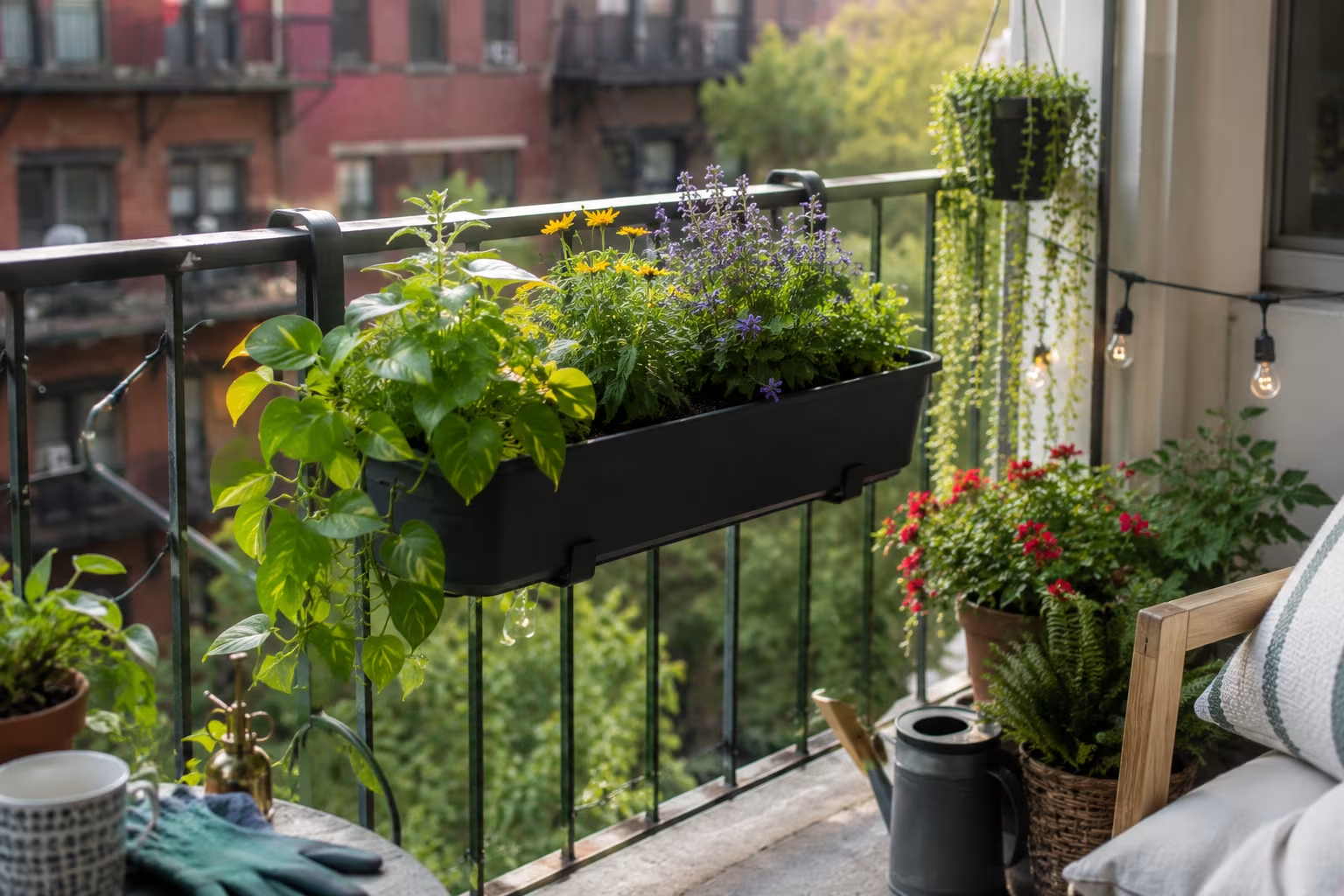
Apartment balcony rails accept clip-on rail planters (Bloem, Pure Garden Balcony Rail) without any drilling. These adjust to fit standard balcony rail dimensions (1-3 inches wide) and support plant weights up to 15-25 pounds. Look for UV-stabilized plastic or powder-coated metal versions for outdoor durability.
Tension rod plant systems work in windows and doorways with no installation. A simple shower tension rod (12-25 USD) installed horizontally across a window opening can support multiple S-hooks with hanging plants. The rod itself supports 25-50 pounds when properly tensioned against walls.
Plant Choice Affects Display Options
Some plants thrive in any hanging configuration; others struggle. Easy hanging plants for low-effort situations: pothos (almost indestructible), spider plant (purifies air, propagates easily), philodendron heartleaf (handles low light), string of pearls (dramatic visual, less forgiving), hoya carnosa (waxy leaves, slow grower).
Plants requiring more attention: ferns (love humidity but die quickly without watering), orchids (need specific light), air plants (no soil but daily misting in dry climates), trailing succulents (love sun and dry conditions).
For zero-ceiling situations, matching plant species to your specific display constraints prevents the frustration of buying beautiful plants only to watch them decline in unsuitable locations.
DIY Hanging System Examples
For renters comfortable with light construction, freestanding plant frames built from PVC pipe or wood scrap offer creative solutions. A 7-foot tall PVC frame with crossbars supports 4-6 hanging plants in a roughly 4x2-foot footprint. Materials cost 25-50 USD; assembly takes 30-90 minutes. The frame can be disassembled when moving.
Tension rod-based vertical gardens utilize floor-to-ceiling tension rods (sold for shower curtain applications) positioned in corners with multiple S-hooks attached. Two parallel tension rods 12 inches apart create a vertical "hanging garden" capable of supporting 8-15 small pots without any wall damage. Total cost: 30-80 USD.
Wooden plant ladders (DIY or store-bought from Anthropologie, World Market, Target) lean against walls without anchoring, providing 3-5 levels of plant display. Ladder dimensions matter: 6-foot ladders with 12-inch shelf widths typically support 30-50 pounds of total plant weight. They cost 50-150 USD ready-made; DIY versions from pallet wood take a weekend.
Lighting Considerations for Indoor Hangers
Hanging plants in window areas receive uneven light because the plants closer to glass get more, and plants behind tend to stretch (etiolate). Rotating plants quarterly keeps growth even. South-facing windows in northern hemisphere homes get the most intense light; east-facing windows offer gentle morning sun ideal for ferns and African violets; north-facing windows suit low-light plants like pothos, philodendron, and snake plant.
For deeper interior spaces, supplemental grow lights extend plant placement options significantly. Mars Hydro TS 600, Spider Farmer SF-1000, or modest 50W LED grow bulbs (15-40 USD each) provide enough light for medium-sized hanging plants in rooms without natural light. Modern grow lights produce minimal heat compared to old halogen versions and integrate with smart home timers via smart plugs.
Rental restrictions and unconventional ceilings shouldn't limit a houseplant collection. The solutions above range from zero-modification (over-door hooks, magnetic supports, tension rods) to minor wall anchors. Most renters can build a thriving 15-30 plant collection using only these alternatives, restoring the visual impact and air quality benefits of hanging greenery.
Maintenance Routine and Water Management
Hanging plants typically dry out faster than floor-standing potted plants because heat rises and air circulation around suspended pots is higher. A weekly inspection routine catches dehydration before damage occurs. The finger test (inserting a finger 1-2 inches into soil and feeling for moisture) remains the most reliable method despite numerous tech alternatives.
For watering above eye level, long-spout watering cans (Bloem 2-Gallon, Haws Long Reach Indoor Can) reach hanging plants without ladders. Self-watering hanging baskets (Hanging Eden, Ferplast Self-Watering) include reservoirs that release moisture slowly over 5-10 days; these reduce the watering frequency for plants in inconvenient locations.
Drip-tray systems prevent water damage to floors below. Most quality hanging pots include integrated saucers; for pots without them, separate plastic or terracotta saucers (3-8 USD each) catch overflow. Forgetting drip trays leads to water stains on hardwood floors and ceiling damage in lower units in apartment buildings — both expensive to repair. A simple Tuesday-evening watering routine maintained for 30 days establishes the rhythm and prevents both under-watering and over-watering crises. The plants reward consistent attention with steady growth and vibrant foliage. That mutual relationship is the quiet reward of indoor plant care.
Related Posts
Area Rug Size Under Dining Table
A rug too small under dining table looks like a mistake. Chairs must stay on rug when pulled out.

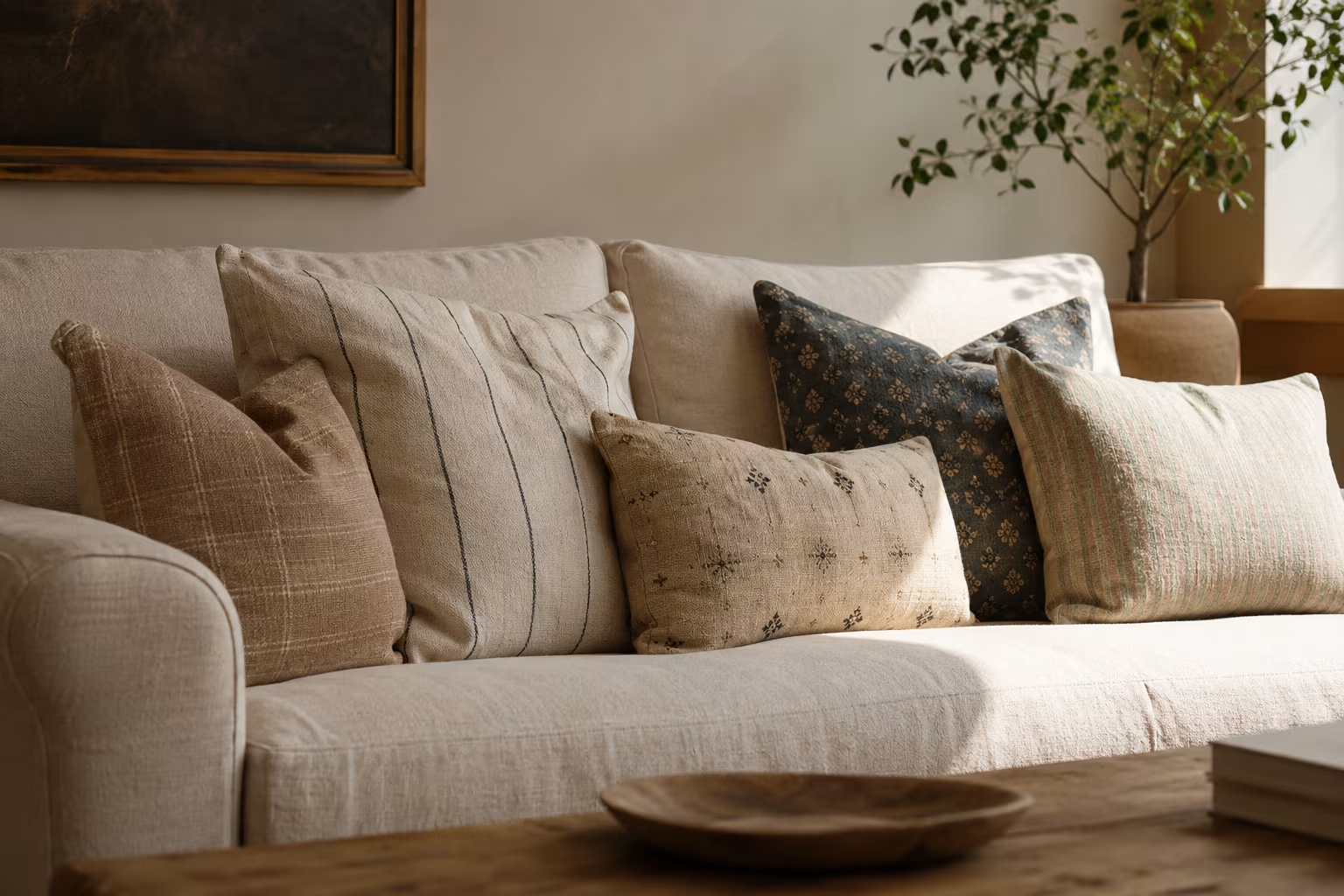
Sofa Pillow Combinations That Don't Fight
Throw pillows pile up over years. Rules for color, texture, pattern, and size.
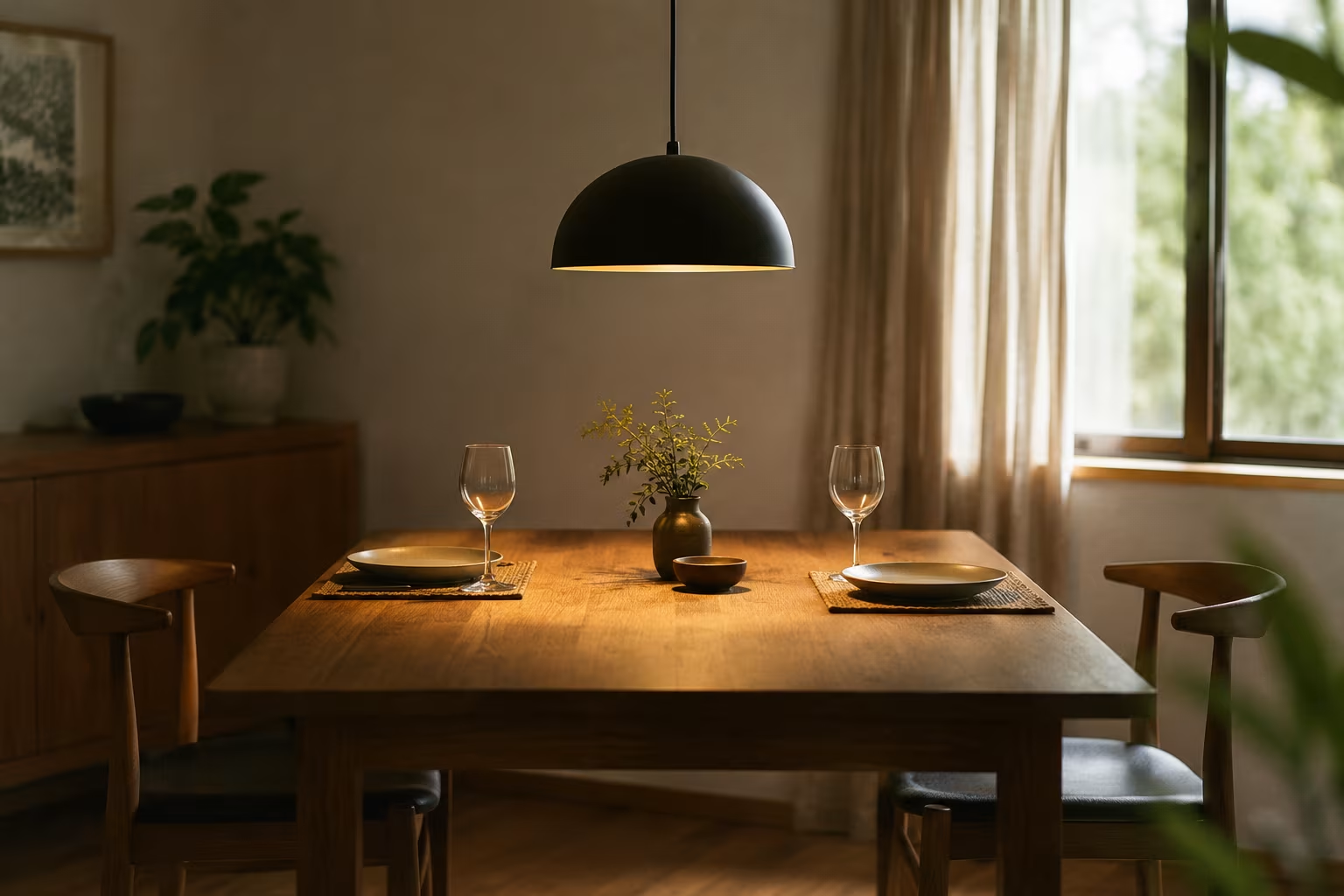
Light Fixture Height Over Dining Table: The Rule
The right pendant light height over a dining table is calculated, not guessed. The standard...
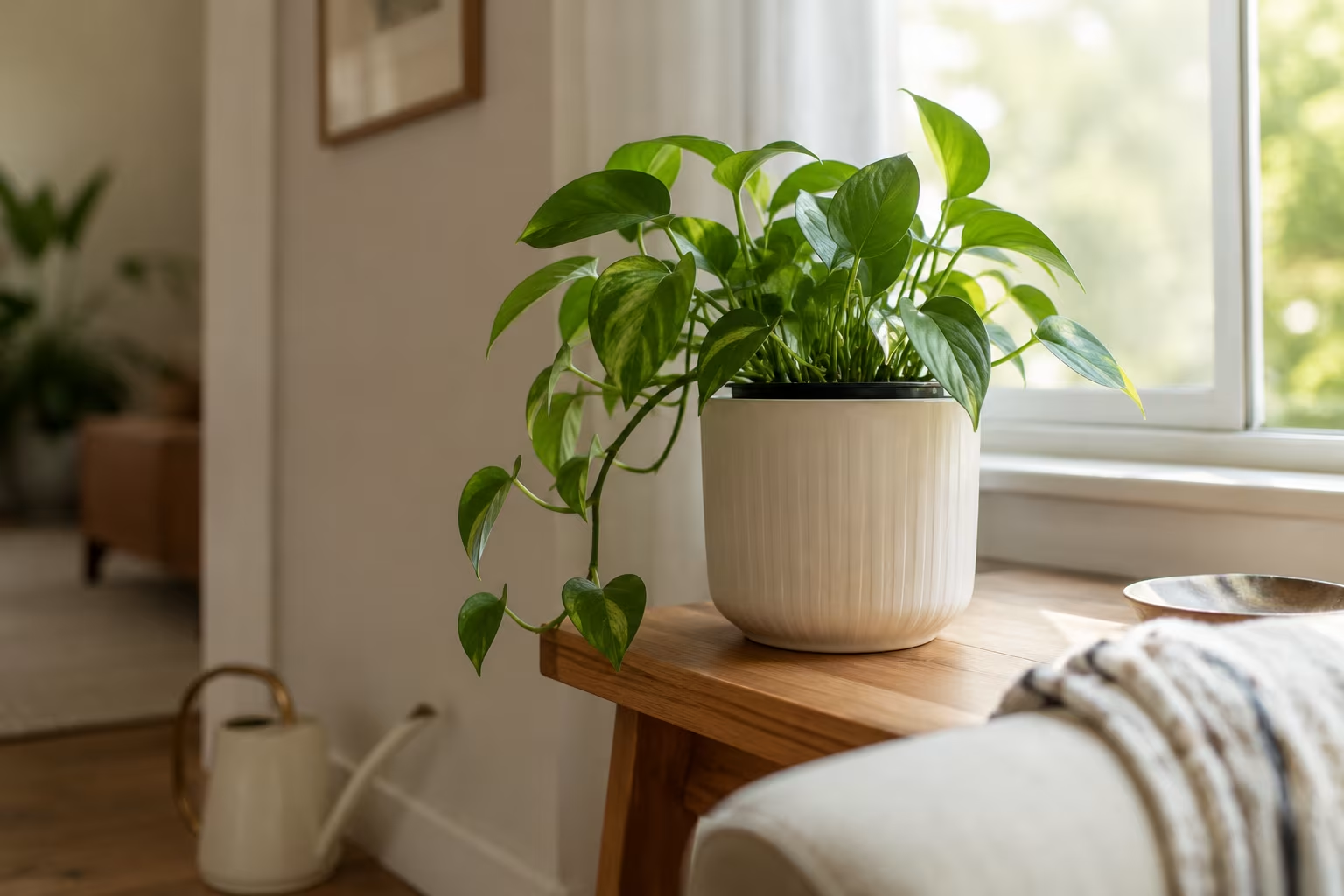
Indoor Plant Pot with No Drainage Hole: How to Make It Work
A no-drainage pot rots roots fast. Use the double-pot method, skip the gravel myth, pick...
Comments
No comments yet. Be the first to share your thoughts!