
Area Rug Size Under Dining Table
The short answer
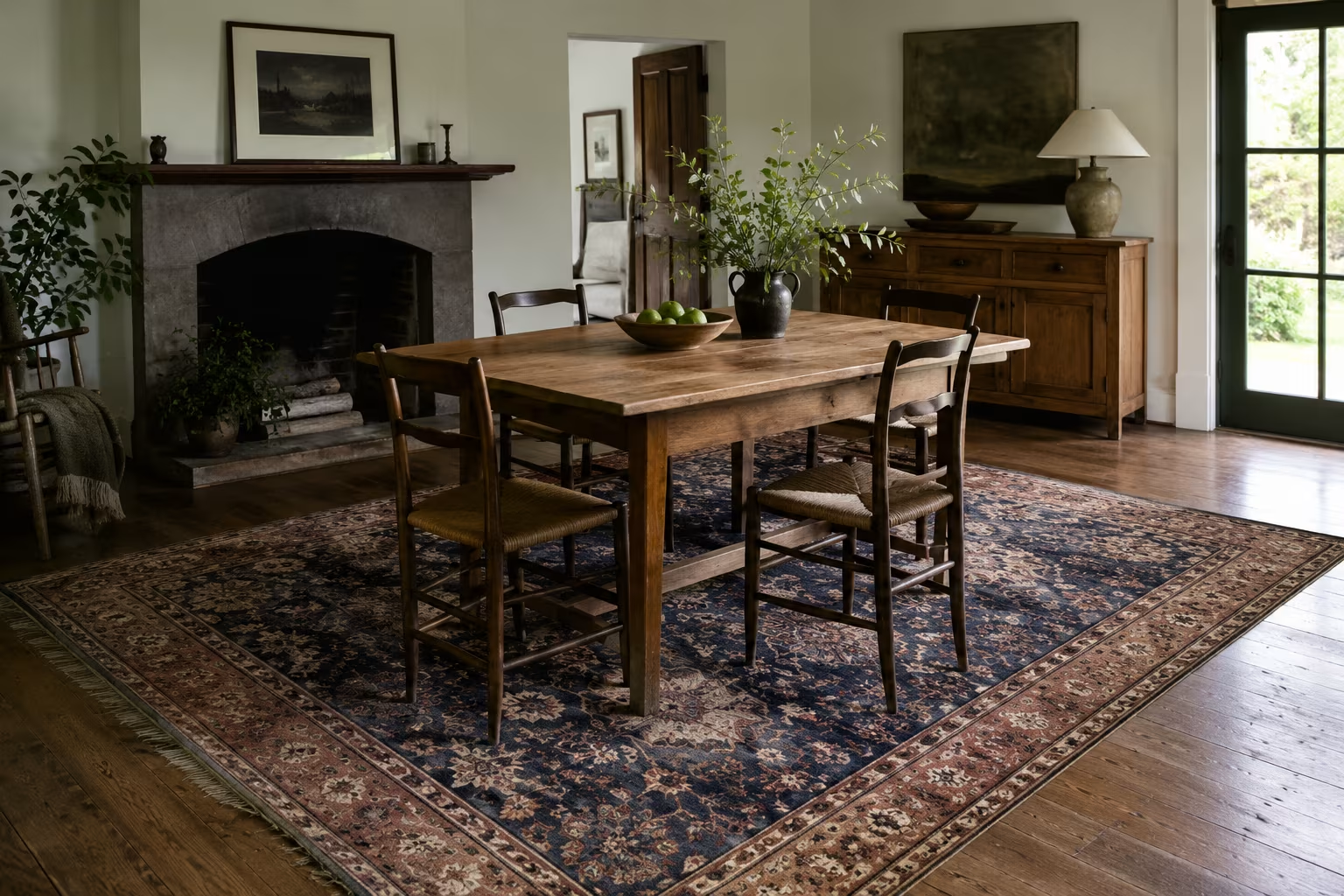
Area rug under dining table extends 24-36 inches beyond table on all sides. Chairs stay on rug when pulled out.
Sizing by table
48-60 inch round/square: 8x8 or 8x10. 60-72 round/rectangular: 9x12. 78-96 rectangular: 10x14+.
Shape matching
Round table: round or large rectangular. Rectangular: rectangular oriented same. Square: square or large rectangular.
Material
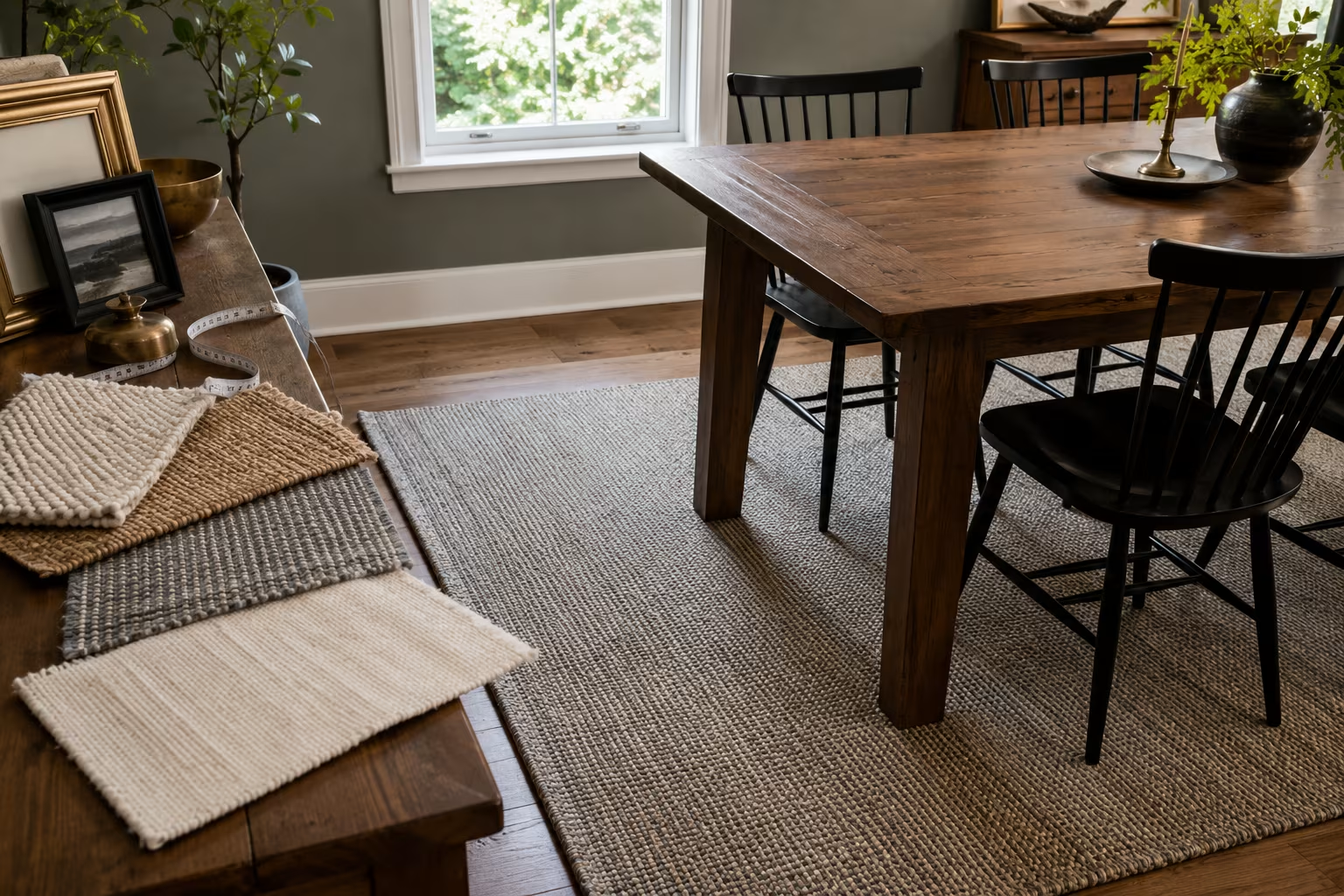
Wool: durable, expensive. Indoor-outdoor synthetic: easy clean. Jute/sisal: natural. Cotton: washable.
Avoid plush high-pile rugs in dining areas.
The Cardinal Rule of Dining Rug Sizing
Area rugs under dining tables must extend at least 24-30 inches beyond the table edge on all sides. This buffer allows dining chairs to remain on the rug when pulled out from the table for sitting and standing. A rug that's too small forces chairs to balance with two legs on the rug and two on the floor, an unstable and visually awkward arrangement.
The rule applies to all rectangular dining tables: measure table dimensions, add 48-60 inches total to each dimension (24-30 inches per side), and that's your minimum rug size. For round tables, the rug should be at least 48-60 inches larger in diameter than the table.
Standard Dining Table and Rug Size Combinations
For typical dining tables, these rug sizes work well:
48-inch round table: 8-foot square or 9-foot round rug minimum.
60-inch round table: 9-foot round or 10x12 rectangular rug.
72-inch round table: 10-foot round or 12x14 rectangular rug.
36x60 rectangular table (4-person): 8x10 rectangular rug minimum.
40x72 rectangular table (6-person): 8x10 or 9x12 rectangular rug.
42x84 rectangular table (8-person): 10x14 or 12x14 rectangular rug.
48x96 rectangular table (10-person): 12x14 or larger rug.
Oversized banquet tables: custom rug or area rug 36+ inches beyond table on all sides.
Buying rugs slightly oversize is generally safer than undersize. Extra rug beyond chair pull-out distance creates generous open space that feels intentional; insufficient rug looks cramped and accidental.
Rug Material Considerations
Dining room rugs face unique challenges: food spills, chair leg pressure, crumb accumulation, and frequent walk-through traffic. Material choice should prioritize durability and cleanability:
Wool: traditional dining rug material. Naturally stain-resistant due to lanolin coating on fibers, durable for 15-25 years with care. Wool rugs cost 400-3000 USD for typical dining room sizes (as of 2026 — confirm current pricing).
Polypropylene/olefin: synthetic alternative that mimics wool appearance. Highly stain-resistant, machine washable in some constructions, much less expensive (150-800 USD for typical sizes). Good for families with young children.
Sisal or jute: natural plant fiber rugs. Provide casual texture and warm earth tones. Less stain-resistant than wool; spills can damage these fibers. Best for adult households without messy eaters. 200-1500 USD.
Cotton: washable but not particularly durable. Acceptable for casual dining areas but won't survive heavy use long-term. 100-500 USD.
Bamboo silk or viscose: luxurious appearance but extremely fragile. Avoid for dining rooms; better suited for low-traffic bedrooms.
Indoor/outdoor rugs: increasingly popular for dining rooms. Polypropylene weave designed for porches handles spills exceptionally well. Aesthetic options have expanded dramatically; modern indoor/outdoor rugs look indistinguishable from natural fiber alternatives. 100-800 USD.
Pattern and Color for Dining Rooms
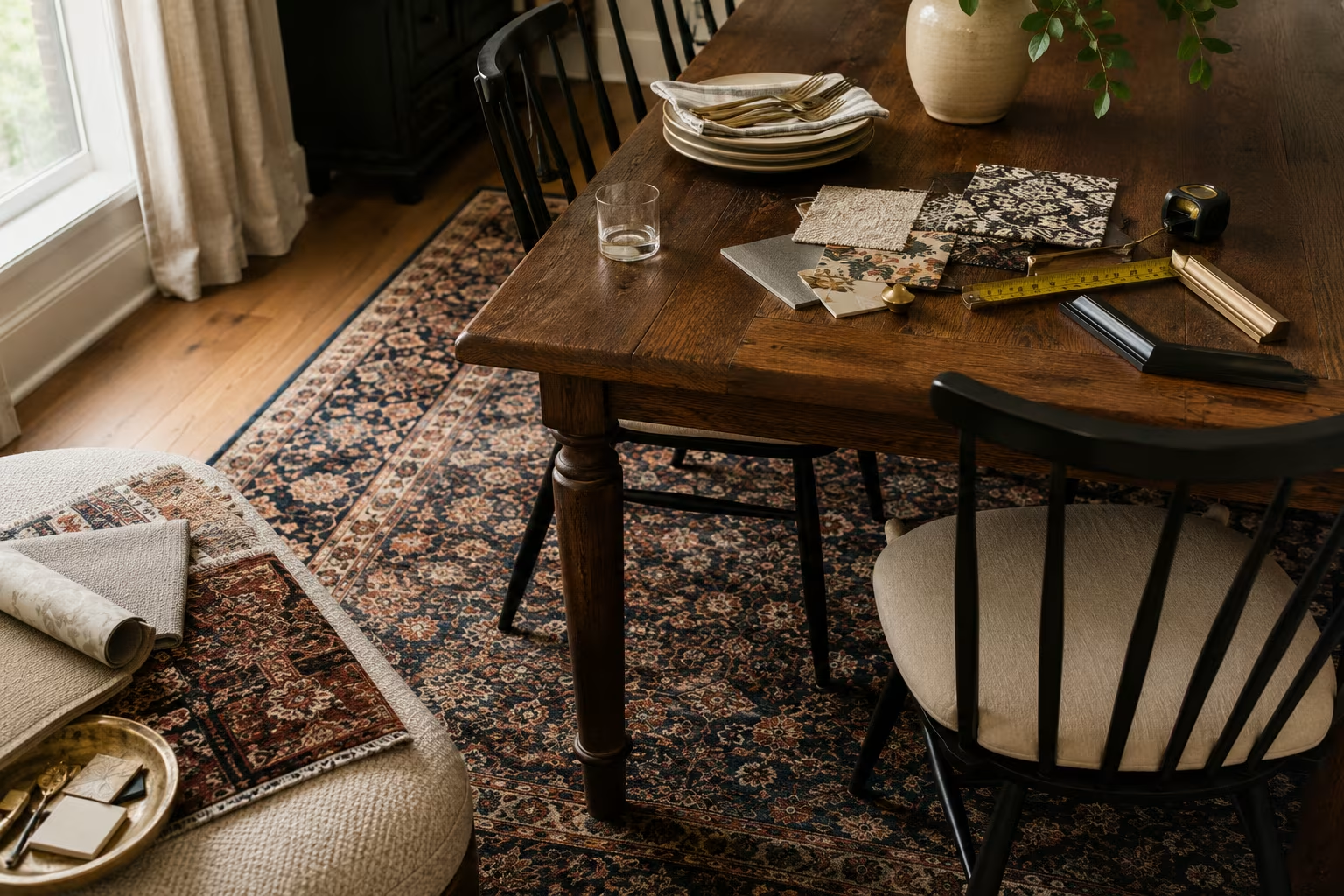
Dining room rugs benefit from busy patterns and medium-to-dark colors that hide inevitable spills and stains. White or cream solid rugs in dining rooms show every droplet. Patterns to consider:
Persian or oriental: classic choice with intricate patterns that camouflage marks. Wool versions are particularly durable.
Geometric: modern alternative to traditional patterns. Can range from subtle tone-on-tone to bold contrasting colors.
Floral: traditional pattern that hides stains well due to color variation across the pattern field.
Solid darker colors: navy, deep red, charcoal, dark green hide stains better than pale solids while providing modern minimalist appeal.
Distressed or vintage looks: faded patterns that look intentionally aged accept new minor stains as part of the character rather than as obvious flaws.
Avoid: white, cream, very light gray solids; thick high-pile shag rugs (food gets trapped in pile); silk or silk-blend rugs (impossible to clean food stains from).
Rug Pad Importance
Quality rug pad underneath the area rug serves multiple functions:
Prevents rug slipping when chairs are pulled in and out repeatedly.
Adds cushioning that reduces wear on rug backing from chair leg movement.
Provides insulation from cold hardwood floors.
Extends rug lifespan by 30-50% by preventing accelerated wear.
Pad selection by floor type:
Hardwood and laminate floors: rubber-backed felt pads (Mohawk Home Premium, Gorilla Grip). 30-100 USD depending on size. Avoid PVC-backed pads that can damage hardwood finishes.
Tile and concrete: any non-staining pad works. Felt pads provide cushioning; rubber pads provide grip.
Carpet (rug-over-carpet): special pads designed for this application (Rug Pad Corner Anchor Grip Plus). Standard pads can shift on carpet surface.
Rug pad should be approximately 1 inch smaller than the rug on all sides. This prevents pad edges from showing while still covering most of the rug area.
Installation and Positioning
Centering the rug under the dining table requires care:
Step 1: Move the table aside to allow rug positioning.
Step 2: Unfold rug and let it relax flat for 24-48 hours before placement. New rugs often have folds from shipping that take time to settle.
Step 3: Place rug pad in the desired location, slightly smaller than rug footprint.
Step 4: Center rug over pad.
Step 5: Position dining table over rug center. Measure equal distance from each edge of rug to room walls for symmetric placement.
Step 6: Test chair pull-out from all positions. Chairs should remain fully on the rug even when pulled out for sitting.
If chairs hit the rug edge when pulled out, the rug is too small. Either accept this limitation, buy a larger rug, or rearrange the table position.
Related Posts
Sofa Pillow Combinations That Don't Fight
Throw pillows pile up over years. Rules for color, texture, pattern, and size.

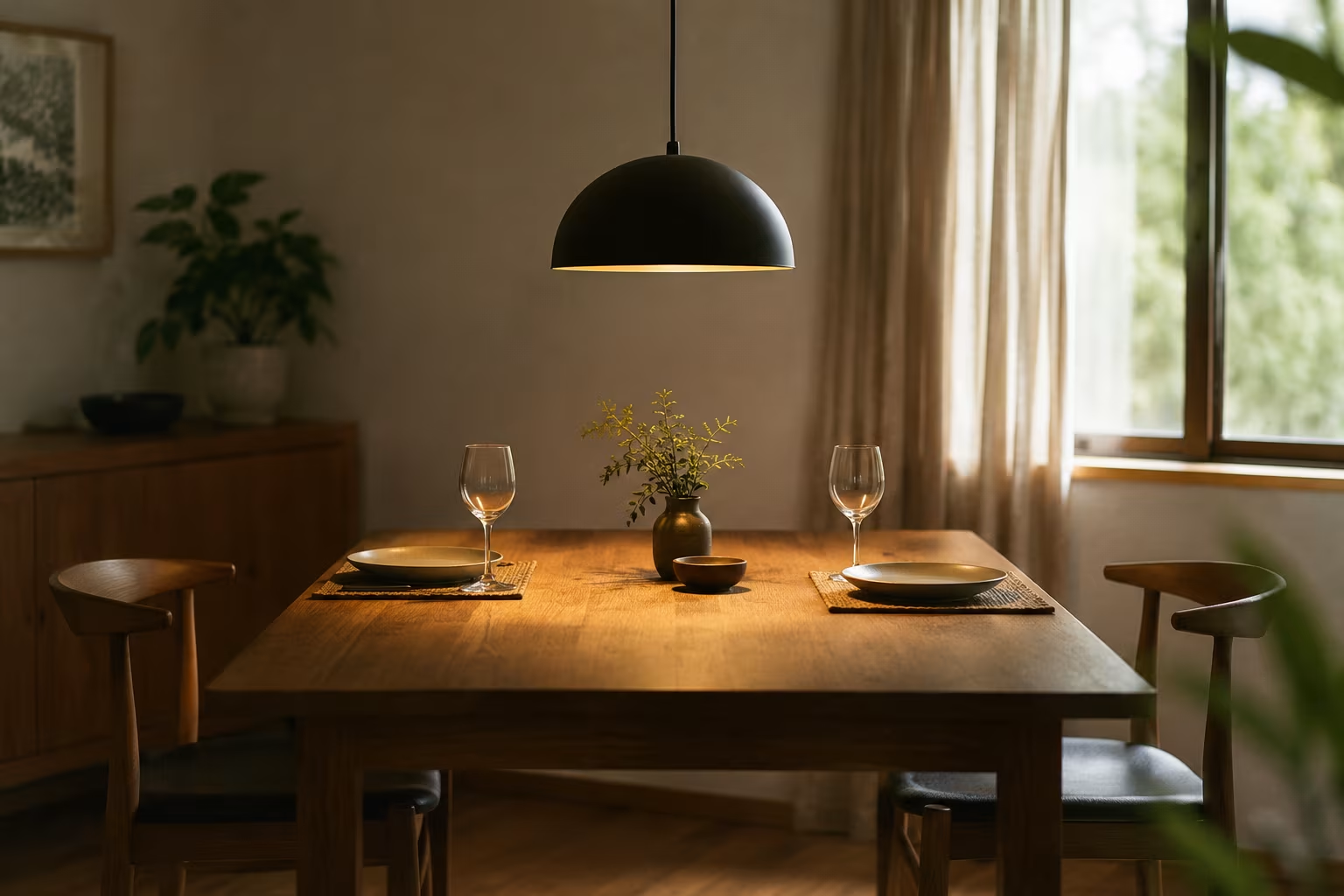
Light Fixture Height Over Dining Table: The Rule
The right pendant light height over a dining table is calculated, not guessed. The standard...
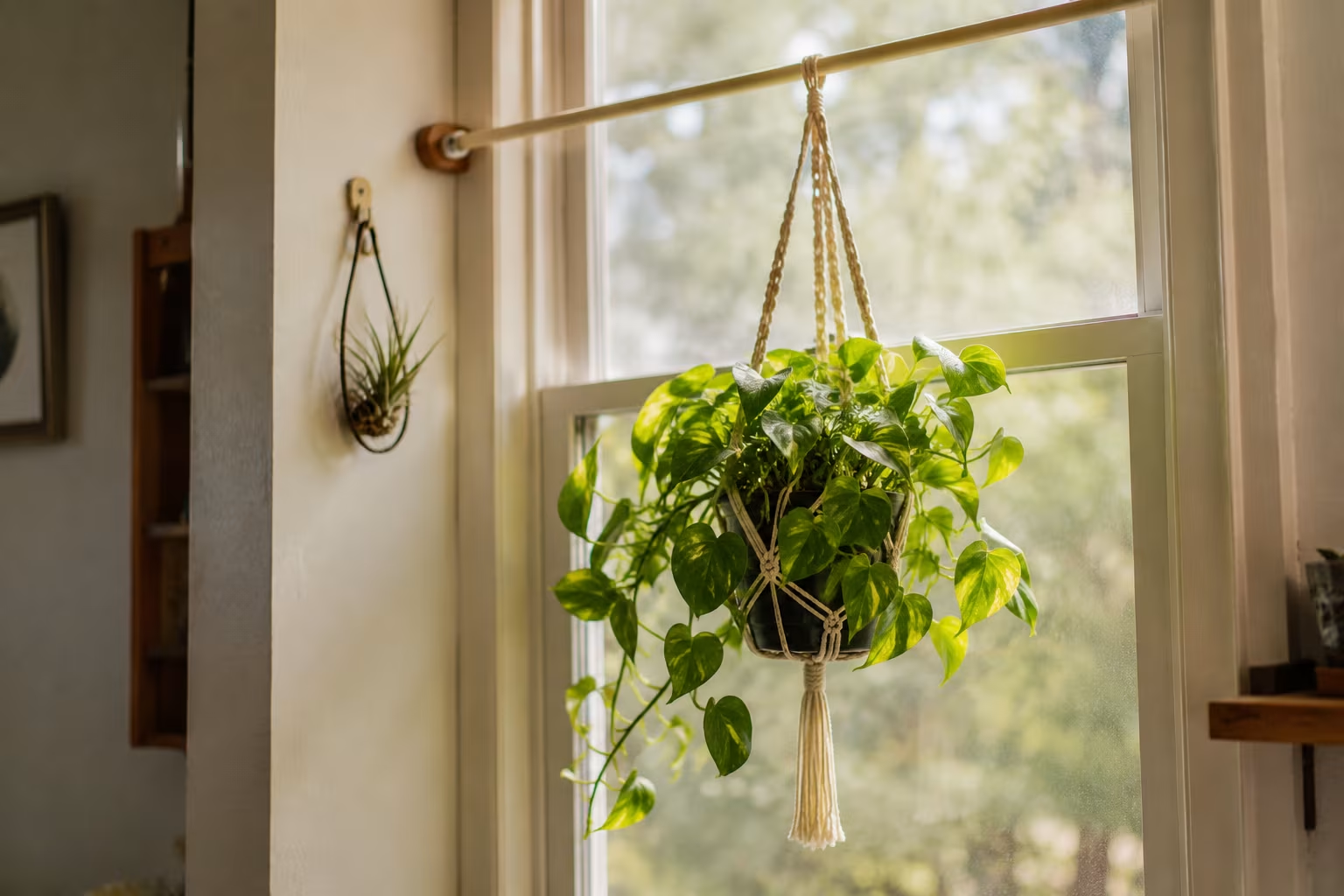
Hanging Plants Without Ceiling Hooks for Renters
Hanging plants brighten any room but drilling into the ceiling isn't always an option....
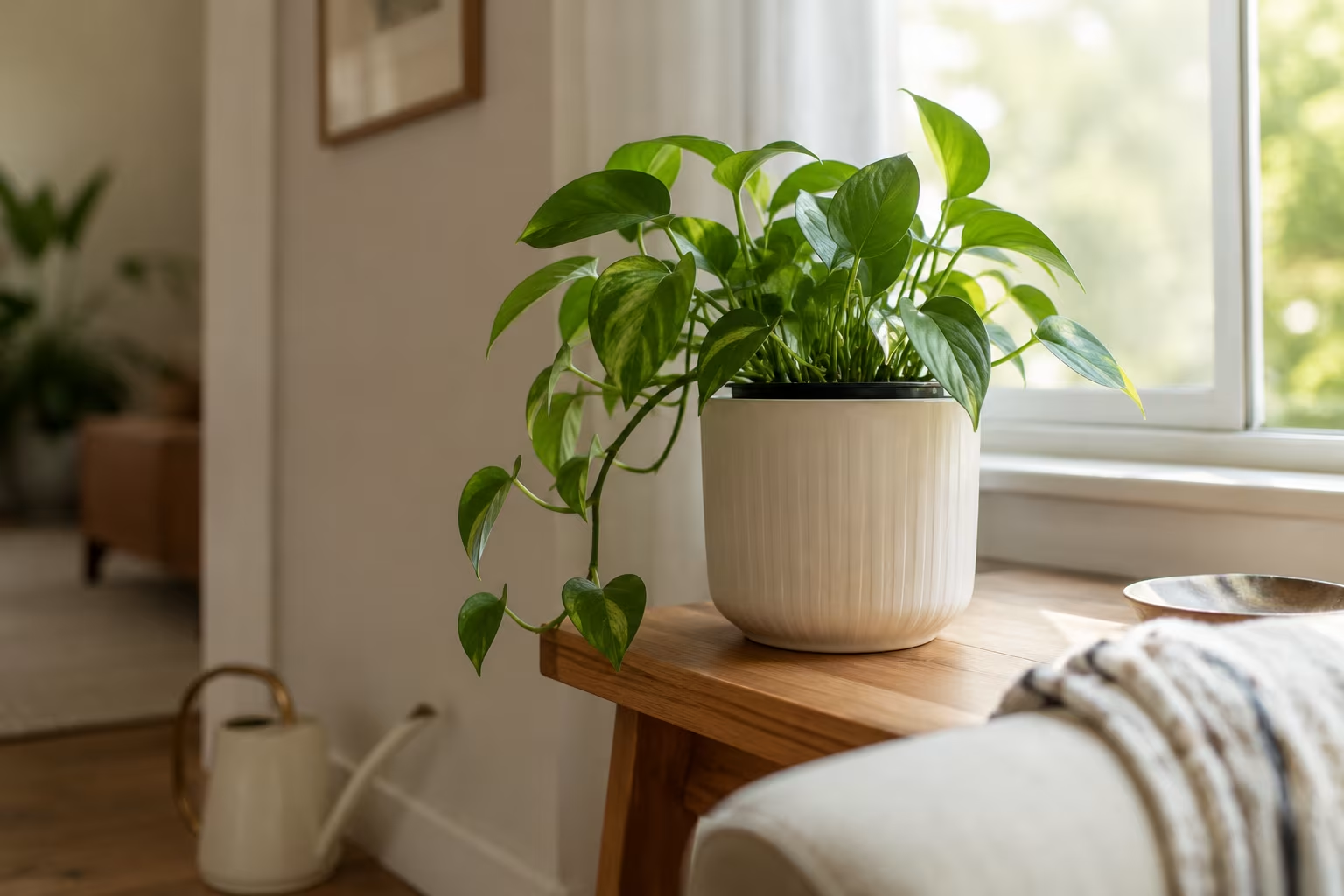
Indoor Plant Pot with No Drainage Hole: How to Make It Work
A no-drainage pot rots roots fast. Use the double-pot method, skip the gravel myth, pick...
Comments
No comments yet. Be the first to share your thoughts!