
Sofa Pillow Combinations That Don't Fight
The short answer
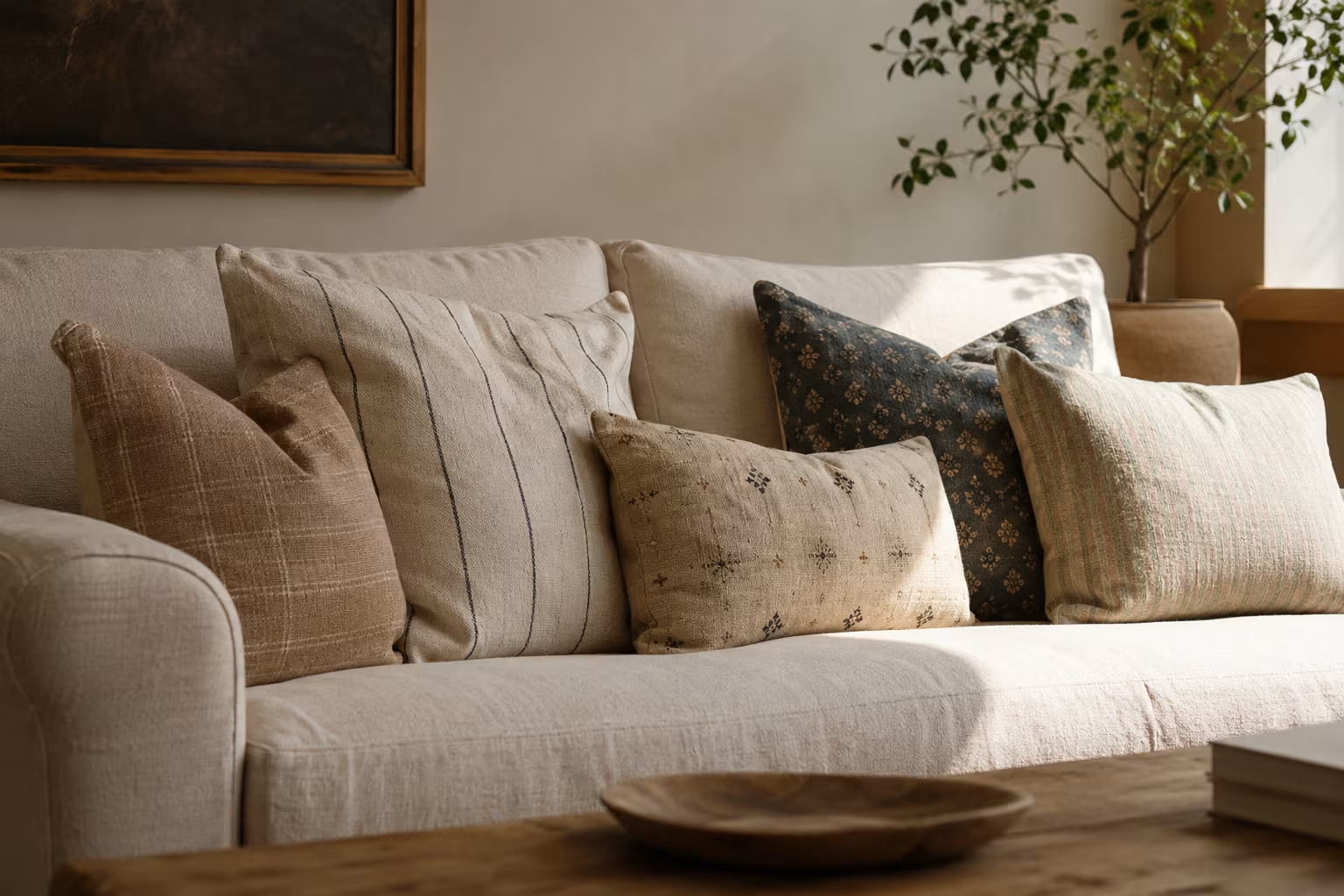
Well-combined pillows: vary scale, repeat colors but not patterns, odd numbers (3 or 5 per side).
Number of pillows
3: minimal modern. 5: layered classic. 7: generous formal.
Scale variation
Large square (22-24 inch) anchors at ends. Medium (18-20) in front. Lumbar (12x20) center. Small (14-16) accent.
Color and pattern
Pick 2-4 colors. One dominant pattern. One smaller-scale pattern. One solid. One textural.
Common mistakes
Matching set looks like showroom. Too many patterns chaos. Identical sizes monotonous. Too many pillows clutters seating.
Pillow Quantity and Sofa Size Matching
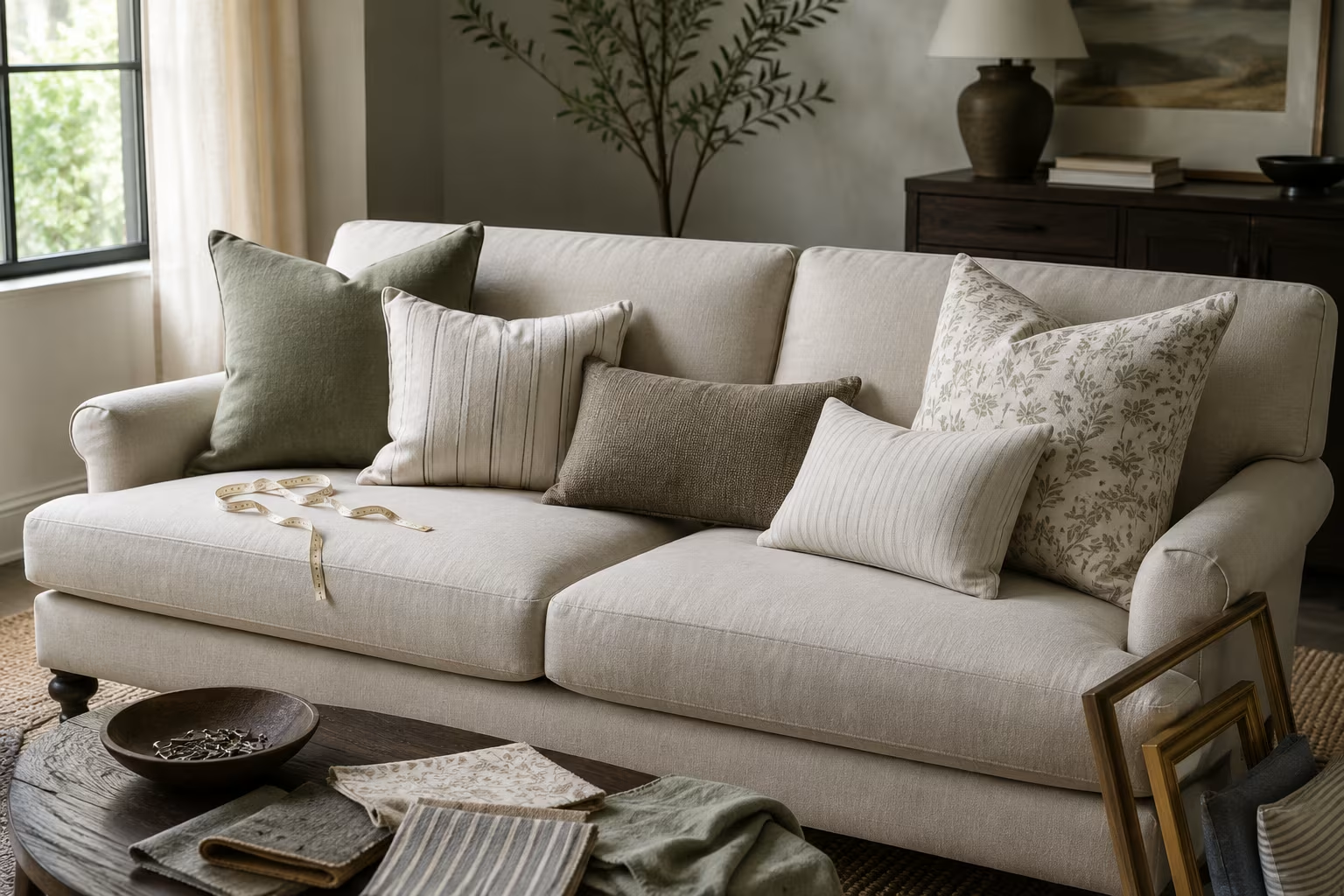
The right number of pillows depends primarily on sofa dimensions and overall room aesthetic. Standard guidelines:
Loveseat (50-60 inches wide): 2-3 pillows total. More creates a cramped look.
Apartment sofa (70-78 inches): 3-4 pillows. Two anchor pillows in corners, 1-2 additional accent pillows.
Standard sofa (80-92 inches): 4-6 pillows. Two corner pillows, two intermediate pillows, optional 1-2 small accent pieces.
Large sectional (100+ inches): 6-9 pillows distributed across sections. Avoid evenly spacing them; cluster groups of 2-3 instead.
Daybed or chaise: 3-5 pillows arranged along the back with possibly 1-2 throws.
The most common pillow mistake is using too many — sofas with 10+ decorative pillows become impractical to sit on. Aim for 4-6 maximum on standard sofas with the understanding that pillows will be moved to one end for actual sitting.
Standard Pillow Sizes
Decorative pillows come in standardized sizes that mix well together:
20x20 inch (square): the most common decorative pillow size. Use as primary corner pillows and middle accent pillows. Inserts cost 8-25 USD; covers 15-80 USD depending on fabric quality (as of 2026 — confirm current pricing).
18x18 inch (square): slightly smaller alternative for smaller sofas or layered with larger pillows.
22x22 inch (oversized square): bold statement pillows for large sofas and modern designs.
12x20 inch (lumbar): rectangular pillows that work well in the middle of pillow groupings or against the back of a chair.
14x36 inch (long lumbar): bench-style lumbar pillows for daybeds and long benches.
16x16 inch (small square): for tighter applications or layered behind larger pillows.
Mixing 2-3 different sizes creates visual interest. Avoid using six identical 20x20 pillows; the uniformity reads as commercial or hotel-like.
Color and Pattern Combination Strategies
Designer pillow combinations follow recognized principles that produce visually pleasing results:
Rule of three colors: select three colors that appear together throughout pillow combinations. Often these are: one main color (matches or coordinates with sofa), one accent color (provides contrast), and one neutral (white, cream, gray).
Pattern hierarchy: combine one large-scale pattern, one medium-scale pattern, and one small-scale pattern or solid. Three large patterns together compete visually; three solids together look uninspired.
Texture variety: combine smooth (silk, sateen, velvet), textured (linen, raw silk, boucle), and structured (knit, embroidered) fabrics. Texture differences add interest even when colors are similar.
Color temperature consistency: stay within warm tones (rust, gold, terracotta, burnt orange) or cool tones (navy, sage, teal, ivory) for cohesive feel. Mixing warm and cool creates dissonance unless very deliberately balanced.
Connecting color to room: pull at least one pillow color from another element in the room (artwork, rug, drapery, accent furniture) to tie spaces together.
Filling Choices and Quality
Pillow inserts dramatically affect comfort and longevity:
Down feather (premium): 90% down/10% feather or 70/30 blends. Softest, most luxurious feel, holds shape with regular fluffing. Costs 30-100 USD per 20x20 insert. Lasts 8-15 years with care.
Down alternative (synthetic): polyester microfiber mimicking down characteristics. Allergy-friendly, machine washable, holds shape moderately well. Costs 12-30 USD per 20x20. Lasts 3-8 years.
Polyester fiberfill: budget option. Compresses quickly, loses shape within 6-18 months of use. Costs 5-15 USD per 20x20. Suitable for guest rooms or rarely-used spaces.
Memory foam pillow inserts: provides firm support for lumbar pillows. Specialized but offers excellent back support for reading or working on the sofa.
Always size insert one size larger than the cover (22x22 insert in 20x20 cover) for full, plump appearance. Same-size inserts result in droopy half-empty looking pillows that look unfinished.
Seasonal and Mood Rotation
Many designers rotate sofa pillows seasonally:
Spring: pastel colors, floral or botanical patterns, lighter fabric weights (linen, cotton).
Summer: bright colors (coral, turquoise, lemon), tropical or beach patterns, lightweight cotton or linen.
Fall: warm earth tones (rust, mustard, terracotta, brown), animal prints, plaid patterns, medium-weight fabrics.
Winter: deeper jewel tones (emerald, sapphire, ruby), wool fabrics, faux fur accent pillows, holiday patterns for December only.
This rotation requires investing in 8-12 pillow covers over time but only one set of inserts. Store off-season covers in vacuum bags to save space. Annual budget for seasonal pillow refresh: 100-400 USD depending on brand choices.
Sourcing Quality Pillows
Pillow sources span widely from discount to designer:
Budget-friendly: IKEA, Target, Walmart, World Market. Pillow covers 8-30 USD, inserts 6-25 USD. Quality varies; check reviews carefully.
Mid-range: West Elm, Anthropologie, CB2, Crate & Barrel, Pottery Barn. Pillow covers 30-80 USD, inserts 25-60 USD. Generally good fabric quality and consistent sizing.
Designer: Serena & Lily, John Robshaw, Schumacher, Romo. Pillow covers 80-300 USD per pillow. Premium fabrics, often hand-finished.
Custom: Etsy makers and local upholstery shops create custom pillows in any fabric. Costs 30-200 USD per pillow depending on fabric and complexity. Allows perfect matching to specific room palettes.
For shoppers concerned about fabric origins, organic and fair-trade certified options exist from Pact, Coyuchi, Wallace Cotton, and similar brands. These cost slightly more but support sustainable production practices.
Arrangement Patterns That Work
The pillow arrangement matters as much as pillow choice. Successful patterns include:
Symmetrical pairs: place identical pillows in matching corners with optional middle accent. Classic for traditional and formal settings. Works particularly well with English roll-arm and Chesterfield sofa styles.
Asymmetrical stagger: place two large pillows on one end, single medium pillow at opposite end, plus middle lumbar. Modern and casual feel. Works with contemporary sofas and sectionals.
Triple stack: three pillows on each end of sofa with descending sizes (large, medium, small). Provides cushy depth for actual sitting comfort while maintaining decorative impact. Works in family rooms where pillows get heavy daily use.
Color block: groups of same-color pillows with one contrasting accent. Statement design choice; works in modern minimalist spaces.
Pattern progression: arrange pillows in pattern complexity progression from largest scale to smallest scale. Visually leads the eye across the sofa rather than competing for attention.
For corner sectionals, place larger pillows at the inside corner (where the L-shape meets) and smaller pillows at the outside ends. This creates visual weight at the seating area's most-used spot.
Maintenance and Care
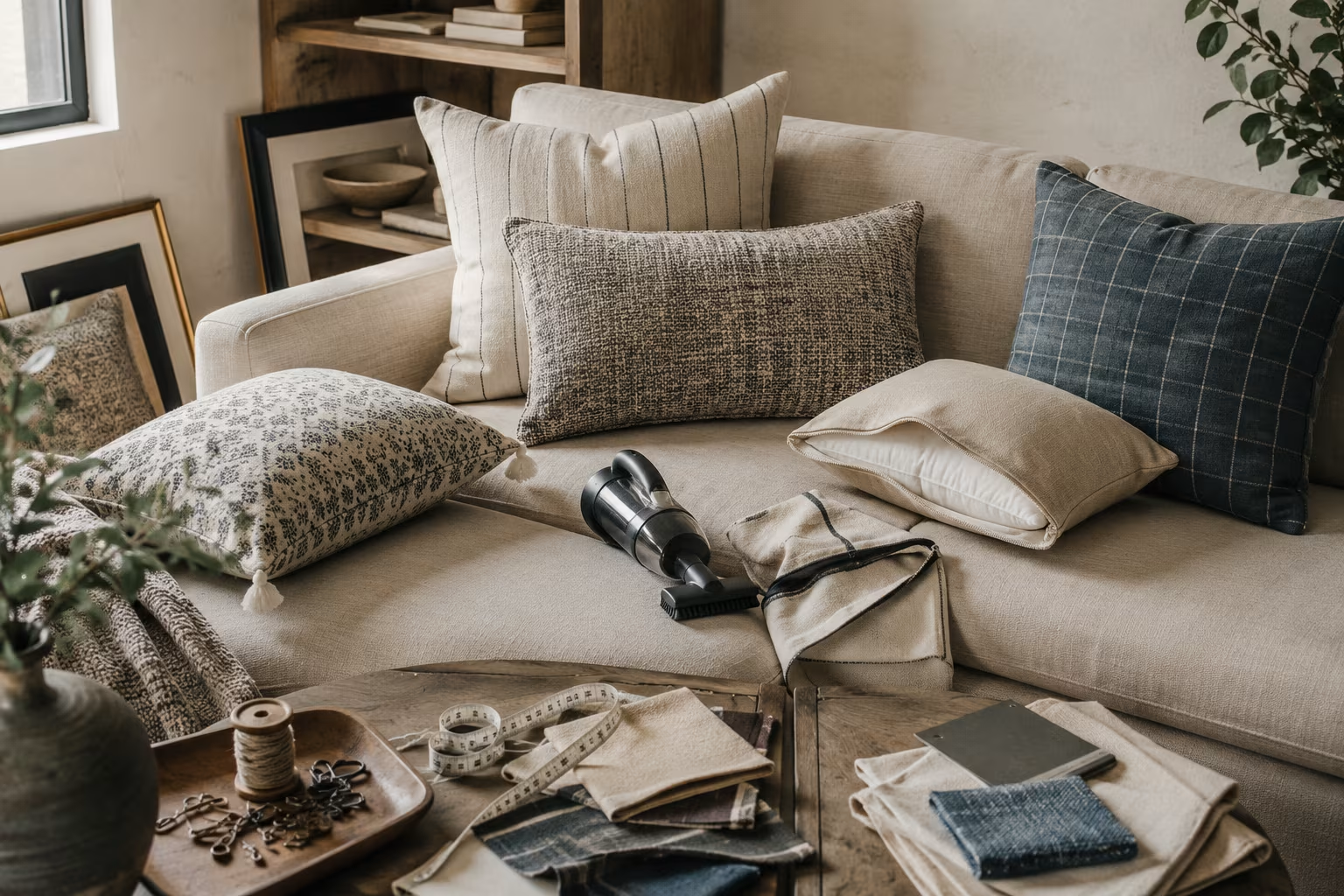
Decorative pillows need regular care to maintain attractive appearance:
Weekly: fluff and rotate pillow positions. Air them outdoors briefly in good weather to refresh fabrics.
Monthly: vacuum pillow surfaces with upholstery attachment. Removes dust mites and surface debris that dull colors over time.
Quarterly: wash removable covers per fabric label instructions. Most cotton and linen covers machine wash cold and air dry. Inserts that aren't washable can be aired in sunshine to freshen.
Annually: assess insert quality. Replace any inserts that have lost loft or developed clumping. The pillow covers may still look fine while inserts have degraded.
Spot cleaning: address spills immediately with clean cold water blotting. Avoid rubbing which spreads stains. Specialized fabric cleaner (Folex, Resolve Carpet Cleaner) handles most household stains.
For families with pets and children, washable cotton or linen covers in dark colors prove most practical. White and cream pillow covers look beautiful in showroom photography but require frequent washing in real households.
Photographic Inspiration Sources
Pinterest, Instagram, and design magazines provide endless inspiration for pillow combinations. Designers worth following include Joanna Gaines (modern farmhouse), Studio McGee (transitional), Kelly Wearstler (eclectic luxury), Justina Blakeney (bohemian), and Athena Calderone (modern minimalist). Each offers distinct approaches to pillow design that suit different home aesthetics.
Home design magazines (Architectural Digest, House Beautiful, Domino, Better Homes & Gardens) showcase pillow combinations in finished room contexts. Subscription costs 20-60 USD annually; back issues often available at libraries.
The Apartment Therapy and Houzz websites feature reader-submitted room photos searchable by color palette, style, and furniture type. These provide more realistic inspiration than professionally-styled magazine images.
Fabric Choices and Durability
Different fabrics serve different household needs:
Cotton and cotton blends: most common, easy to clean, moderately durable. Best for low-to-medium traffic homes. 15-50 USD per pillow cover for quality cotton.
Linen: elegant texture, breathable, slightly wrinkles which adds casual charm. Higher cost (40-120 USD per cover) but holds up well to washing. Best for refined casual styles.
Velvet: luxurious feel, comes in cotton, silk, or synthetic versions. Shows wear in high-traffic areas; not ideal for homes with pets. Cotton velvet 50-150 USD per cover.
Silk: ultimate luxury fabric, requires careful handling. Not suitable for daily-use sofas; best for formal living rooms with light usage. 80-300 USD per cover.
Wool: warm, durable, naturally stain-resistant. Excellent for cold-climate living rooms. 60-200 USD per cover.
Outdoor fabric (Sunbrella, Outdura, Bella-Dura): water and UV resistant, increasingly used indoors for homes with pets, children, or high traffic. Cleans easily with mild detergent. 40-150 USD per cover.
Faux fur, sequins, embroidery: statement pillows for special spaces. Use sparingly (1-2 in a grouping) to avoid overwhelming. Costs vary widely.
For homes with daily heavy sofa use, prioritize easily washable fabrics over luxurious-but-fragile choices. The most beautiful pillow looks shabby quickly when it can't withstand normal life.
Budget Strategies for Beautiful Combinations
Quality pillow combinations don't require massive budgets. Strategic approaches:
Start with quality inserts: 4 down or quality down-alternative inserts at 25-50 USD each total 100-200 USD. These last 8-15 years.
Build cover collection gradually: start with 4-6 basic neutral covers, add seasonal accent covers each year. Annual budget: 100-200 USD.
Mix high and low: combine 1-2 premium pillows (Anthropologie, Schumacher) with 4-5 budget pillows (Target, IKEA). The expensive pieces elevate the overall composition while keeping total cost reasonable.
DIY covers: basic pillow cover construction requires minimal sewing skill. Yard fabric from World Market, Joann's, or Spoonflower costs 10-40 USD per yard; one yard makes 2-3 covers. Total cost per cover 5-15 USD.
Estate sales and thrift stores: vintage tapestries, kilims, and embroidered textiles convert into one-of-a-kind pillow covers. Source materials for 5-30 USD; sew into custom covers for total cost 10-50 USD per pillow.
Decorative Pillow Mistakes to Avoid
Common errors that ruin otherwise good combinations:
Karate-chopping: pressing creases into the top center of decorative pillows looks dated and contrived. Allow pillows to settle naturally.
Matching too tightly: pillows that exactly match the sofa fabric or look like a coordinated retail set feel uninspired. Some color or pattern contrast adds life.
Overcrowding: more than 6-8 pillows on standard sofa becomes impractical. People won't sit comfortably and pillows pile up on the floor.
Wrong scale: tiny 12-inch pillows on large sectionals look lost; massive 26-inch pillows on apartment sofas overwhelm. Match pillow scale to sofa scale.
Insert too small: covers should bulge slightly with the insert filling them completely. Loose, half-empty covers look droopy and abandoned.
Pattern competition: three large bold patterns next to each other compete for attention. Use one statement pattern and let solids or subtle textures support it.
Thoughtful pillow combinations transform a generic sofa into a personalized seating area that reflects the home's style and the household's personality. The investment of attention pays back through years of beautiful daily living spaces that visitors compliment and family members enjoy.
Children, Pets, and Pillow Practicality
Families with young children and pets face unique pillow challenges. Strategies that work:
Removable washable covers: prioritize covers that machine wash easily. Even cotton covers can be coated with light spray-on stain protector (Scotchgard, Vectra) for additional protection.
Performance fabrics: outdoor-rated fabrics intended for porches work beautifully indoors and resist pet hair, stains, and crayon marks. Sunbrella performance velvets look luxurious while accepting cleaning that would destroy regular velvet.
Dark colors and busy patterns: hide pet hair and minor stains better than light solids. A medium gray with pattern serves a household better than pure white.
Fewer pillows: 3-4 quality pillows survive family use better than 6-8 fragile pieces constantly being knocked to the floor.
Designated kid pillows: keep 1-2 inexpensive pillows specifically for children to use as forts, jumping aids, or whatever creative pillow use they invent. Reserve decorative pillows for adult-only use periods.
Pet pillow protection: for sofas where pets sleep, use a washable throw or pet blanket as the top layer. Decorative pillows stay attractive while pets enjoy their dedicated comfort spot.
These practical adaptations let families enjoy beautifully styled living rooms despite the realities of daily life with young children and beloved pets.
Related Posts
Light Fixture Height Over Dining Table: The Rule
The right pendant light height over a dining table is calculated, not guessed. The standard...

Hanging Plants Without Ceiling Hooks for Renters
Hanging plants brighten any room but drilling into the ceiling isn't always an option....
Indoor Plant Pot with No Drainage Hole: How to Make It Work
A no-drainage pot rots roots fast. Use the double-pot method, skip the gravel myth, pick...
Hide TV Cable Clutter Renter-Safe Without Drilling
Hide a wall-mounted TV's cables without drilling: a paintable adhesive raceway to the outlet, a...
Comments
No comments yet. Be the first to share your thoughts!