
Calligraphy Ink Comparison for Cotton Paper
The short answer
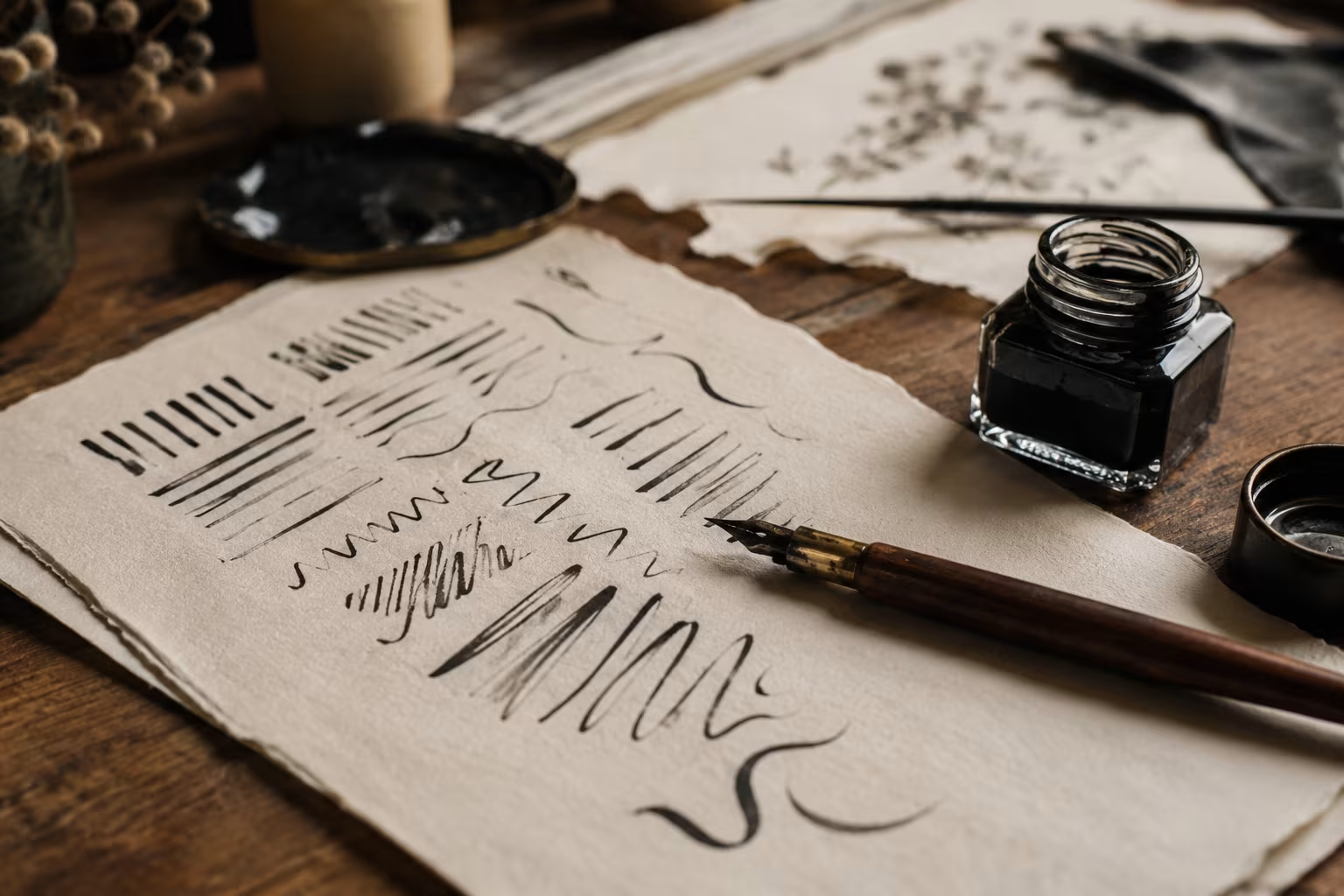
Cotton paper absorbs liquid faster than coated paper. Right inks: India ink (Higgins Black Magic), sumi ink, walnut ink. Avoid fountain pen inks; they feather on cotton.
India ink
Carbon-based, waterproof when dry. Crisp dark lines. Brands: Higgins, Speedball, Winsor & Newton.
Sumi ink
Japanese traditional, soot and animal glue. Slightly warmer than India ink.
Walnut ink
Warm brown, beautiful on cream paper. Made from walnut hulls.
Gouache as colored ink
Thinned gouache serves as colored calligraphy ink. Wide color range.
Testing on cotton
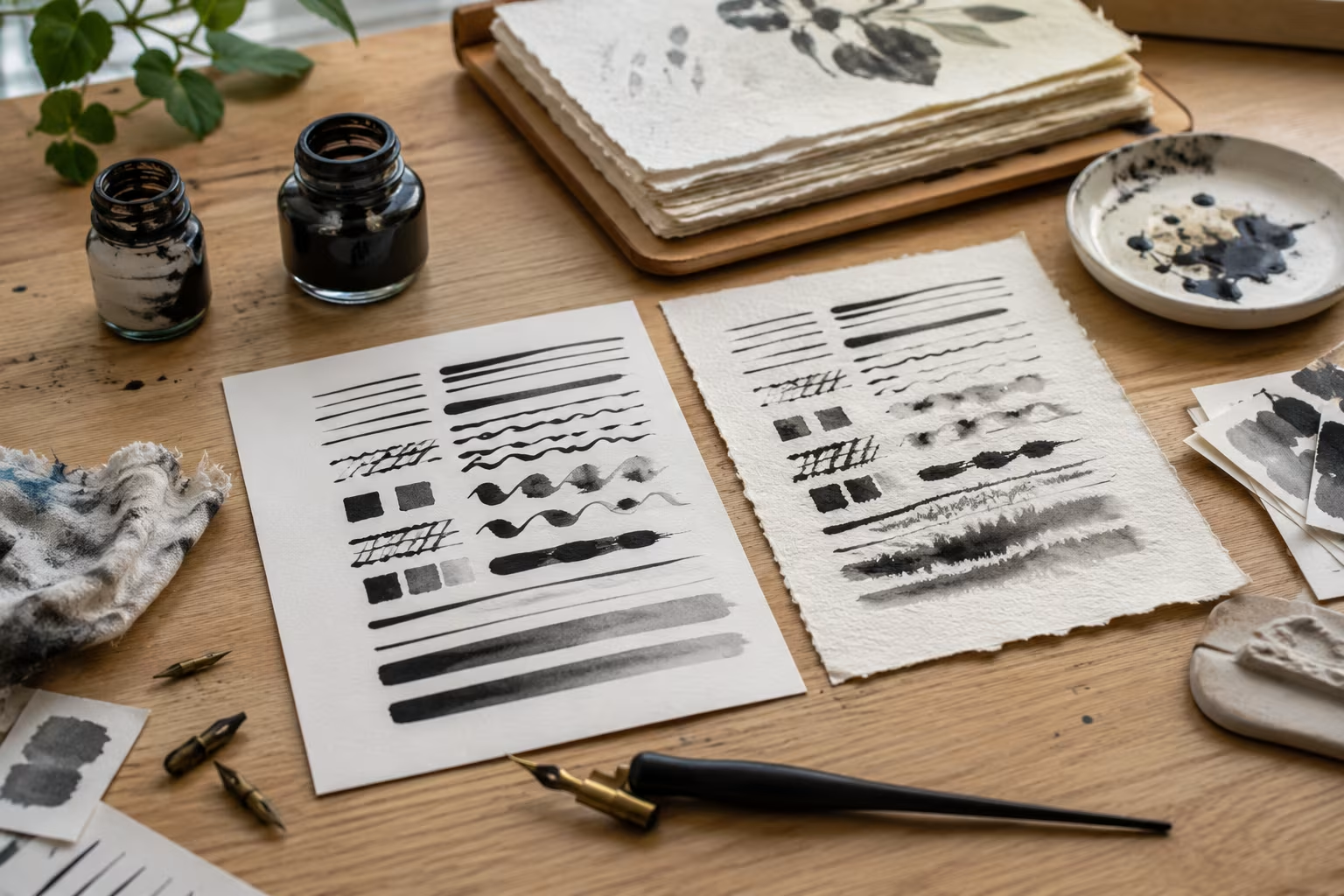
Test on actual paper. Hot-press cotton handles ink better than rough.
Common problems
Feathering: more viscous ink or smoother paper. Bleed through: heavier paper. Flow stopping: wipe nib often.
Calligraphy Ink Behavior on Different Cotton Paper Weights
Cotton fiber paper interacts with calligraphy ink in ways that fundamentally differ from wood pulp paper. Cotton's longer fibers create a more absorbent surface that pulls ink deeper into the paper, producing characteristic bleeding and slight feathering that calligraphers either embrace or carefully manage with sizing treatments.
Paper weight dramatically affects ink behavior. Lightweight cotton papers (90-140 gsm) absorb ink rapidly and can show pronounced bleed through to the back side. These weights work for everyday practice and warm-up sessions where appearance isn't critical. Medium-weight cotton (180-250 gsm) handles most calligraphy ink with controlled absorption — the standard for finished pieces, wedding invitations, and gallery work. Heavy cotton paper (300+ gsm) almost eliminates show-through and allows multiple ink layers without warping, though the surface can be too absorbent for very fine line work without prior sizing.
Notable cotton paper brands for calligraphy include Arches Text Wove (180 gsm, ideal for pointed pen), Saunders Waterford Hot Press (300 gsm, premium choice for finished work), Fabriano Tiziano (160 gsm, available in multiple colors), and Hahnemühle Bugra (130 gsm, popular for practice). Prices range from 4-15 USD per A4 sheet (as of 2026 — confirm current pricing before relying), with premium brands at the higher end.
Ink Selection for Cotton Paper
Different inks behave differently on cotton substrates. India ink (carbon-based, water-resistant when dry) produces deep solid blacks but can clog pointed pens if not regularly cleaned. Sumi ink (Japanese stick or bottled) offers similar permanence with subtler color variation. Walnut ink (water-based, fades naturally over years) produces warm brown tones favored for historical reproductions. Iron gall ink (traditional manuscript ink) starts blue-black and darkens with age, particularly historic for medieval-style calligraphy.
For cotton paper specifically, mid-viscosity inks work best. Too-thin inks bleed and feather aggressively; too-thick inks don't flow smoothly from nibs. Diluting India ink 1:1 with distilled water creates an ideal working consistency for cotton paper that maintains line quality without flooding the fiber.
Iron gall ink presents specific concerns on cotton paper because its acidic chemistry can degrade cotton fibers over decades. For archival work intended to last generations, modern pigmented inks (Higgins Eternal, Daniel Smith Calligraphy Inks) provide similar visual results without long-term paper damage.
Preparing Cotton Paper with Sizing
Many cotton papers come pre-sized, but additional sizing extends ink-handling characteristics. Traditional sizing methods include:
Gum arabic wash: 1 teaspoon gum arabic dissolved in 1 cup warm water, brushed on the paper surface, allowed to dry completely. Reduces ink absorption and allows finer line work.
Starch paste: cooked rice starch or wheat starch thinned to skim milk consistency, brushed on and dried. Traditional in East Asian calligraphy preparation.
Alum and gelatin: classical Western sizing, requires multiple coats and drying time. Produces the smoothest writing surface but requires preparation skill.
Modern fixative spray: Krylon Workable Fixative, Sennelier Lakecolor — sprayed lightly on completed work, doesn't affect writing surface during creation. About 12-25 USD per can.
Each sizing method changes how the paper accepts ink. Beginning calligraphers benefit from experimenting with small samples before committing to large pieces.
Nib Selection for Cotton Paper
The combination of nib and paper matters as much as ink choice. Pointed steel nibs (Hunt 101, Gillott 303, Brause Rose, Leonardt Principal EF) work best on sized cotton paper that resists fiber catching. Unsized or roughly textured cotton can snag pointed nib tips, causing skip marks and ink splatter.
Broad-edge nibs (Brause Bandzug, Speedball C-series, Mitchell Round-Hand) handle cotton paper more forgivingly. Their flat edge slides across fiber irregularities without catching. These are recommended for beginners working with cotton paper for the first time.
Brush calligraphy on cotton paper works especially well. Japanese brushes (fude) and Chinese calligraphy brushes (mao bi) take advantage of cotton's absorbency to create dramatic ink-flow variations. The interaction of brush hair with cotton fibers produces effects impossible to achieve on smoother paper.
Storage and Handling for Calligraphy Cotton Paper
Cotton calligraphy paper requires proper storage to maintain optimal writing characteristics. Store flat in archival folders or portfolio cases away from direct sunlight, humidity above 60%, and temperature extremes. Acid-free interleaving sheets between paper layers prevent transferring residues from one sheet to another.
Hand oils from frequent handling can contaminate the writing surface and cause ink to bead or skip in those areas. Cotton gloves (5-15 USD per pair) protect both the paper and the calligrapher's hands during extended sessions on finished pieces.
For long-term archival projects, cotton paper stored in proper conditions can last 500+ years — exemplified by museum specimens of medieval and Renaissance calligraphy still legible after centuries.
Common Cotton Paper Problems and Solutions
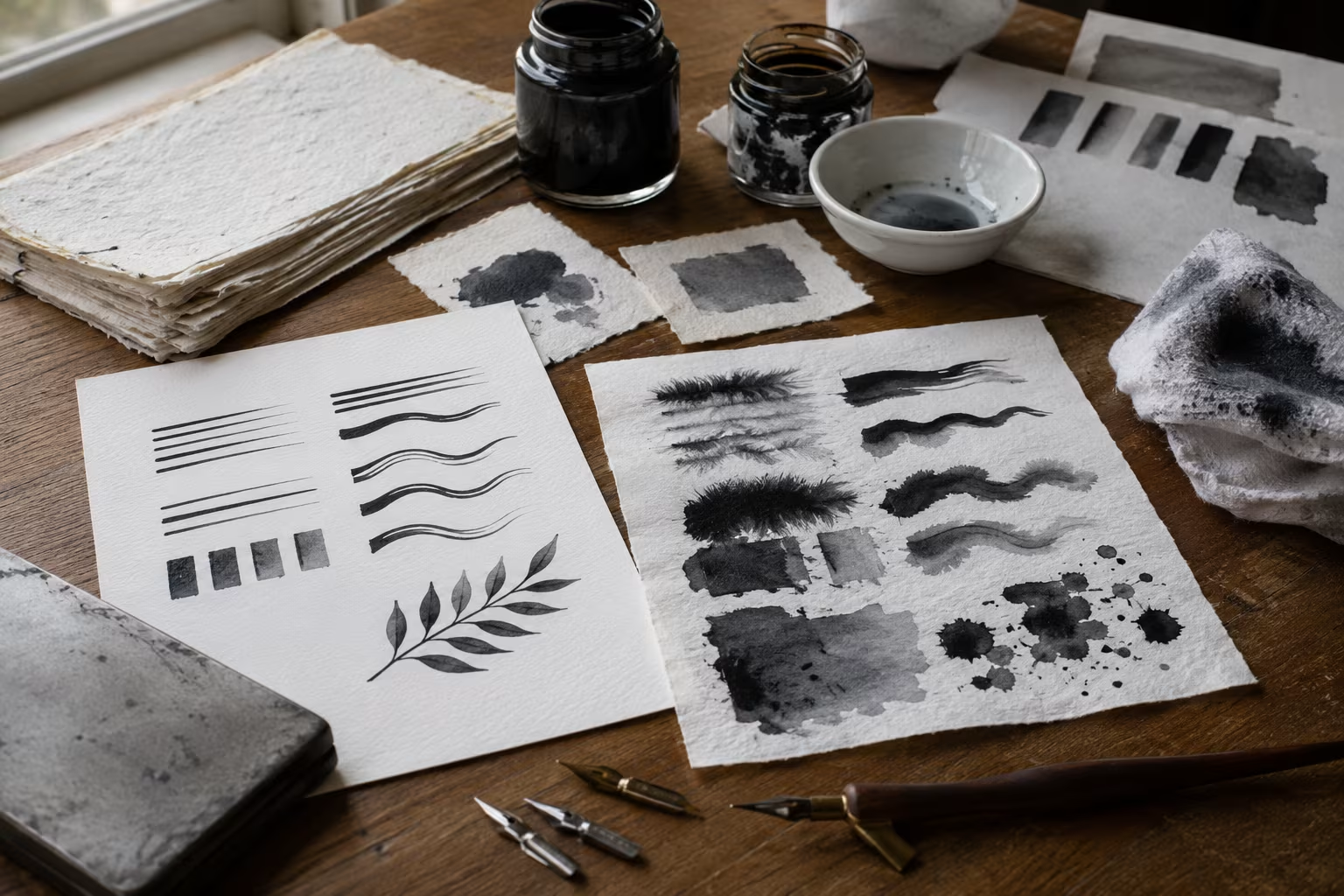
Excessive ink bleeding: paper not properly sized for the ink being used. Apply gum arabic wash or switch to higher-weight paper with internal sizing.
Ink feathering: nib pressure too high or ink too thin. Reduce pressure, increase ink viscosity, or switch to broad-edge nib.
Paper warping: cotton absorbs water from ink and expands. Use heavier weight paper (300+ gsm) or stretch paper before writing on lightweight sheets.
Ink show-through: paper too thin for the project. Move to heavier weight or accept show-through as a characteristic of the medium.
Skipping or scratching: nib catching on paper fibers. Apply additional sizing or use smoother papers for fine work.
Color variation across sheet: paper made with inconsistent fiber distribution. Switch to higher-quality brands (Arches, Saunders Waterford) for projects requiring color uniformity.
Building a Cotton Paper Collection
A working calligrapher benefits from maintaining a variety of cotton papers for different purposes:
Practice paper: lightweight cotton or cotton-cellulose blend, 90-140 gsm. Brands: Rhodia DotPad (technically not cotton but smooth practice surface), Strathmore Calligraphy Pad. About 15-35 USD per pad.
Daily work paper: medium-weight cotton, 180-250 gsm. Brands: Arches Text Wove, Hahnemühle Bugra. About 4-8 USD per sheet.
Finished work paper: heavy cotton, 300+ gsm. Brands: Saunders Waterford, Fabriano Artistico. About 10-25 USD per sheet.
Special project paper: deckled-edge cotton, handmade Indian or Nepalese cotton sheets, antique paper substitutes. Prices vary widely from 5-40 USD per sheet.
The collection grows with experience as the calligrapher discovers which papers suit personal style and project requirements.
Historical Context of Cotton Paper in Calligraphy
Cotton paper has a rich history in calligraphic traditions worldwide. Medieval European manuscripts on vellum and parchment transitioned to cotton-based papers in the 14th-15th centuries as paper production technology spread westward from China through the Islamic world. Italian and German papermakers refined cotton paper techniques, producing the sheets that carried Gutenberg's printing innovations and the Renaissance manuscript revival.
In East Asia, papermaking traditions developed independently using bark fibers (kozo, mitsumata, gampi) but eventually incorporated cotton and other fibers for specific calligraphy applications. Japanese washi paper for sumi-e and shodo calligraphy can include cotton in fiber blends for specific working characteristics.
Islamic calligraphy traditions on cotton paper produced some of the most magnificent manuscripts in human history. The Ottoman court calligraphers worked primarily on aharli paper (highly sized and burnished cotton paper) that allowed extraordinarily fine line work with reed pens (kalem). Modern Turkish calligraphy ateliers continue producing and using aharli paper following traditions hundreds of years old.
American calligraphy tradition emerged from European practices but adapted to locally available materials. Crane & Co. (founded 1801 in Massachusetts) has produced fine cotton papers for over two centuries, including the paper used for US currency. Their cotton papers remain favorites among modern American calligraphers for special projects.
Modern Calligraphy Community and Resources
Today's calligraphy community spans traditional and contemporary practitioners worldwide. The Society for Calligraphy (Los Angeles), Washington Calligraphers Guild (DC area), and similar regional organizations host workshops, exhibits, and publications. International events like the Cheltenham Calligraphy Conference (UK) and the International Association of Master Penmen, Engrossers and Teachers of Handwriting bring practitioners together for skill exchange.
Online communities through platforms like Instagram (#calligraphy, #moderncalligraphy), TikTok (#calligraphytutorial), and dedicated forums share techniques, paper recommendations, and finished work. The hashtag #cottonpapercalligraphy on Instagram surfaces examples of contemporary work showcasing the unique characteristics of cotton substrates.
Educational resources include classic texts like Edward Johnston's "Writing & Illuminating & Lettering" (1906, still foundational), Sheila Waters' "Foundations of Calligraphy" (modern comprehensive guide), and contemporary instruction books from masters like Yves Leterme, Carl Rohrs, and Heather Held. Online courses through Skillshare, Domestika, and individual instructor websites range from 25-300 USD per course.
For dedicated cotton paper enthusiasts, paper-making workshops offer the chance to produce custom cotton paper from raw fiber. Schools like Cave Paper (Minneapolis), Twinrocker Handmade Paper (Indiana), and the Center for Book Arts (New York) teach the complete process from beating fiber to forming sheets. Workshop fees typically 200-800 USD for weekend programs.
Calligraphy on cotton paper remains a craft that rewards patience, technical knowledge, and continued experimentation. The right paper-ink-nib combination, established through trial across years, produces results that machine printing cannot replicate. Modern calligraphers participate in a continuous tradition stretching back centuries while contributing fresh interpretations to the art form.
Cotton Paper Sourcing and Suppliers
For calligraphers building serious paper inventories, knowing reliable sources matters as much as identifying the right products. Major art supply retailers like Jerry's Artarama, Blick Art Materials, Dick Blick, and Cheap Joe's stock most premium cotton paper brands. Online specialty shops like Paper and Ink Arts, John Neal Bookseller, and Calligraphy.uk focus specifically on calligraphy supplies including hard-to-find cotton papers.
For European calligraphers, retailers like ProArt (Germany), Cornelissen & Son (London, founded 1855), Le Géant des Beaux-Arts (France), and Mantra Art (Italy) carry the full range of European cotton papers including hard-to-source historical reproductions.
Japanese suppliers like Awagami Factory and Hiromi Paper specialize in washi and East Asian cotton-blend papers suited to brush calligraphy and sumi-e applications. Their products ship worldwide and offer textures unavailable from Western suppliers.
For bulk purchases or specialty needs, contacting paper mills directly sometimes secures custom orders, sample sheets of new products, or specially-sized sheets not standard inventory. Saunders Waterford (UK), Hahnemühle (Germany), and Crane & Co. (US) maintain customer service representatives who can guide professional calligraphers through specialty orders.
Climate and Cotton Paper Care
Climate dramatically affects cotton paper performance. High humidity (above 65% relative humidity) causes cotton paper to absorb moisture, expanding fibers and altering ink behavior. Low humidity (below 35%) causes paper to become brittle and develop static that attracts dust and ink contamination.
Ideal storage: 45-55% relative humidity, 65-75°F temperature, away from direct sunlight, in archival folders with acid-free interleaving. Climate-controlled storage cabinets (Tutto Mobile Studios, Itoya Profolio Cases) provide stable conditions for valuable paper inventories.
For calligraphers in extreme climates, dehumidifier or humidifier use in the workspace stabilizes both paper performance and writing comfort. A simple hygrometer (10-30 USD) provides constant feedback on conditions; adjustments to humidifier output based on hygrometer readings maintains optimal range.
The calligrapher who masters cotton paper acquires a versatile professional substrate suitable for everything from daily practice to museum-grade commissions. The investment in understanding paper behavior pays back through fewer ruined projects and more consistent finished work. Every workshop and personal collection benefits from this paper knowledge built up over time. The discipline of calligraphy demands attention to all material variables. Mastering paper, ink, and nib together produces work of lasting beauty and historical value. The journey continues across decades of dedicated practice. Each new sheet offers new lessons to learn. That ongoing learning sustains a lifelong calligraphy practice.
Related Posts
Knitting Needle Materials Compared: Wood vs Metal vs Plastic
Knitting needle material changes how stitches slide, how cold or warm the needle feels, and how...

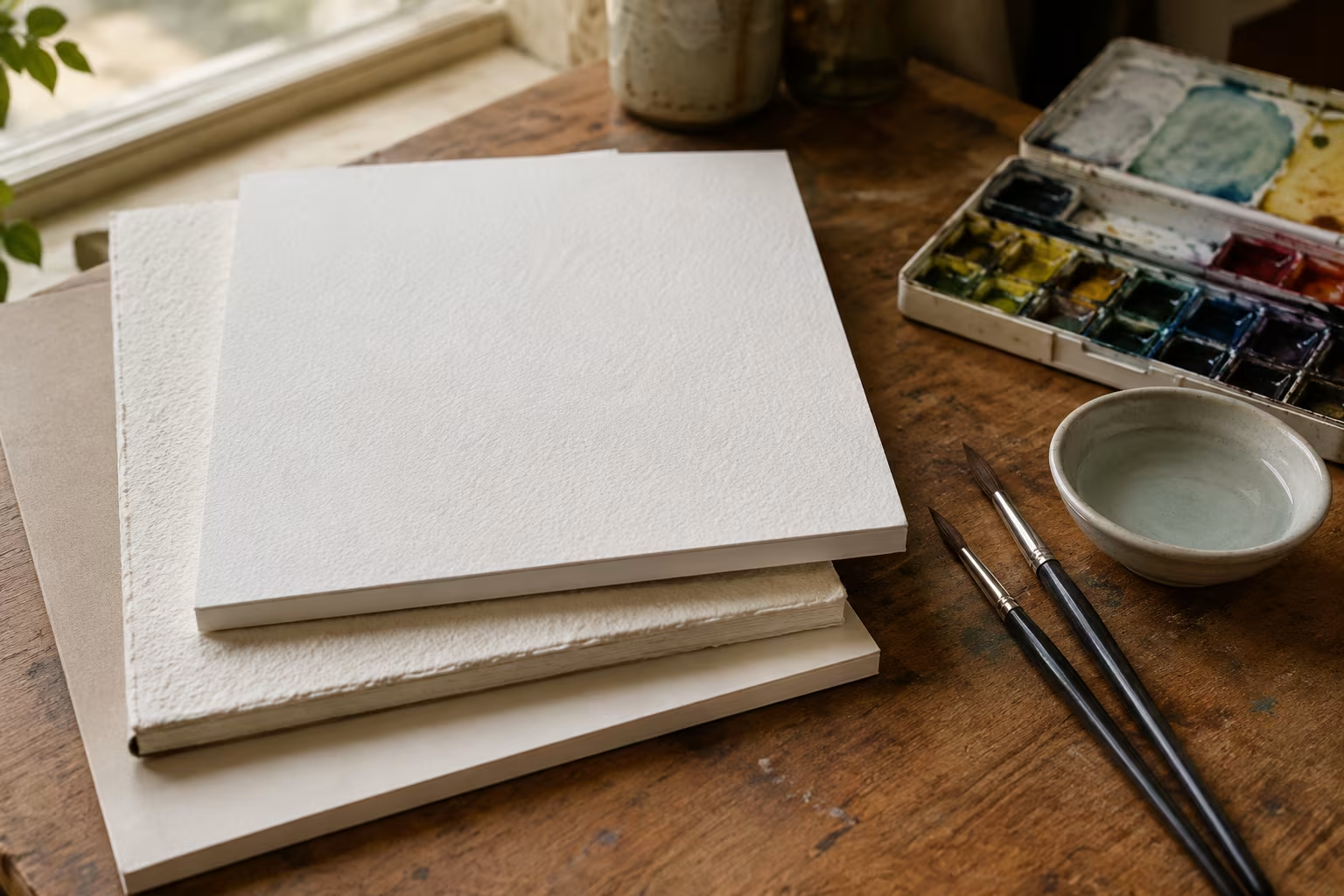
Beginner Watercolor Paper Choice for Textured Washes
Watercolor paper is the single biggest gear decision a beginner makes. Weight, surface texture...
Hand-Sewn Leather: Saddle Stitch Spacing That Actually Holds
Saddle stitching looks simple and fails subtly. Wrong spacing pulls thin leather apart. The...
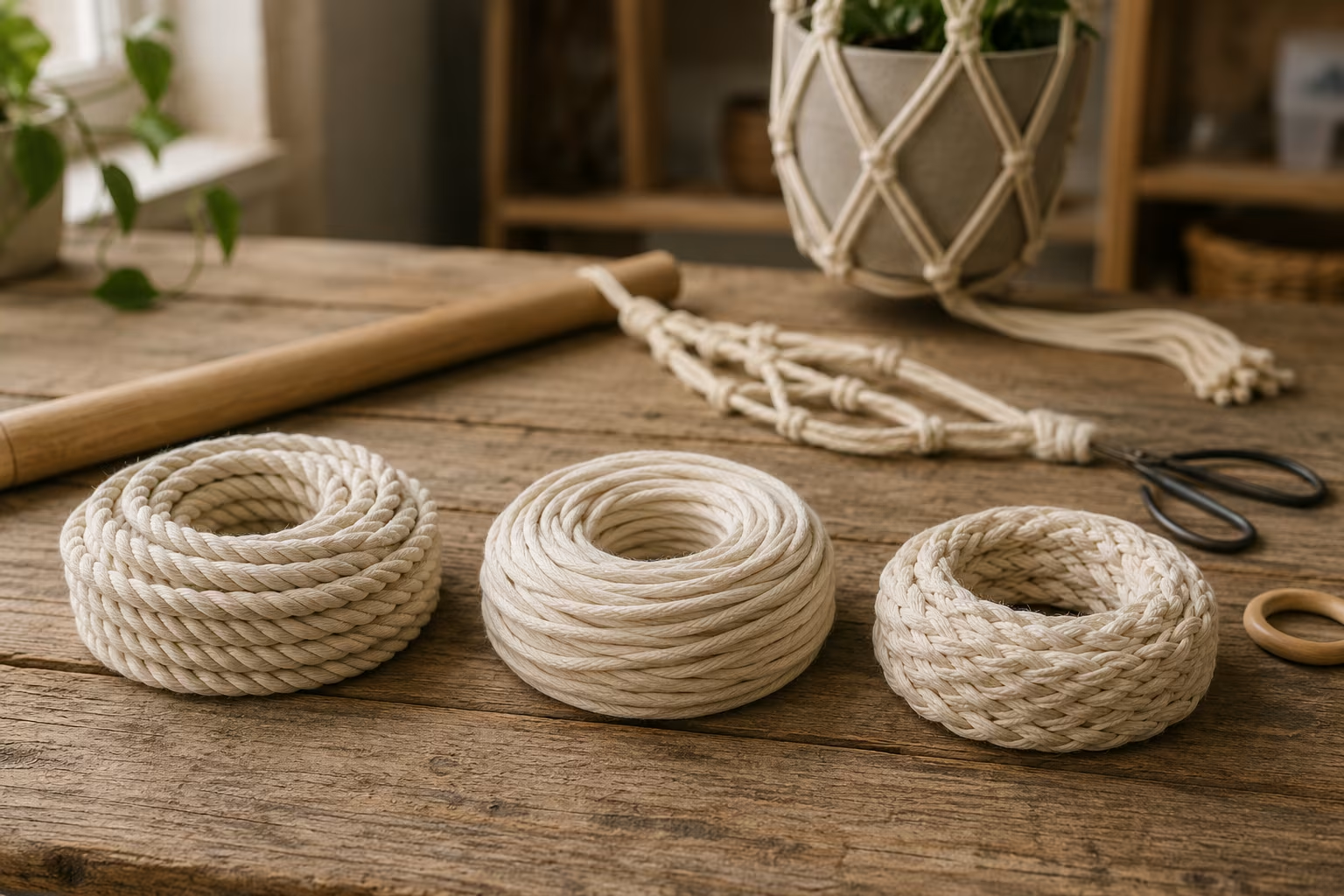
Macrame Cord Choice for Beginners: Single-Twist vs 3-Ply
3-ply cord is forgiving, single-twist gives the boho fringe, braided locks in clean knots. The...
Comments
No comments yet. Be the first to share your thoughts!