
The Best Rental-Friendly Ways to Update Your Kitchen Backsplash
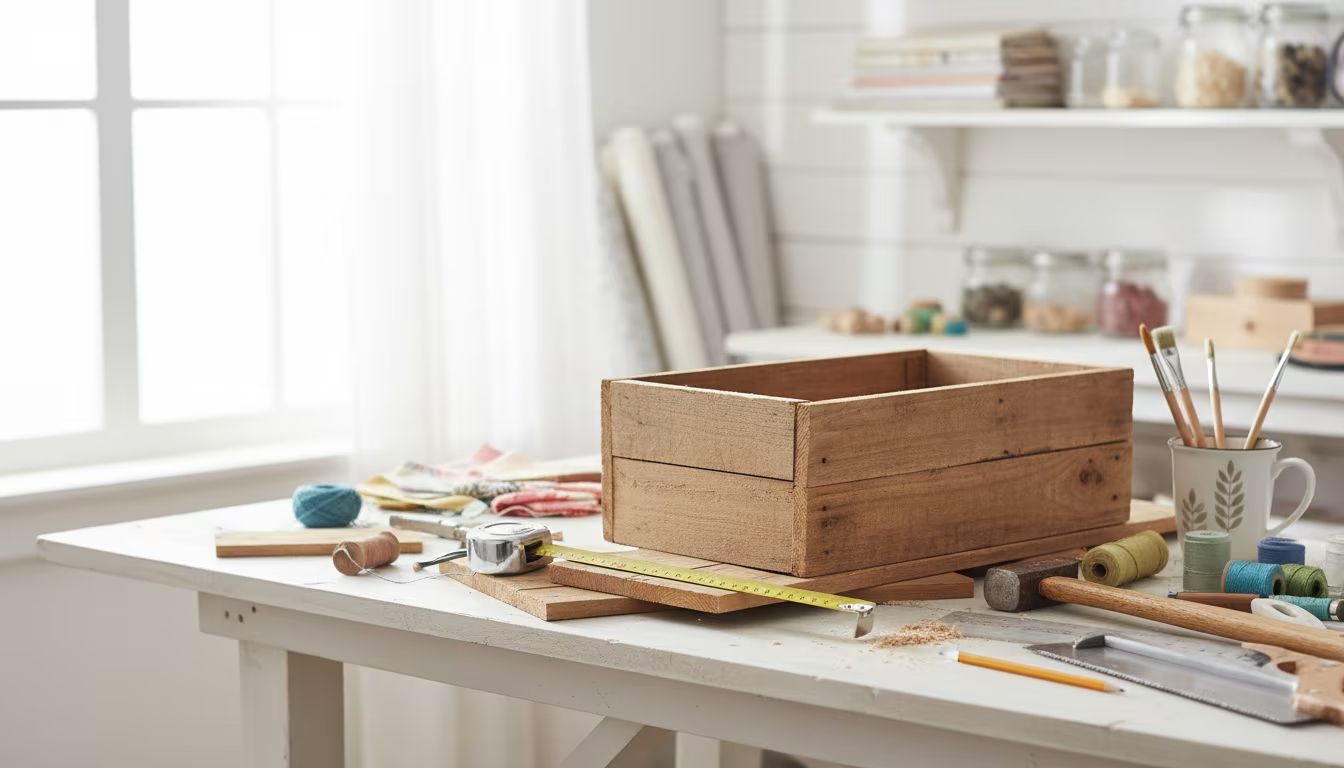
A dated kitchen backsplash is one of the few things renters can genuinely change without touching the wall permanently. The catch is reversibility: whatever goes up has to come down cleanly, leaving no residue, no lifted paint, and no lost security deposit. Every method below is chosen for that constraint, and most transform a backsplash for well under $100. The kitchen is also the room you use most, even in a small apartment, so the payoff per dollar is high.
Check your lease before you buy anything
Read the clauses on modifications, alterations, and painting before spending a cent. Many landlords accept temporary changes when they are confident nothing will be damaged, and a short email confirming your plan protects you later. Keep that written approval — it is your evidence at move-out if any deposit dispute comes up. If the lease is strict, the lean-in panel method further down never contacts the wall at all, so it stays an option regardless.
Know what surface you are working over, too. Peel-and-stick and wallpaper bond best to smooth, non-porous surfaces: painted drywall in good condition, or existing glossy tile with shallow grout lines. Deep grout lines telegraph through thin material, and freshly painted walls (cured under about three weeks) can release paint when the adhesive comes off later. When in doubt, plan for the leaning-panel route.
Four rental-safe materials, compared
The removable-decor market has moved well past flimsy stick-on sheets. Four categories cover almost every situation:
- Peel-and-stick tiles — individual tiles or sheets with a raised gel texture that mimics subway tile, mosaic, or stone. Durable and wipeable, they suit smooth existing tile or painted drywall.
- Temporary wallpaper — faux brick, wood grain, geometric, and tile prints. Best for covering larger smooth areas fast; choose a kitchen-rated, wipeable roll. Wikipedia's overview of wallpaper types and adhesives is a useful primer on removable versus paste-the-wall products.
- Adhesive PVC or vinyl panels — thicker and more rigid, giving a structured shiplap or beadboard look. The adhesive is stronger, so a corner test is essential.
- DIY leaning panels — thin plywood, MDF, or foam board cut to size, then painted, stenciled, or papered and held with removable strips. Zero wall contact, so it passes even the strictest lease.
On budget: individual peel-and-stick tiles typically run $6 to $12 per sheet and add up fast over a full run, while a roll of temporary wallpaper covers more area for less and suits large smooth stretches. Adhesive panels sit in the middle on price but give the most substantial, structured look. Whatever the material, buy about 10 percent extra to cover trimming errors and outlet cutouts, and check that tiles come from the same production lot so the color and texture match.
Clean and measure first
Adhesion lives or dies on prep. Wipe the wall with a degreaser (dish soap and hot water, or a dedicated kitchen cleaner) to strip grease, grime, and splatter, rinse with clean water, and let it dry fully — any moisture defeats the glue. Then measure the height and width of the backsplash run. Cut tiles or wallpaper about an inch oversized on each edge; trimming excess is far easier than salvaging a piece cut short. A textured or bumpy wall shows through thin materials, so on rough walls lean toward a thicker adhesive panel or an embossed wallpaper that masks imperfections.
Apply peel-and-stick without bubbles
Work in order and the finish stays flat and straight:
- Peel only a few inches of backing from the top edge.
- Align the material with your starting point and check it against a small level.
- Press the exposed adhesive to the wall, then peel more backing as you move down and across.
- Smooth constantly with a squeegee or a credit card wrapped in cloth, pushing bubbles out to the nearest edge.
If a stubborn bubble forms, lift the material back to that point and re-lay it rather than trying to force the air sideways.
Handle outlets, corners, and edges
For outlets, switch off the power at the breaker, remove the cover plate, apply your material over the opening, then cut the hole with a sharp utility knife just inside the box edge; the replaced cover hides any rough cut. At inside corners, cut the material to sit snugly into the crease. At outside corners, wrap it around or trim it to meet precisely. Finish by trimming excess along the top, bottom, and sides with a utility knife against a straight edge, changing the blade often so it cuts cleanly rather than dragging and tearing the material. A removable adhesive caulk strip along the countertop and under the cabinets gives a clean seal that peels off without residue when you move, and it also keeps water and grease from creeping behind the bottom edge.
The leaning-panel method for zero-damage confidence
Measure the area, then have a hardware store cut thin plywood, MDF, or foam board to size — many do basic cuts free. Decorate the panels with paint, stencils, temporary wallpaper, or faux tin tiles, and let them dry flat. Lean them against the backsplash and, if you want extra stability, hold them with removable mounting strips or poster putty. Nothing bonds to the rental wall, which makes this the safest route by far.
Common mistakes to avoid
- Skipping the deep clean. Grease and dust stop the adhesive from bonding; edges lift within weeks. Spend the extra 15 minutes scrubbing.
- Ignoring wall texture. Thin materials telegraph every bump. Spackle small holes only if you can patch perfectly later, or switch to a thicker panel.
- Rushing application. Fast peeling causes bubbles and crooked lines. Peel slowly, smooth continuously.
- Not testing adhesive. Stick a scrap in a hidden spot — behind the microwave — for a few days and peel it. If it pulls paint or leaves residue, that product is not right for your wall.
- Using dull tools. A sharp utility knife, a metal straight edge, and a smoothing tool (a few dollars each) do far more for a clean result than cheap scissors and bare hands.
- Applying in a cold or damp room. Adhesives grip poorly below about 65°F. Warm the room and let cold material acclimate for a few hours before installing, especially in winter.
Longevity depends on the material and how much moisture it sees. Well-applied peel-and-stick or wallpaper behind a sink or stove often lasts one to five years; the area directly behind the cooktop and faucet takes the most heat and splatter, so inspect those edges first if anything starts to lift. When it is time to remove, warming the material gently with a hair dryer softens the adhesive and lets it peel in one piece with far less residue.
Command's removable adhesive line, detailed on the official Command site, is a reliable pick for the strips and hooks these methods rely on. Start with a single wall, prep it properly, run the hidden-spot adhesive test, and the backsplash you look at every morning becomes one you actually chose.
Rental backsplash rules of thumb:
| Decision | Number | Note |
|---|---|---|
| Budget ceiling | well under $100 for most methods | every option here is removable |
| Peel-and-stick sheets | $6–$12 each | sheets add up over a full run |
| Overage | buy ~10% extra | trimming errors and outlet cutouts |
| Prep | 15 extra minutes of scrubbing | adhesive is only as good as the wall |
| Temperature | adhesives grip poorly below ~65°F | warm the kitchen first |
Related Posts
Area Rug Size Under Dining Table
A rug too small under dining table looks like a mistake. Chairs must stay on rug when pulled out.

Sofa Pillow Combinations That Don't Fight
Throw pillows pile up over years. Rules for color, texture, pattern, and size.
Light Fixture Height Over Dining Table: The Rule
The right pendant light height over a dining table is calculated, not guessed. The standard...
Hanging Plants Without Ceiling Hooks for Renters
Hanging plants brighten any room but drilling into the ceiling isn't always an option....
Comments
No comments yet. Be the first to share your thoughts!