The Secret to Choosing Sustainable Home Decor Brands You’ll Love
Hey there, makers! 👋 You know that feeling when you're scrolling through Pinterest, dreaming of a perfectly cozy, stylish home, but then you pause and wonder where all this stuff actually comes from?
Maybe you've tried to be more mindful about your purchases, but the sheer number of "eco-friendly" labels out there feels totally overwhelming. Sound familiar? You’re definitely not alone.
Today, we're going to cut through all that noise. I'll share my own journey – and missteps – in figuring out how to choose home decor that not only looks good but also feels good because it aligns with my values. We’ll talk about what "sustainable" actually means for your home, how to spot the real deal, and why it's easier than you might think to start making a difference, even if you’re on a budget.
Why This Actually Matters
For a long time, I just bought whatever looked cute and fit my budget. But then I started thinking about all the stuff I was bringing into my small Portland apartment, and later, into my garage workshop.
Where does it all go when I'm done with it? How was it made? Was someone paid fairly to make that trendy throw pillow?
It's easy to dismiss these questions, right? We just want a nice home. But focusing on sustainable decor isn't just about saving the planet; it's about creating a space that feels genuinely authentic and peaceful to you.
When you know the story behind your pieces, when you've put thought and intention into them, your home feels richer. It’s a quiet act of creativity and care, and that feeling is worth every bit of effort. Plus, it's way more fun than just buying whatever's cheapest.
Decoding "Sustainable": What Does It Even Mean for Your Home?
Okay, let's get real about what "sustainable" actually means when we're talking about home decor. It's not just a fancy buzzword for expensive stuff.
At its core, sustainable means thinking about the entire life of a product. From the materials used, to how it's made, who makes it, how it gets to you, and what happens to it when you're done.
It sounds like a lot to consider, but don't worry. We're breaking it down into manageable chunks, just like a DIY project.
Beyond the Buzzwords: What to Look For
You’ll see terms like "eco-friendly," "ethical," "fair trade," and "circular." These are all pieces of the puzzle, but what do they mean for your coffee table or your new rug?
I like to think about it in three main areas: materials, process, and people. If a brand is hitting at least one or two of these really well, they're probably on the right track.
- Materials Matter: This is a big one. Think about what your decor is made from. Are we talking about natural fibers like organic cotton, linen, hemp, or wool? These often have a lower environmental impact during growth and can biodegrade.
Or maybe it's recycled materials, like glass transformed into a vase, or reclaimed wood given a new life as a shelf. Even plastic can be sustainable if it's recycled, like bottles turned into durable rugs or storage bins.
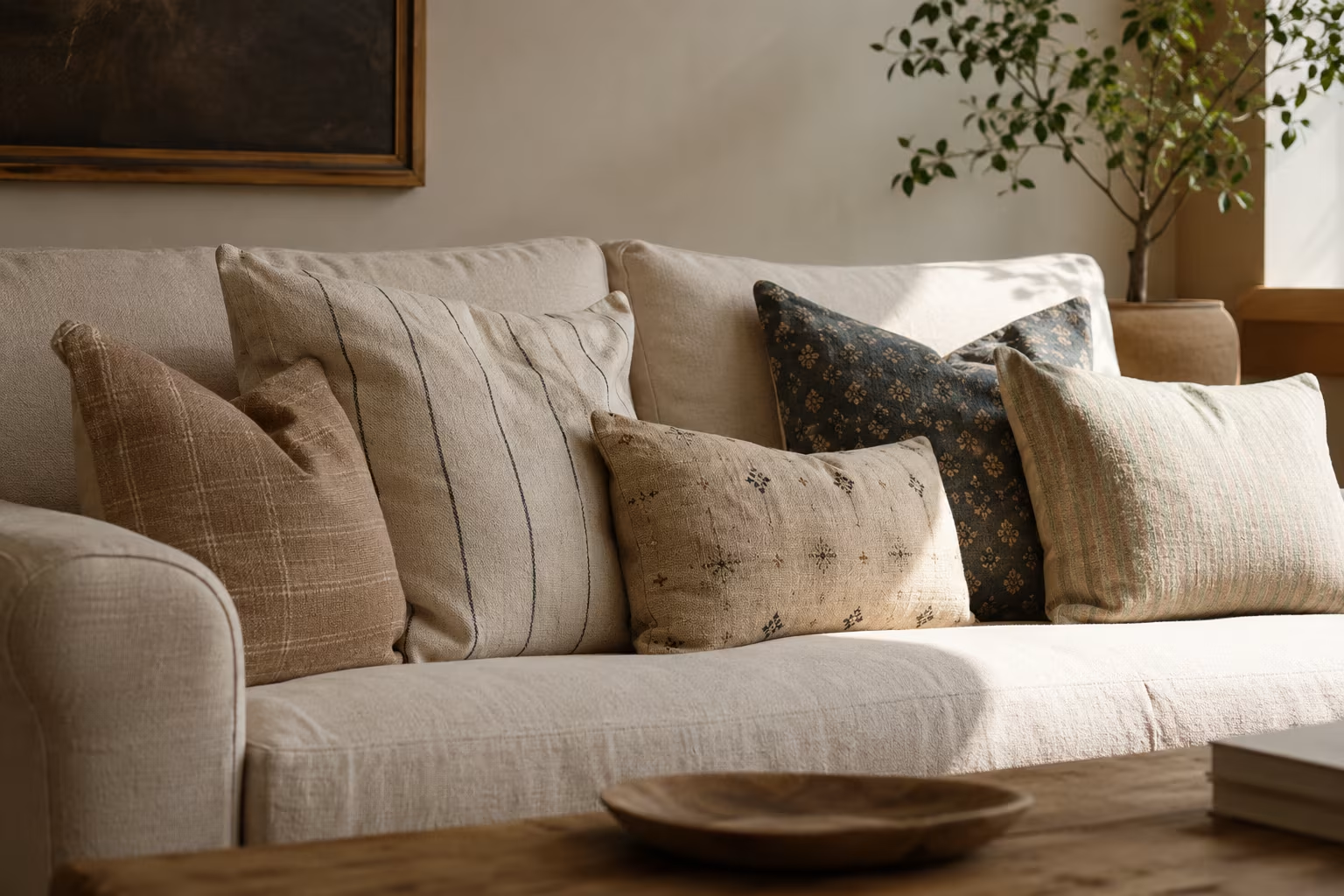
When I was looking for a new throw for my couch, I specifically searched for recycled cotton or organic linen. It cost a little more upfront, but knowing it wasn't contributing to new resource extraction felt good.
Upcycled materials are another fantastic option. This is where something old is given a new, higher-value purpose, like vintage fabric transformed into unique pillow covers. It diverts waste and creates something truly one-of-a-kind.
- Production Process: How something is made is just as important as what it's made from. Does the company use renewable energy in their factories? Do they minimize water waste and pollution?
Are they using non-toxic dyes and finishes, especially important for textiles and furniture that you and your family will be around? I always check for things like low-VOC paints on furniture or Oeko-Tex certified fabrics, especially for things I'll be touching a lot.
Some brands even practice "closed-loop" manufacturing, meaning they take back old products to recycle or repair them, drastically reducing waste. That’s a real commitment to sustainability.
For my paper crafts, I always try to source recycled paper. It’s a small thing, but thinking about the process, even for my own projects, has made a big difference in how I approach my supplies.
- People & Planet: This often gets overlooked but it's absolutely crucial. "Ethical" production means that the people making your decor are treated fairly. This includes fair wages, safe working conditions, and no child labor.
Many brands that focus on fair labor also empower artisans and communities, preserving traditional crafts and skills. This often goes hand-in-hand with "fair trade" certifications, which ensure a better deal for producers in developing countries.
Beyond the people, what about the planet during production? Are they actively working to reduce their carbon footprint, protect biodiversity, or invest in their local communities? These are all signs of a truly sustainable brand. It's not just about what they don't do, but what positive impact they do have.
How to Actually Find & Choose Sustainable Home Decor
Okay, so we know what to look for. But how do you actually do it? It can feel like wading through an ocean of information, right?
Don't worry, you don't need to be an expert on global supply chains overnight. My approach is all about starting small, asking the right questions, and being a little bit of a detective. You’ve got this!
Step 1: Start with What You Already Have (Seriously!)
This is, hands down, the most sustainable and budget-friendly step you can take. Before you even think about buying anything new, take a good, honest look around your home.
Do you have a dresser that's seen better days but is still sturdy? Maybe it just needs a fresh coat of low-VOC paint or some new hardware. I transformed an old, scratched up coffee table from a garage sale with some sandpaper and a can of chalk paint.
It took me a Saturday afternoon and cost less than $20. Now it's a piece I absolutely love, and it has a story. This is upcycling at its finest, giving something a new life without consuming new resources.
Can that old throw pillow get a new cover? Could you rearrange what you have to create a fresh look? Sometimes, a simple declutter and reorganization can make your space feel totally new, and it costs nothing.
Step 2: Hit Up Your Local Thrift Stores & Flea Markets
Okay, you know I love my thrift stores! This is my absolute favorite way to find unique, sustainable decor. Every piece already has a story, and you're keeping it out of a landfill.
I've found some incredible gems – solid wood chairs for $10, vintage glass vases for a dollar, even unique ceramic planters. You have to be patient, though. It's not a guaranteed score every time.
What I look for are pieces with good "bones" – sturdy construction, interesting shapes, or quality materials like solid wood, ceramic, or thick glass. Even if it needs a little TLC, like a new coat of paint or some minor repair, it's often worth it.
My best find? A solid oak bookshelf for $40. It was dated, but with a bit of sanding and a natural wax finish, it looks like it cost hundreds. This is the ultimate circular economy in action, and it often results in pieces with way more character than anything new.
Step 3: Look for Certifications (But Don't Get Bogged Down)
When you do decide to buy new, certifications can be super helpful guideposts. They're like little badges that tell you an independent third party has checked certain claims about a product.
For textiles, look for GOTS (Global Organic Textile Standard) for organic fibers, or Oeko-Tex Standard 100, which means it’s free from harmful substances. For wood, FSC (Forest Stewardship Council) certification ensures the wood comes from responsibly managed forests.
Another great one to look for across different industries is B Corp certification. These companies are legally required to consider the impact of their decisions on their workers, customers, suppliers, community, and the environment. It's a holistic approach to good business.
Now, here's the kicker: don't let certifications paralyze you. Many small, genuinely sustainable brands can't afford the often-expensive certification process. Use them as a starting point, not the be-all and end-all.
Step 4: Dig Into Brand Websites & Transparency Reports
Once you've found a brand that catches your eye, it's time to do a little detective work. Most legitimate sustainable brands are pretty open about their practices.
Head straight to their website and look for sections like "About Us," "Sustainability," "Our Impact," or "Materials & Sourcing." What kind of information are they providing?
Are they vague, using lots of feel-good words without specifics? Or are they telling you exactly where their materials come from, how their products are made, and how they treat their workers? The more specific, the better.
A truly transparent brand will often share their supply chain, their environmental targets, and sometimes even independent audit results. If you can't find anything beyond vague statements, that's often a red flag. It might be "greenwashing," where a brand makes unsubstantiated claims to appear more sustainable.
Step 5: Prioritize Quality Over Quantity
This is a big mindset shift, but it’s a game-changer. Instead of buying five cheap, trendy items that might fall apart in a year, invest in one really well-made, timeless piece that will last for decades.
Yes, quality pieces often have a higher upfront cost. I know that can be tough on a budget, believe me. But think about the cost per use over its lifetime. A $30 throw that lasts 10 years is cheaper than three $15 throws that last a year each.
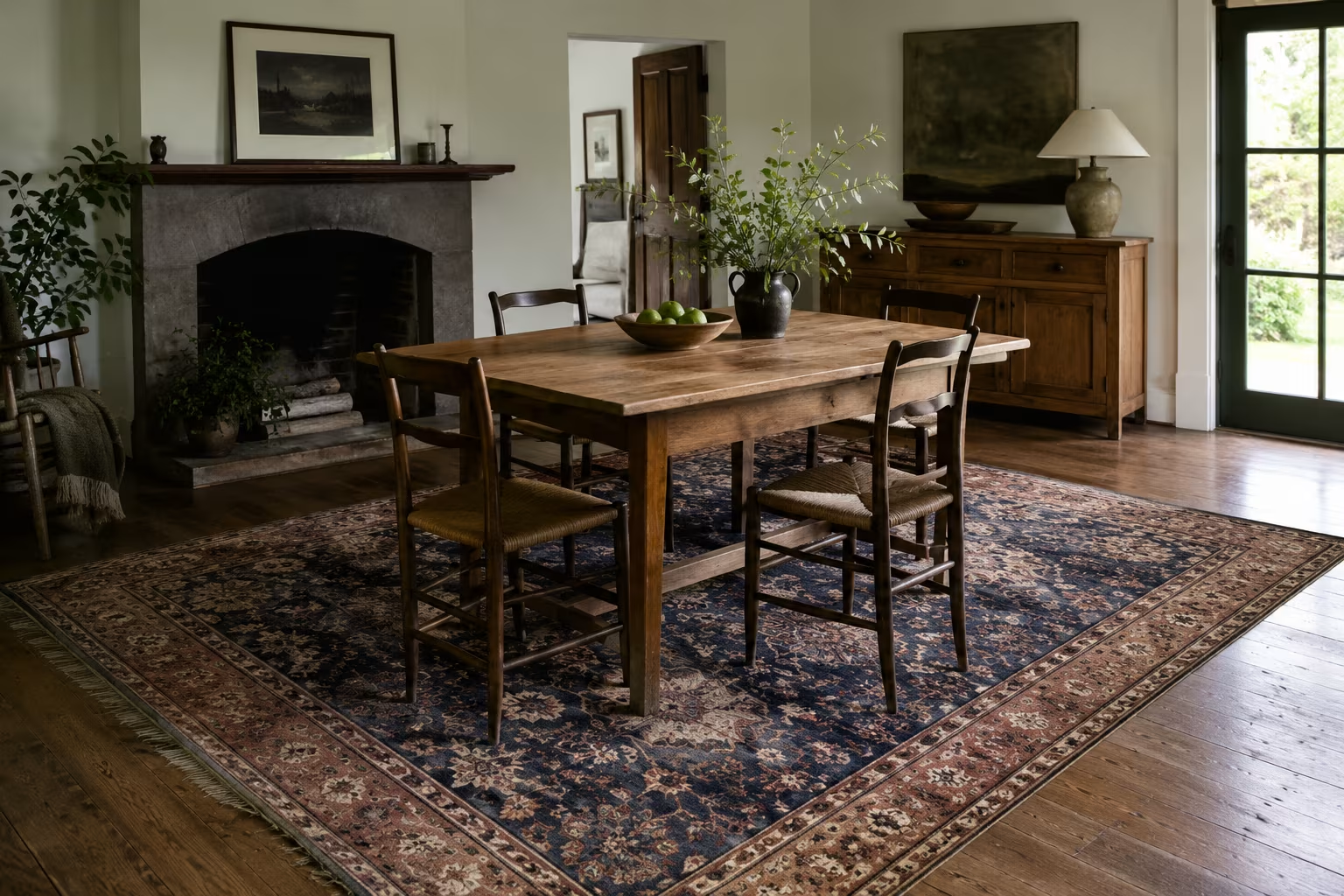
When I finally invested in a solid wood dining table that was ethically sourced, it felt like a big purchase. But I know it’s something I’ll have for the rest of my life, and that feels way more sustainable than replacing a cheaper one every few years. It’s about buying less, but choosing well.
Step 6: Support Small & Local Makers
This is where your unique, personality-filled pieces often come from. Shopping local artisans, whether at a craft fair, on Etsy, or through local boutiques, is a fantastic way to find sustainable decor.
Smaller makers often have a direct relationship with their materials and production process. You can often ask them directly about their sourcing, their materials, and their values. It’s much easier to get transparent answers.
Plus, you’re supporting an individual's dream and creativity, keeping money in your local economy. Think about a hand-thrown ceramic mug, a piece of artwork from a local artist, or a small batch candle made with natural waxes. These items have soul.
I’ve found some amazing carved wooden bowls and textile art from local markets here in Portland. They're unique, tell a story, and definitely aren't something everyone else has from a big box store.
Step 7: Consider "Secondhand New" Retailers
Beyond traditional thrift stores, there’s a growing market for "secondhand new" furniture and decor. Think about online marketplaces like Facebook Marketplace, Craigslist, or specific consignment stores that focus on higher-quality used goods.
You can often find pieces that are almost new, sometimes even with original tags, for a fraction of their retail price. People change their minds, move, or redecorate, and their loss can be your sustainable gain.
This is particularly great for larger items like sofas, dressers, or dining sets. It saves you money, gives an item a new home, and prevents it from ending up in a landfill. Just remember to check for quality and cleanliness, and arrange for safe pick-up or delivery.
Making It Stick: Avoiding Common Pitfalls
So, you’ve got the steps, but I know it's easy to get sidetracked or feel overwhelmed. I’ve definitely had my moments of wanting to just click "add to cart" on the first cute thing I see!
One of the biggest pitfalls is thinking it has to be "all or nothing." You might feel like if you can't afford to furnish your entire home with fair-trade, organic, handcrafted pieces, then what's the point?
That mindset can stop you before you even start. Another common mistake is falling for "greenwashing." Companies are smart, and they know people want sustainable options, so they'll use vague language and imagery to make themselves look good without actually doing the work.
My advice? Don’t let perfection be the enemy of good. It’s a journey, not a destination. And it's okay to make mistakes or compromise sometimes. Every conscious choice you make, no matter how small, adds up and makes a difference.
You don't need to do it all perfectly, you just need to start somewhere.
Frequently Asked Questions
Is sustainable decor always expensive?
Absolutely not! While some new, ethically produced items might have a higher upfront cost, many sustainable options are incredibly budget-friendly. Thrift stores, flea markets, and upcycling what you already own are often the cheapest ways to decorate sustainably. My $15 hand-painted picture frames are proof of that!
How do I know if a brand is truly sustainable and not just "greenwashing"?
Look for transparency and specifics. A genuinely sustainable brand will provide clear information about their materials, production processes, labor practices, and certifications (if they have them). If a brand uses a lot of vague, feel-good language without offering concrete details, that's often a sign of greenwashing. Trust your gut and do a little digging.
What if I can't find sustainable options for everything I need?
That's totally okay and completely normal! No one expects you to furnish your entire home with 100% sustainable items overnight. Do your best with what's available and within your budget. Sometimes, the most sustainable choice is to simply use what you have for as long as possible, even if it's not "officially" sustainable. Progress, not perfection.
Can I really make a difference with my decor choices?
You absolutely can! Every time you choose a sustainable item, whether it's a thrifted lamp or a new, ethically made throw, you're voting with your dollar. You're supporting brands that do good and sending a signal to others that there's a demand for more responsible products. It's a small ripple that creates a bigger wave.
What's the one thing I should focus on if I'm just starting?
If you're just dipping your toes into sustainable decor, start with what you already own. See if you can refresh or repurpose existing items. After that, prioritize buying secondhand. It's accessible, budget-friendly, and has an immediate positive impact by keeping items out of landfills and giving them a second life. It's a win-win all around.
The Bottom Line
Choosing sustainable home decor isn't about being perfect; it's about being intentional. It's about creating a home that reflects your values, where every piece tells a story and feels good to have around. You don't need to overhaul everything at once.
Just pick one thing to start with. Maybe it's refreshing that old bookshelf, or spending an afternoon exploring a local thrift store. You'll be surprised how much joy and character these conscious choices bring into your space. Happy decorating! ❤️