
Why Slow Decorating is Better for Your Home and Your Wallet
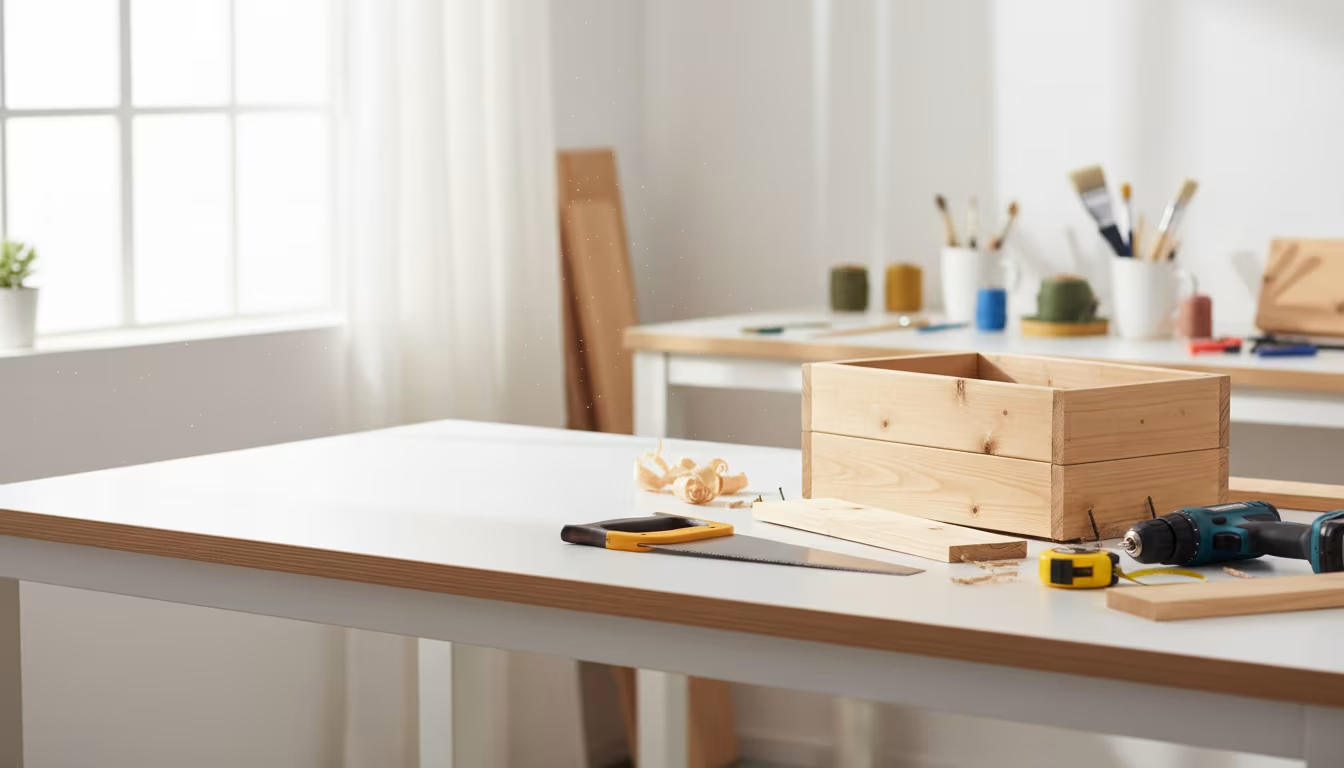
Slow decorating is a deliberate approach to furnishing a home: instead of filling a room in one shopping trip, you add pieces gradually, keeping only what is functional, durable, or genuinely meaningful to you. It borrows directly from the wider slow movement in culture, which favors quality and intention over speed. The practical payoff is a room that feels coherent rather than catalog-ordered, and a budget that stretches much further because impulse purchases drop sharply.
What Slow Decorating Actually Means
Fast decorating means buying trendy, mass-produced items in bulk to make a space look finished quickly. Slow decorating reverses the order of operations: you decide how you use a room first, then acquire pieces to match that use over months rather than a weekend.
The method rests on four principles. Intentionality means every item earns its place by being useful, beautiful, or sentimental. Patience means letting the room evolve instead of forcing it to look done. Sustainability means repairing what you own and choosing secondhand or durable pieces before buying new. Personal connection means the space reflects your habits rather than a showroom template. A single well-made solid-wood side table that lasts 20 years is a better anchor than a $40 flat-pack unit replaced every few years.
A common misread is that slow decorating means minimalism, or living with bare rooms indefinitely. It does not. The distinction is timing and intent, not quantity: a fully furnished room qualifies as long as the pieces arrived deliberately and each one still earns its place. The approach also assumes a room is never truly finished. It keeps changing as your life does, which is why treating a space as a work in progress, rather than a project to complete in a weekend, is the mindset that makes the rest of the method work.
Start by Auditing What You Already Own
Before buying anything, inventory the furniture and decor already in the house, including items stored in the garage or a spare room. A dresser can move from a guest room to a living room; a coat of primer plus two thin coats of chalk or latex paint (roughly $10 to $25 in materials) can turn a dated piece into something that fits. Repurposing two garage stools into painted nightstands is a typical afternoon project.
Next, define what you actually want. Write down how you spend evenings, whether you entertain, and what a room needs to do. Focus on function and comfort before appearance. If you are working toward a restrained scheme, a minimalist color palette gives you a filter for every future purchase, so mismatched pieces still share a common thread of tone or material such as natural wood.
Sourcing Pieces Over Time
A large share of a slow-decorated room comes from secondhand channels: thrift stores, estate and garage sales, flea markets, and online marketplaces like Facebook Marketplace and Craigslist. These sources deliver character and low prices at once. A solid-wood dresser for $40 that you sand and re-stain, or a vintage mirror for $15 that only needs cleaning, outperforms a new item of the same price. Learning to source pieces from local thrift stores is the core skill here.
A useful rule for deciding new versus secondhand: buy new for items where hygiene or structural integrity matters, such as mattresses and upholstered seating you cannot inspect inside, and buy secondhand for solid-wood casegoods, frames, lamps, mirrors, and decorative objects, where age is cosmetic and fixable. When you do buy new, favor a smaller number of durable pieces over a full matching set, since a set locks you into one look and dates all at once. Give each acquisition a week or two of consideration before committing, which alone eliminates most purchases you would later resell at a loss.
Resist filling every wall and corner immediately. Live in the room long enough to see how the light moves through the day and where you naturally gather. Buying a rug the week you move in often ends in regret over color or size a month later; waiting until you know the room prevents that. Once the functional pieces are set, layer in textiles, art, plants, and personal objects gradually, adding a considered mix of throw pillows and small mementos that carry a story rather than filling blank space for its own sake.
Common Pitfalls and How to Avoid Them
The strongest pull against slow decorating is the habit of instant gratification. When two-day delivery is normal, waiting for the right piece feels agonizing, and that impatience is what drives the impulse buys the method exists to prevent. A useful counter is a short waiting rule: hold any non-essential purchase for a set period before deciding.
A second mistake is confusing slow with bare. The goal is not empty rooms but thoughtful ones, so an intentional space with fewer items still reads as complete. A third is comparing your home to styled social-media images, which are professionally lit highlight reels rather than lived-in rooms. If you have children or pets, the approach works in your favor: you gravitate toward durable, washable materials, and a damaged piece stings less when it was an inexpensive, budget-friendly find you refinished yourself. The system also suits rentals, since portable pieces move with you instead of tying money into fixed changes. Start with a single corner, choose one piece you genuinely like, and let the rest of the room build from there.
The slow-decorating math:
| Choice | Cost | Outcome |
|---|---|---|
| Solid-wood side table | built to last 20 years | beats a $40 flat-pack replaced every few years |
| Secondhand dresser + paint | about $40 + primer and two thin coats | moves room to room as needs change |
| Vintage mirror | about $15 + cleaning | outperforms new decor at multiples of the price |
Related Posts
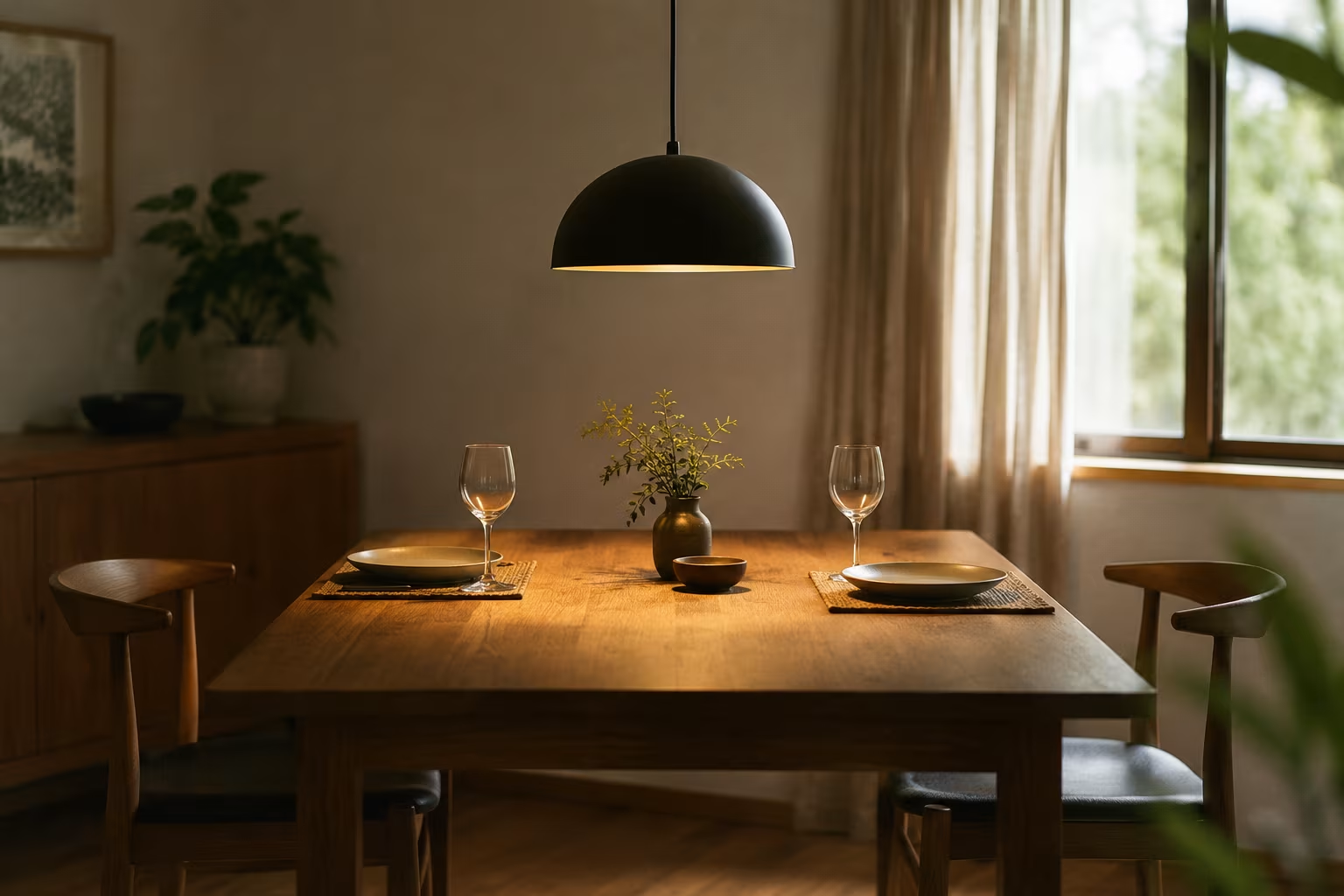
Light Fixture Height Over Dining Table: The Rule
The right pendant light height over a dining table is calculated, not guessed. The standard...

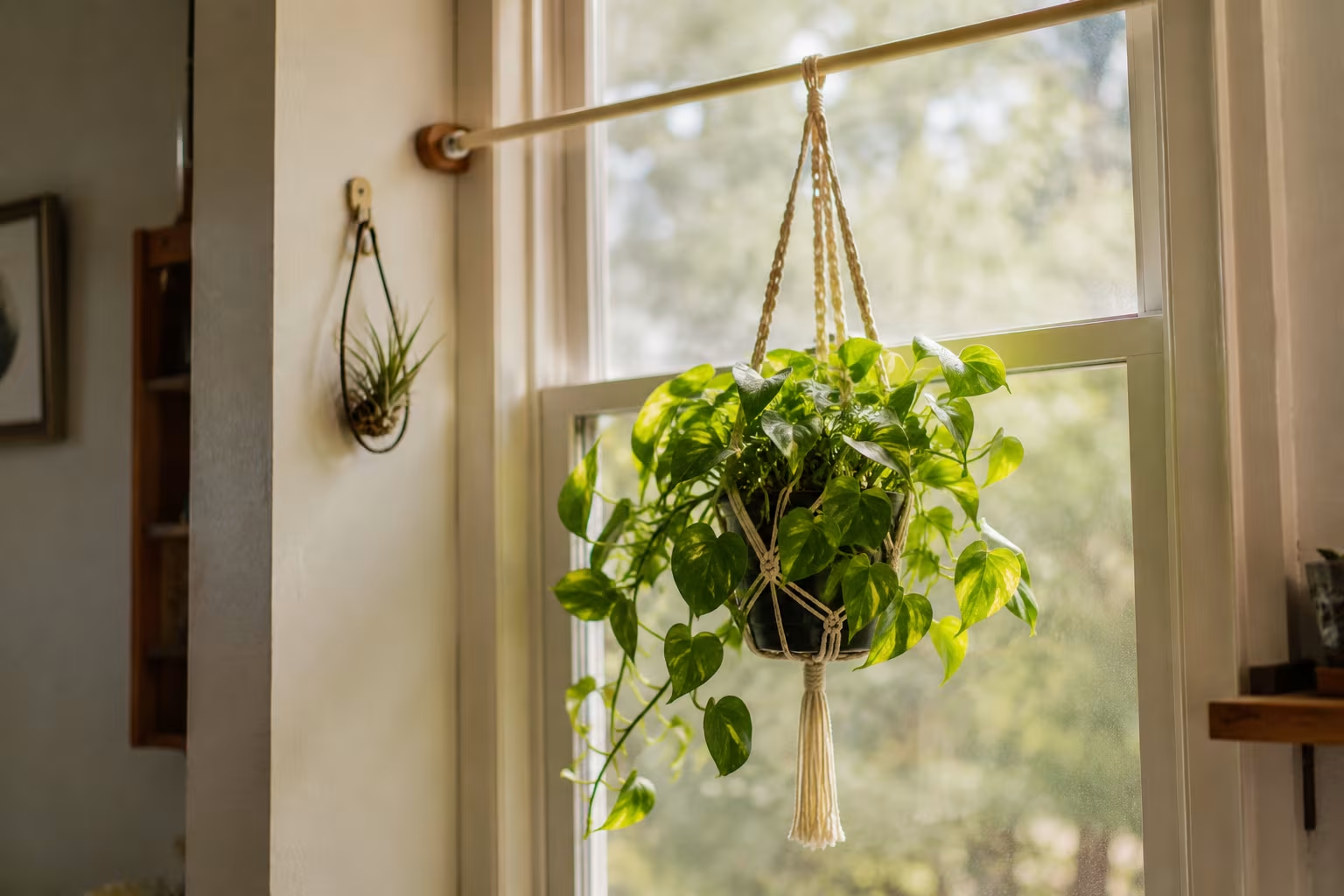
Hanging Plants Without Ceiling Hooks for Renters
Hanging plants brighten any room but drilling into the ceiling isn't always an option....
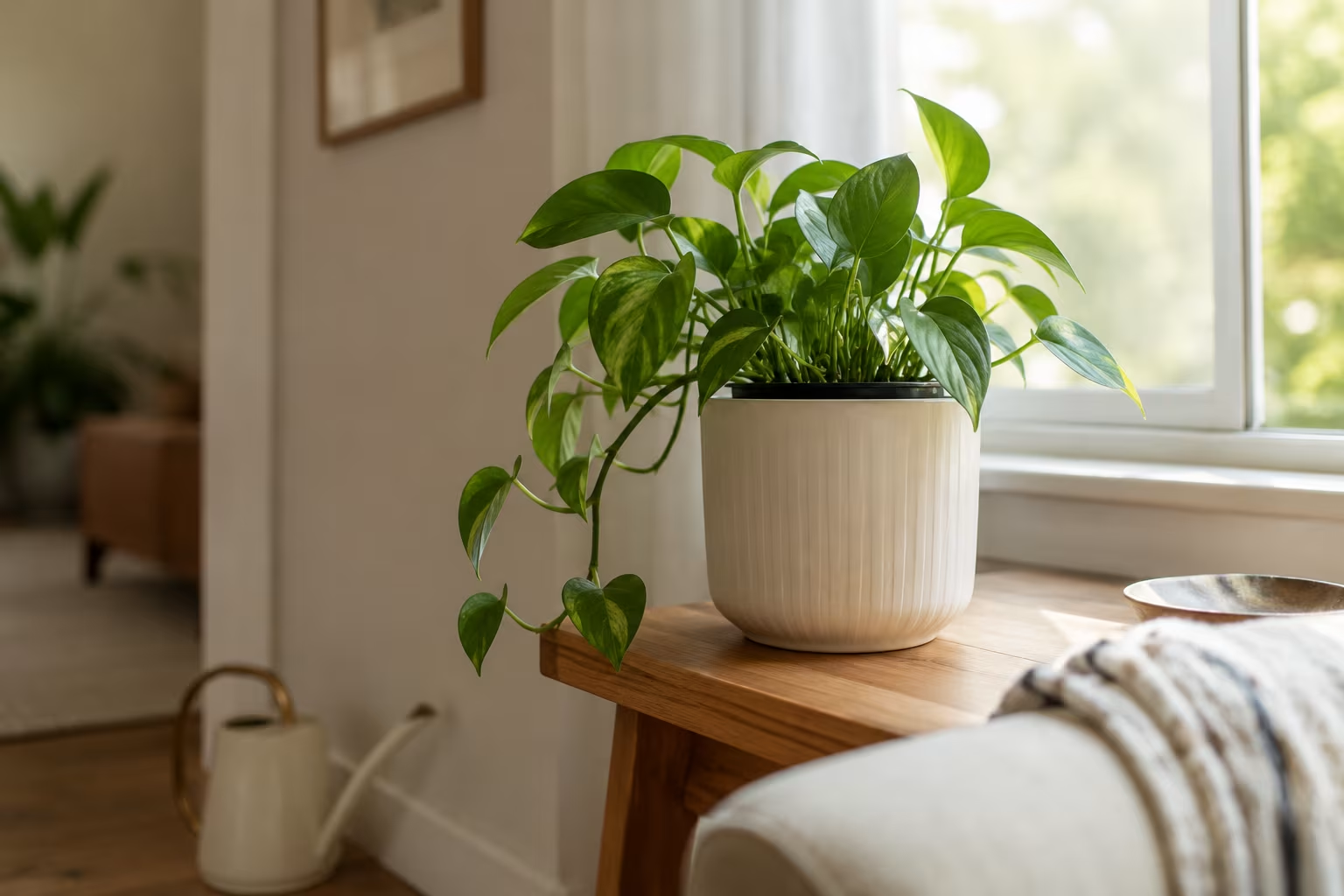
Indoor Plant Pot with No Drainage Hole: How to Make It Work
A no-drainage pot rots roots fast. Use the double-pot method, skip the gravel myth, pick...
Hide TV Cable Clutter Renter-Safe Without Drilling
Hide a wall-mounted TV's cables without drilling: a paintable adhesive raceway to the outlet, a...
Comments
No comments yet. Be the first to share your thoughts!