
How to Style Window Sills as Functional Display Spaces
Window sills catch some of the best natural light in a home and usually sit at eye level, yet they tend to collect mail, keys, and a single struggling plant. A ledge only 4 to 9 inches deep can hold a deliberate display if you plan around the window's light, depth, and how often it opens. The method below turns that strip of wood or stone into usable display and storage space without adding a single piece of furniture to the floor.
Measure the sill and read its light first
Start with a tape measure. Standard interior sills run about 3.5 to 5.5 inches deep, while older homes, bay windows, and deep-set masonry openings can offer 9 inches or more. Depth decides scale: a narrow ledge holds one slim item per foot, while a deep one supports arrangements layered two or three objects front to back.
Light exposure matters just as much. A south-facing sill takes intense, prolonged sun that fades paper, warps unglazed candles, and scorches shade-loving foliage. North-facing windows give soft, indirect light that suits framed photographs and most houseplants. Watch the sill across a full day before you commit anything delicate to it, and treat a kitchen or bathroom sill as a humid, splash-prone zone that calls for wipeable ceramic or glass rather than fabric or raw wood. A sill is a type of interior windowsill, and its role in shedding water and framing the glass is worth respecting when you load it up.
Build height, grouping, and texture into the display
Flat displays read as clutter. Vary height by lifting a few pieces on small hardback books, a 1 to 2 inch wooden block, or a short riser, then leave others low and wide. Aim for a clear tallest point, usually a plant or a slim vase, balanced by a mid-height object and one low dish or tray.
Arrange in odd numbers. Groups of three, five, or seven look more intentional than evenly spaced single items, so push a small plant, a framed photo, and a candle together as one cluster and leave breathing room before the next. Mix textures deliberately: smooth glazed ceramic against rough stoneware, a woven coaster under polished glass. Keep color disciplined by choosing one dominant shade plus one or two accents, an approach that overlaps with building a minimalist color palette for the whole room.
If the window faces the street, remember the display has two audiences. Set your tidiest, most streamlined pieces closest to the glass so the view from outside stays clean, and keep anything busy toward the room.
Match plants to the sill's conditions
Plants earn their place on a sill because they use the light no other surface gets, but only if the species fits the exposure. Succulents and cacti want the bright, direct sun of a south or west window; a fern or a pothos placed there will brown and crisp within weeks. In lower north light, choose tolerant foliage such as pothos, snake plant, or a small peace lily. Grouping several members of the succulent plant family in a sunny window creates a low-maintenance cluster that shrugs off the occasional missed watering, and matching each pot to its exposure follows the same logic as choosing indoor plants by light conditions throughout the house.
For narrow sills, single-stem propagation vases or a slim ceramic figure work where a full pot will not fit. On any sill above a radiator or a heat source, skip live plants entirely, since the dry updraft stresses roots.
Common mistakes and how to fix them
Overcrowding is the most frequent error. When a sill holds ten small objects it reads as storage, not display, so cut back to three or four pieces you genuinely like and let the empty space work for you. The second is ignoring the window's light, which quietly kills plants and fades decor; check the exposure before you place anything sensitive.
Stability is the practical failure. Lightweight vases and frames slide or tip when the sash moves or a pet brushes past, so anchor them with a pea-sized dab of museum putty or a clear reusable adhesive dot under the base. On a window you open often, keep everything low, heavy, and easy to lift out of the way.
Frequently asked questions
What if my sills are very narrow? Focus on single slender items: a propagation vase, a slim frame, a small ceramic bird. Test any adhesive strip on a hidden spot first, since some pull paint when removed.
How do I keep things from falling off? Choose heavier, stable pieces for narrow ledges and secure lighter ones with museum putty or reusable adhesive dots. On a frequently opened window, pick items that will not tip when the frame moves.
How often should I change the display? Refresh it whenever it stops working, seasonally or every few months. Swapping one object often resets the whole arrangement without a full redo.
Pick one sill this week, clear it completely, wipe it down, and place a single plant matched to its light plus one object you like on a small riser. Live with it for a day, then add or subtract one piece until it balances.
Sill numbers worth measuring before you style anything:
| Measurement | Range | Why it matters |
|---|---|---|
| Standard interior sill depth | 3.5–5.5 inches | limits you to slim pots and flat objects |
| Deep-set / bay window sills | up to 9 inches or more | room for grouped displays |
| Riser height for layering | 1–2 inches | hardback books or wood blocks lift back-row pieces |
| Window clearance | test before finalizing | the display must survive the window opening |
Related Posts
Area Rug Size Under Dining Table
A rug too small under dining table looks like a mistake. Chairs must stay on rug when pulled out.

Sofa Pillow Combinations That Don't Fight
Throw pillows pile up over years. Rules for color, texture, pattern, and size.
Light Fixture Height Over Dining Table: The Rule
The right pendant light height over a dining table is calculated, not guessed. The standard...
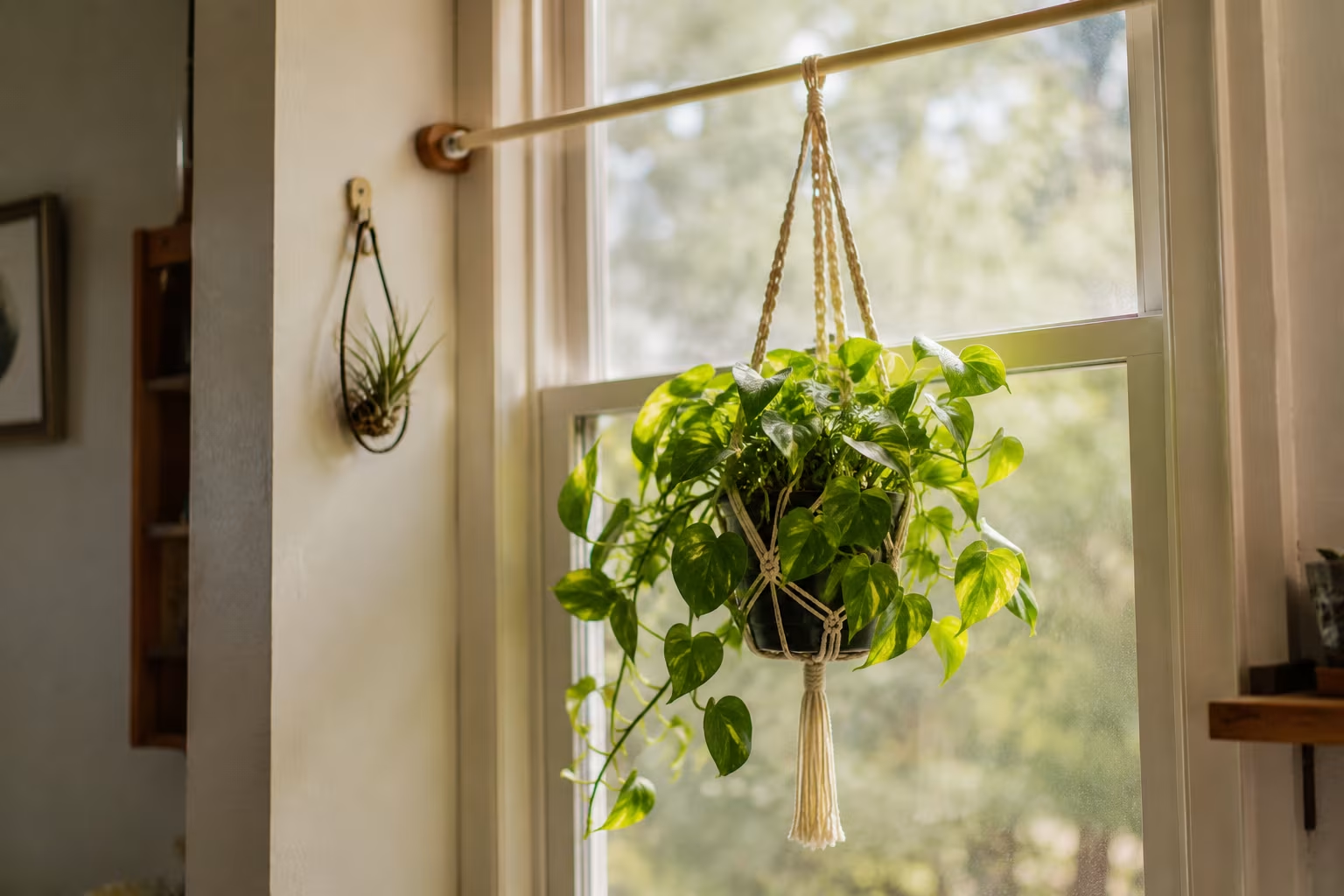
Hanging Plants Without Ceiling Hooks for Renters
Hanging plants brighten any room but drilling into the ceiling isn't always an option....
Comments
No comments yet. Be the first to share your thoughts!