
Pressure-Treated vs Cedar for a Small Raised Garden Bed
The short answer
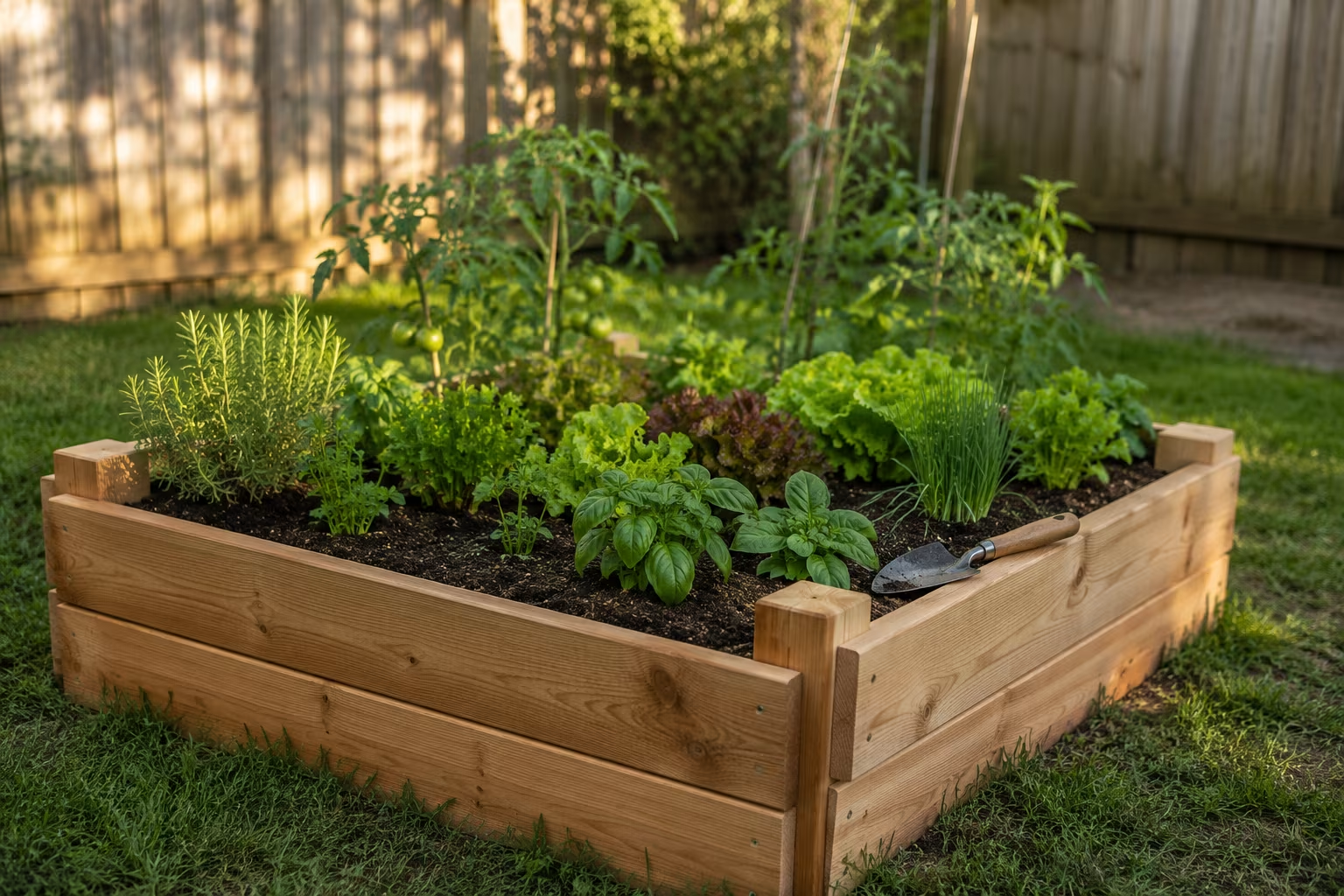
For a small home vegetable bed, both modern pressure-treated lumber and cedar are sound choices. Cedar wins on looks and organic-certification compatibility but costs noticeably more; modern pressure-treated wood (post-2003 ACQ or copper azole) costs less, lasts longer, and carries research showing minimal copper uptake into vegetables, though it is not organic-certified and its green tint reads less garden-like. The pre-2004 reputation of treated wood as toxic is real but obsolete: the chromated copper arsenate (CCA) used until 2003 contained arsenic and the EPA banned it for residential use that year, and the copper-based treatments that replaced it dropped arsenic for fungicides.
| Factor | Pressure-treated | Cedar | Untreated pine |
|---|---|---|---|
| Lifespan in a bed | 15 to 25 years | 8 to 15 years | 2 to 4 years |
| Relative cost | Low | 2 to 3x PT | Lowest |
| Look | Green, fades grey | Natural, ages silver | Plain, rots visibly |
| Organic-certified | No | Yes | Yes |
| Availability | Everywhere, year-round | Regional or order-in | Everywhere |
| Best for | Long-life value | Looks and organic | One-season trial |
What modern pressure-treated wood contains
Pressure-treated lumber sold in the US since late 2003 uses one of two systems: alkaline copper quat (ACQ) or copper azole (CA-B and CA-C), both relying on copper as the main biocide with a smaller co-biocide, a quaternary ammonium compound in ACQ or an azole fungicide in CA, to handle copper-tolerant organisms. A general overview of wood preservation covers how the current chemistry compares to older systems. Fresh boards carry a faint green-olive tint that weathers to silver-grey within a year. Lumber rated "ground contact" holds more preservative than "above ground" grade and is what a raised bed wants, since the lower boards sit against soil. The treatment is forced through the board under pressure, so cut ends expose already-treated wood and need no re-treatment for residential use.
What the research says about copper uptake
Multiple university extension studies have tested whether vegetables grown against modern treated wood accumulate copper at concerning levels, and the consistent result is no statistically meaningful difference from vegetables grown in untreated-wood or stone beds. Soil within an inch or two of the wood shows slightly elevated copper over years, but soil in the bed's middle matches background, and plants regulate their own copper uptake rather than pulling it from richer soil. Oregon State University Extension's published guidance holds that modern treated wood is acceptable for vegetable beds, especially with ground-contact lumber and a soil mix carrying adequate phosphorus. Gardeners who still want distance can line the inside walls with 6-mil polyethylene to physically separate soil from wood, belt-and-suspenders reassurance rather than a necessity.
Cedar's case
Cedar, specifically Western Red and Eastern White, carries natural oils (thujaplicin and related compounds) that resist rot and insects without added preservative. Cedar boards in a bed last 8 to 15 years in most climates, and the wood weathers to silver-grey in a year or two like PT but reads more natural doing it, which matters for a visible front-yard bed. Because nothing synthetic is added, cedar is the only durable wood compatible with formal organic certification. Its drawback is price: cedar typically runs 2 to 3x pressure-treated of the same dimension, more in regions far from the Pacific Northwest and Canadian sources, so confirm current pricing at a local yard before committing to a design.
The cheap option: untreated pine
For a one- or two-season trial, untreated dimensional pine costs less than either and works fine short-term, lasting 2 to 4 years before the soil-contacting lower board rots out while the upper boards hold longer. An exterior latex stain on the outside faces, or boiled linseed oil, doubles or triples that without preserving the inner soil-contact surface, where the wood contacts moisture and decays first regardless of what the outside gets. The pine bed suits testing whether raised-bed gardening fits your life: if it sticks, rebuild in PT or cedar, and if not, the bed is biodegradable.
A build that lasts
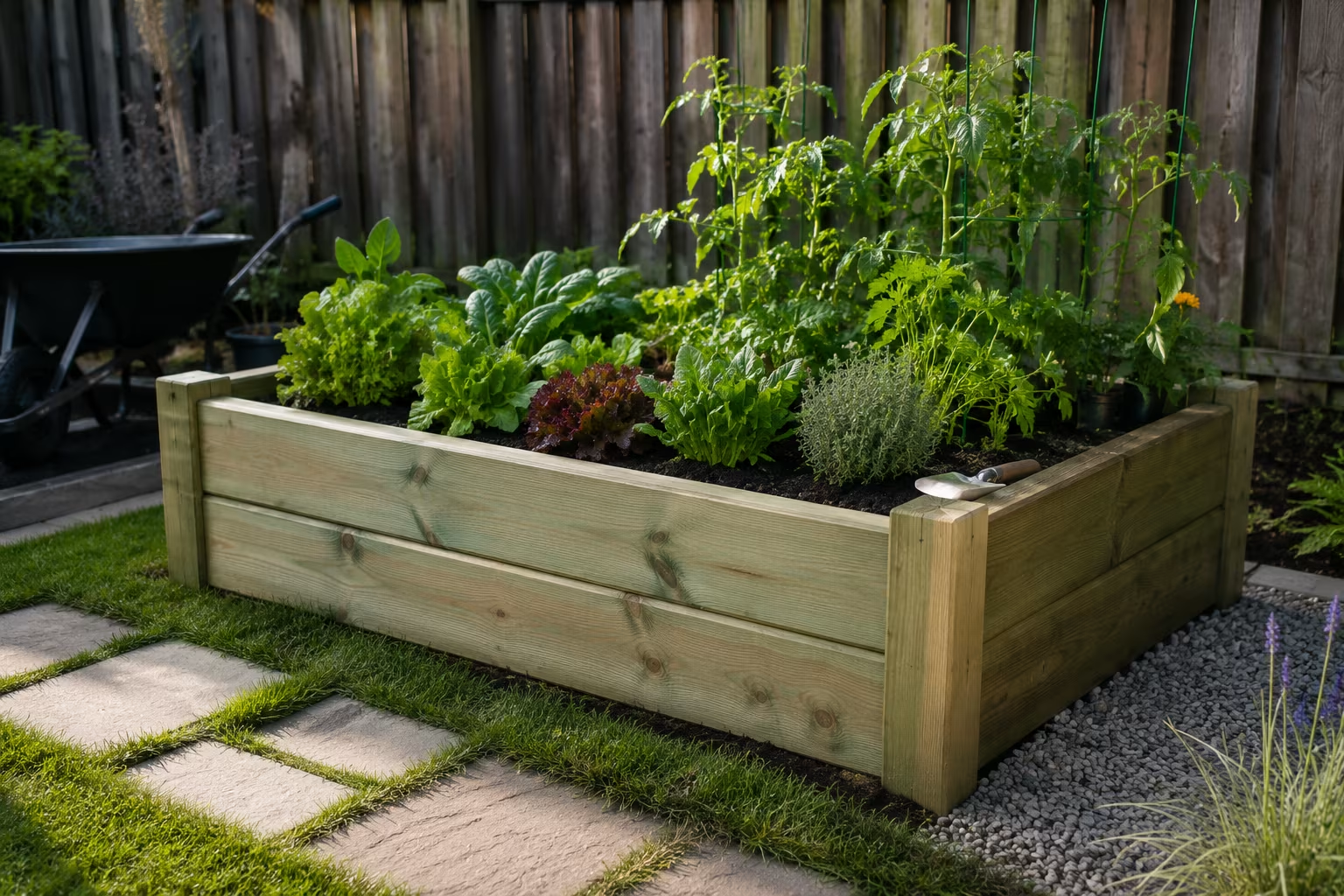
A typical home bed is 4 feet wide (reachable from both sides) by 6 to 12 feet long by 8 to 24 inches tall; taller beds drain better and warm faster in spring but need more soil. Wood thickness drives longevity, since 2x lumber (1.5 inch actual) far outlasts 1x (3/4 inch actual) for a small price difference, so use 2x6 or 2x8 stacked to height for anything meant to last. Corner construction matters most: boards screwed into a neighbour's end grain pull out as the wood moves seasonally, so attach the sides laterally to internal 4x4 corner posts, which adds an hour and roughly doubles lifespan. Use galvanized or stainless fasteners and never bare zinc-plated, which corrodes under copper-based treatment. A durable default: ground-contact 2x8 boards two-high (about 16 inches deep), #10 stainless screws into 4x4 PT posts, 6-mil black plastic stapled to the top edge of the inside walls (never the bottom, since drainage needs open ground contact), filled with a soil mix. Swap cedar 2x8 if looks matter and skip the liner; drop to painted pine if budget rules, expecting to replace the lower course in a few years.
What lining the bed actually does
Plastic sheeting on the inside walls (against the wood, holding back the soil) does two things: it isolates the soil from any wood chemicals that might leach, which research suggests is unnecessary for modern PT but reassures those who want absolute separation, and it slows decay by cutting the wood's water exposure on the soil side. The lining should not cover the bottom of the bed, because drainage needs open soil contact with the ground beneath, so only the four vertical sides get it. Use 6-mil black polyethylene, a heavy landscape fabric, or pond-liner remnants, and staple the liner to the top edge of the boards where soil will hide it, so soil pressure cannot drag it down. The lining earns its cost mainly on PT beds where the gardener wants extra reassurance and on any bed built from lumber thinner than 2x; thick 2x cedar in a non-organic setting rarely justifies the added time.
Soil, drainage, and maintenance
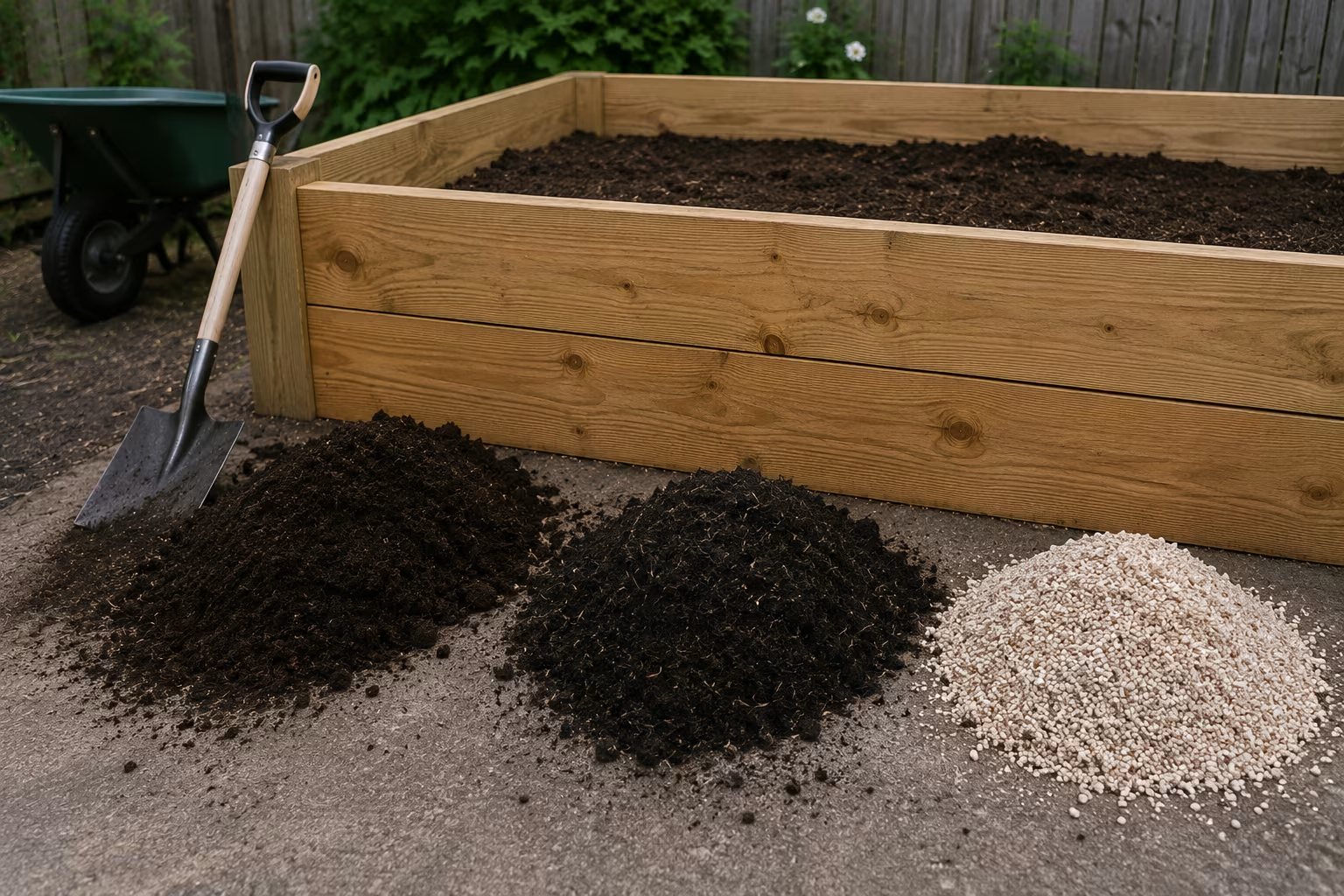
The soil mix drives plant outcomes more than the wood. A common start is one-third topsoil, one-third compost for nutrients and microbes, and one-third drainage amendment (coarse builder's sand, perlite, or vermiculite) to stop compaction. Skip the old gravel-at-the-bottom advice: a gravel layer creates a perched water table that drains no faster than unobstructed soil, so leave the bottom open to the ground beneath, or staple 1/4-inch hardware cloth across it to block burrowing gophers and voles without blocking drainage. Beds on concrete or other impermeable surfaces need drilled drainage holes or they turn into swamps. Maintenance is light: skip sealers and stains that can contaminate soil, top-dress an inch or two of compost each year as the mix settles 10 to 20% in the first year, check corner fasteners annually, and replace the lowest board course when it finally decays to double the bed's effective life.
Pests are handled by construction, not by wood choice. For burrowing rodents (gophers, voles, moles), staple 1/4- or 1/2-inch hardware cloth to the underside of the bed before setting it on the ground, which blocks animals without blocking drainage. Deer and rabbits are a fencing problem rather than a bed problem: a 24-inch-plus wall discourages some rabbit damage but does nothing to stop deer, so plan fencing around or above the bed if either is common in your area. Insects find raised beds more readily than open ground because the warmer soil hosts more of them, which makes pest management a season-by-season task rather than a build-time decision. The pressure-treated-versus-cedar choice itself comes down to budget, aesthetics, and certification rather than safety in any meaningful sense, so pick the wood that fits your situation, build with corner posts and proper fasteners, and the bed lasts well past a decade.
Related Posts
Compost Tumbler vs Static Bin: Which to Choose
Both composters work but they suit different households. Tumbler for speed and pest control...

Backyard Birdhouse Placement for Songbirds
A birdhouse in the wrong spot stays empty for years. Height, direction, distance from cover, and...
Wet-Climate Tent Camping: The Layering That Stays Dry
Three-season tents in wet climates fail predictably without the right layering. The footprint...
Small-Yard Composting Without Smell or Pests Attracting
Tight backyard, no room for a sprawling pile. The tumbler setup that turns kitchen scraps into...
Comments
No comments yet. Be the first to share your thoughts!