
Hammock Anchor Choice: Tree Straps, Posts, or Stands
The short answer
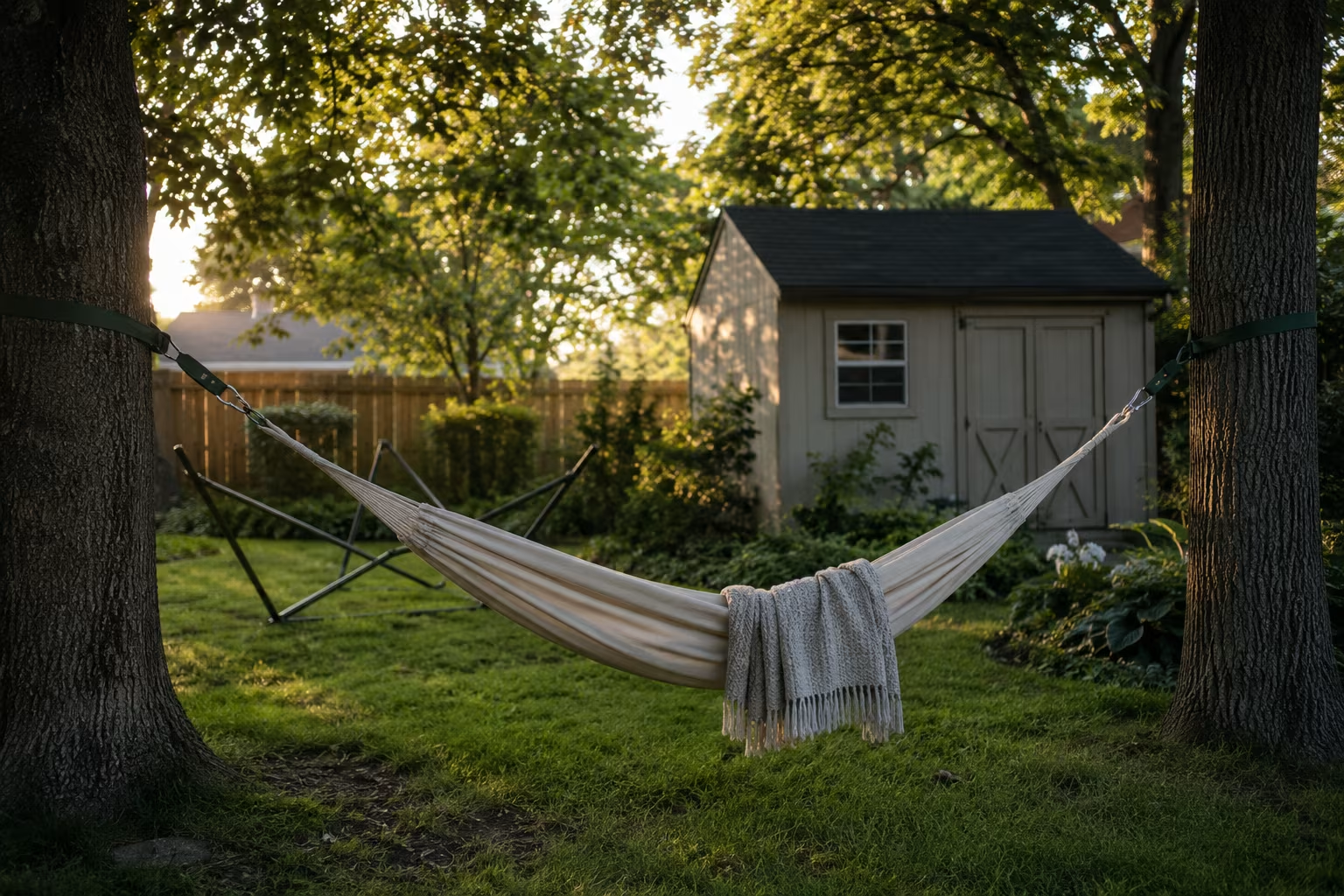
Tree straps are the right choice when you have two sturdy trees roughly 12-18 feet apart in your yard. They install in two minutes, cost very little, leave no marks on the trees if used properly, and store small when not in use. The downside is the requirement for trees — without them, straps are useless.
Posts (4x4 pressure-treated posts set in concrete) are the right choice when you want a permanent hammock spot and no suitable trees exist. They install in an afternoon, last 15-20 years, and provide a reliable anchor for as long as the home owns the yard. The downside is the install cost and the permanence — moving the hammock requires installing new posts.
Stands (free-standing metal or wood frames that hold the hammock between two integrated supports) are the right choice when you rent, have no trees, or want a portable hammock that travels with you. They install in zero minutes since they ship as a unit, fold or break down for moving, and let the hammock sit anywhere flat. The downside is the higher cost and the heavy weight — moving a stand within the yard is a two-person job.
For most homes with trees in the yard, tree straps win on every dimension. For homes without trees, the choice is between the commitment of posts and the cost of a stand.
Tree straps in detail
Tree straps are flat woven webbing loops typically 10-12 feet long, with reinforced ends and a series of attachment loops along their length. The strap wraps around a tree, the hammock ring or carabiner clips to one of the loops, and the strap supports the hammock at the chosen height.
The flat webbing distributes the load across a wide area of tree bark, unlike rope which can damage bark over time. Most quality straps are rated for at least 200-300 pounds per strap, with paired straps holding well over normal hammock loads.
Installation: wrap the strap around the tree, thread the working end through the fixed loop, pull tight, attach the hammock to the working-end loop at the desired height. The whole setup takes under two minutes once you have done it once.
The right trees: at least 12-18 inches in diameter, alive and structurally sound (no rot, no large dead branches, no visible disease), with no recent damage to the bark. Avoid trees with peeling bark (the strap can damage the loose bark), trees on slopes (the hammock pulls toward the downhill tree), and trees with branches that interfere with the strap's wrap.
The distance: 12-18 feet between trees is the comfortable range for most hammocks. The exact distance depends on the hammock's length. A 13-foot hammock with spreader bars wants approximately 13 feet between trees with a small amount of slack; a 10-foot gathered-end camping hammock works at distances from 10 to 15 feet because the suspension cordage absorbs the distance variation.
The angle: the strap should hang at about 30 degrees from horizontal when loaded with the hammock and a person. Steeper than 45 degrees and the straps experience extreme tension; shallower than 20 degrees and the hammock sags too low. The 30-degree angle is the sweet spot for most setups.
Posts as a permanent anchor
For yards without suitable trees, 4x4 pressure-treated posts set in concrete give a tree-equivalent anchor that lasts for years.
Materials: two 4x4 pressure-treated posts (8 feet long each, with about 3 feet below ground), bagged concrete mix, hammock-rated heavy-duty eye bolts or eye lag screws, hammock straps or chain to connect post to hammock.
Installation: dig two post holes about 3 feet deep, 12-18 inches in diameter, spaced 15-18 feet apart. Place posts plumb in holes. Fill with concrete and brace until cured (24-48 hours). After cure, drill an eye bolt through the post at the desired hammock height (typically 5-6 feet above ground for chair-height seating). Connect hammock via the eye bolt.
The posts handle hundreds of pounds of dynamic load (a hammock with a person in it generates forces well above the static weight when the person rocks or sits up). The pressure-treated 4x4 plus the concrete footing handles this with margin.
Lifespan: pressure-treated posts in concrete typically last 15-25 years before needing replacement. The concrete itself lasts much longer; the failure point is usually rot at the soil line where the post meets the ground.
The trade-off versus tree straps: posts are permanent, fixed in location, and require initial installation work. Once installed, they offer the same convenience as trees with the advantage that you control the spacing and location.
Free-standing hammock stands
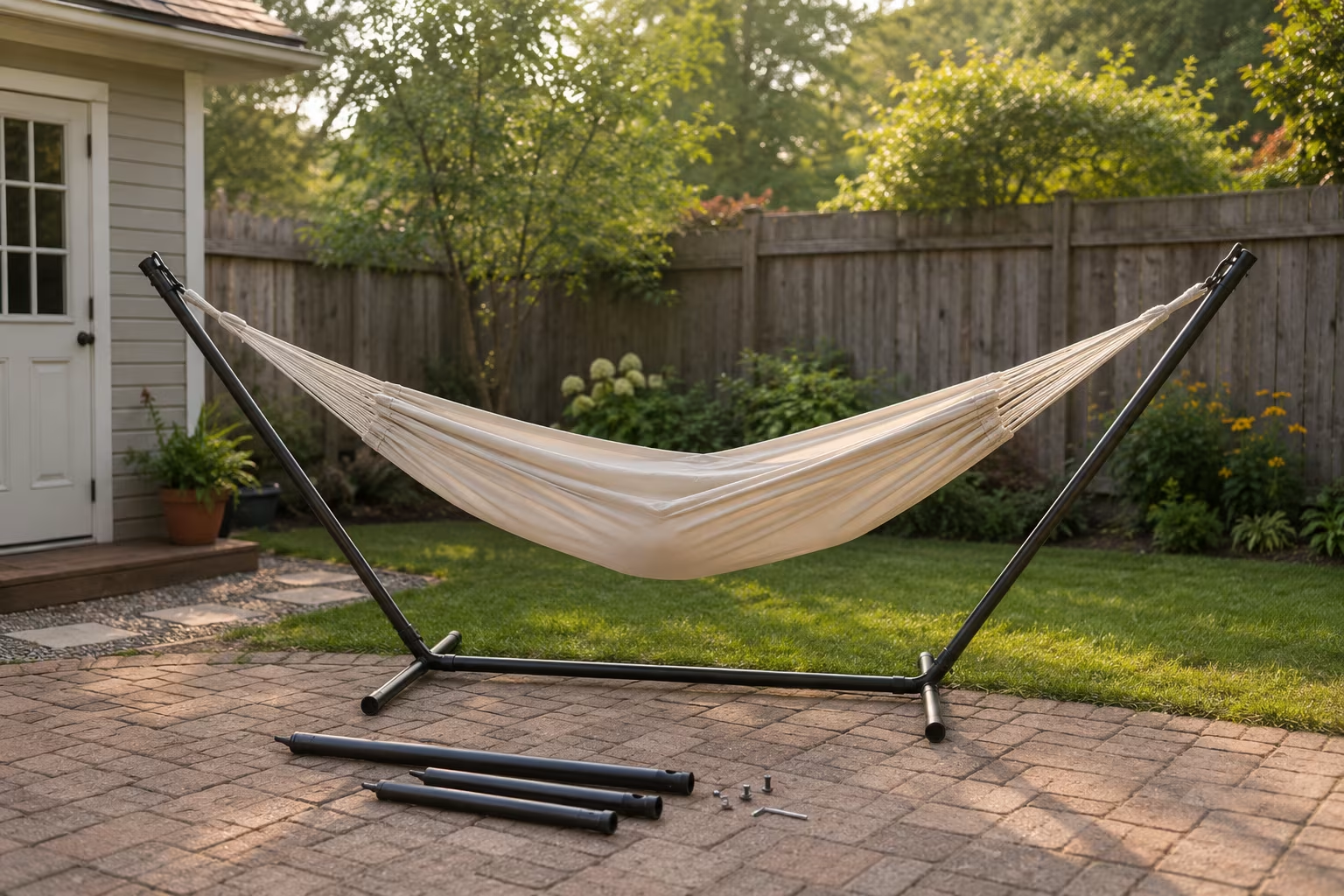
Hammock stands are integrated frames that include the hammock and the two supports as one product. The stand sits on flat ground; the hammock attaches to the integrated supports.
Material options:
Steel pipe stands. Most common, durable, moderate weight (typically 25-50 pounds). Disassemble into 3-5 pieces for storage. Powder-coated for weather resistance. Lifespan of 5-10 years with reasonable care.
Wood stands. Less common, heavier, more aesthetically pleasing. Often require more assembly. Wood stands are typically larger and harder to move.
Combination wood-and-steel stands. Aesthetic appeal of wood with structural reliability of steel. Higher cost.
Capacity ratings: most consumer stands handle 250-450 pounds. Premium stands rate higher. Match the rating to your weight plus any expected guests sharing the hammock plus a margin.
Stands typically work with any standard hammock that fits within their length range. A 9-foot stand suits 9-13 foot hammocks; longer stands suit longer hammocks. The hammock's gathered-end length should match the distance between the stand's hooks.
Portability: stands break down for storage or transport. The breakdown takes 5-10 minutes; reassembly the same. Some stands fit in compact bags; others remain bulky even disassembled.
Stands work on grass, on patios, on decks — anywhere flat. They do not need anchoring to the ground (the weight of the stand plus the hammock keeps it in place under normal use).
Cost comparison
The three options sit at different price points.
Tree straps. Among the cheapest hammock anchoring options as of 2026. A quality pair of straps from brands like Eno, Grand Trunk, or Kammok costs modestly; budget pairs cost less but with shorter lifespan and lower weight ratings. Confirm current pricing before purchase.
Posts. Materials cost is modest (two pressure-treated 4x4s, bagged concrete, hardware). Installation is free if you do it yourself; moderate cost if you hire someone. Long lifespan amortizes the install.
Stands. The most expensive single-purchase option. Quality stands cost more than the hammock itself in some cases. Cheap stands cost less but often lack the structural integrity to last years.
When the cost is calculated over the expected use life, the differences narrow. A stand at higher cost may last 5-10 years, working out to a moderate annual cost. Posts at moderate install cost last 15-20 years, working out to a small annual cost. Tree straps at lowest cost may need replacement every 3-5 years from wear, but the per-use cost remains the lowest.
Safety considerations
A hammock holds a person several feet off the ground; a failure means falling. The anchor system must be reliable.
Tree strap safety. Inspect straps before each use. Look for fraying, UV damage, signs of stress. Replace at the first sign of degradation. Check the trees too — a tree dying from disease can fail under hammock load even if it looks healthy.
Post safety. Inspect annually. Look for visible rot at the soil line, looseness in the post wiggle test (push the top of the post; significant movement indicates concrete failure), and rust on the eye bolts.
Stand safety. Inspect joints and welds annually. Look for rust, cracked welds, missing or loose hardware. A stand with structural compromise is more dangerous than tree straps because the failure mode is usually sudden.
General hammock safety. Hang at a low height. Hammocks at chest height feel cool but a fall from that height can injure. Lower (closer to seated chair height) is safer. Test the setup carefully before relaxing into it.
Child use. Children love hammocks but the safety considerations differ. Lower height, supervised use, and slightly heavier-rated systems are appropriate. Some children's hammocks have their own design considerations.
Hammock styles that affect anchor choice
The type of hammock matters for the anchor choice.
Spreader-bar hammocks. Have a rigid wooden or fabric-tensioned spreader bar at each end. Look like the classic American hammock. Need anchors that hold the spreader bars at consistent height; tree straps with extension chains work well.
Gathered-end (camping/Brazilian) hammocks. Tapered to gathered points at each end, more enveloping when lying in them. The classic camping hammock. Work with any anchor that provides two attachment points at appropriate distance.
Chair hammocks. Hang from a single point overhead. Need a different anchor than the two-point options — a single ceiling beam, a tall sturdy tree branch, or a specialty single-point stand.
Self-supporting hammocks. Combine the hammock and the structural support into a single product. Some are inflatable; some have integrated frames. No anchor needed; the hammock anchors itself.
Match the hammock style to the available anchor options. A spreader-bar hammock with no spreader-bar-compatible anchor will not work; a gathered-end hammock with no two-point anchor needs a stand.
Setup tips for any anchor system
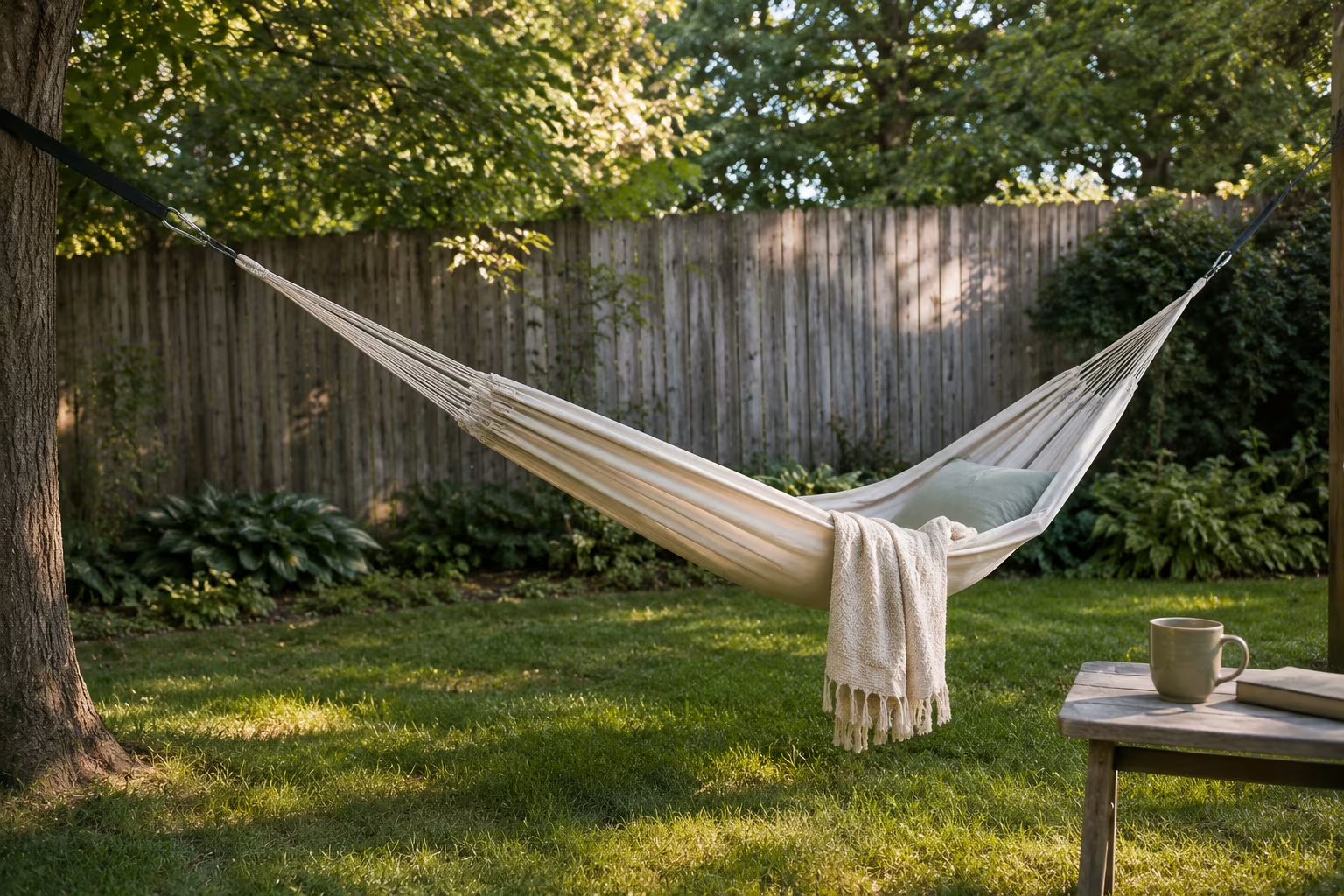
A few details improve the hammock experience regardless of anchor type.
Hang slack, not tight. The hammock should sag in the middle when unloaded. A taut hammock pulls into a banana shape under load that is uncomfortable; a slack hammock conforms to your body.
Lie diagonally. Sleeping or relaxing diagonally across a gathered-end hammock flattens the body position dramatically. Lying straight along the length creates the banana shape; diagonally puts you in an almost-flat position.
Match height to use. Reading and short relaxation: chair height (about 18-24 inches off the ground when loaded). Sleeping: lower (12-18 inches). Cool-weather hammock camping: lower still to reduce exposure to wind.
Use a quilt or pad in cool weather. Under-quilts and inflatable pads insulate the bottom of the hammock. The air below the hammock cools your body fast; insulation matters more than people expect.
A typical home setup recommendation
For a typical backyard with available trees: a quality pair of tree straps and a basic gathered-end hammock. The setup cost is modest and the system is portable to other locations (camping, friends' yards).
For a backyard with no trees and homeowner status: pressure-treated 4x4 posts in concrete plus a quality hammock of choice. Initial install effort pays back over years of use.
For a rental property or someone who moves frequently: a quality steel-pipe stand plus a hammock. The setup travels with you and works in any flat outdoor space.
For someone unsure which fits best: start with tree straps and a hammock. If the trees do not work out, the hammock can move to a stand or to posts later. The hammock itself is reusable across anchor systems.
A note on hammock care
The hammock itself benefits from basic care regardless of the anchor system.
UV degrades fabric over years. A hammock left outdoors year-round fades and weakens. Bringing it indoors at the end of each season (or storing in a covered location) extends life dramatically.
Mildew develops on damp hammocks. After rain or heavy dew, let the hammock dry completely before storing. Storing damp hammocks in stuff sacks causes the mildew quickly.
Clean periodically with mild soap and water. Most hammocks survive a gentle hand wash; check the manufacturer's guidance for specific materials.
Inspect for wear annually. Fabric showing fraying, suspension cords with visible damage, hardware with corrosion or stretching all indicate impending failure. Replace components before the hammock fails under load.
A well-cared-for quality hammock lasts 10-20 years with use. The investment plus care equals decades of comfortable backyard relaxation.
Combination setups for flexibility
Some homeowners use multiple anchor systems for different situations.
Tree straps for the primary backyard location where two trees exist. A small stand for the deck or patio where trees do not reach. Posts for the favorite hammock spot that gets used most.
The hammock itself often moves between anchors. The investment in multiple anchor systems pays back in flexibility — you can hammock anywhere on the property regardless of tree placement.
For visitors and additional users, a second hammock plus anchor system avoids the conflict of one person wanting the hammock at a time.
Anchor decision table:
| Anchor | Requirements | Lifespan / rating |
|---|---|---|
| Tree straps | two sound trees 12–18 ft apart, 12–18 in diameter | 200–300 lb per strap; 10–12 ft webbing |
| 4×4 posts in concrete | no suitable trees, permanent spot | 15–20 years |
| Stand | renters, patios, moving the spot | no digging, no trees |
Related Posts
Compost Tumbler vs Static Bin: Which to Choose
Both composters work but they suit different households. Tumbler for speed and pest control...

Backyard Birdhouse Placement for Songbirds
A birdhouse in the wrong spot stays empty for years. Height, direction, distance from cover, and...
Wet-Climate Tent Camping: The Layering That Stays Dry
Three-season tents in wet climates fail predictably without the right layering. The footprint...
Small-Yard Composting Without Smell or Pests Attracting
Tight backyard, no room for a sprawling pile. The tumbler setup that turns kitchen scraps into...
Comments
No comments yet. Be the first to share your thoughts!