The Art of Layering Rugs for a High-End Minimalist Look
The Art of Layering Rugs for a High-end Minimalist Look
Hey everyone! 👋 You know that feeling when your living room just... exists? Like, it's totally fine, but it doesn't quite have that oomph you see in all those gorgeous magazine spreads or on your favorite design blogs.
I've been there so many times. You want a space that feels cozy, put-together, and unique, but maybe you're not ready to tear down walls or drop a ton of cash on new furniture. Sound familiar?
Well, I've got a trick for you that seriously changed my perspective on home decor: rug layering. It's a simple technique that can totally transform a room, giving it a high-end, minimalist vibe without breaking the bank.
Today, we're going to dig into why layering rugs works, how to pick the perfect rugs for your space, and my personal tips (and fails!) for making it look effortlessly chic. We'll cover everything from choosing the right sizes to nailing the texture combos and keeping those layers from slipping and sliding.
Why This Actually Matters
You might be thinking, "Laura, another rug? Isn't one enough?" And sure, one rug does the job. But layering does so much more than just cover a floor.
It’s about adding instant warmth and depth to a space that might feel a little cold or flat. Think about it: a single rug can often feel a bit stranded in the middle of a room, but two rugs working together create a whole new visual story.
For me, it became a game-changer when I moved into my last apartment. It had really plain hardwood floors and felt echoey. I didn't have the budget for a massive, expensive rug, but I wanted that plush, cozy feeling.
My solution? I grabbed a large, inexpensive jute rug on sale for about $70 and then layered a smaller, patterned rug I found at a thrift store for $25 right on top. Instantly, the room felt grounded, personal, and way more inviting.
Layering also helps you define different zones in an open-concept space. Maybe you have a living room and dining area that blend together. A layered rug under your coffee table can clearly mark out your lounge zone.
It’s also an amazing way to incorporate different textures and colors, adding visual interest without cluttering your walls or shelves. You're building a whole new dimension on the floor, creating a focal point that draws the eye.
Plus, let's be real, sometimes you fall in love with a small, unique rug but it's just too tiny for your main living area. Layering lets you use those smaller, more precious pieces without them looking lost. It's truly a decorator's secret weapon, and you don't need to be a design pro to pull it off.
The Magic of Two (or More)
So, what exactly is rug layering? It’s pretty much what it sounds like: placing one rug partially or entirely on top of another. But it’s not just random; there’s an art to making it look intentional and polished.
The goal is to create visual interest and add dimension. You're building a foundation with one rug and then adding a "jewelry" piece on top to draw attention and introduce personality.
Think of it like getting dressed. You put on your base layers, maybe a simple shirt and jeans, and then you add a scarf, a cool jacket, or some statement earrings. The rugs work in much the same way, building up a cohesive and interesting look.
It's all about playing with scale, texture, and color in a way that feels balanced and appealing. When done right, it makes a room feel more curated and thought-out, like it's been styled by someone with a real eye for design.
Understanding the Base Layer
The base rug is your foundation. This is usually the larger of the two rugs, and it needs to anchor your furniture and define the primary space you're working with.
I often recommend going for something more neutral in color and texture for this layer. Think jute, sisal, or a flat-weave wool rug. These natural fibers are fantastic because they add texture without overwhelming the eye.
When I was setting up my current workshop space, I needed something to protect the concrete floor and add a little warmth. I found a massive 8x10 foot flat-weave rug at an outlet store for a steal.
It’s a light oatmeal color, totally unassuming, but it completely transformed the feel of the room. It’s durable, easy to clean, and provides a stable surface for whatever I put on top.
- Size Matters: Your base rug should be big enough to comfortably fit your main furniture pieces. For a living room, it should at least sit under the front legs of your sofa and accent chairs. You don't want it floating awkwardly.
- Texture First: Natural textures like jute, sisal, or even a low-pile wool provide a great, stable foundation. They don't compete with a more decorative top rug. Plus, they're often quite durable and budget-friendly.
- Neutral Palette: A solid, neutral color for your base rug allows your top rug to really pop. This doesn't mean boring! A textured natural fiber rug in cream, beige, or light gray adds interest without being distracting.
The Top Layer's Role
Now, for the fun part: the top rug! This is where you inject personality, color, pattern, and that "wow" factor. It’s typically smaller than the base rug and should be placed strategically to highlight a specific area or piece of furniture.
This is where those amazing thrift store finds truly shine. I've stumbled upon so many beautiful, unique smaller rugs – vintage kilims, worn Persian-style pieces, even a super soft shag rug – that would have looked too small on their own.
But when placed over a larger, neutral base? They become the star of the show. Suddenly, that $30 rug looks like a million bucks because it's framed by the base layer, creating a rich, layered effect.
For my living room, I layered a smaller 5x7 foot rug with a bold geometric pattern over my large jute base. It instantly gave the space a modern edge and tied into the colors of my throw pillows.
- Pop of Personality: This is your chance to go bold with color, a striking pattern, or a unique design. It’s the visual accent that draws the eye and ties your room's aesthetic together.
- Softness and Comfort: The top rug is often where you bring in plushness. A higher pile rug, a soft sheepskin, or a vintage wool rug adds a luxurious, cozy feel underfoot, especially in a seating area.
- Strategic Placement: Don't just plop it down. Place your top rug to highlight a coffee table, define a reading nook, or add warmth in front of a fireplace. It should feel intentional and cohesive with your furniture arrangement.
How to Actually do It
Alright, let’s get into the nitty-gritty. This isn’t just about tossing two rugs down and hoping for the best. There’s a method to the madness that makes all the difference in achieving that high-end, minimalist look.
I’ve definitely made some mistakes here myself. My first attempt looked more like a giant, oddly shaped bath mat on top of another bath mat. It was... not good. But through trial and error, I've figured out a few key steps.
Step 1: Define Your Zone
Before you even think about buying rugs, figure out where you want to layer them. Are you defining a seating area in a large living room? Adding warmth to a bedroom? Creating a cozy corner in your studio?
Take a good look at your space and your furniture. What area needs grounding? What space feels a bit empty? Often, the center of a main seating arrangement, like under a coffee table, is the perfect spot.
When I was designing my small home office, I wanted to separate my desk area from the crafting table. I decided a layered rug under my desk chair would clearly mark that "work zone" and add comfort.
Knowing your zone helps you decide on the right sizes and shapes for your rugs later on. Don't skip this step; it's your blueprint.
Step 2: Pick Your Base Rug
This is your foundation, remember? Go big here. Seriously, bigger is almost always better for the base rug. It needs to visually anchor your furniture.
Measure your space carefully. For a living room, your base rug should be large enough to go under the front legs of all your main seating pieces – the sofa, armchairs, and maybe even a console table behind the sofa.
I love using natural fiber rugs like jute or sisal for the base because they are durable, affordable, and bring in amazing texture without competing with the top rug. Plus, they tend to lay flat really well.
When I chose the base rug for my current living room, I laid down painter's tape to mark out the dimensions. It gave me a really clear visual of how big it needed to be to properly define the space and fit under the sofa legs.
Step 3: Find Your Accent Rug
Now for the fun part! Your top rug should be significantly smaller than your base rug, usually about two-thirds the size of the base or sized to fit perfectly under a coffee table, leaving a good border of the base rug showing.
This is where you bring in your personality. Think about colors, patterns, and textures that you love and that complement your existing decor. Do you want a bold pattern? A soft, shaggy texture? A vibrant color?
I’ve had incredible luck finding unique accent rugs at estate sales and flea markets. They often have that beautiful, worn-in character that you can't get from a brand new rug. Don't be afraid to go a little wild here!
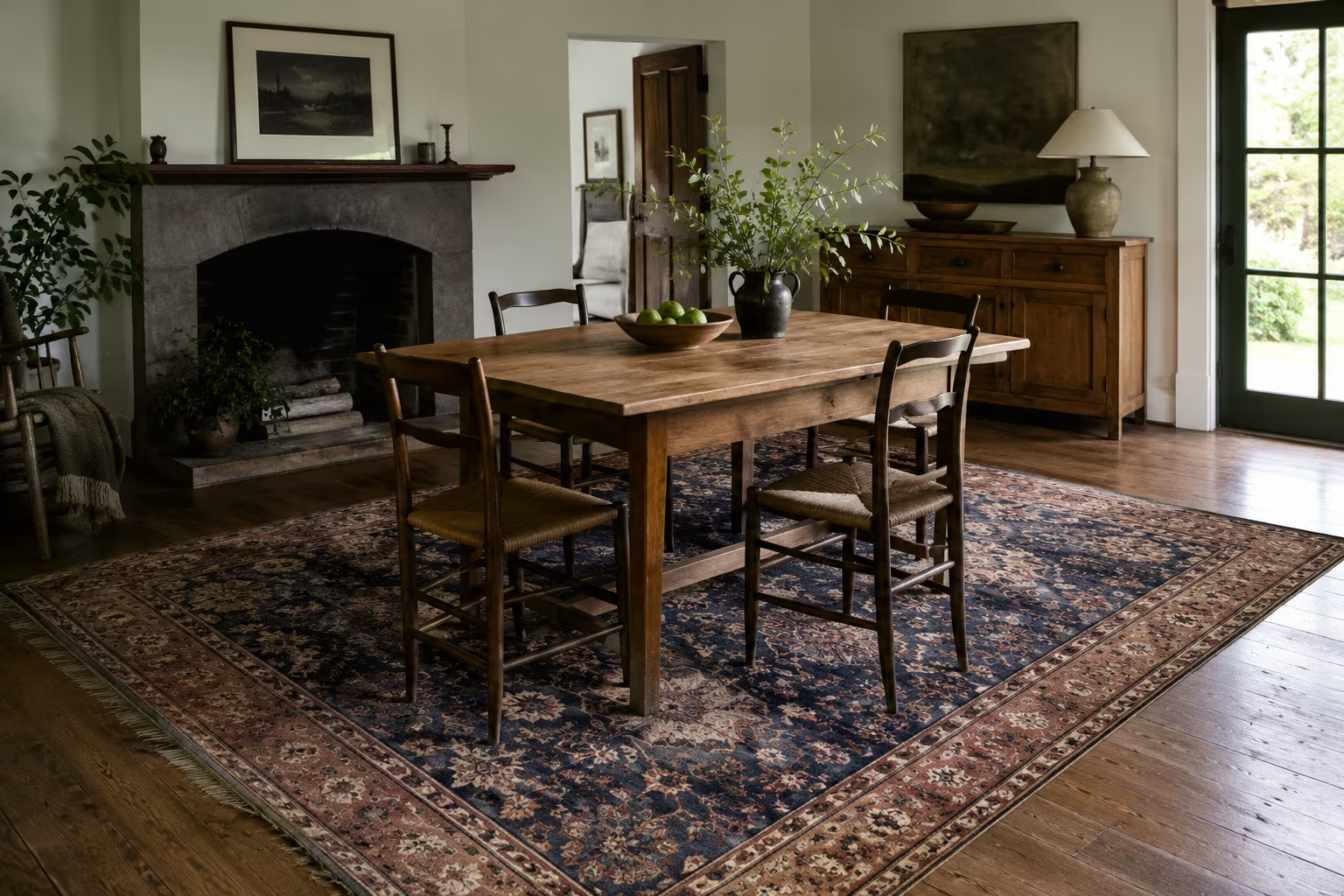
For my dining area, I layered a vintage geometric rug I scored for $40 over a large, plain wool base. It perfectly tied into the modern artwork on my walls and added a splash of unexpected color.
Step 4: Consider Texture and Pattern
This is where the "art" of layering really comes into play. You want contrast between your two rugs, but also harmony. My rule of thumb: opposites attract, but a common thread unites.
If your base rug is a flat, neutral jute, your top rug could be a soft, patterned wool. If your base is a low-pile, solid color, then a shaggy or highly patterned top rug will provide that lovely contrast.
I once tried to layer two very fluffy, shaggy rugs together. It was a disaster. It looked like a giant, fuzzy monster had exploded in my living room, and it was impossible to vacuum. Learn from my mistakes!
When it comes to patterns, try to ensure there's a common color or tone running through both rugs, even if one is solid and the other is wildly patterned. This creates a cohesive feel despite the differences.
Step 5: Placement is Everything
Don't just center your top rug on your base rug and call it a day, unless that's the specific look you're going for. Experiment with different placements to see what works best for your room and furniture.
Often, an off-center placement can look really interesting and deliberate. Try placing the top rug to highlight a specific piece of furniture, like just under the coffee table, or to visually extend a seating arrangement.
In my guest bedroom, I layered a smaller, patterned rug at the foot of the bed, over a larger, plain sisal rug that covers most of the floor. It added a welcoming, cozy touch without making the small room feel cramped.
Make sure you leave a good border of the base rug showing all around the edges of the top rug. This is crucial for creating that layered effect and preventing the top rug from looking like it's just floating.
Step 6: Secure Your Layers
Okay, this step is non-negotiable. Seriously, do not skip this. Layered rugs, especially if they have different textures, will slip and slide on each other, creating tripping hazards and endless frustration.
You absolutely need a good quality rug pad under your base rug to prevent it from sliding on your hard floors. For the top rug, you'll want to use rug grippers or double-sided rug tape to adhere it to the base rug.
I once decided to "wing it" without grippers, and my small accent rug became a magic carpet, constantly migrating across the room. I nearly tripped over it coming out of the kitchen with a mug of hot coffee. Not worth it!
Invest in some good rug tape specifically designed for rug-on-rug layering. It's usually a strong, sticky mesh or a heavy-duty double-sided tape that won't damage your rugs when you remove it later.
Step 7: Accessorize Mindfully
Once your rugs are beautifully layered and secured, take a step back. Now, think about how to tie the whole look together with other elements in your room. This is where the minimalist part really comes in.
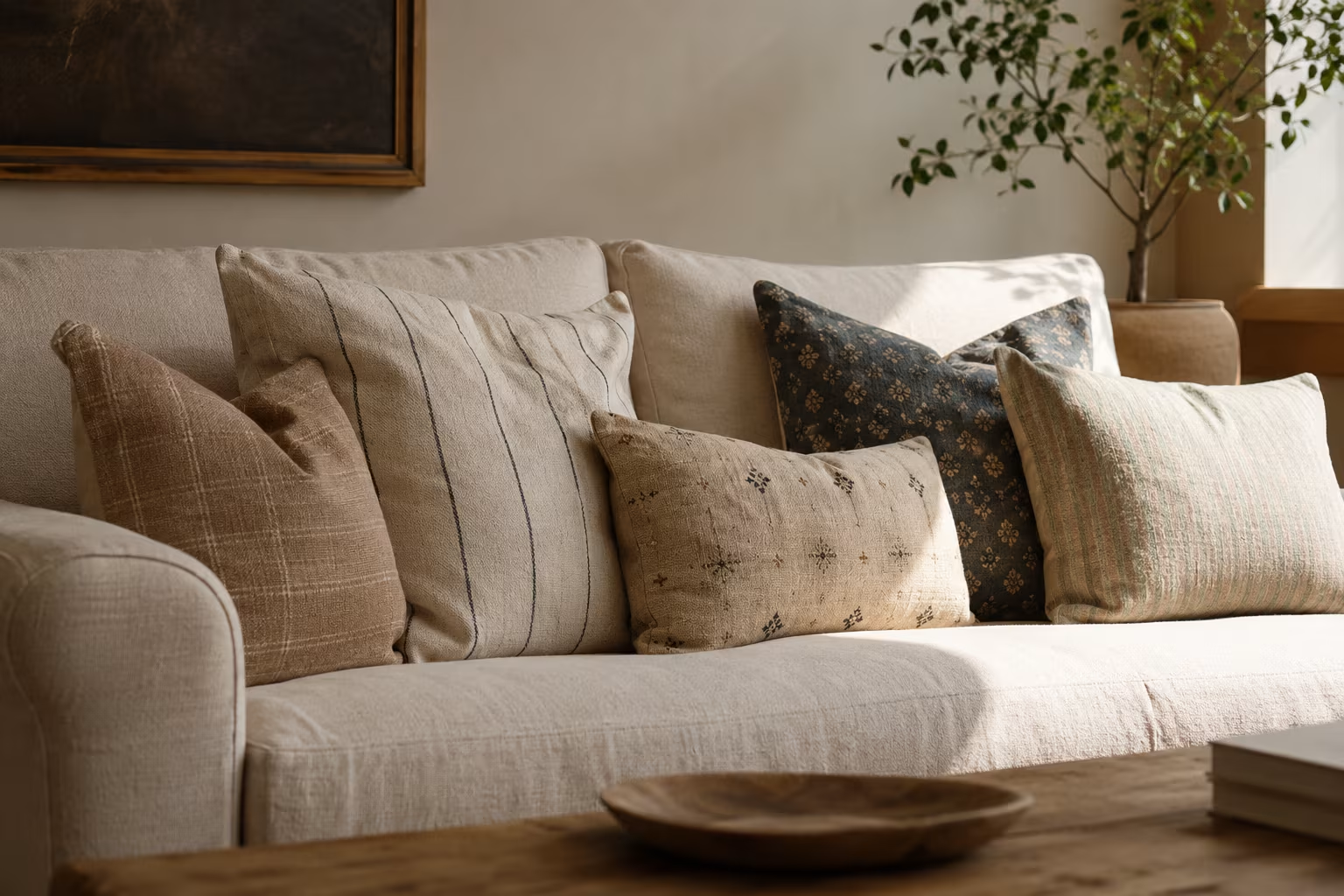
You've already created a strong focal point with your layered rugs, so you don't need a lot of extra stuff. Pick up one or two colors or patterns from your top rug and echo them in your throw pillows, a piece of art, or even a small decorative object.
For my main living area, my top rug had hints of deep blue and ochre. I found some fantastic ochre throw pillows and a piece of abstract art with blue tones, and suddenly the whole room felt incredibly cohesive.
The key is to connect the layers of your decor. The rugs are your ground layer, your pillows and throws are your middle layer, and your wall art and plants are your top layer. They should all feel like they belong together, but without being matchy-matchy.
Making It Stick: Avoiding Common Pitfalls
Even with the best intentions, it's easy to make mistakes when you're trying a new design technique. I've certainly had my share of rug-layering blunders over the years. But don't worry, I'm here to share what I've learned so you can avoid them!
"Layering isn't just about adding more; it's about adding depth. Each rug should tell part of the story, not the whole thing."
Mistake 1: Wrong Sizes
This is probably the most common mistake. People often choose a base rug that's too small for their space. If your base rug doesn't sit under at least the front legs of your main furniture, it'll look like it's floating awkwardly in the middle of the room.
On the flip side, sometimes the top rug is almost the same size as the base, which defeats the purpose of layering. You lose that beautiful border effect of the base rug, and it just looks like you tried to cover a rug with another rug.
Always go bigger for the base than you think you need, and ensure the top rug is distinctly smaller. There should be a noticeable border of the base rug showing all the way around the accent rug.
Mistake 2: Ignoring Room Flow
Layered rugs should enhance the flow of your room, not hinder it. If you place a top rug in a high-traffic pathway, or if it creates an awkward obstacle, it's not going to work.
Think about how people move through the room. Your rugs should feel integrated into the space, guiding the eye and providing comfort without becoming a trip hazard or making the room feel cluttered.
I once had a small layered rug in front of a frequently used doorway, and it became an instant tripping point for everyone. It was a constant battle to keep it flat and out of the way, and I eventually moved it to a less-trafficked area.
Mistake 3: Clashing Styles
While contrast is good, clashing isn't. You want your rugs to complement each other, not fight for attention. Two extremely busy patterns or two wildly different color palettes without any unifying element can look chaotic.
If you have a very ornate, traditional top rug, a simple, modern base rug can provide a beautiful contrast. But if both are ornate and busy, it might be too much for the eye to process.
Try to find a common thread, even if it's subtle. Maybe both rugs have a hint of the same underlying color, or they share a similar shape in their patterns. This creates harmony even with strong contrasts.
Mistake 4: Slippery Situations
As I mentioned, forgetting rug pads or grippers is a recipe for disaster. Slipping rugs aren't just annoying; they're genuinely dangerous. Even if your rugs feel heavy, they will shift over time without proper securing.
Invest in good quality non-slip pads for under your base rug, and use rug-on-rug tape or grippers to secure your top rug to the base. This ensures everything stays put, looks neat, and keeps your space safe.
I know it's an extra step and a small extra cost, but it makes a world of difference in the functionality and safety of your layered rug setup. Trust me, it's worth it for your peace of mind.
Mistake 5: Over-complicating It
Sometimes, in an effort to be creative, we try to layer too many rugs, or too many different patterns, or too many colors. Remember, the goal here is a "high-end minimalist look," not a maximalist explosion.
Keep it to two rugs for most spaces. While three can work in very large rooms or specific situations, it's much harder to pull off without it looking cluttered. Stick to a strong base and a beautiful accent.
And when it comes to patterns, try to have one rug be the "star" and the other be more subdued. If both are extremely busy, they'll cancel each other out rather than creating a harmonious layered effect.
Frequently Asked Questions
What if My Room is Small? Can I Still Layer Rugs?
Absolutely! Layering rugs can actually make a small room feel larger and more intentional. The key is to select sizes that fit your space and don't overwhelm it. A slightly smaller base rug that still defines the main area, with a proportionally smaller accent rug, can work wonders.
Can I Layer Rugs over Carpet?
Yes, you definitely can! It's a great way to add interest and texture to a carpeted room that might feel a bit bland. Just make sure the rugs you choose offer a good contrast to the existing carpet, perhaps a different pile height or a bolder pattern. You'll still want to use rug pads or tape to prevent slipping, even on carpet.
How do I Clean Layered Rugs?
Cleaning layered rugs generally means cleaning them separately. For daily maintenance, you can vacuum the top rug as usual. For deeper cleans, you'll want to carefully remove the top rug, clean the base rug, and then clean the top rug according to its specific care instructions. Spot cleaning for spills on either layer should be done immediately, just like with any rug.
What's the Best Way to Secure Them So They Don't Slip?
For your base rug on hard floors, a good non-slip rug pad is essential. For layering the top rug onto the base, I highly recommend using double-sided rug tape or specific rug-on-rug grippers. These are designed to hold the rugs together securely without damaging either one, preventing movement and tripping hazards.
Should Both Rugs be Expensive, or Can I Mix and Match?
Please don't feel like you need two expensive rugs! That's the beauty of this technique. My best layered looks have always come from mixing an affordable, durable base (like a jute rug from a big box store) with a unique, often thrifted or vintage accent rug. It's about clever combination, not breaking the bank.
Can I Mix Different Room Styles, Like a Modern Base with a Bohemian Top Rug?
Definitely! Mixing styles is where you truly create a unique, personalized look. A modern, minimalist base rug can be the perfect clean canvas for a vibrant, bohemian, or even traditional top rug. The trick is to find a unifying element, whether it's a shared color in the patterns, a complementary texture, or simply ensuring the overall aesthetic still feels balanced and intentional.
The Bottom Line
Layering rugs isn't just a design trend; it's a genuinely effective way to add warmth, personality, and that coveted high-end, minimalist feel to any room. It allows you to define spaces, play with texture, and introduce color without committing to major renovations or spending a fortune.
Don't be afraid to experiment! My best projects on HobbyRig have always started with a little curiosity and a willingness to try something new, even if it means a few failed attempts. Think of your floor as another canvas, waiting for your creative touch.
So, go measure your space, consider your textures, and maybe hit up a thrift store this weekend for a unique accent rug. You might just be amazed at the transformation. Happy layering! ❤️