
The Secret to Making Small Bathrooms Feel Like Luxury Spa Retreats
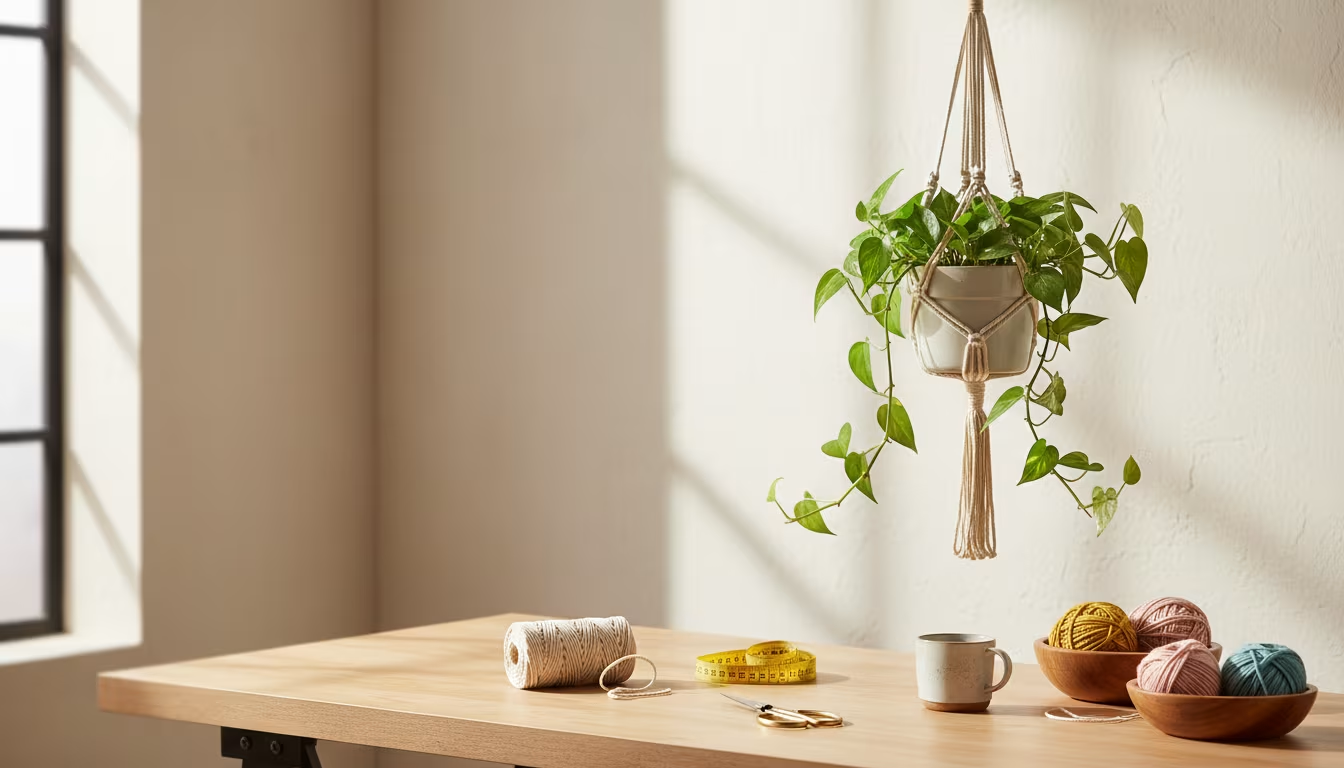
A small bathroom reads as cramped mostly because of visual clutter and harsh light, not square footage. Fix those two things and add a few sensory details, and even a closet-sized bathroom starts to feel like a spa. None of it requires a remodel — most of the work is decluttering, swapping bulbs, and adding texture, and a meaningful upgrade can come in under $100.
Start by decluttering
Every bottle, brush, and jar left on a surface registers as visual noise, and in a small room that noise reads as crowding. Clearing it is the single most effective change you can make.
- Clear the counters completely. Take everything off the sink counter. Empty surfaces make the room feel immediately larger.
- Evaluate every item. Go through drawers and cabinets and remove anything expired, empty, or unused in the last six months.
- Adopt one-in, one-out. When a new product comes in, an old one goes out, which stops clutter from creeping back.
Warm light and soft textures
Harsh overhead light is what makes a bathroom feel clinical. Swap bulbs for a warmer color temperature in the 2700–3000K range — the same soft, slightly golden tone used in hotels and spas, versus the 4000K-plus blue-white of typical bathroom fixtures. Adding a small dimmable lamp or a strand of battery lights gives you low ambient light for a bath. A low-wattage bulb in a thrifted ceramic lamp casts a far gentler glow than a ceiling fixture for just a few dollars.
Texture does the rest. Replace thin, scratchy towels with a couple of plush ones for display — you don't need a full stack, and high-quality towels turn up new at thrift stores for a few dollars. Soft materials against the skin are half the spa sensation.
Layering the light helps as much as its color. A single overhead source flattens a room and casts hard shadows under the eyes at the mirror; adding a second, lower light — a lamp on the counter, a sconce, or dimmable strip lighting — gives the room depth and lets you drop to a soft glow for a soak. A mirror positioned to reflect whatever light you have effectively doubles it and makes a cramped room read as larger, which is why spas and small hotels rely on them so heavily.
Storage that hides the mess
Everything you kept during decluttering now needs a home that is out of sight but reachable. In a small room the goal is storage that adds no visual bulk. Floating shelves built from scrap wood hold towels or a plant without taking floor space. A closed under-sink cabinet, or a fabric skirt on an open vanity, hides clutter instantly — a vintage linen tablecloth works well. Wall-mounted baskets or a narrow over-toilet unit help too, but choose clean-lined pieces that blend in rather than a plastic caddy that stands out. A wooden crate mounted sideways on the wall stores spare toilet paper and looks intentional.
Natural elements and plants
Spas lean on natural materials — wood, stone, and greenery — to create an organic, calming feel. A dish of smooth river stones on the counter, a wooden bath tray across the tub, or a small plant all ground the space. The key with plants is matching the species to the room's light and humidity, since many bathrooms have little or no window.
| Plant | Light needed | Humidity | Notes |
|---|---|---|---|
| Snake plant | Low to bright | Tolerant | Very forgiving; upright form saves space |
| Pothos | Low to medium | Likes it | Trailing; good on a high shelf |
| ZZ plant | Low | Tolerant | Handles windowless rooms and neglect |
| Fern | Low to medium | Loves it | Thrives on shower steam |
| Small succulent | Bright | Low | Only if you have a sunny window |
A small bundle of eucalyptus tied in the shower releases scent as it meets the steam, and drying your own from a flower market costs a fraction of pre-bundled stems.
Scent
Smell shapes mood faster than almost any other sense, so a consistent, subtle fragrance does a lot of the spa work. Skip chemical air fresheners in favor of essential oils, a diffuser, or a quality candle. Lavender, eucalyptus, peppermint, and sandalwood all read as calming; a hint is more effective than a strong dose. An oil diffuser with a few drops of lavender before a bath fills the room gently, and a natural soy candle doubles as decor when unlit. Always blow candles out when you leave — a small room brings surfaces close together.
Keep the scent profile consistent rather than mixing competing fragrances, which is where a bathroom starts to feel busy instead of restful. Pick one signature note and let it run through the candle, the diffuser, and any soap so the room reads as a single mood. If steam is available, the shower is the easiest diffuser you have: a few drops of eucalyptus oil on the shower floor, away from the drain, releases scent as the water warms the tiles, and the hung eucalyptus bundle mentioned above does the same slowly over a couple of weeks.
Handmade touches and wall art
A single crafted object adds character that store-bought accessories can't. A crocheted washcloth folded by the sink, a reclaimed-wood bath caddy sized for a book and a cup of tea, or a handmade pottery soap dish all personalize the room cheaply. These pieces read as intentional in a way mass-produced accessories rarely do, and they cost mostly time rather than money.
Wall art matters more than its size suggests: in a small bathroom, one larger piece usually makes the wall feel bigger than several small ones, because it gives a clean, uninterrupted line. Choose calming, low-contrast subjects — misty forests, water, soft abstracts — and skip anything busy or dark. Pressed flowers in a frame or a simple watercolor wash you paint yourself work for almost nothing. If you frame your own art, a coat of white or natural-wood paint on a thrifted frame ties it into the palette and keeps the look cohesive. Hang art at eye level from a seated position where a bathroom's sightlines usually fall, rather than the higher placement used in living rooms.
Common pitfalls
Enthusiasm is the main risk. Cramming in "pretty" storage baskets can make a tiny room feel more cluttered, not less — sometimes an empty corner or clear stretch of wall is the most luxurious element. Don't let decor block function: you still need to reach the toilet paper and the soap. Keep the palette tight — muted tones, whites, and natural wood — because too many patterns and colors feel chaotic. Make sure whatever you add is easy to clean, since a spa feeling depends on staying calm and tidy, not just the initial setup. And don't buy something only because it looks "spa-like"; a bath caddy is pointless if you only ever shower.
Frequently asked questions
Can I do this in a rental? Yes — nearly everything here is temporary: removable hooks, a new shower curtain, plants, art, and peel-and-stick wallpaper (test a corner first). None of it touches paint or fixtures. What if there's no natural light? Lean harder on warm-toned artificial light, use a mirror to bounce it around, and choose low-light plants like ZZ plants or ferns — see this guide to indoor plants for different light conditions. What's a realistic budget? Significant improvement is doable under $100 with thrift finds and DIY; new towels, a plant, and a candle alone can land under $40. Can it still work with kids? Yes — prioritize hidden storage and durable, easy-clean materials, and keep soft towels, scent, and a few out-of-reach natural touches for the quieter hours.
Related Posts
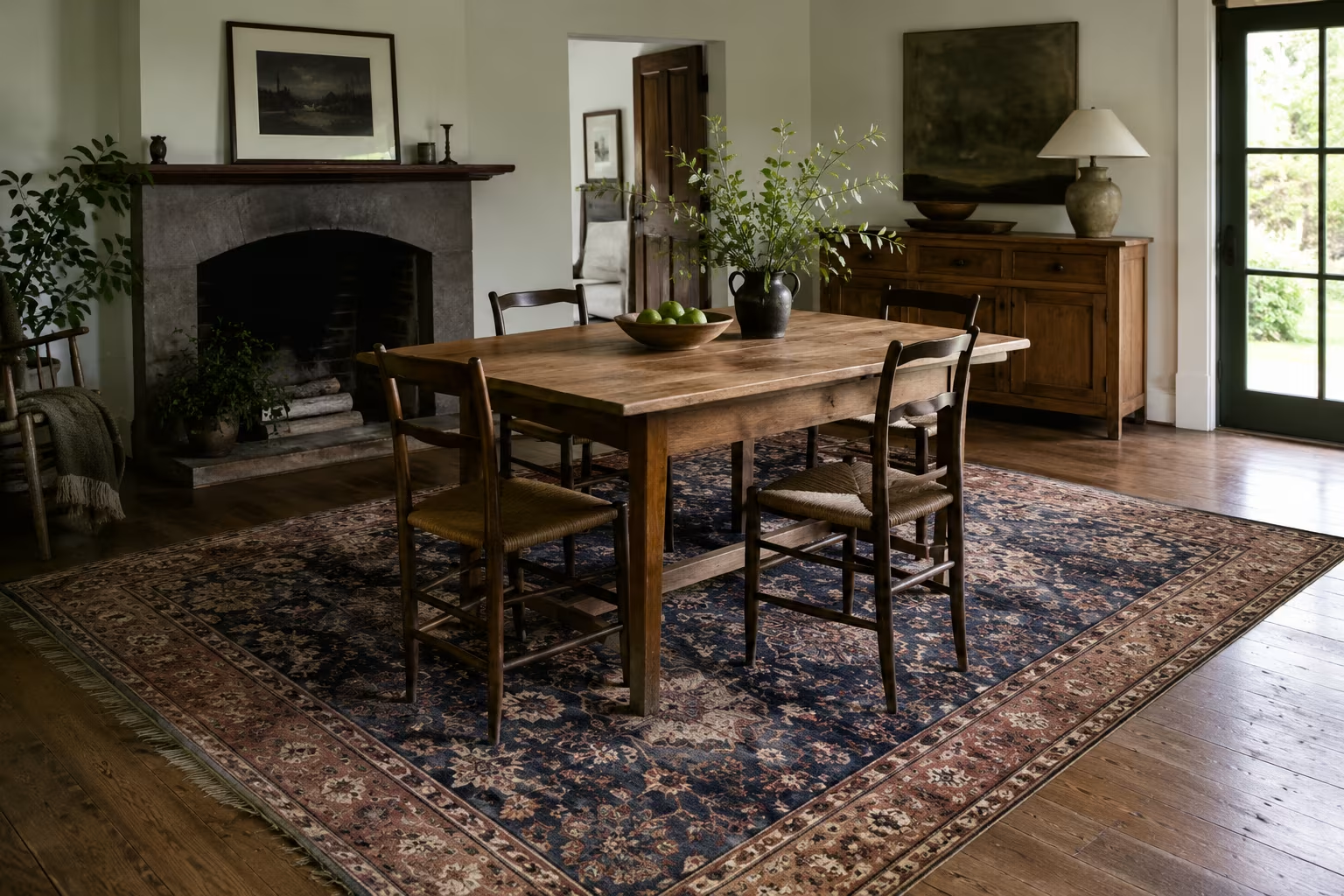
Area Rug Size Under Dining Table
A rug too small under dining table looks like a mistake. Chairs must stay on rug when pulled out.

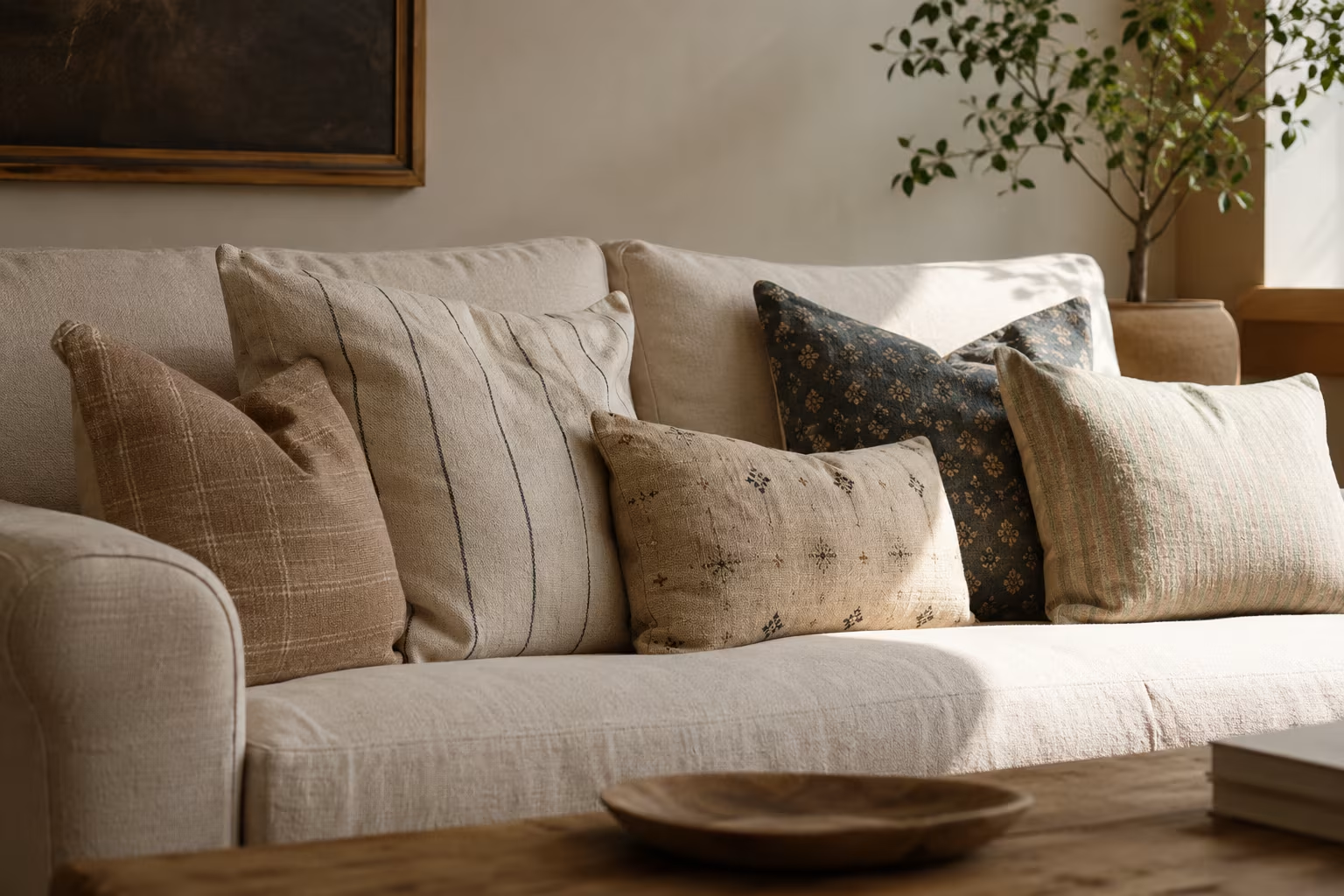
Sofa Pillow Combinations That Don't Fight
Throw pillows pile up over years. Rules for color, texture, pattern, and size.
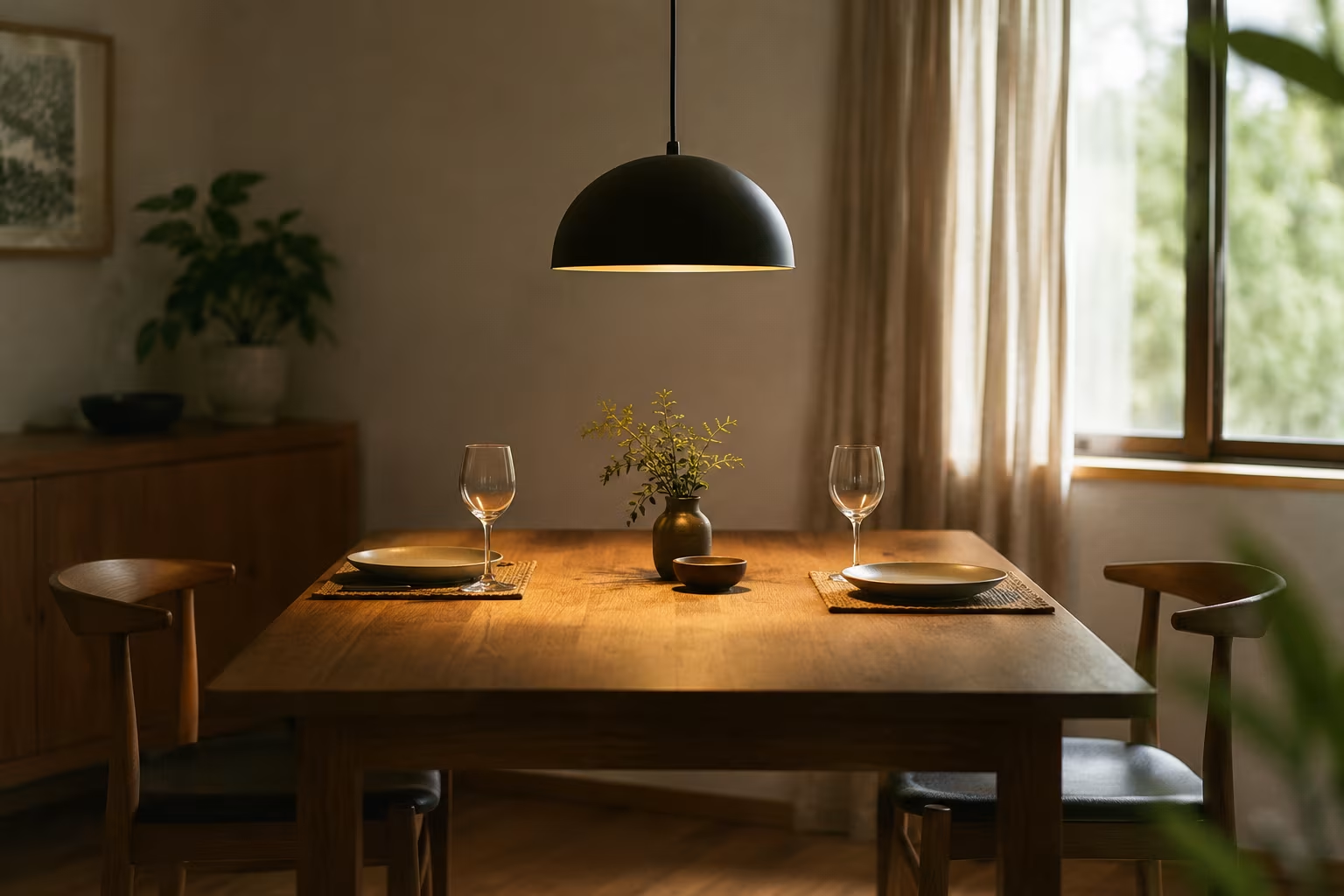
Light Fixture Height Over Dining Table: The Rule
The right pendant light height over a dining table is calculated, not guessed. The standard...
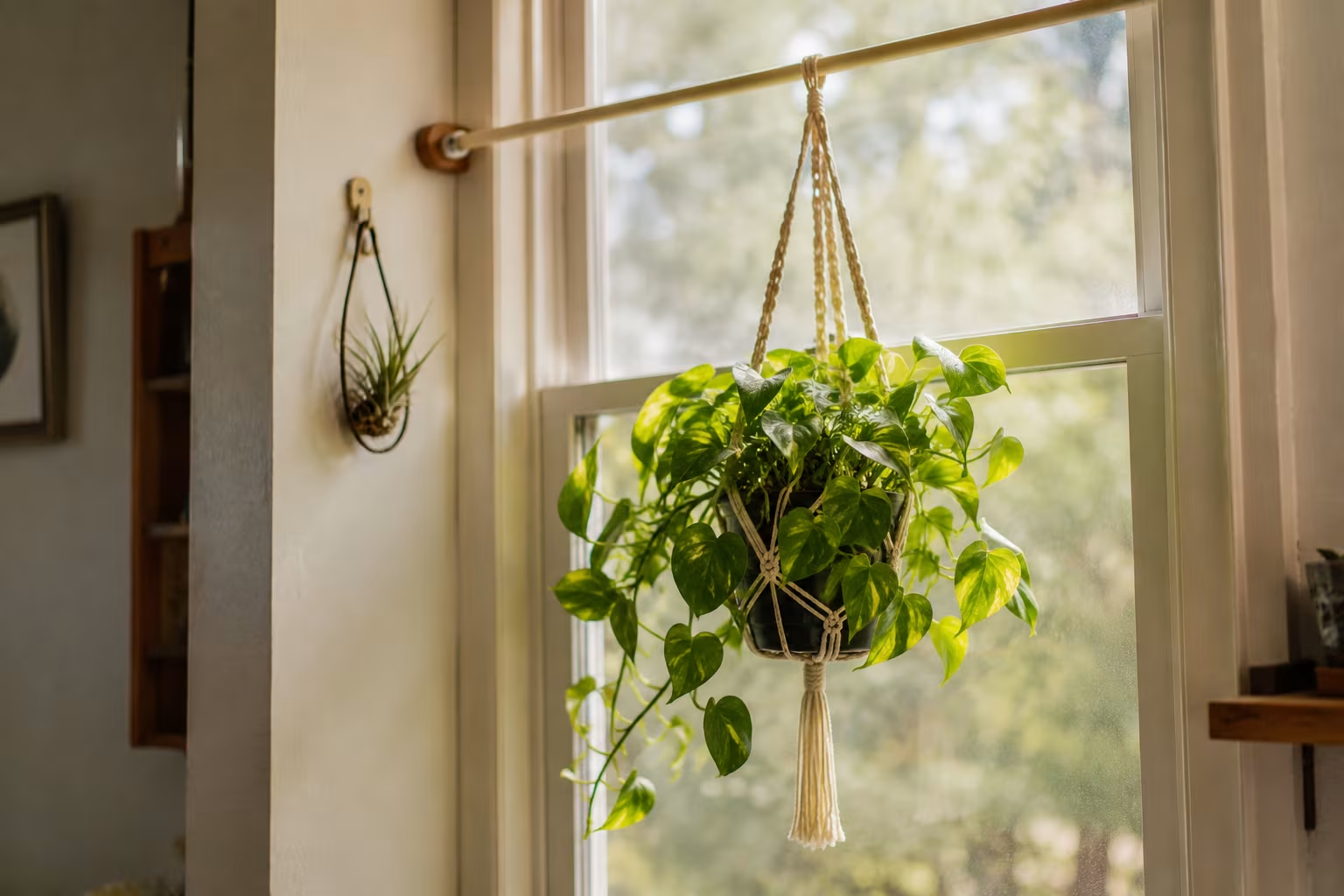
Hanging Plants Without Ceiling Hooks for Renters
Hanging plants brighten any room but drilling into the ceiling isn't always an option....
Comments
No comments yet. Be the first to share your thoughts!