
Budget-Friendly Outdoor Activities for Families
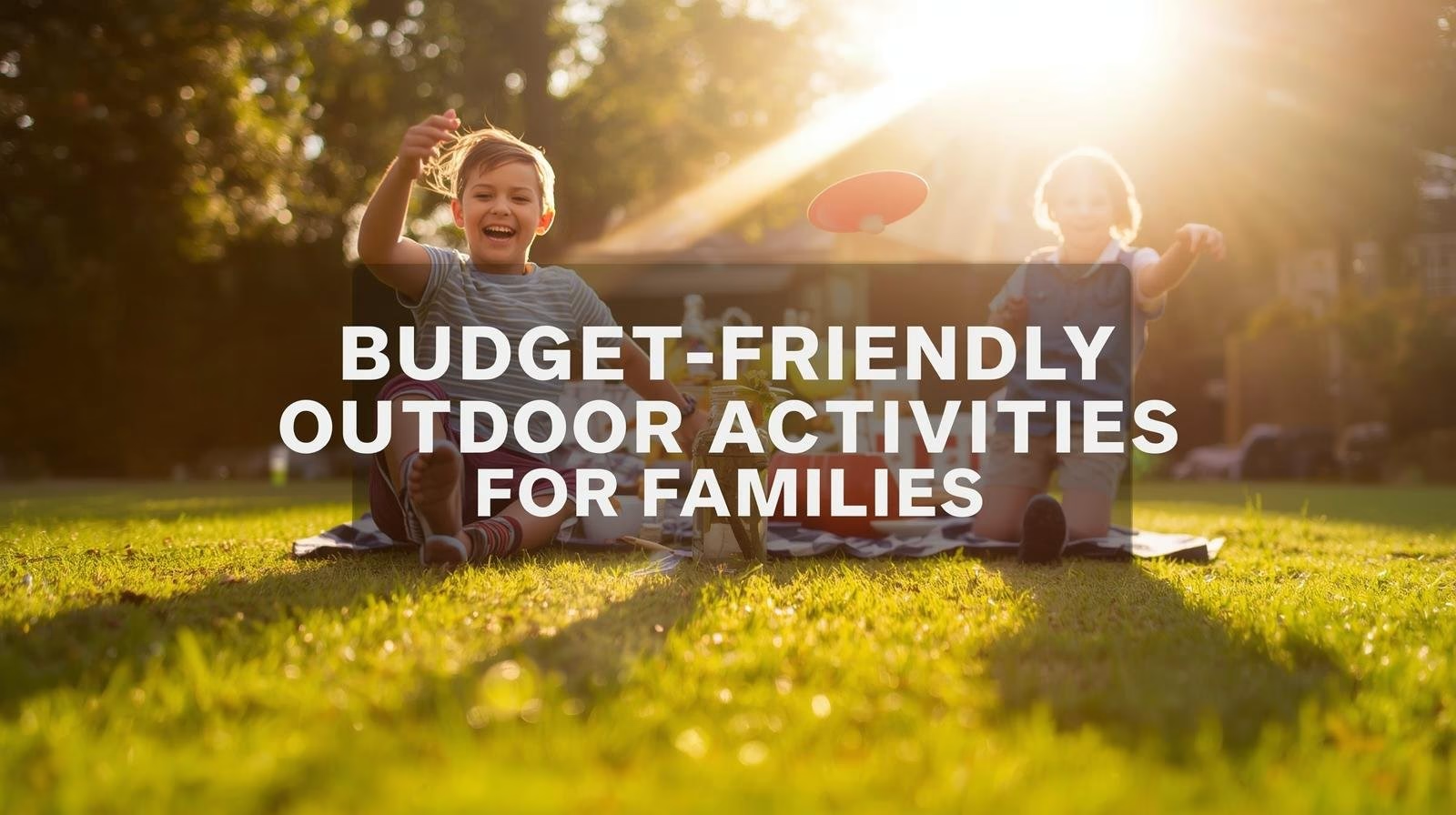
Family time outdoors costs far less than a movie night or an afternoon at an indoor play center, and it usually leaves everyone in better shape for it. Most of the ideas below run on gear you already own or can borrow, plus a packed lunch. The point is to get outside regularly rather than to spend money doing it.
A weekly outing of an hour or two is enough to build the habit. Keep a small kit ready by the door: refillable water bottles, sunscreen, a couple of snacks, and a blanket. That removes the friction that turns a good idea into a "maybe next weekend."
Hikes, Nature Walks, and Scavenger Hunts
Most local and regional parks charge nothing to enter, and trails marked "easy" are typically flat, under two miles, and manageable for children aged four and up. Check the trailhead sign or the park's website for distance and elevation gain before you commit; anything under 300 feet of climb suits young legs.
Turn the walk into a scavenger hunt to hold a child's attention past the first ten minutes. Write a list of ten things to find: a red leaf, an acorn, a feather, moving water, an insect, tree bark with ridges. Give each child a paper bag for the items they can take without disturbing anything. Pack the snacks and refill bottles at home rather than buying at a kiosk, where a single drink often costs more than a week of tap water.
Picnics, Backyard Games, and Bike Rides
A picnic needs almost no planning. Homemade sandwiches, cut fruit, and a jug of water for a family of four cost a few dollars against $40 or more at a restaurant. Bring a frisbee, a soft ball, or a kite to stretch a meal into an afternoon.
For active play you rarely need to buy anything. Sidewalk chalk turns a driveway into hopscotch, a length of rope becomes a jump line, and a single ball covers soccer, catch, and keep-away. Cycling adds range: most towns maintain paved bike paths, and a quiet residential street works when they don't. If you need bikes, check community boards and online marketplaces, where used children's bikes commonly sell for $20 to $50. Give every ride a destination, such as a playground loop or an ice-cream shop, so there is a reason to keep pedaling.
Water Days, Fishing, and Stargazing
If you live within reach of a lake, river, or public beach, a day there feels like a short holiday for the cost of gas and a packed cooler. Bring your own towels, shade, and sunscreen; shoreline shops charge a premium for all three.
Fishing rewards patience and teaches it in return. A basic rod-and-reel combo runs about $20 to $30, and many states let children under 16 fish without a license, though adults usually need a permit costing under $30 a year. Check your state wildlife agency's rules before you go. Stargazing costs nothing at all: on a clear, moonless night, drive away from streetlights, spread a blanket, and let your eyes adjust for the full twenty minutes it takes to see faint stars. A free sky-map app helps everyone name constellations and spot planets.
Backyard Camping and Gardening
A tent pitched on the lawn gives children the whole camping experience: sleeping bags, flashlights, and stories, with a real bed a few steps away if the night goes sideways. Roast marshmallows over a small fire pit where local rules allow, or toast them under the oven broiler for a minute. It is the ideal trial run before booking a campsite, and many public campgrounds still charge only $15 to $30 a night when you are ready for the real thing. The U.S. National Park Service keeps a plain-language guide to camping in national parks that is useful for that next step.
Gardening turns a backyard, balcony, or even a sunny windowsill into an ongoing project. A packet of radish or bean seeds costs about $2 and sprouts within a week, which suits short attention spans. Recycled jars, cans, and cut milk jugs work as planters; punch drainage holes in the bottom. Give each child a pot to own and water. University extension services publish free, regionally accurate advice, such as the University of Minnesota's yard and garden resources, which beat guesswork on what to plant and when.
Stretching Every Outing Further
A few habits keep costs near zero across all of these. Borrow gear before buying it, since a rarely used tent or pair of binoculars is better rented from a friend. Pack food from home every time. Watch community calendars for free outdoor concerts, movie nights, and open-air markets. And stack activities into one trip: a picnic that rolls into a game of catch and ends with stargazing turns a single outing into a full day out. The value comes from doing this often enough that it becomes ordinary, not from any single expensive adventure.
The costs from this guide in one place, so you can plan a month of weekends at a glance:
| Activity | Typical cost | Worth knowing |
|---|---|---|
| Family picnic for four | a few dollars | versus $40+ at a restaurant |
| Used children's bike | $20–$50 | community boards and online marketplaces |
| Rod-and-reel combo | $20–$30 | kids under 16 often fish license-free — check your state |
| Public campground night | $15–$30 | run a backyard trial night first |
| Radish or bean seed packet | about $2 | sprouts within a week |
Related Posts
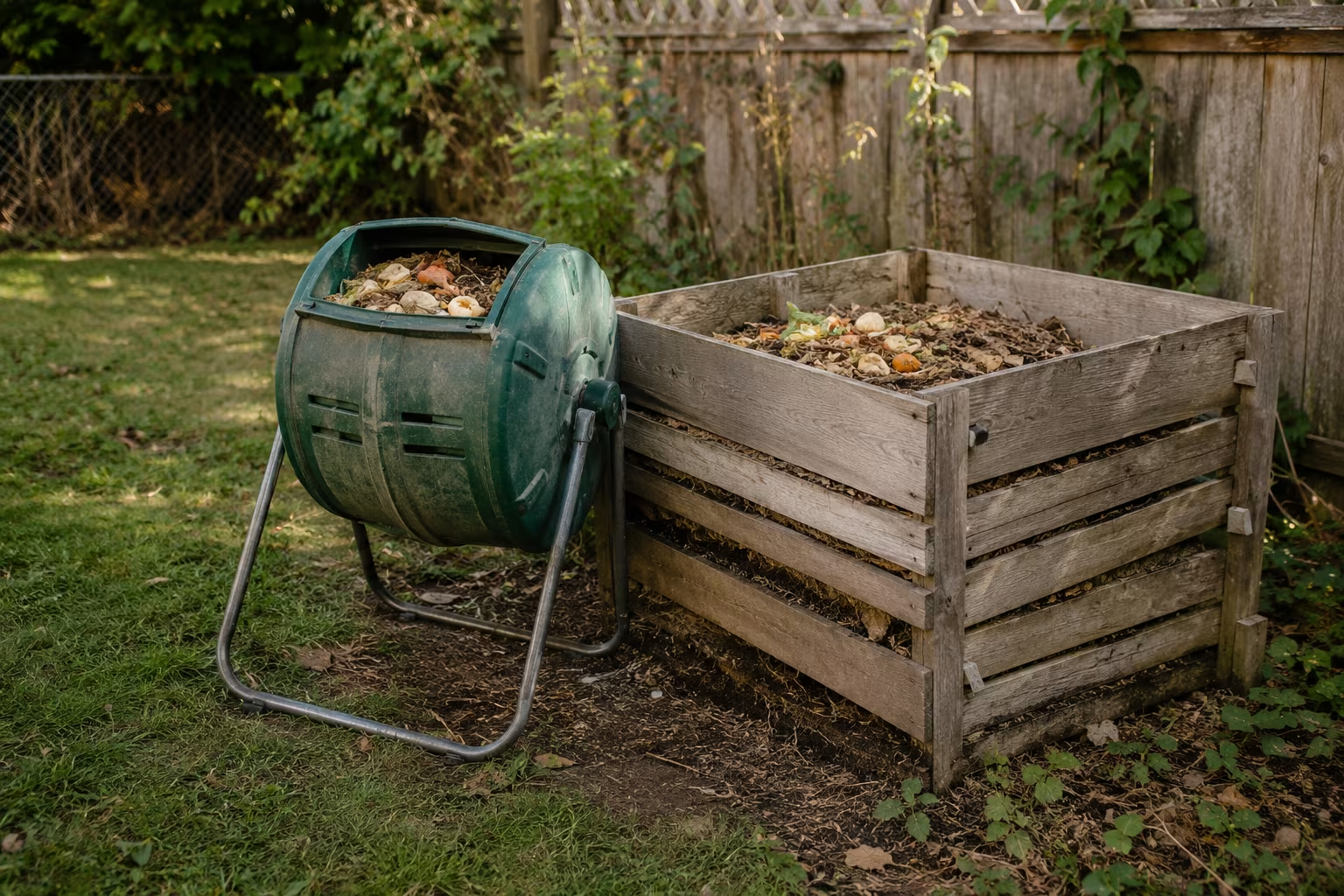
Compost Tumbler vs Static Bin: Which to Choose
Both composters work but they suit different households. Tumbler for speed and pest control...

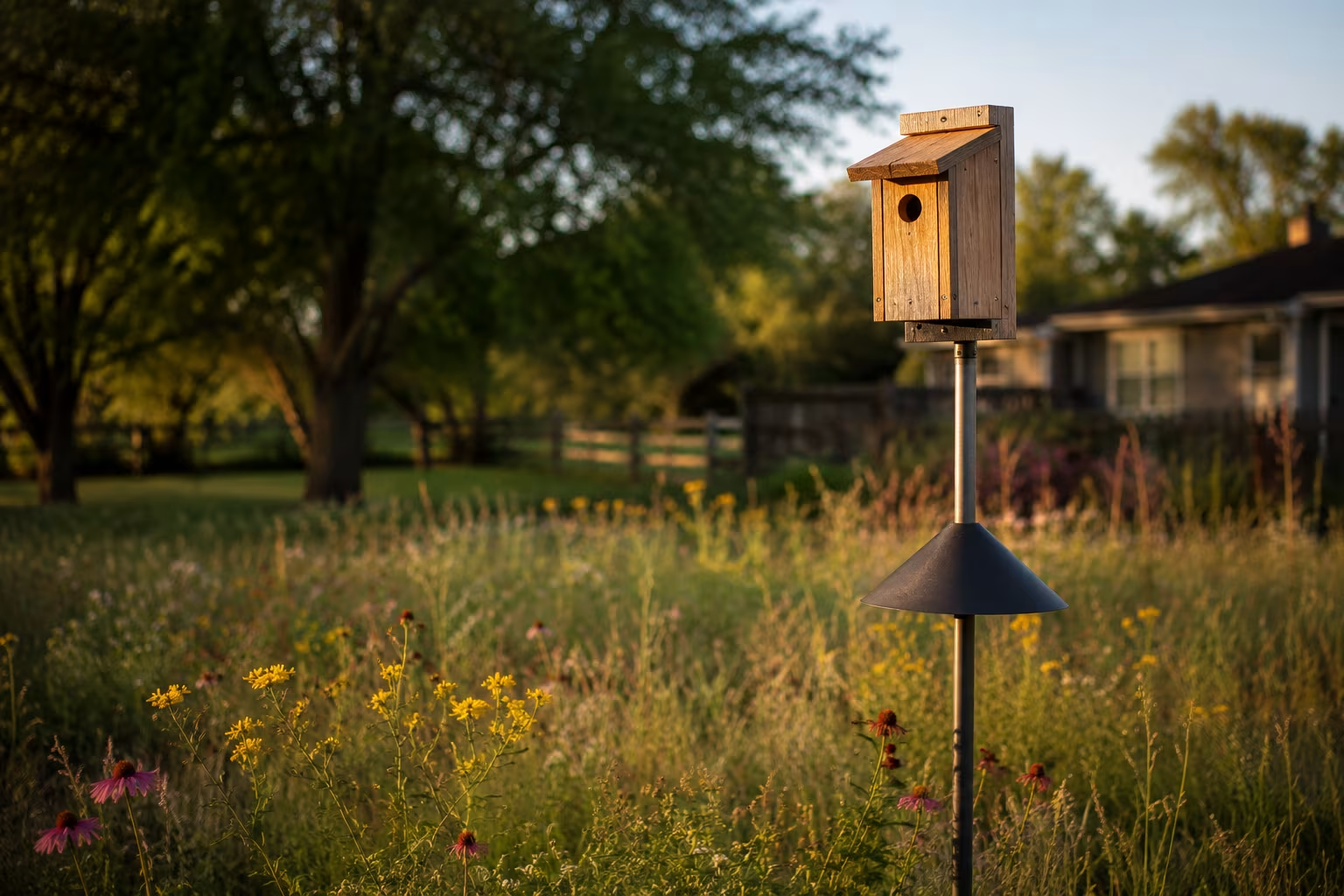
Backyard Birdhouse Placement for Songbirds
A birdhouse in the wrong spot stays empty for years. Height, direction, distance from cover, and...
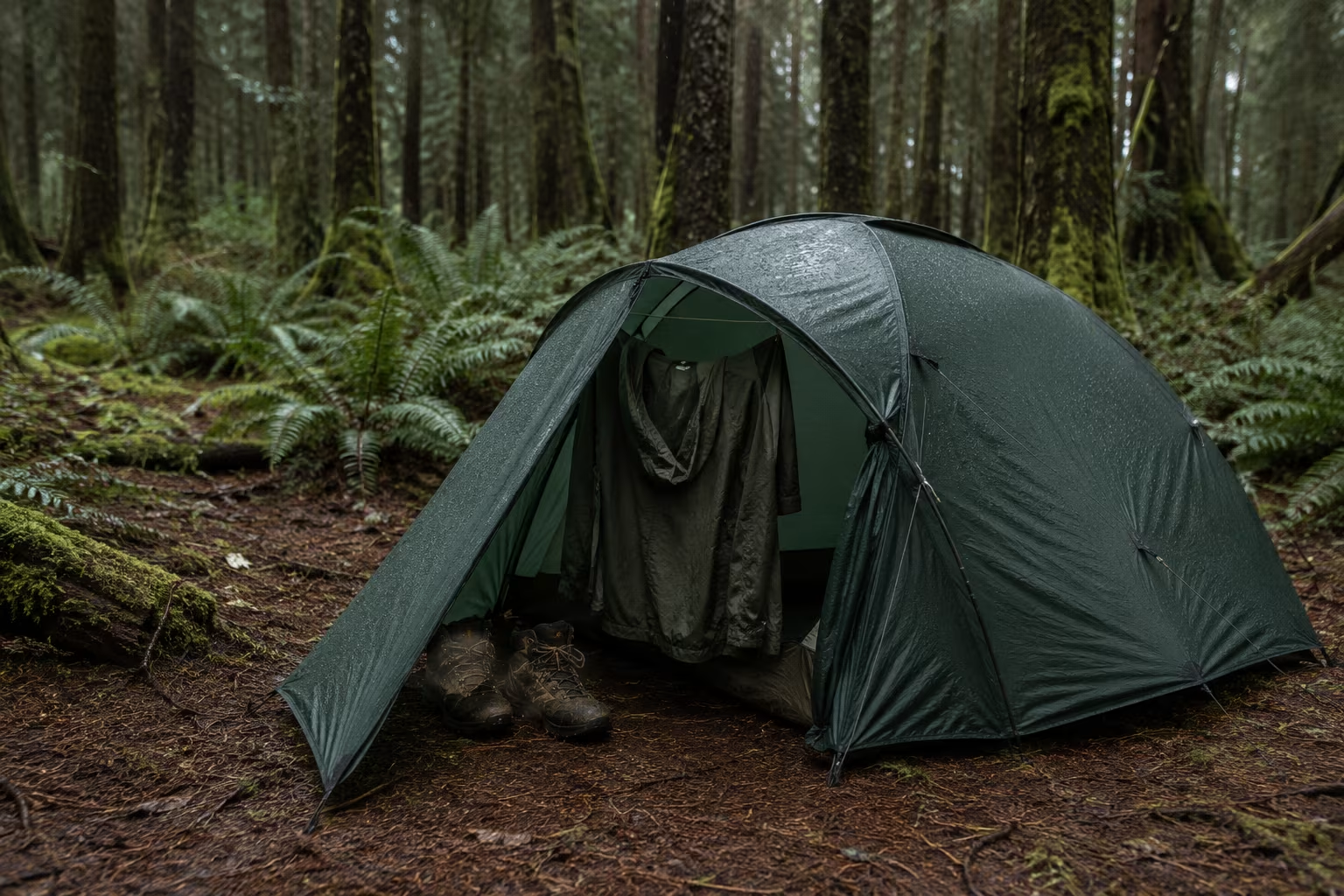
Wet-Climate Tent Camping: The Layering That Stays Dry
Three-season tents in wet climates fail predictably without the right layering. The footprint...
Small-Yard Composting Without Smell or Pests Attracting
Tight backyard, no room for a sprawling pile. The tumbler setup that turns kitchen scraps into...
Comments
No comments yet. Be the first to share your thoughts!