
Wet-Climate Tent Camping: The Layering That Stays Dry
The short answer
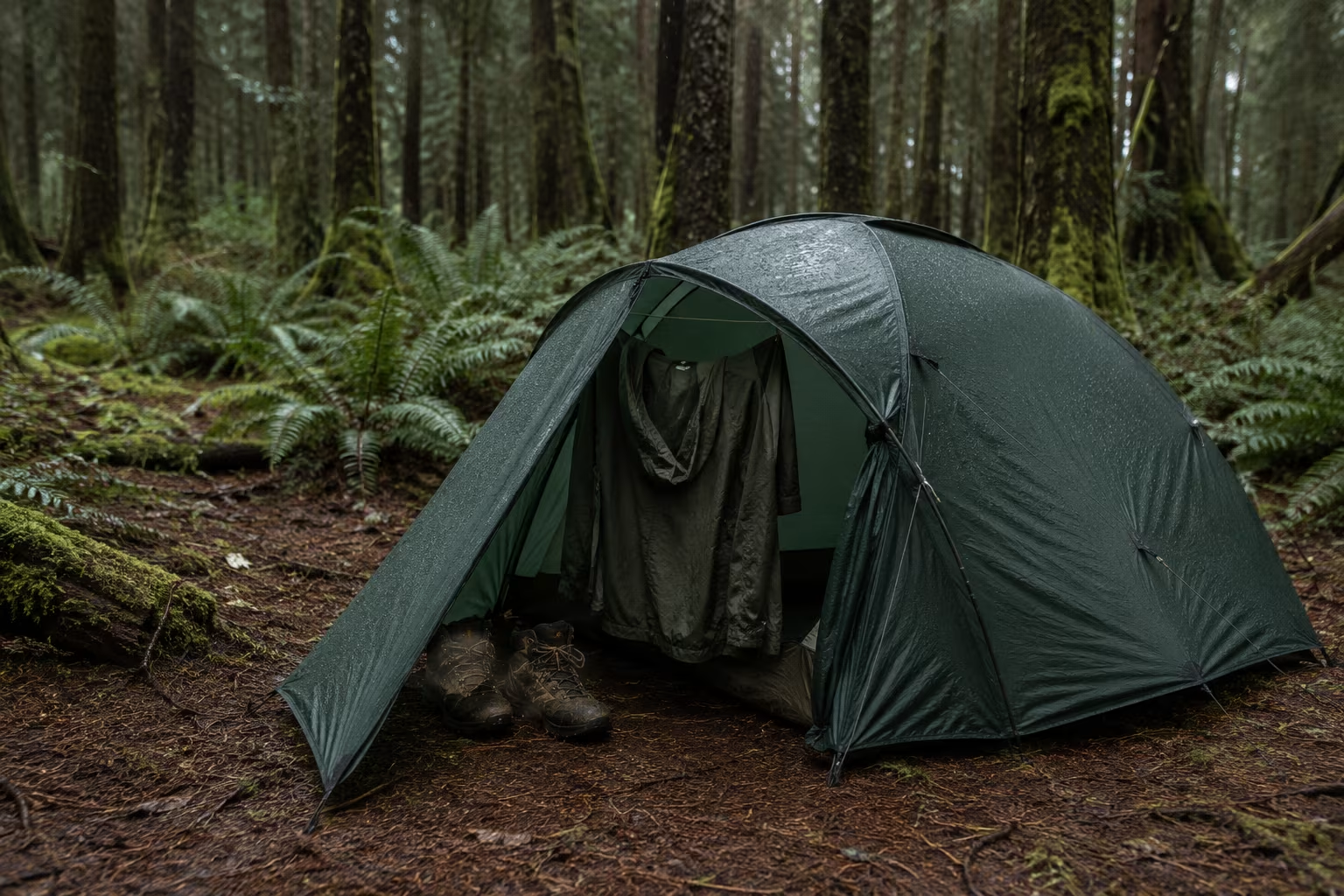
Wet-climate camping with a three-season tent works reliably if four elements are right: a footprint underneath the tent that does not extend past the tent's outer dimensions (so rain runs off it rather than collecting under the tent), a full-coverage rainfly that extends to within a few inches of the ground all around, deliberate ventilation kept open even during rain (otherwise condensation soaks everything from inside), and a non-cotton clothing layering system that handles wet conditions without losing insulation.
The single biggest mistake in wet camping is closing all the vents to keep rain out. Tent breathing produces a surprising volume of water vapor; without ventilation, that vapor condenses on the inner tent wall and drips back onto sleeping bags and gear. The result is everything wet from the inside even though the rainfly kept rain out.
The second biggest mistake is wearing cotton anything. Cotton absorbs water, holds it, loses its insulating value when wet, and takes days to dry. Wool and synthetic fabrics shed water, retain insulation when damp, and dry quickly. In wet climates, cotton is a hazard.
What a three-season tent actually handles
Three-season tents are designed for spring, summer, and fall use in moderate weather including rain. They use lighter materials than four-season (winter mountaineering) tents, which makes them easier to carry and more comfortable in warm weather but less robust in severe conditions.
A typical three-season tent handles:
- Steady rain at any intensity, for hours or days
- Wind up to about 30-40 mph (gusts may push higher briefly)
- Temperatures from about 25°F (-4°C) to whatever the season produces
- Moderate snow loads (the tent will hold up under several inches of accumulation but is not designed for heavy snow)
It does NOT handle:
- Sustained gale-force winds (above 50 mph)
- Heavy snow loads (more than a few inches)
- Hailstorms (the tent fabric is not impact-rated)
- Standing water (a tent in a puddle will leak through the floor regardless of waterproofing)
For wet-climate three-season camping, the tent is the right tool. Setup and material choices determine whether it works as designed or fails.
Footprint placement that prevents water under the tent
A footprint is a sized plastic or fabric sheet that goes under the tent floor. It protects the floor from abrasion, mud, and small punctures.
The critical detail many campers get wrong: the footprint must be the same size as the tent floor or slightly smaller. A larger footprint extending past the tent's edges catches rain that runs off the rainfly and channels it under the tent.
When the rainfly drips rain onto a large footprint, the water flows along the footprint surface (because the plastic does not absorb) and collects under the tent. The tent floor (especially the seam between floor and walls) eventually wets through.
Match the footprint size to the tent. Most tent manufacturers sell footprints sized exactly for their tents — this is the safest purchase. For DIY footprints (often a sheet of Tyvek or polyethylene), cut to match the tent floor outline minus a half-inch on every side.
Position the footprint smooth on the ground before pitching the tent. Wrinkles channel water unpredictably. A taut, flat footprint sheds water predictably.
For known wet camps, a deeper precaution: pitch the tent on a slight slope (not in a depression), with the head end uphill. Any water that gets under the tent flows away rather than pooling.
Rainfly setup and tension
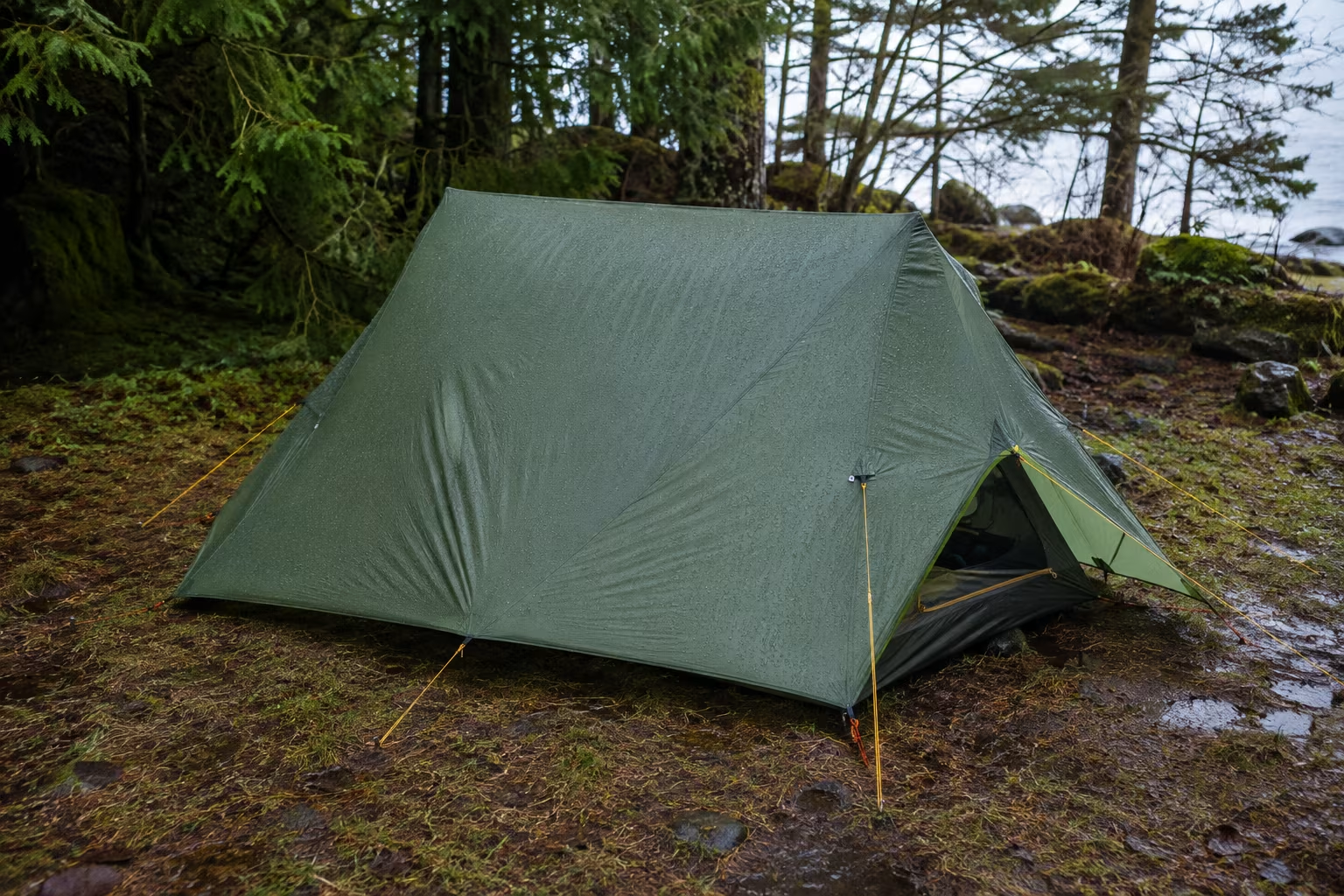
The rainfly is the waterproof outer layer that protects against rain. Its setup affects whether it sheds water cleanly or develops sags that collect puddles.
Full coverage matters. The rainfly should extend to within a few inches of the ground all around the tent. Short rainflies (that end well above the ground) let wind-driven rain reach the tent's mesh inner walls. Full-coverage rainflies seal the entire tent from outside moisture.
Tension matters. A tight rainfly sheds rain like a roof. A loose rainfly forms a depression where rain collects. The collected water adds weight, deforms the rainfly further, and eventually overflows or soaks through.
Guy lines support the rainfly. Most tents have guy line attachment points on the rainfly. Use them. Stake out the guy lines to keep the rainfly taut and to create air gaps between the rainfly and the inner tent wall. Without guy lines staked, the rainfly often touches the inner wall, and water transfers through contact.
Seam sealing. New tents come seam-sealed; older tents may need re-sealing. The seams on the rainfly are the most common leak point. A tube of seam sealer applied along the seams every few years keeps the waterproof rating intact.
Reinforce stakes in soft ground. Standard tent stakes pull out in rain-softened soil. Use larger stakes, deadman stakes (a stake buried sideways below the surface), or rocks to anchor guy lines in conditions where ground may soften.
Ventilation in wet weather
The instinct in heavy rain is to close everything. The instinct produces wet gear from condensation.
A sleeping person breathes out about a half-pint of water as vapor per night. Two people in a tent generate a pint of moisture. With closed vents, that moisture has nowhere to go and condenses on the coolest surface — the tent's inner wall — then drips onto sleeping bags.
Open the vents at least partially even when rain is heaviest. Most three-season tents have vents positioned high (where rain rarely reaches even in significant storms) and protected by small awning structures that prevent rain entry. Use them.
Cross-ventilation helps. Open vents on opposite walls (or at opposite ends of the tent) to allow air flow rather than just static venting. The moving air carries moisture out.
The vestibule helps too. Most three-season tents have a vestibule — a covered area outside the inner tent door but inside the rainfly. Use the vestibule for wet gear storage. Boots, rain jackets, and other dripping items can stay in the vestibule overnight without bringing water into the sleeping area.
Cooking outside the tent. Stove use inside the tent (even in vestibules) is a major condensation source plus a fire and carbon monoxide risk. Cook outside or in dedicated cooking shelters; never inside the inner tent.
The clothing layering system
The standard outdoor layering system has three layers, with materials chosen for wet performance.
Base layer (against skin). Merino wool or synthetic (polyester, polypropylene). Wicks moisture from skin outward. Merino wool resists odor over multi-day use; synthetics dry faster after washing. Both perform when wet. Avoid cotton.
Insulation layer (mid layer). Fleece, lightweight down jacket, or synthetic insulating jacket. Provides warmth. In wet climates, synthetic insulation works when damp; down loses insulation value when wet. For wet-climate trips, synthetic insulation is the safer choice.
Shell layer (outermost). Waterproof breathable shell jacket and pants. Gore-Tex and similar membranes block water from outside while allowing some vapor to escape from inside. The shell handles rain and wind; the inner layers handle warmth and moisture management.
Footwear. Wool socks (no cotton). Waterproof boots if available; otherwise drying socks in the evening and wearing wool socks during the day. Dedicated "camp shoes" (lightweight slip-on shoes for around camp) keep wet hiking shoes off your feet during rest periods.
Sleeping bag liner. A liner adds warmth and protects the sleeping bag from skin oils and sweat. In wet conditions, a synthetic liner provides backup warmth if the main bag gets damp.
The layering principle: add or remove layers as activity and weather change. Stop and remove the insulation layer when you start to sweat from exertion; add it back when you stop moving. Sweat-soaked layers reduce insulation; keeping the body dry is the priority.
Setting up in active rain
Sometimes the rain starts during pitching. The setup sequence matters.
Pitch the rainfly first if possible. Some tent designs allow the rainfly to go up first, providing immediate shelter. The inner tent then goes inside the dry rainfly. Look for tents marketed as having "fly-first pitch" or "vestibule-first" capability.
For traditional setup (inner first, fly second): work fast. The inner tent gets some rain on it during the setup window. The damp inside dries from body heat once you are inside.
Dry the inside before sleeping. A small absorbent towel (microfiber camp towel) wipes interior moisture from walls and floor. The few minutes of wiping saves the sleeping bag from contact with wet surfaces.
Keep wet gear separated from sleeping gear. Wet rain jackets, wet boots, and wet bags stay in the vestibule. Dry items (sleeping bag, base layer, extra clothes) stay in the inner tent.
Hang wet items where possible. Inside the vestibule, a clothesline strung between vestibule poles holds wet items above the ground. The items dry slowly overnight but stay separated from the sleeping area.
After the trip — drying and storage
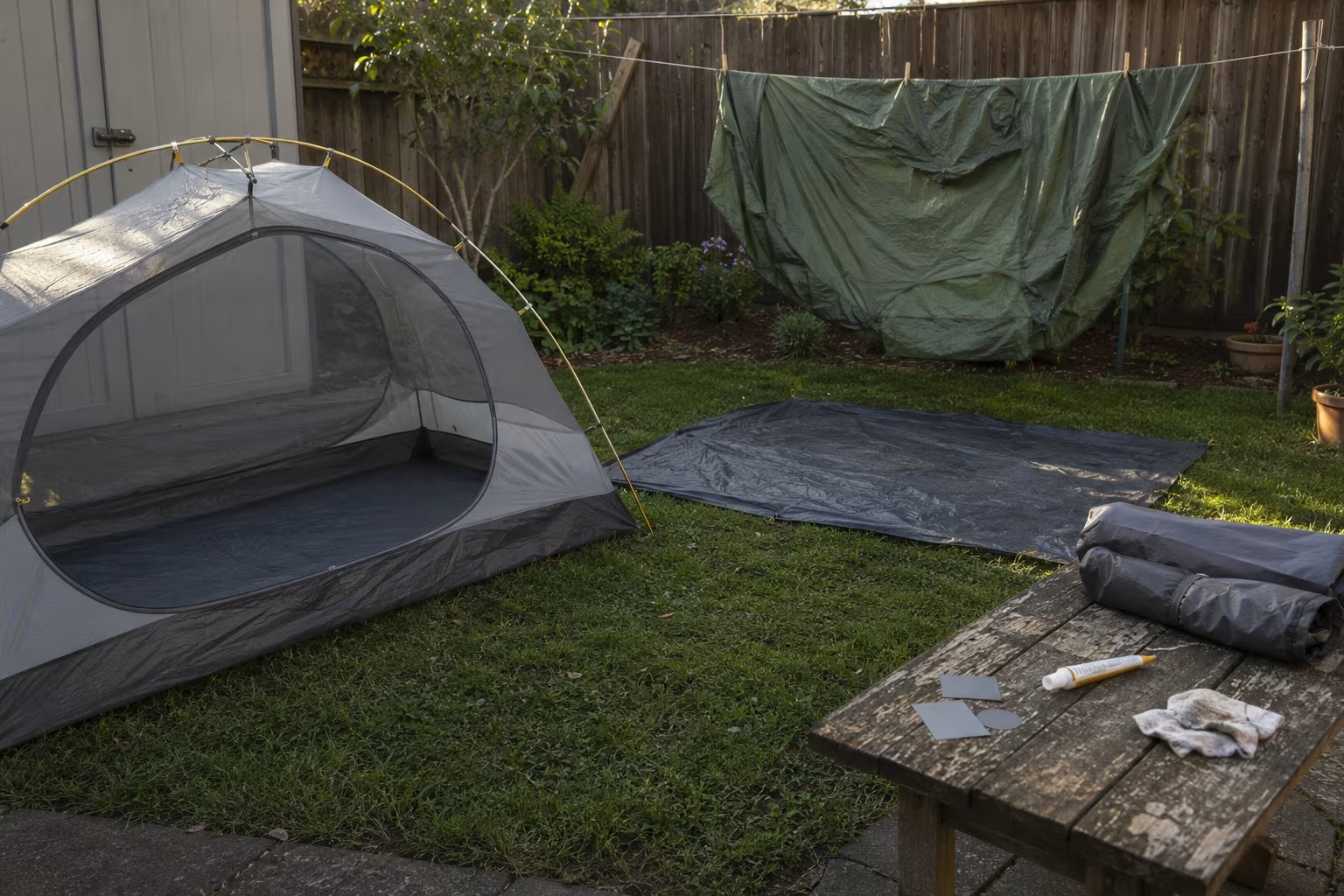
Tents stored damp develop mildew quickly. Drying after every wet trip is essential to the tent's lifespan.
When home, set up the tent in a dry place (garage, basement, backyard on a dry day) and let it air-dry completely. Both the inner tent and the rainfly need full drying.
Check seams for any signs of leak (water marks, residue). Re-seal as needed.
Inspect the floor for any abrasion or puncture damage from the trip. Patch small holes with adhesive patches or seam sealer; replace tarps where damage is significant.
Store in a loose roll or hung up — not tightly compressed in a stuff sack for long periods. Compression damages the waterproof coatings over time.
A complete wet-camping kit
For someone preparing for wet-climate three-season camping:
- A three-season tent with full-coverage rainfly and vestibule
- A sized footprint matching the tent floor
- Extra guy lines and stakes
- Tent repair kit (patches, seam sealer)
- Synthetic insulation jacket
- Waterproof shell jacket and pants
- Merino wool or synthetic base layers
- Wool socks (multiple pairs)
- Waterproof boots or hiking shoes
- Camp shoes or sandals
- Microfiber camp towel
- A small clothesline for vestibule
- Synthetic-fill sleeping bag (or a down bag protected in a waterproof stuff sack)
This kit handles typical wet-weather camping. The investment is moderate to significant depending on the quality tier chosen; the kit lasts years and the protection it provides is the difference between miserable trips and successful ones.
Group dynamics in wet camping
Wet weather camping changes group behavior. Some considerations:
Everyone needs their own wet-weather gear. Sharing a tent does not share rain jackets; each person needs full layering.
Drying schedule is shared. Wet gear from multiple people accumulates in the vestibule and creates a moisture problem. Designate a drying line and a wet zone in larger tents.
Communication matters. Members of the group with different cold tolerance and wet tolerance need to communicate about when to seek shelter, when to add layers, when to call off an activity.
Leader watches for hypothermia signs. Wet conditions can cause body temperature drop faster than people realize. Watch for shivering, confusion, lethargy in any group member.
Multi-day wet trips
A single wet night is manageable; multi-day wet conditions test gear and resolve.
Drying gear between days. A single wet day produces wet gear that becomes wetter on day two unless drying happens. Inside the tent at night, body heat dries clothing slowly; a heater (when safe to use) or a fire (outdoors) accelerates the drying.
Rotating dry clothing. Pack enough dry layers to rotate. Wet base layer goes against the body during day, dry base layer for sleep. By next morning, the day-worn base layer has partially dried inside the sleeping bag.
Food and stove planning. Wet conditions make outdoor cooking harder. Pack high-energy foods that require minimal preparation; have backup plans for cooking when conditions are too wet for a stove.
Mental preparation. Multi-day wet trips test patience. Group morale matters as much as physical preparation. A book, a deck of cards, or other entertainment for tent-bound hours helps.
The rewards of wet-trip camping (quieter forests, more wildlife activity, dramatic landscape conditions) compensate for the difficulty when the preparation is adequate.
The four wet-camp rules:
| Rule | Spec | Failure mode |
|---|---|---|
| Footprint | same size or smaller than the floor (DIY: −1/2 in per side) | oversize catches runoff and channels it UNDER the tent |
| Rainfly | full coverage, within inches of the ground | partial flys wet the walls |
| Vents | OPEN, even in rain | closed vents = condensation soaks gear from inside |
| Clothing | wool / synthetic only | wet cotton loses insulation and takes days to dry |
| Tent limits | rain for days, wind 30–40 mph, ~25°F | not 50+ mph gales or standing water |
Related Posts
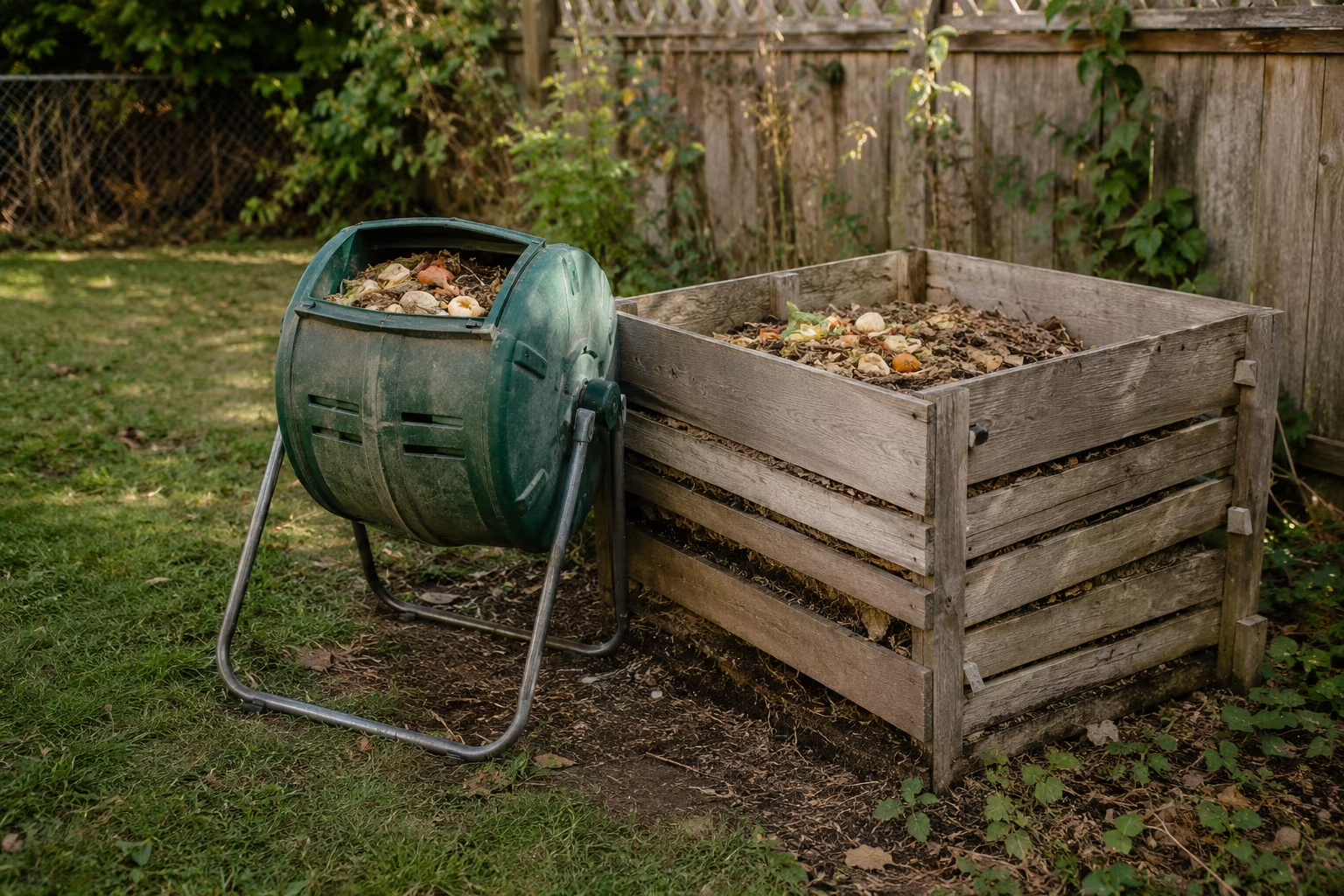
Compost Tumbler vs Static Bin: Which to Choose
Both composters work but they suit different households. Tumbler for speed and pest control...

Backyard Birdhouse Placement for Songbirds
A birdhouse in the wrong spot stays empty for years. Height, direction, distance from cover, and...
Small-Yard Composting Without Smell or Pests Attracting
Tight backyard, no room for a sprawling pile. The tumbler setup that turns kitchen scraps into...
Hammock Anchor Choice: Tree Straps, Posts, or Stands
Tree straps are flexible but need trees. Posts need installation. Stands are portable but heavy....
Comments
No comments yet. Be the first to share your thoughts!