
Compost Tumbler vs Static Bin: Which to Choose
The short answer
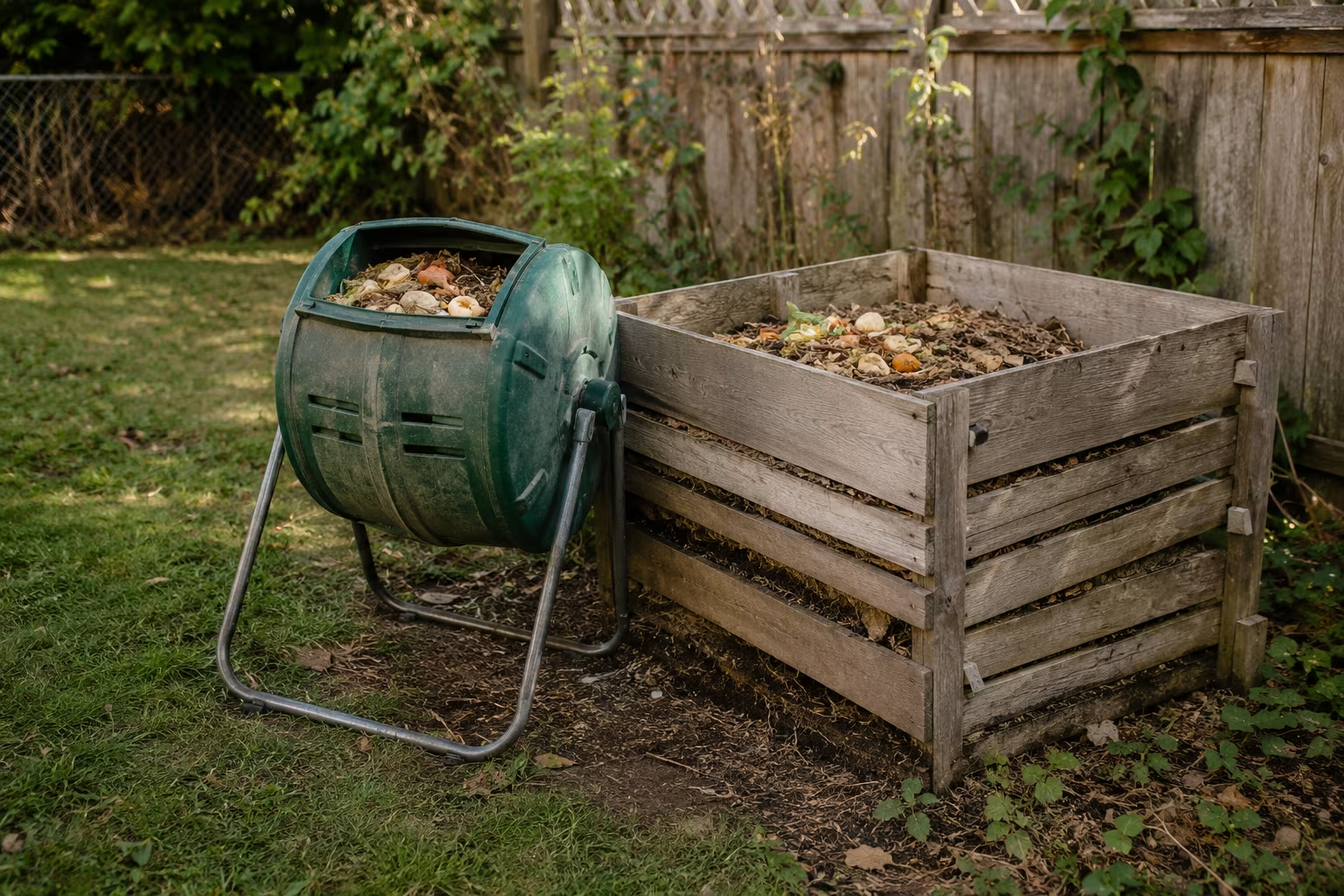
A compost tumbler produces compost faster (4-8 weeks vs 6-12 months for static bin), keeps pests out reliably, and is the right choice for smaller yards or households new to composting. A static bin holds more total volume, requires less monitoring, and is the right choice for larger gardens, larger households, or anyone composting yard waste alongside kitchen scraps.
Tumbler costs more per gallon of capacity. Static bin costs less but takes longer to produce finished compost. For most suburban households producing typical kitchen waste, a 30-40 gallon tumbler covers the need with manageable maintenance. For households with significant yard waste, a static bin or multiple bins serves better.
The right choice often combines both: a tumbler for kitchen scraps with frequent turning and a static bin for slower yard waste compost.
Compost tumbler strengths
Tumblers are sealed barrels that rotate to mix and aerate contents.
Speed: enclosed mixing keeps the pile aerobic and warmer. 4-8 weeks from filled to finished compost in good conditions.
Pest control: sealed design keeps rodents, raccoons, and flies out. Critical in urban or suburban areas.
Tidiness: contained design looks neater than open piles. Easier to integrate into a small yard.
Easy turning: rotation handle does the aerating work that manual turning requires.
Limited capacity: most consumer tumblers are 30-65 gallons. Two side-by-side tumblers double capacity.
Cost: moderate to higher than static bins of similar capacity.
Static bin strengths
Static bins are open or semi-enclosed containers that hold compost while it slowly breaks down.
Capacity: 100-200+ gallons easily. Handles serious yard waste plus kitchen scraps.
Forgiveness: less monitoring needed. Composts at a slower rate but doesn't require frequent turning.
Cost: lowest per gallon of capacity. DIY versions cost almost nothing (chicken wire and stakes).
Lower maintenance: less turning, less monitoring of moisture and balance.
Pest vulnerability: open or semi-open design allows pests easier access. Mitigated by burying scraps under browns.
Time: 6-12 months from start to finished compost typically.
Visual: large open piles can look messy in formal yards.
Which works for your household
Small to medium household, primarily kitchen scraps, urban/suburban yard: compost tumbler. The speed and pest control are worth the cost.
Large household, lots of yard waste, larger property: static bin or multiple bins. Capacity matters more than speed.
Both kitchen scraps and yard waste, want both speed and capacity: combination — tumbler for kitchen scraps, separate static bin for leaves and yard debris.
Renter with small balcony or no yard: indoor worm bin or small tumbler. Different scale entirely.
Performance comparison
Tumbler in active use: contents mixed every 2-3 days, temperature maintained, finished compost in 4-8 weeks. Output: 15-30 gallons per cycle.
Static bin in passive use: minimal turning, contents added on top as available, finished compost extracted from bottom or oldest portion in 6-12 months. Output: 50-150+ gallons per year.
Tumbler in passive use: still produces compost but takes longer than active use, similar to a small static bin.
Static bin with frequent turning: speeds up significantly but defeats the simplicity advantage.
Tumbler maintenance
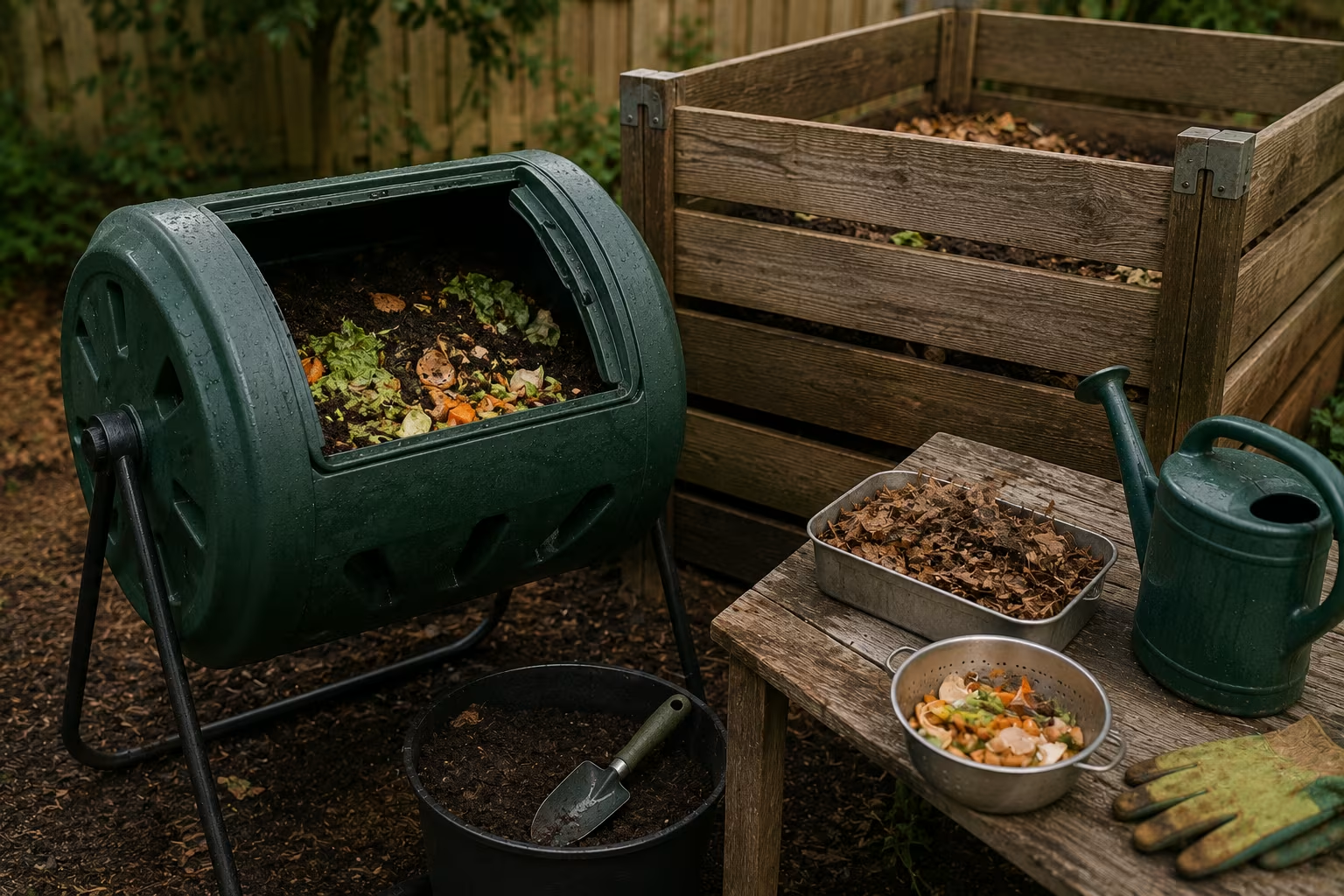
Rotate every 2-3 days during active composting.
Maintain 50/50 greens (kitchen scraps) and browns (dry leaves, cardboard).
Watch for moisture — should be like wrung-out sponge.
Empty completely between batches; don't continuously add to active pile.
Clean tumbler between batches if pest activity occurs.
Static bin maintenance
Add materials as available (top of pile).
Layer browns and greens roughly 2:1.
Turn occasionally (every 1-3 months) with pitchfork to incorporate air.
Extract finished compost from bottom or oldest section.
Monitor moisture; cover with tarp during heavy rain.
Hybrid approach
Many home composters use both systems.
Tumbler for kitchen scraps: rapid processing, contained pests, quick output.
Static bin for yard waste: large capacity for leaves, garden trimmings, woody material.
The systems complement each other and together cover the range of household compostable material.
When to start
Spring through fall: ideal start times. Active microbial activity in warm soil and air.
Winter: composting slows dramatically. Start a tumbler if absolutely needed but expect minimal activity until spring.
Year-round: both systems can operate continuously in mild climates. In cold climates, the tumbler can be insulated or moved to a warmer location.
The first season is often slow as the system establishes microbial communities. Year two and beyond, output increases as the process matures.
Tumbler Models Compared
The compost tumbler market includes models at various price and capacity points:
Lifetime 60058 Compost Tumbler (US-made, 80-gallon capacity, twin chamber design): one chamber actively composts while the other accepts new material. Price 130-220 USD (as of 2026 — confirm current pricing). Steel frame, UV-stabilized polyethylene drum, internal aeration bar. Generally rated as the best value in the category.
Yimby Tumbler Composter (43-gallon, dual chamber): 90-180 USD. Smaller capacity but adequate for typical household kitchen waste. Plastic construction with steel frame.
FCMP Outdoor IM4000 (37-gallon dual chamber): 90-160 USD. Compact footprint for small yards. Black drum heats faster in sun, accelerating decomposition.
Joraform JK270 (Sweden, 71-gallon insulated): 350-550 USD. Premium insulated model that continues composting through cold winters. Recommended in climates where standard tumblers freeze December-March.
EZ Compost Tumbler (45-gallon, single chamber): 70-130 USD. Budget single-chamber option. Less efficient than dual chamber but adequate for households with low compost volume.
Capacity considerations: a typical family of 4 generates 6-12 pounds of compostable kitchen waste weekly. Most 40-50 gallon tumblers fill in 6-8 weeks at normal household generation rates. Larger families or those including yard waste benefit from 80+ gallon capacity.
Static Bin Options
Traditional static compost bins also span price and design ranges:
Geobin Compost Bin (216-gallon expandable): 40-70 USD. Flexible plastic mesh that adjusts to needs. Excellent ventilation but offers no rodent protection.
Soil Saver Compost Bin (75-gallon, recycled plastic): 90-170 USD. Closed plastic design with secure lid keeps rodents out. Slatted side panels for ventilation. Lifetime warranty from manufacturer.
Algreen Soil Saver Classic (75-gallon): 80-150 USD. Similar concept to Soil Saver but slightly different ventilation design. Made from 100% recycled HDPE plastic.
Mantis ComposT-Twin (88-gallon dual chamber tumbler): premium model at 250-400 USD with hand crank for easy rotation when fully loaded.
DIY pallet bins: 4-6 wood shipping pallets configured into a 3-bin system. Free if pallets are sourced from local businesses. Excellent capacity and accessibility but requires construction skill.
DIY wire bin: 10-foot length of welded wire mesh formed into a cylinder. About 25-50 USD in materials. Adequate for modest household composting.
Time and Effort Comparisons
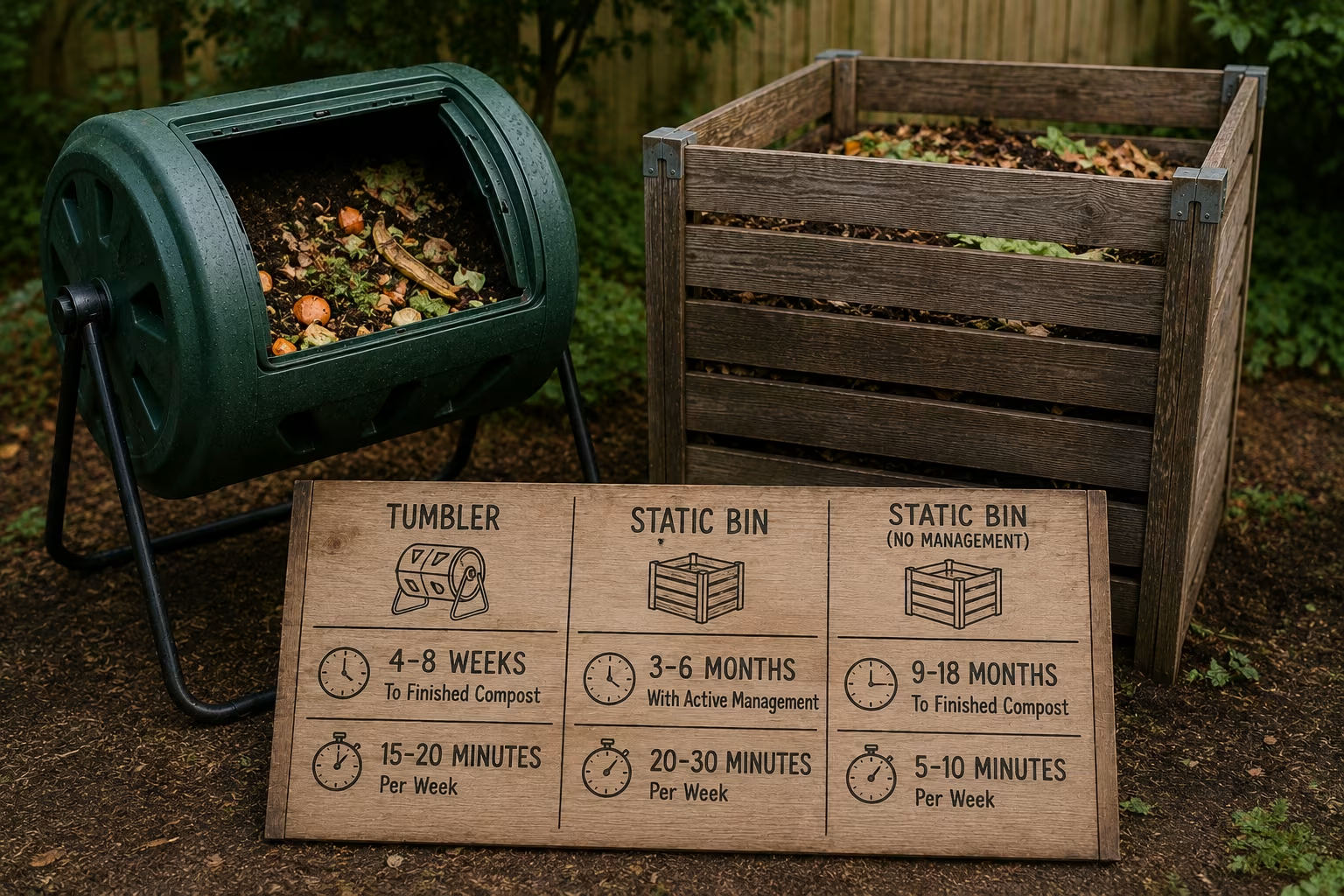
The key practical difference between tumblers and static bins is the time required to produce finished compost.
Tumblers properly maintained (turned every 2-3 days, kept moist but not wet, balanced green-brown ratio 1:2 by volume): finished compost in 4-8 weeks during warm weather.
Static bins with active management (turning monthly, monitoring moisture): finished compost in 3-6 months.
Static bins without active management (just adding material over time): finished compost in 9-18 months.
Time investment per week: tumblers require 3-5 minutes of turning every 2-3 days. Static bins require 15-30 minutes of monthly turning. For households with very limited time, the tumbler's small frequent maintenance fits better than batched effort.
Climate and Seasonal Considerations
Climate dramatically affects composting performance. Tumblers are most effective in regions with consistent warmth (USDA zones 7-10 in North America). In cold climates (zones 3-6), most tumblers stop active composting from late November through March, resuming in April. Insulated models like Joraform extend the active season but still slow significantly below freezing.
Static bins generally outperform tumblers in cold climates because the larger mass retains heat better. A 200+ gallon static pile can maintain active microbial activity through mild winters, producing finished compost in spring when most tumblers haven't yet thawed.
Hot dry climates (Southwest US, Mediterranean climates) favor tumblers because they retain moisture better than open static bins where evaporation is rapid. In humid climates, tumblers can become too wet without ventilation; static bins handle excess moisture better through their open structure.
What Goes In and What Doesn't
Both tumblers and static bins accept similar materials with subtle differences:
Always compost: fruit and vegetable scraps, coffee grounds, tea leaves and bags (non-plastic), eggshells crushed, paper towels and napkins, plain cardboard torn into pieces, dryer lint from natural fibers, plant trimmings and small weeds, fall leaves, grass clippings (in moderation), wood ash from untreated wood (small amounts only).
Never compost: meat, fish, dairy products (attract pests and rodents), cooked food with oils or sauces, pet waste from carnivores (pathogen risk), diseased plant material (spreads disease through the compost), invasive weeds with seeds (seeds survive composting), chemically treated wood or grass clippings (introduces toxins), glossy magazines or thermal-printed receipts (chemical contamination).
Hot composting (over 130°F / 55°C consistently maintained) can handle some normally-prohibited materials like meat scraps and pet waste, but achieving and maintaining those temperatures requires expert-level management beyond typical backyard composting.
Cost-Benefit Over Time
The economic case for composting goes beyond the equipment itself. A typical household generates 200-400 pounds of compostable waste annually. Diverting this from landfill saves municipal waste fees (where pay-per-bag programs exist) and reduces methane emissions from anaerobic landfill decomposition.
The finished compost has retail value of 3-8 USD per cubic foot at garden centers. A household producing 8-15 cubic feet of finished compost annually generates 25-120 USD of compost replacement value yearly. Tumbler systems amortize their cost in 2-4 years; static bins amortize in 1-2 years. Both pay back many times over their 10-20 year useful lifespan.
For most suburban households, the choice between tumbler and static bin comes down to space, time, and effort preferences. Active small-batch composters favor tumblers; patient garden-focused composters favor static bins. Both systems work; the best system is the one actually used consistently for years.
Troubleshooting Common Composting Problems
Even well-managed compost systems develop occasional problems. The most common issues and their solutions:
Bad smell (ammonia): too much nitrogen-rich material (kitchen scraps, fresh grass), insufficient brown material. Add dry leaves, shredded cardboard, or sawdust to rebalance. Turn to incorporate.
Bad smell (rotten or putrid): anaerobic conditions from excessive moisture. Add brown materials and turn vigorously to introduce oxygen. Ensure proper drainage.
Pile not heating up: too dry, too small, or insufficient nitrogen. Add water until material feels like wrung-out sponge. Add nitrogen sources like coffee grounds or fresh grass clippings. Increase pile size to retain heat (minimum 27 cubic feet, roughly 3x3x3 feet).
Fruit flies: usually attracted to exposed kitchen waste. Bury new additions under existing compost or under brown material. Cover with secure lid.
Pests (rodents, raccoons): never compost meat, dairy, or oily foods. Switch to enclosed tumbler or rodent-proof bin. Avoid placing bin near fences or structures predators can climb onto.
Compost won't finish: too much fresh material added recently; needs time without additions. Switch to dual-chamber system to allow one chamber to finish while continuing to add to the other.
White stringy growth: actinomycetes, beneficial decomposers. Not a problem; indicates active healthy composting.
Pile freezes solid in winter: normal in cold climates. Continue adding kitchen waste to a small "interim" container; resume turning when temperatures rise above 40°F.
Using Finished Compost Effectively
Finished compost (dark, crumbly, earthy-smelling) serves many garden purposes:
Soil amendment: mix 2-3 inches into top 6 inches of garden soil before planting. Improves drainage in clay soils, water retention in sandy soils, and adds slow-release nutrients.
Mulch: apply 1-2 inch layer around established plants. Conserves moisture, suppresses weeds, gradually feeds plants as it breaks down.
Container gardening: mix 1 part compost with 2 parts potting soil for nutrient-rich container mix. Avoid using straight compost in containers (drainage becomes problematic).
Lawn topdressing: spread thin layer (1/4 inch) over lawn in spring or fall. Earthworms incorporate it into soil. Improves grass health gradually.
Compost tea: steep finished compost in water for 24-48 hours, strain, and apply as liquid plant feed. Particularly effective for transplant shock and seedling vigor.
Seed-starting mix component: mix compost with vermiculite and peat moss for excellent seedling germination medium. The garden rewards the patient composter with healthier plants and fewer fertilizer purchases each season. Years of compost-improved soil produces visibly healthier vegetables and ornamentals. The cumulative environmental benefits also extend far beyond a single yard. Composting represents one of the simplest and highest-impact household environmental practices. The choice of system matters less than the consistent practice.
Related Posts
Backyard Birdhouse Placement for Songbirds
A birdhouse in the wrong spot stays empty for years. Height, direction, distance from cover, and...


Wet-Climate Tent Camping: The Layering That Stays Dry
Three-season tents in wet climates fail predictably without the right layering. The footprint...
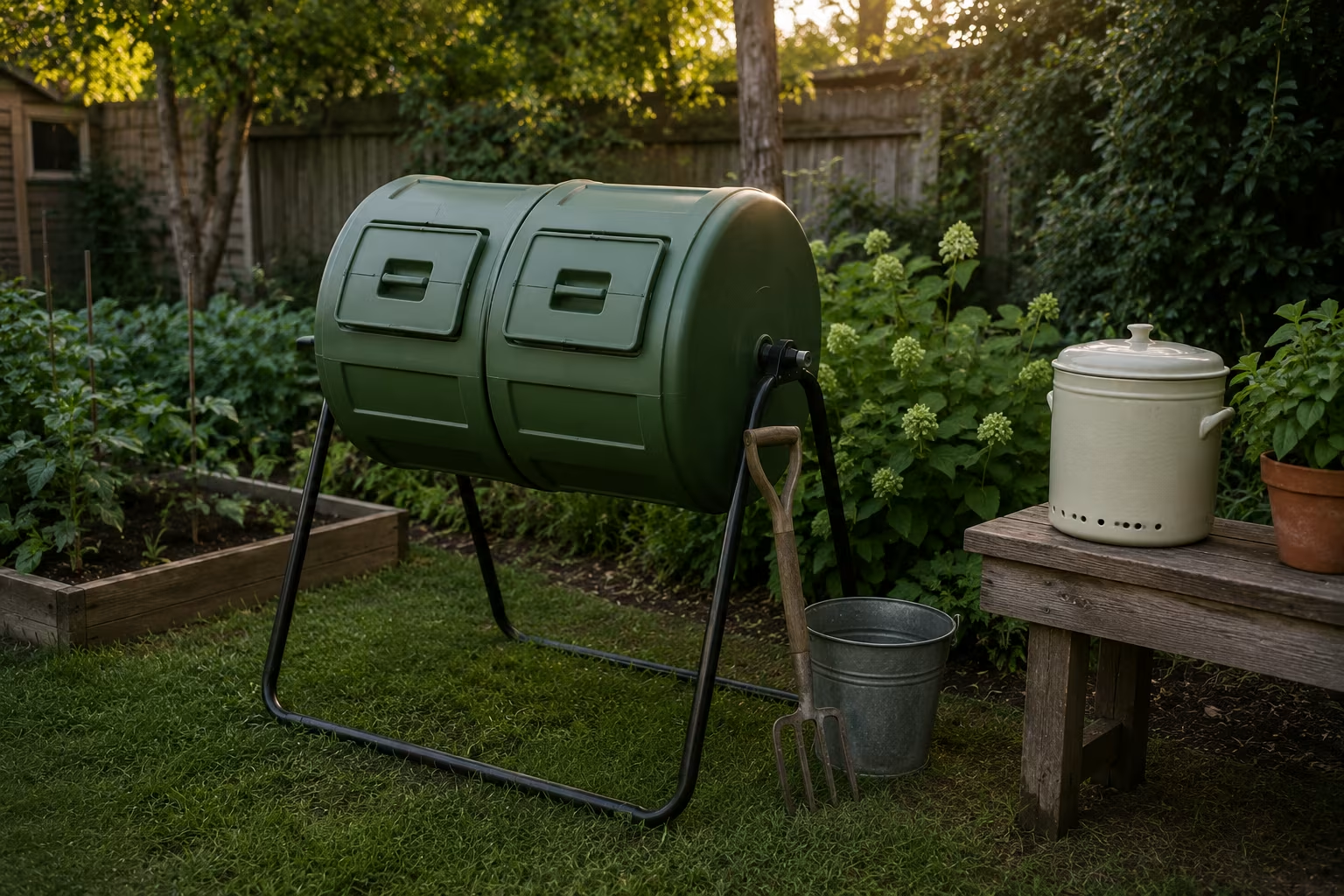
Small-Yard Composting Without Smell or Pests Attracting
Tight backyard, no room for a sprawling pile. The tumbler setup that turns kitchen scraps into...
Hammock Anchor Choice: Tree Straps, Posts, or Stands
Tree straps are flexible but need trees. Posts need installation. Stands are portable but heavy....
Comments
No comments yet. Be the first to share your thoughts!