
Cooking Workshops: Learn Global Cuisines from Scratch
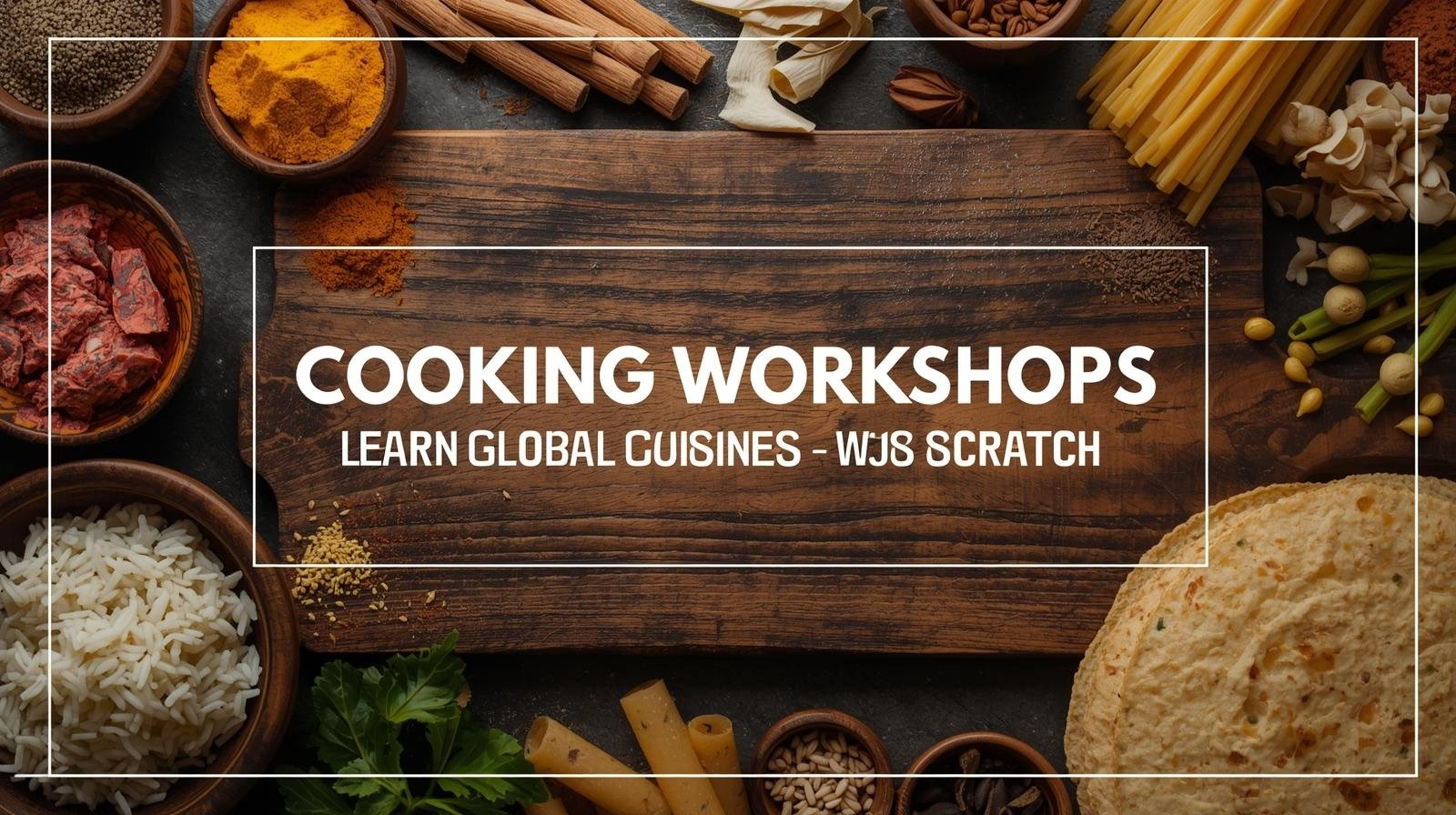
A cooking workshop teaches what a recipe cannot: the feel of dough that has been kneaded enough, the sound of a pan at the right heat, the moment a curry's spices bloom. Watching a video, you guess at these things; in a workshop, an instructor corrects your hands in real time. That difference is why global cuisine classes have grown from niche to mainstream, and it is what you are paying for.
These sessions do more than transfer recipes. Each dish arrives with the history and technique behind it, which is what separates learning to cook a national cuisine from simply following instructions. Below is what to expect, what to bring, and how to pick a workshop worth the money.
What Hands-On Learning Adds
The core value is guided practice. An instructor standing beside you catches the mistakes you cannot see: onions cut too coarse, a pan too cool, a sauce pulled off the heat a minute too late. You also absorb the cultural context that gives a dish meaning, from why a spice is toasted before grinding to how a family meal is traditionally served. Workshops are social by design, putting you among other people who want to cook, and they build genuine kitchen confidence because you leave having actually made the thing, not just watched it. Many also broaden your pantry, introducing ingredients you would never have bought on your own.
The Cuisines You Will Find
Offerings cluster around a handful of consistently popular traditions, each teaching a distinct core skill. Italian workshops center on fresh pasta made from a simple dough of about 100 grams of flour per egg, plus regional sauces. Japanese classes cover sushi rice seasoned with rice vinegar and the long simmer behind a proper ramen broth. Indian spice workshops teach blending and the difference toasting makes, while French pastry classes drill the laminated dough behind croissants, which needs cold butter and patience. Mexican street-food sessions build tacos, salsas, and tortillas pressed from masa; Middle Eastern workshops cover hummus, falafel, and kebabs; and Thai classes train you to balance the four pillars of sweet, spicy, sour, and salty in a single pan. Italian and Japanese remain the most-requested worldwide, largely because their signature techniques reward practice so visibly.
How a Session Usually Runs
Most workshops follow a predictable arc, and knowing it helps you choose the length that suits you. A typical structure looks like this:
- Ingredient introduction. The instructor walks through the key components and why each matters.
- Preparation. Everyone sets up their station, the professional habit known as mise en place, measuring and cutting before any cooking begins.
- Guided cooking. You work through the dish together, with tips offered at each step.
- Tasting and sharing. The group eats what it made, usually the high point.
- Take-home recipes. Printed or digital cards let you repeat the dish later.
Sessions commonly run from two hours for a single dish to a full day for a multi-course immersion. Hybrid formats, mixing an in-person demonstration with online follow-up, have made specialized instructors reachable regardless of where you live.
Tools You Will Actually Use
You do not need a professional kitchen, but a few reliable tools make any class smoother, and they are worth owning for practice at home. A sharp chef's knife and a stable cutting board handle most prep and are safer than dull blades, which slip. Mixing bowls and a set of measuring cups and spoons keep quantities honest, which matters most in baking. A nonstick pan and a heavy-bottomed saucepan cover the majority of stovetop work. Beyond the basics, certain cuisines call for one specialty item: a bamboo rolling mat for sushi, a hand-crank roller for pasta, or a small grinder for whole spices. Add a few airtight containers for leftovers and you are equipped for almost any workshop or the practice that follows it.
Choosing the Right Workshop
With classes ranging from community-center evenings to high-end culinary schools, a few checks narrow the field. Start with the cuisine, picking one that genuinely excites you or pushes past your comfort zone, since motivation carries you through the harder techniques. Match the skill level to your own, as a beginner dropped into an advanced pastry class spends the session lost. Look at the instructor's background; a cook with real ties to the cuisine teaches the context, not just the steps. Decide on format, whether in-person, online, or hybrid, and read past participants' reviews for honest signals about pacing and value. Class size matters too, because smaller groups mean more direct attention on your hands. On price, community centers and cultural associations often run affordable sessions that cost a fraction of a professional school while teaching the same fundamentals.
Keeping It Going at Home
A workshop only pays off if you cook the dish again while the technique is fresh. Stock the handful of pantry staples each cuisine leans on, such as good soy sauce and rice vinegar for Japanese food or whole cumin, coriander, and turmeric for Indian, so the ingredients are never the obstacle. Repeat a new dish within a week, then start adjusting it to your own taste and dietary needs, which is how a recipe becomes yours rather than the instructor's. Hosting a themed dinner gives you a deadline and an audience, both of which sharpen the effort. Keep brief notes and a photo of each attempt to track what improved, and once a dish feels solid, move on to another cuisine to build a genuinely varied repertoire. The habit of staying curious and cooking often is what turns a single class into real skill in the kitchen.
The anatomy of a session:
| Stage | What happens |
|---|---|
| Ingredient introduction | why each component matters |
| Mise en place | measure and cut before any heat |
| Guided cooking | the instructor corrects your hands in real time |
| Tasting and sharing | the group eats what it made |
| Take-home cards | repeat the dish later |
| Length | 2 hours for one dish → a full day for multi-course |
| A ratio you will hear | fresh pasta: ~100 g flour per egg |
Related Posts
Workshop Air Compressor Sizing: CFM and SCFM
Air compressor matched to your tools means smooth work; too small means constant waiting. CFM...

Workshop Dehumidifier Sizing for Tool Rust Prevention
Tools rust silently when shop humidity sits over 60%. The pint capacity that matches your shop...
Bench Vise Sizing and Mounting for First-Time Buyers
Bench vises bolted to scrap plywood pull right out. The right size for the work, the right...
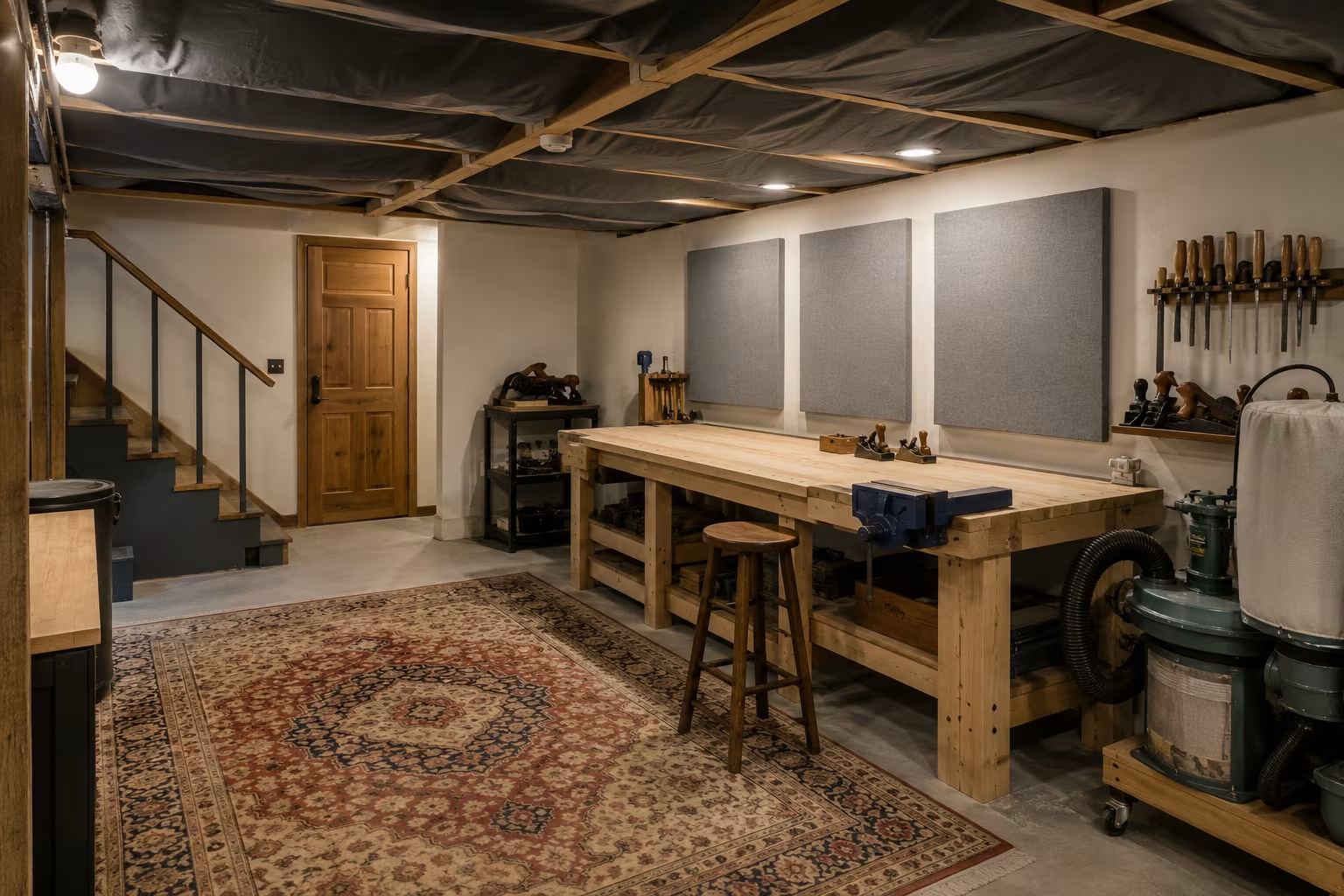
Soundproofing a Basement Workshop on a Renter's Budget
Basement shop noise traveling up to the family room is how you lose workshop privileges. The...
Comments
No comments yet. Be the first to share your thoughts!