
Handmade DIY Gifts That Everyone Will Love
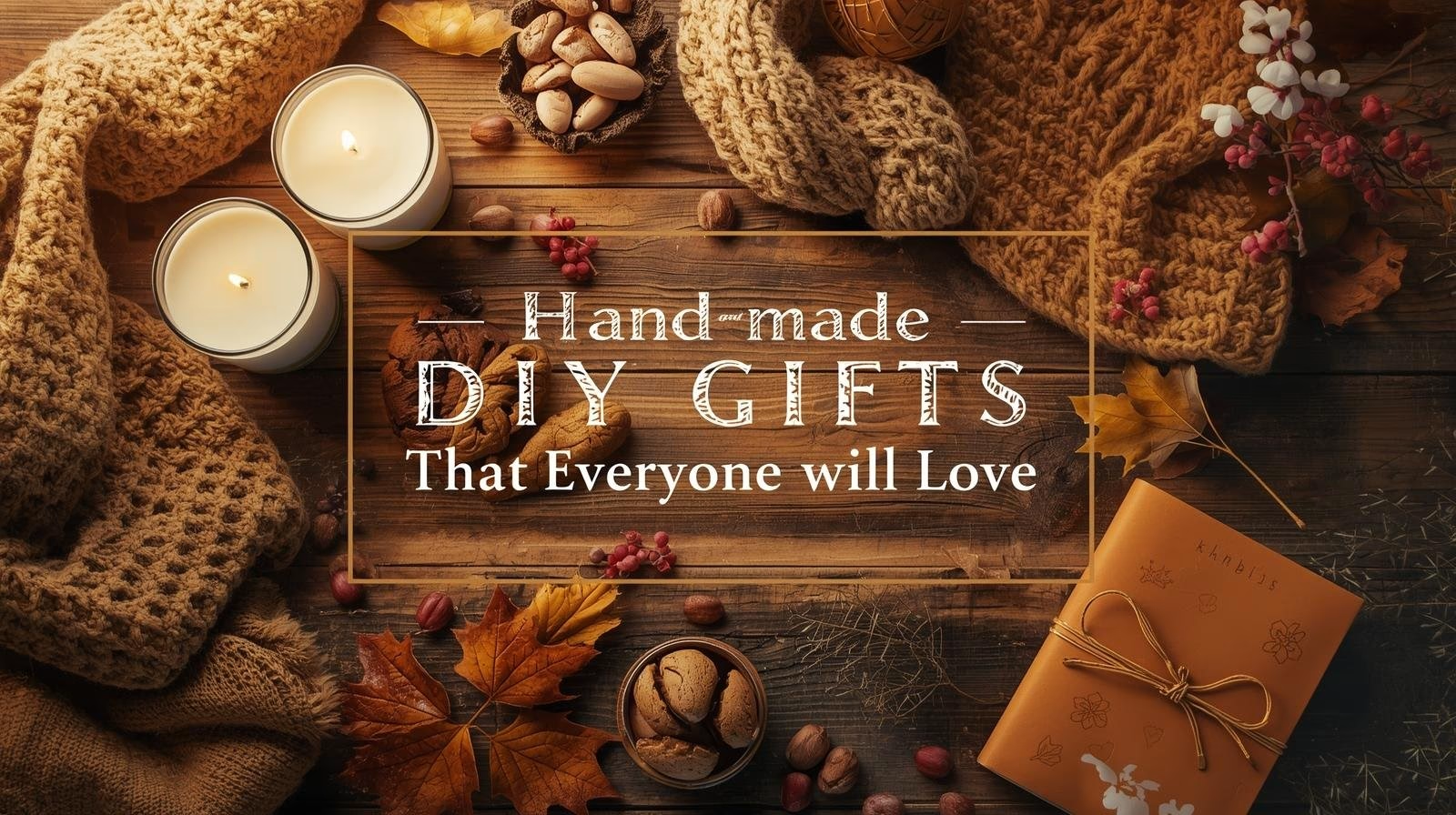
A handmade gift carries something a store-bought one rarely does: evidence of the hours behind it. It is also usually cheaper. A poured soy candle costs roughly $3-5 in materials against $20 or more at retail, and a batch of soap works out to well under a dollar a bar. This guide covers gifts you can make with common supplies, the measurements and timings that matter, and how to finish each one so it looks deliberate rather than improvised.
Why Handmade Gifts Land Well
Beyond the personal touch, handmade gifts give you control over cost and materials. You choose the scent, the color, the size, and whether it uses recycled or new components. The making itself is a large part of the appeal, working with your hands is a low-stakes way to unwind, and the result is genuinely one of a kind. The practical points below matter most: a candle needs the right wick for its diameter, soap needs a skin-safe base, and baked goods need packaging that survives transport. Get those details right and an inexpensive project reads as thoughtful.
Poured and Melted Gifts
Candles and soap are the two most reliable first projects because both use a melt-and-pour method with a short, predictable process.
Personalized Candles
You need soy or beeswax, a wick sized to your container, a fragrance or essential oil, and a heat-safe vessel like a mason jar or tin. Melt the wax in a double boiler to about 170-180°F, remove from heat, and stir in fragrance at roughly 6-10% of the wax weight (about 1 ounce of oil per pound of wax). Let it cool to around 130-140°F before pouring so the finished surface stays smooth. Center the wick, pour, and leave it undisturbed for several hours to set. Match the wick to the jar width, a wick rated too small tunnels down the middle instead of melting the full surface. The technique pairs naturally with essential oil scenting found elsewhere in the home.
Handmade Soap
Melt-and-pour soap base skips the caustic lye step of cold-process soap making, making it safe for beginners and kids under supervision. Cube the base, melt gently in short bursts, stir in skin-safe fragrance and a natural colorant (turmeric for gold, cocoa for brown, clay for muted tones), and pour into molds. Bars firm up in one to two hours. Wrap each in kraft paper with a simple label.
Two mistakes account for most disappointing batches. Overheating the base, either candle wax past 185°F or soap boiled instead of gently melted, scorches the fragrance and dulls the color, so use low heat and a thermometer. And skipping the cure or set time leaves candles with sunken tops and soap that sweats; give both the full listed time undisturbed before wrapping.
Keepsakes and Assembled Gifts
Not every gift needs a stove. Some of the most valued ones are assembled or decorated rather than manufactured, which makes them accessible to anyone.
- Photo scrapbook: print favorite shared photos, arrange them in a blank album with washi tape and handwritten captions, and leave the last few pages empty so the recipient can keep adding.
- Coffee or tea basket: fill mason jars with ground coffee or loose tea, add a hand-painted mug and a jar of honey, and weave a container from fabric scraps or recycled cardboard instead of buying a basket.
- Personalized journal: take a plain notebook, cover it in fabric or paint, add a ribbon bookmark glued into the spine, and write a line on the first page.
- Wall art: a hand-lettered quote, a small abstract watercolor, or pressed-flower frames made with a thrifted frame keep costs near zero.
Textiles and Baked Gifts
If you knit or crochet, a scarf is among the most cherished handmade gifts, and it is beginner-friendly if you keep the pattern simple. A basic garter-stitch scarf needs about 200-300 yards of worsted-weight yarn and US size 8 (5 mm) needles; expect 8-15 hours depending on length and your pace. Choose a color that suits the recipient and add a small tag with their initials.
Baked gifts are the fastest route for non-crafters. Chocolate chip cookies, banana bread, homemade granola, and cupcakes all travel well when packaged right. The presentation is what elevates them: a decorated tin or jar, a ribbon, and a handwritten recipe card so the recipient can make them again. Because food gifts are meant to be eaten within days, deliver them fresh rather than making them far ahead.
A layered dry-mix jar is a middle ground between craft and food: measure the dry ingredients for cookies or hot cocoa into a clean quart mason jar in visible bands, seal it, and tie the baking instructions to the lid. It keeps for weeks, needs no baking on your end, and looks considered. The same jar approach works for bath salts and loose tea, which is why a few clean jars are worth keeping on hand.
Packaging and Matching the Occasion
Packaging is where an inexpensive gift starts to look considered. Kraft paper, twine, and a custom label give almost anything a coherent, handmade look; dried flowers or a sprig of herb tucked under the twine adds a finishing detail. Wrap candles and soap so the scent is protected, cushion baked goods so they arrive intact, and keep labels legible and simple.
Fit the gift to the moment. Candles, scarves, and scrapbooks suit birthdays and the holidays; small potted succulents or coffee baskets work for colleagues because they are thoughtful without being personal; bath products and a memory scrapbook lean romantic for an anniversary or Valentine's Day. Bath salts are a quick self-care gift, three parts Epsom salt to one part baking soda, scented with a few drops of essential oil and dried lavender, sealed in a jar. The through-line across all of these is the same: modest materials, a clear process, and a finished detail that shows the time you put in. That is what a recipient remembers long after another gift card is forgotten.
Temperatures and quantities that make or break the batch:
| Gift | Key number | Why |
|---|---|---|
| Soy candle | melt to 170–180°F, pour at 130–140°F | fragrance 6–10% of wax weight; overheating past 185°F scorches it |
| Candle economics | $3–5 in materials | versus $20+ retail |
| Garter-stitch scarf | 200–300 yards worsted, US 8 (5 mm) needles | expect 8–15 hours of knitting |
Related Posts

Toilet Seat Slow-Close Hinge Replacement
A broken slow-close hinge makes the toilet seat slam or fail to stay up. Replacement is a...

Drywall Corner Bead Replacement After Damage
Damaged drywall corners with dented or split corner bead show ugly visible damage. The...
Strip Painted Brass Hardware Without Eating the Patina
The slow-cooker method strips paint from brass cleanly while keeping the aged surface intact....
Bathtub Resealing: When Silicone Beats Caulk and Vice Versa
Reseal a bathtub right: 100% silicone at the flexing tub-to-tile joint, acrylic caulk only on...
Comments
No comments yet. Be the first to share your thoughts!