
How to Create Beautiful Pressed Flower Frames for Your Home
A pressed flower frame turns a single bloom, from a bouquet, a garden, or a memorable walk, into wall art that holds its color for years. The pressed flower craft needs almost no equipment: heavy books, absorbent paper, and patience will get you results, and the whole cost can be under a few dollars if you already own a frame. This guide covers which flowers press well, how to press and dry them, and how to arrange, glue, and frame the finished pieces so they last.
Why It Is Worth Doing
A pressed bloom is a tangible, preserved moment rather than another digital photo, and it costs almost nothing to make. Cosmos from a relative's garden, a sprig from a wedding bouquet, or a leaf from a hike all become keepsakes you cannot buy in a store. The active work is short; the value comes from choosing the right flower and giving it the drying time it needs.
Choosing and Preparing Blooms
The single biggest factor in success is flower choice. Thin, flat, low-moisture flowers press cleanly and dry fast, which limits the browning and mold that ruin thick, juicy blooms. A large rose pressed whole tends to turn into a moldy mess; a viola flattens perfectly.
| Flower or material | Examples | Why it works (or does not) |
|---|---|---|
| Thin-petaled flowers | Pansies, violas, cosmos, daisies, single-petal roses | Low moisture, flatten easily, dry quickly |
| Small to medium blooms | Buttercups, forget-me-nots, small zinnias | Manageable size presses evenly |
| Naturally flat foliage | Ferns, small leaves, herbs | Add texture and hold shape well |
| Thick, dense blooms | Large dahlias, chrysanthemums, full roses | Hold too much moisture; brown or mold |
Timing matters as much as the flower. Gather blooms on a dry, sunny day, ideally late morning after the dew has evaporated; flowers picked wet or just after rain trap moisture and brown during pressing. Choose blooms that are fully open but not fading, snip them with a short stem, and avoid any with blemishes or bug bites, since those flaws are amplified once pressed. Transport them lying flat in a basket or box rather than crammed in a bunch, so they reach the press uncrumpled.
Supplies You Will Need
Gather everything before you start so the process runs smoothly.
- Heavy books such as encyclopedias or thick textbooks, plus a few extra to stack on top
- Absorbent paper: blotting paper, parchment, or plain white copy paper; avoid textured or printed paper that can transfer to petals
- Picture frames, including double-glass "floating" frames if you want the flowers to appear suspended; thrift stores are a good source
- Tweezers for handling brittle, dried flowers
- Clear craft glue such as PVA or Mod Podge, applied with a toothpick
- Cardstock or watercolor paper for backgrounds
Pressing Methods
The heavy-book method. Open a thick book to the middle and lay down a sheet of absorbent paper. Arrange the flowers without overlapping, giving each a little space, then cover with a second sheet, close the book carefully so nothing shifts, and stack more heavy books on top. The pressure squeezes out moisture while the paper wicks it away. It is slow but reliably produces flat results.
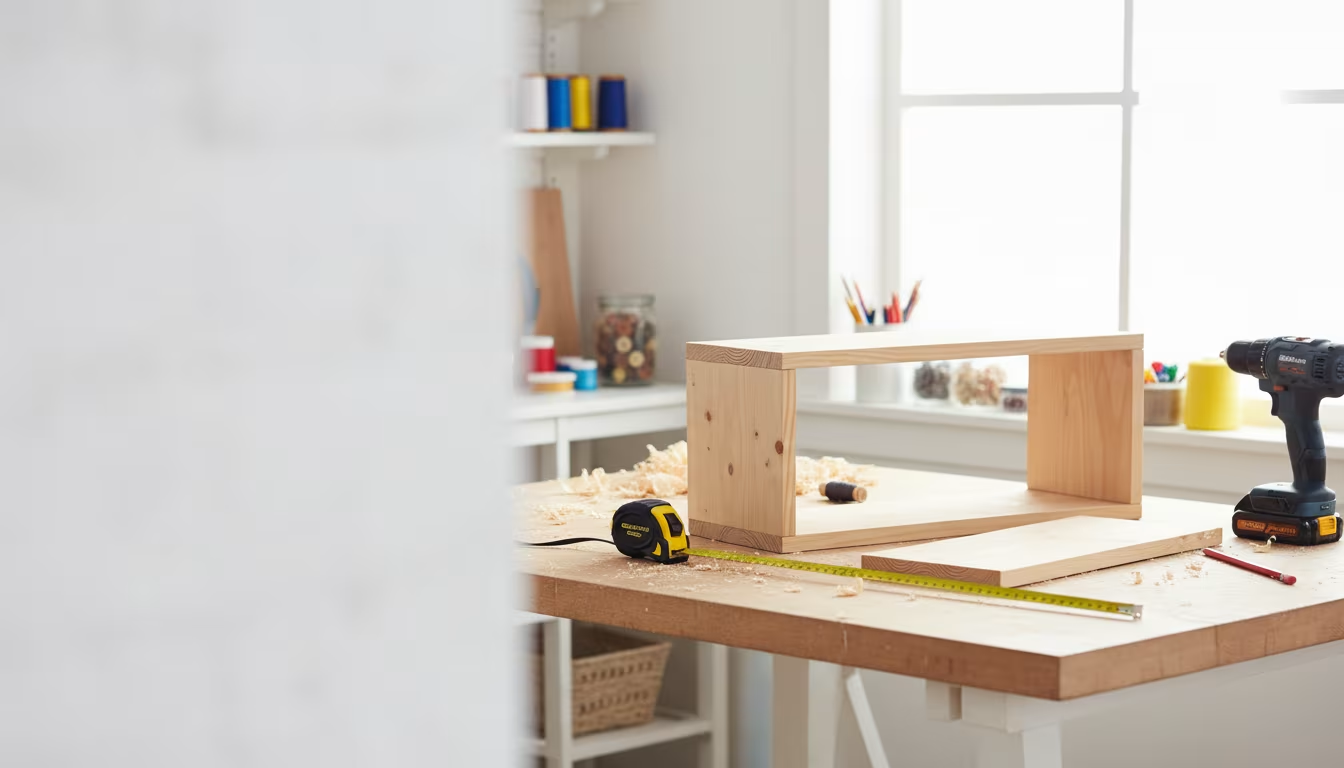
A DIY wooden press. If you press often or want more even pressure, a simple press pays off. Cut two pieces of plywood, drill a hole in each corner, and run four bolts with wing nuts through them. Layer corrugated cardboard and absorbent paper between the boards, sandwich the flowers, and tighten the wing nuts evenly. It handles larger batches and gives consistent pressure; materials run about $10 and an hour or two to build, and it pairs well with basic woodworking skills.
The waiting stage. Most flowers need two to four weeks to dry fully. Resist opening the press early, since that reintroduces air and moisture and disrupts flattening. Check after about a week, then every few days; if the absorbent paper feels damp, replace it with dry sheets, which is especially important in humid climates. The flowers are ready when they feel dry and papery, hold their shape when lifted, and are no longer soft or pliable. Handle them with tweezers from this point on.
Arranging and Framing
Before gluing anything, dry-arrange the flowers on your background until you find a composition you like. Place larger elements first, then fill in with smaller flowers and leaves, and leave deliberate empty areas; the negative space around the blooms is as important to the design as the blooms themselves. Photograph a few options to compare before committing.
To secure the flowers, apply a tiny dab of clear glue with a toothpick to the back of each bloom, focusing on the stem or thicker parts, and press it gently into place. Too much glue seeps out and shows. Once everything is glued and dry, assemble the frame: a double-glass floating frame needs no backing paper, while a standard frame takes the background with the flowers laid into it and the backing secured behind.
Sealing is optional but extends color life, especially for pieces near indirect light. After the glue dries, mist the arrangement with a UV-protective clear matte sealant made for art, applied in a ventilated space per the can's instructions. Alternatively, a thin coat of Mod Podge over the whole arrangement acts as both adhesive and sealant, though some finishes dry slightly glossy, so test on a scrap first.
Common Mistakes and Fixes
Not enough pressure. Wrinkled or shriveled flowers mean too little weight. Add more books or tighten the press, and make sure the weight is spread evenly across the whole surface.
Picking wet flowers. Blooms gathered after rain or with dew still on them brown or grow mold as trapped moisture ferments. Always pick on a dry day in late morning; if unsure, let them air-dry indoors for an hour or two out of direct sun before pressing.
Impatience. Pulling flowers out early leaves them damp, so they curl or go limp on contact with air. Wait the full two to four weeks, check sparingly, and confirm they feel crisp-dry before removing them.
Too much glue. A large dollop bleeds through petals and leaves a discolored mark. Use a pinpoint amount on the thicker parts of the flower.
Sunlight exposure. Direct sun fades pressed flowers over time. Hang frames in indirect light, or use UV-protective glass or a UV-resistant sealant if a sunnier spot is unavoidable.
Frequently Asked Questions
How long do pressed flowers last?
With good drying and framing, they can hold their look for many years, sometimes decades. The main factors are how thoroughly they were dried and how much light they get; keep them out of direct sun to preserve color.
Do I need a dedicated flower press?
No. Heavy books and absorbent paper give excellent results and remain the go-to method for small projects. A press mainly helps with larger batches or more uniform pressure.
Can I press flowers from a florist?
Yes, as long as they are fresh, fully open, and dry. Florist flowers sometimes carry more moisture or have been treated, so they may dry slower or need more frequent paper changes.
Which frames work best?
Double-glass floating frames highlight the delicate blooms by making them appear suspended, while standard frames with a mat or cardstock background also work well. Thrift stores are a reliable source of characterful frames.
How do I keep them from molding?
Pick dry flowers, apply consistent pressure, and let the absorbent paper wick moisture away. In a humid climate, change the paper every few days through the first week to pull moisture out fast.
To start, press a handful of thin blooms this week and set them aside; a home garden bed or a resource like a university yard and garden extension can help you identify which flowers in your area press best. In two to four weeks you will have your first sheet of pressed flowers ready to arrange and frame.
Related Posts
Beginner Pottery Wheel Speed for Centering
Centering clay needs high wheel speed and firm pressure. Most beginners use too low speed.

Calligraphy Ink Comparison for Cotton Paper
Modern dip pen calligraphy needs ink that doesn't bleed on absorbent cotton paper. India ink...
Knitting Needle Materials Compared: Wood vs Metal vs Plastic
Knitting needle material changes how stitches slide, how cold or warm the needle feels, and how...
Beginner Watercolor Paper Choice for Textured Washes
Watercolor paper is the single biggest gear decision a beginner makes. Weight, surface texture...
Comments
No comments yet. Be the first to share your thoughts!