
Patching Drywall Anchor Holes Without Sand-Through Halos
The short answer
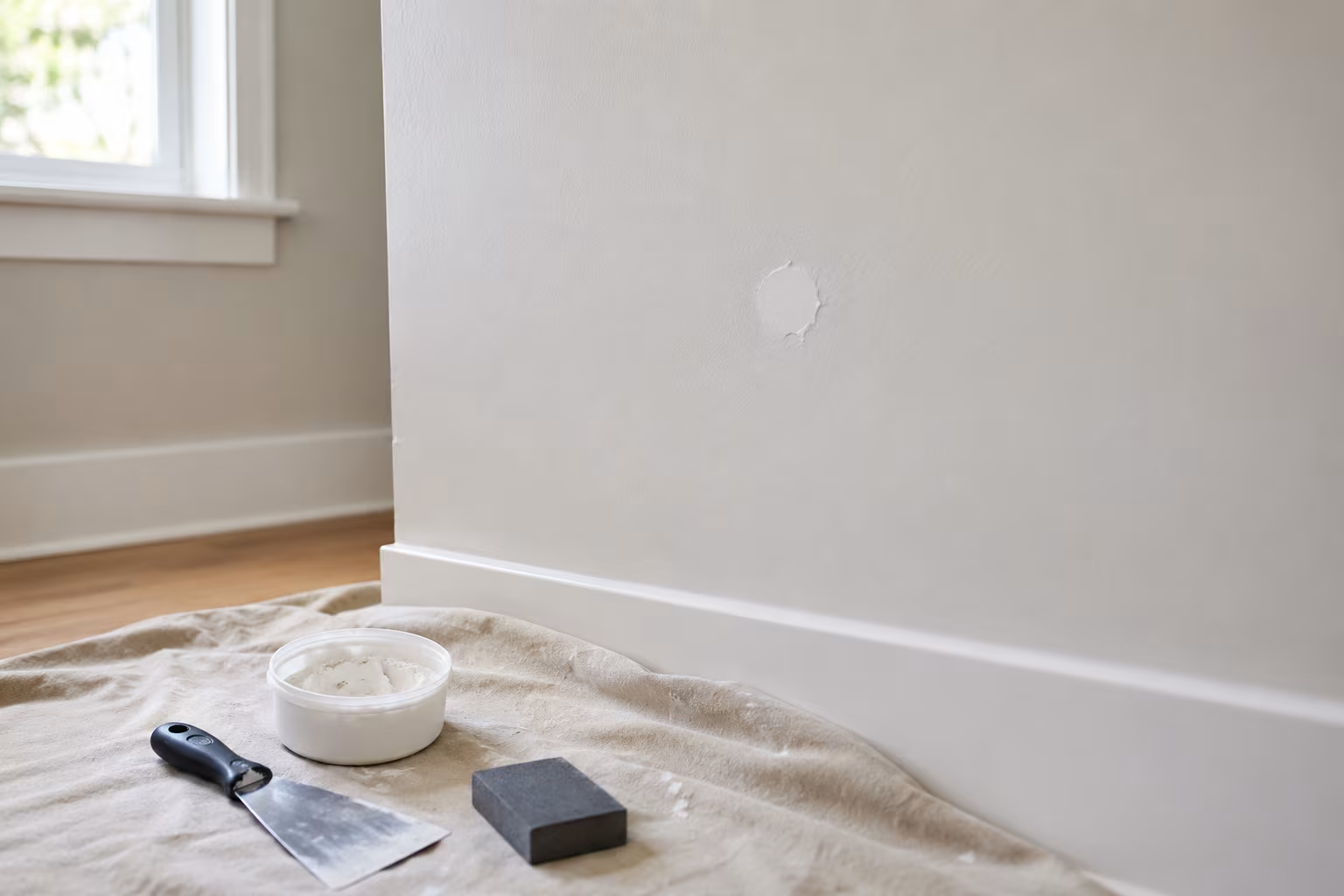
Halos appear when a patch is sanded into the surrounding drywall, leaving a shallow depression that reads as a shadow once the paint dries. Avoid them with four small steps: apply spackle in two thin coats rather than one thick one, sand only the patch and not the wall around it, prime the patched area before painting, and feather the touch-up paint several inches wider than the patch. Most visible patches come from three specific mistakes: overfilling in one pass (the fill shrinks and dimples), sanding until the patch disappears (which thins the drywall paper around it), and painting only the patch instead of blending new paint into old. Correct those three and the repair vanishes under paint.
Why a quick smear fails
Anchor holes run from about a quarter inch for small picture hooks to half an inch for toggle bolts and snap-toggles. The hole has torn paper around its rim and often a lip of paper hanging into the cavity. Smear spackle over that and three failures line up. The torn paper telegraphs through as a texture irregularity. Lightweight spackle is mostly air and water, so a single thick fill shrinks as it cures and leaves a small dimple. And the older surrounding paint no longer matches the fresh paint you brush over the patch, so the repair reads at a different sheen. Each fault is minor on its own; together they show up as a lighter or darker disc, the halo.
The two-coat spackle method
Lightweight spackle (DAP DryDex, 3M Patch Plus Primer, Red Devil OneTime, or a similar consumer product) is the right filler for anchor holes. It sands easily, dries in 20 to 40 minutes, and the pink-when-wet, white-when-dry versions signal their own cure. Before filling, trim any tattered paper flush with a sharp utility knife, scoring around the tear rather than pulling it wider, since clean edges fill cleaner.
For holes up to a quarter inch, load a 2-inch putty knife and push spackle into the cavity rather than over it, then skim flush, leaving the fill very slightly proud rather than low. For holes between a quarter and a half inch, stuff a small wad of paper towel or kraft paper in first as a backer so the spackle has something to grip and cannot fall through, then fill over it. Let the first coat cure until the indicator turns white. It will have shrunk a little, so apply a second thin coat to bring the patch flush or barely proud, skimming at a shallow angle to feather the edges into the wall, and let it dry.
Sanding discipline, where halos are born
Sand only the patch. Use a 220-grit sanding sponge and very light pressure, smoothing the fill and its edges without removing material from the patch or the wall. The halo-forming mistake is bearing down around the edges to blend them: hard sanding wears through the paper face of the surrounding drywall and leaves a shallow ring that shows as a shadow once painted. A patch left slightly proud disappears under primer and paint; a patch left recessed needs a third thin coat. Slightly proud always beats slightly recessed. Wipe the dust off with a dry microfibre cloth, since wet-wiping smears spackle dust into the paint and creates its own halo.
Priming the patch
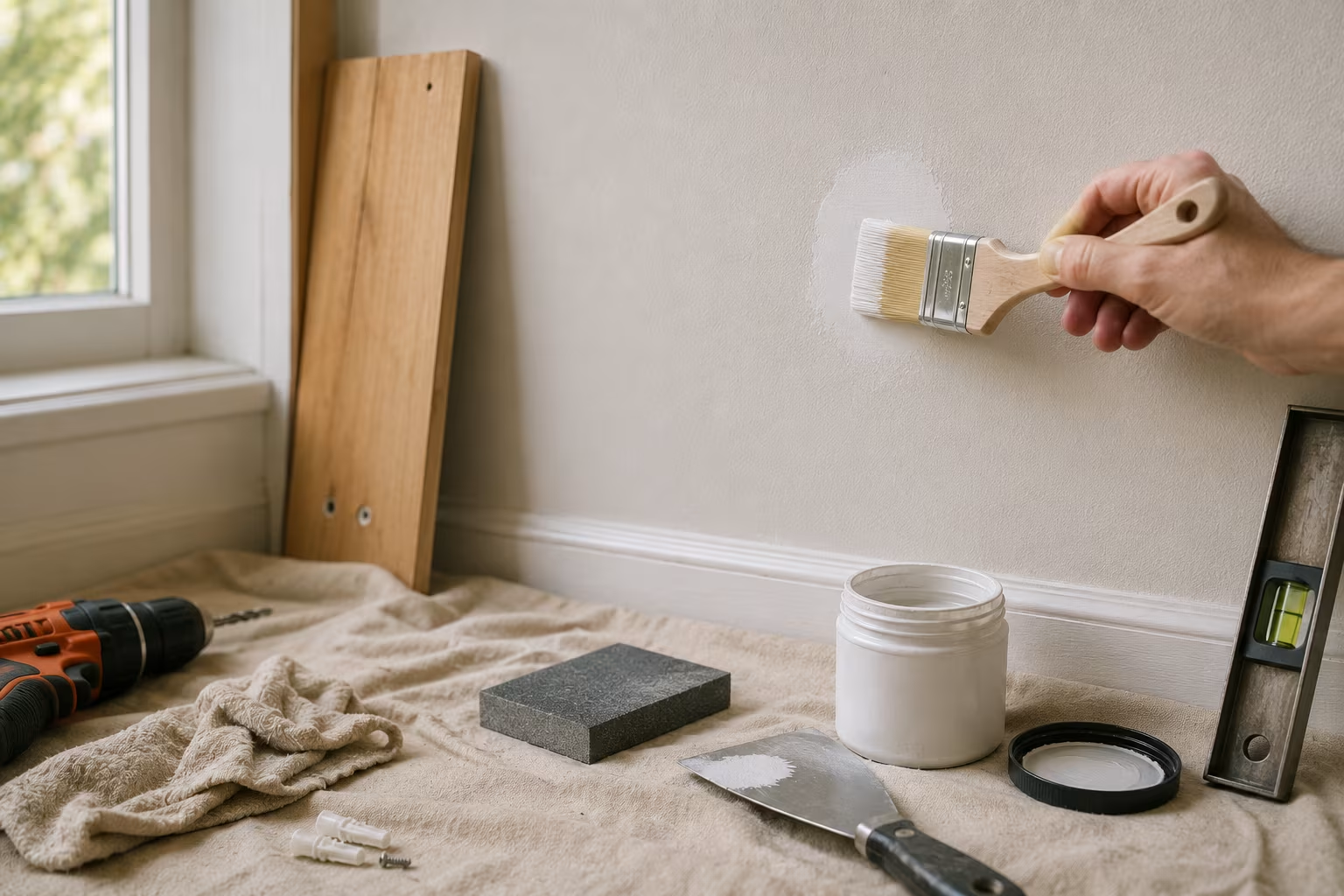
Cured spackle is more porous than the painted wall, so finish paint soaks into the patch and dries matte while the surrounding paint holds its sheen: the colour matches but the lustre does not. A coat of latex primer over just the patched area seals the fill, equalises porosity, and gives the finish paint a uniform surface. Brush it on or use a 2-inch foam roller and let it dry 30 to 60 minutes. Products labelled "patch plus primer" get close and beat bare spackle, but an explicit primer coat still produces the most invisible result. Over a dark wall, tint the primer toward the wall colour so white primer does not ghost through the first finish coat and force multiple coats to cover.
Feathering the touch-up paint
The final coat is where the patch truly disappears, or stays visible because the painter hit only the patch. Use the wall's own paint, ideally from the same can; if it is gone, have the store match a fresh chip cut from the wall. Roll or brush the paint over the primed patch and extend it 2 to 3 inches beyond on all sides, easing pressure on the last strokes so the edge feathers rather than stopping in a hard line. If a second coat is needed, almost always on darker colours, use slightly less paint and feather even wider, since the progressive feathering hides the boundary between new and old paint. In practice a half-inch hole ends up with a 6- to 8-inch painted zone: the patch in the middle, primer an inch past it, then finish paint 2 to 3 inches further with progressively lighter coverage at the edges. That larger blended area is correct; the visible halo problem is a hallmark of small stingy touch-ups, and aggressive feathering on a slightly bigger footprint is exactly what defeats it. Keeping a small labelled bottle of each room's wall colour makes this step a five-minute job rather than a trip back to the paint counter for a fresh match.
Wall texture and finish sheen
Smooth drywall takes patches most easily because the fill only has to match a flat plane; textured walls need the texture rebuilt after the patch is flat. For orange peel or knockdown, spray a little aerosol texture compound over the primed patch, let it partially dry, and for knockdown flatten it with a trowel held at a shallow angle after 30 to 60 seconds; practise on cardboard first. Leave popcorn ceilings alone unless you are confident with texture spraying, because the repairs tend to fail visually and pre-1980 popcorn may contain asbestos, which is a professional's job.
Sheen also decides how forgiving the wall is. Flat hides patches best and suits bedrooms and ceilings; eggshell, the most common interior finish, blends well with careful priming and feathering; satin shows sheen differences more readily; and semi-gloss and gloss (trim, doors, kitchens, baths) almost always reveal a patch as a disc unless the priming and feathering are meticulous. For a renter facing many holes, dropping from eggshell to flat at the next repaint hides patches at the cost of one repaint, a real and sometimes worthwhile trade.
Scaling up, old walls, and a basic kit
A first-timer can patch 3 to 6 small holes in a session before the technique starts to slip on the second coat, the sanding, or the touch-up, so spread bigger jobs across two or three sessions and use the required dry time between coats as the break. For a renter facing 20-plus holes at move-out, a patch-everything approach that accepts faintly visible patches, or a professional service, is often the honest answer, since quality at scale is harder than quality on a few carefully finished holes.
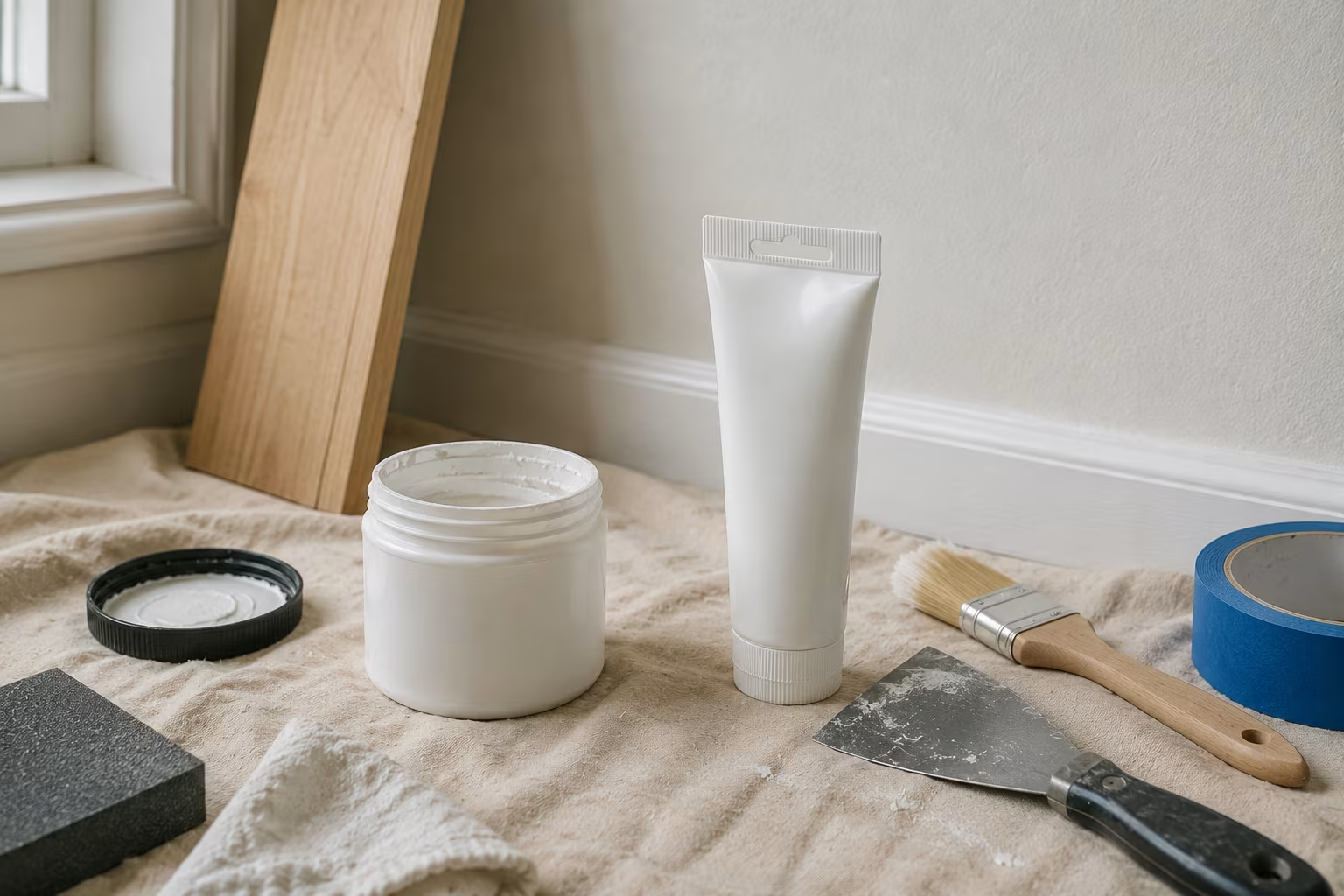
The kit that pays for itself the first time you skip the handyman is modest: an 8-oz tube of lightweight spackle, a 2-inch and a 4-inch putty knife, a pack of 220-grit sanding sponges, a small jar of primer, touch-up paint matched to each room, and a few foam rollers. Add a couple of aerosol texture cans (orange peel and knockdown) for move-out scenarios, plus a small assortment of spackle in white for light walls and pre-tinted for dark ones. Most of this fits in a small toolbox and returns its cost the first time you patch instead of paying a handyman.
Wet-set patches on a deadline
When there is no time to cure, a renter facing an immediate move-out or a quick fix before guests, wet-set drywall patch products (3M Patch Plus and similar) skip the dry-and-sand cycle. Apply the material to the hole, smooth it with a putty knife, and let it dry an hour or two; the product is engineered to dry flat without shrinkage, so it often needs only a light sand before primer and paint. These cost more per patch than basic spackle but save four to six hours of cycle time. For an occasional one-room job they are a luxury; for someone repairing dozens of holes against a deadline, they are the right call.
Older walls that complicate the patch
Walls with several layers of old paint absorb new paint at different rates, so the patched area can finish at a different sheen even with proper priming. If you suspect multiple layers, lightly test-sand a small area first; stripes of different colours confirm it, and the fix is a higher-build or stain-blocking primer that gives the finish paint a uniform substrate. On any wall built before about 1980 with unknown history, test for lead with a swab kit before disturbing the surface. If lead is present, the safe answer is to encapsulate rather than sand: paint over without disturbing the old surface, accepting that the patches may read slightly more visibly. The whole difference between a competent patch and an invisible one is the willingness to do four short steps where one would technically work: two thin coats, patch-only sanding, a primer pass, and a feathered touch-up wider than the patch.
The halo-free patch schedule:
| Step | Time / spec | Note |
|---|---|---|
| Fill | push spackle IN, then skim | 2-in knife; pink-to-white formulas signal cure |
| Dry | 20–40 minutes | lightweight spackle |
| Sand | 220-grit sponge, light pressure | never dig into surrounding paint |
| Prime | 30–60 min dry | brush or 2-in foam roller, an inch past the patch |
| Paint | feather 2–3 in beyond | half-inch hole → ~6–8 in painted zone |
Related Posts

Toilet Seat Slow-Close Hinge Replacement
A broken slow-close hinge makes the toilet seat slam or fail to stay up. Replacement is a...

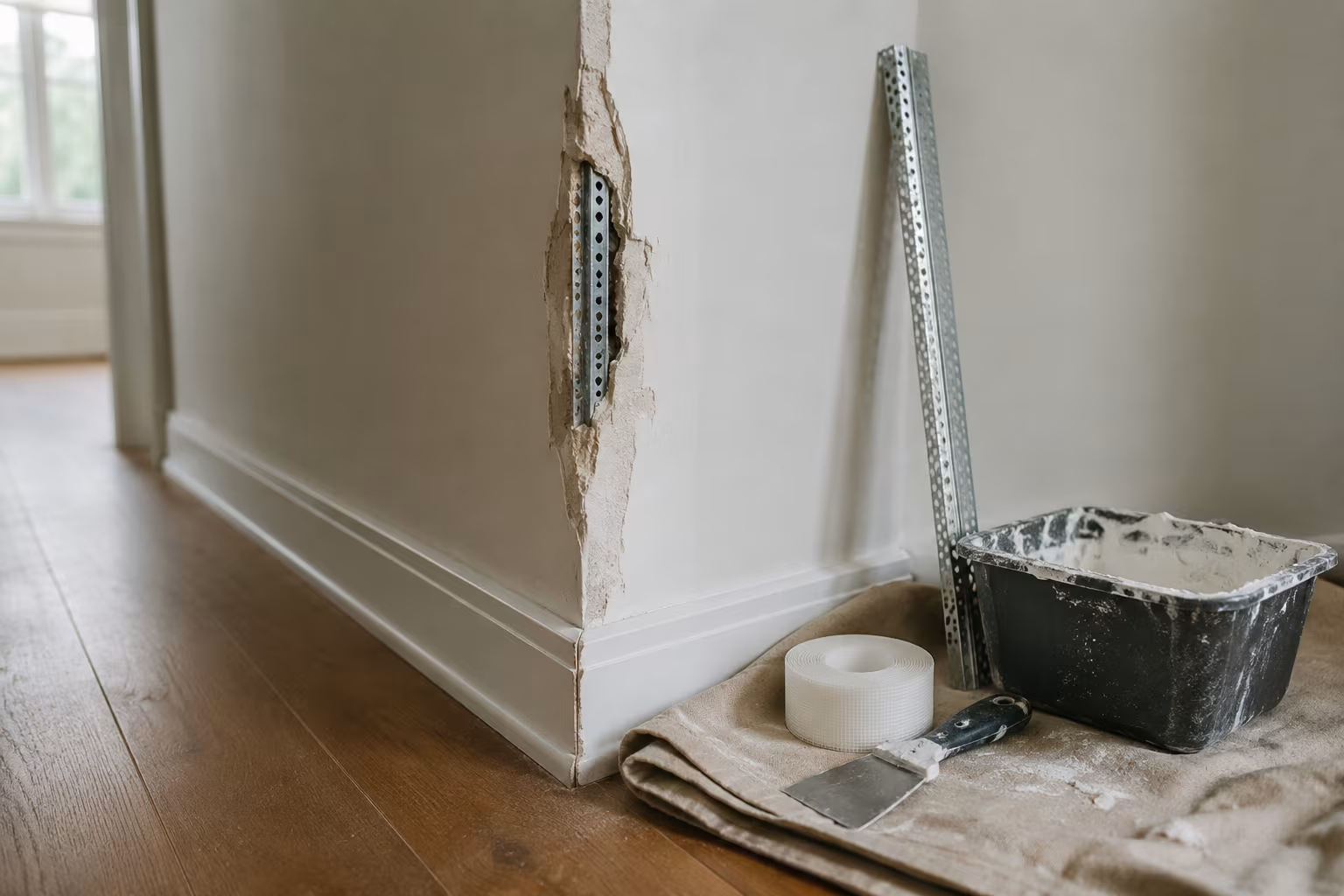
Drywall Corner Bead Replacement After Damage
Damaged drywall corners with dented or split corner bead show ugly visible damage. The...

Strip Painted Brass Hardware Without Eating the Patina
The slow-cooker method strips paint from brass cleanly while keeping the aged surface intact....
Bathtub Resealing: When Silicone Beats Caulk and Vice Versa
Reseal a bathtub right: 100% silicone at the flexing tub-to-tile joint, acrylic caulk only on...
Comments
No comments yet. Be the first to share your thoughts!