
Replacing a Cracked Bathroom Tile Without Re-grouting
The short answer
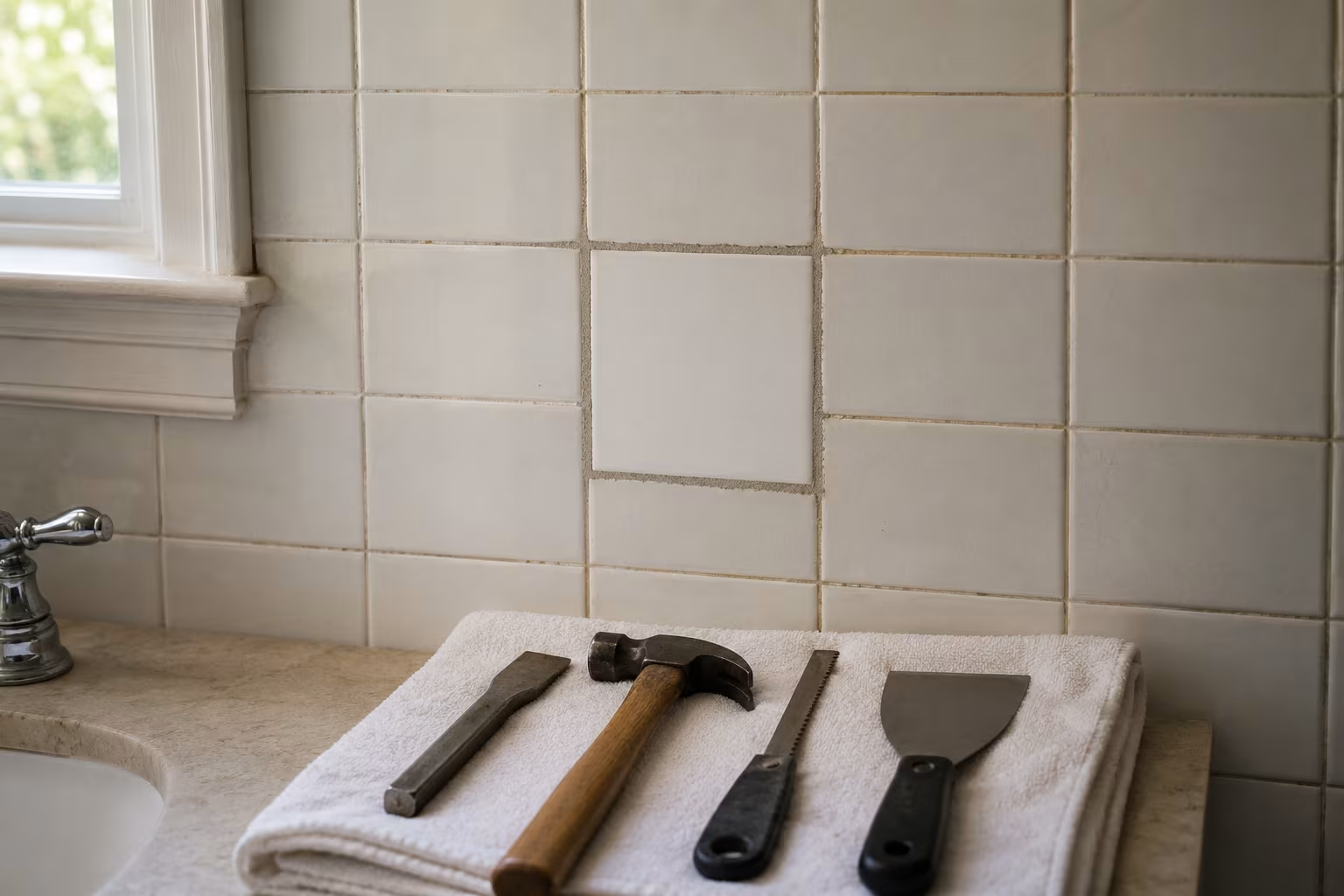
A single cracked tile can be replaced without disturbing a neighbour or re-grouting the wall, and the job wants patient hand tools rather than power tools. Score the four grout joints around the cracked tile with a utility knife, saw the grout out, break the tile from its centre outward with a cold chisel held at a shallow angle, scrape the old adhesive off the bed, set the new tile in fresh thinset, let it cure, and grout only the four edges. Done carefully the patch is invisible except up close and the surrounding grout stays intact; done fast with a rotary tool or oscillating cutter, it chips adjacent tiles and the small repair becomes a large one.
Match the tile, match the grout, gather tools
Confirm an exact replacement first. Match the surface (matte versus glossy), the size to within 1/16 inch, and the colour as closely as possible; tile lots vary even within one SKU, so a stored leftover from the original install is the best source, and failing that, take a shard to a tile store for the nearest match. Check the grout too, because new white grout beside twenty-year-old white reads clearly different, so test a little on a hidden spot if the contrast matters. A grout colourant can later tint old grout toward the new, or the new toward the old, if they end up slightly off.
| Tool or material | Job it does |
|---|---|
| Sharp utility knife | Score the four grout joints |
| Hand grout saw (carbide) | Grind grout out of the joints |
| Cold chisel, 3/4 to 1 in | Break the tile out from the centre |
| Carbide drill bit | Drill a relief hole to start the chisel |
| Ball-peen or club hammer | Drive the chisel in light taps |
| Putty knife or scraper | Clear old thinset from the bed |
| Thinset or pre-mixed mastic | Bed the new tile |
| Matching grout and rubber float | Fill the four new joints |
| Grout sealer, safety glasses | Seal the joints and protect the eyes |
Removing the cracked tile
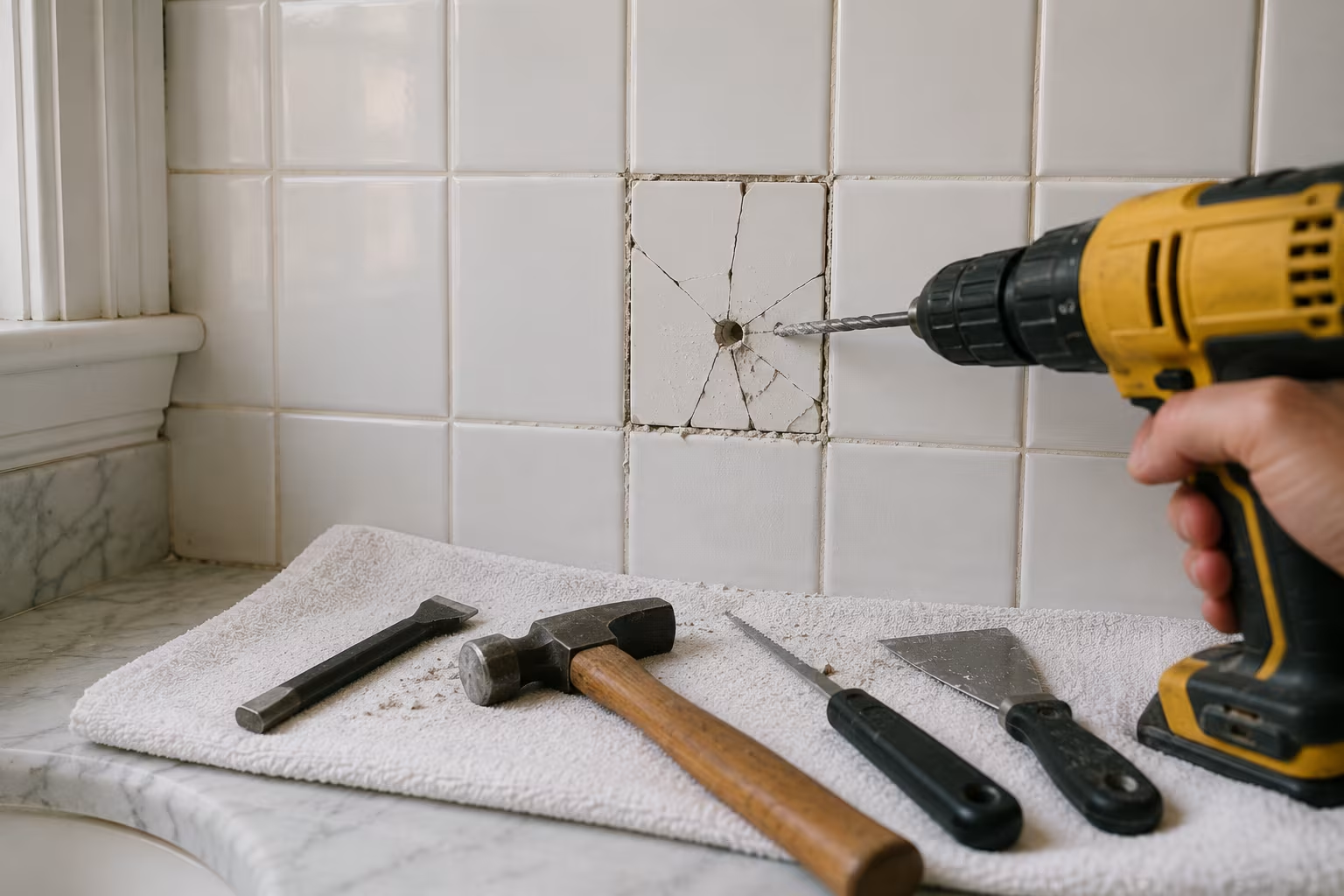
Run the utility knife along each of the four joints several times, deepening the cut a little per pass until you have a clean V-cut about 1/16 inch deep on each side. This separates the tile's perimeter from the grout so removal cannot pull at neighbours. Then work a hand grout saw down each joint until you reach the back, with the blade aligned to the joint, since angling it into an adjacent tile makes it catch and pull. Vacuum the dust often so you can see, and check the corners for residual grout, which grabs during removal.
Drill a hole through the centre of the cracked tile with a carbide bit, slowly and without hammer-drill mode, to give the chisel an entry point. Seat the cold chisel in that hole at roughly 30 degrees pointing inward, toward the tile's centre and away from neighbours, and tap with the hammer. The tile fractures outward in wedges; pull them with a putty knife and work from the centre out so the force stays inside the broken tile. The slow chisel beats any power tool here: an oscillating multi-tool or rotary tool is faster but routinely chips the tiles you are trying to save, which is why professionals keep power tools off single-tile swaps.
Setting and grouting the new tile
Once the tile is out, the bed underneath (cement board, mortar bed, or drywall in older installs) still carries old thinset or mastic. Scrape it flat and clean with a putty knife or a 1-inch chisel held flat, because any high spot makes the new tile sit proud and any chunk in a corner tilts it so it will never sit flush with its neighbours. Wipe with a damp sponge and let it dry. Use pre-mixed mastic for a dry wall and thinset mixed from powder for floors or wet areas, following the label for the application. Butter the back of the tile with a small notched trowel, fully but lightly so adhesive does not squeeze into the joints, and press it in. Run a finger across the joints to feel for height, since a proud tile catches the eye and the fingernail, so push it slightly deeper, and hold the joint widths with small plastic shims until the adhesive sets. Cure per the label, usually 24 hours, before grouting.
Mix only enough grout for four joints and push it in with a rubber-tipped float held at a shallow angle until each joint is full. Wipe the haze off the face with a damp sponge, rinsing often, repeating two or three times as the grout sets. After it cures (24 to 72 hours by product), polish the last haze off with a dry cloth. Once fully cured, brush grout sealer onto only the new joints to cut porosity and staining, wiping any that lands on the tile within a few minutes, and re-seal wet-area joints roughly yearly.
Colour mismatches, wet walls, and calling a pro
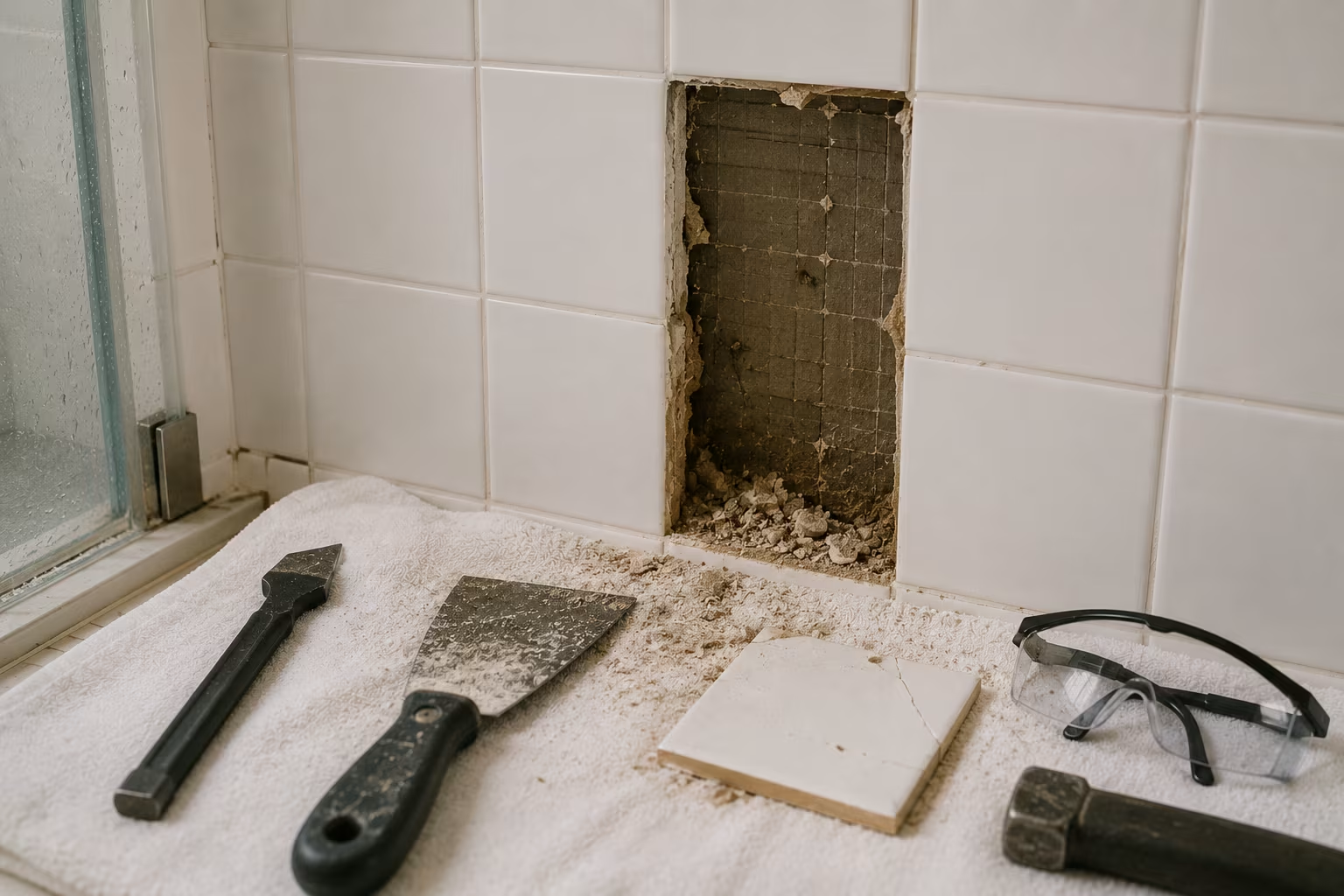
If the replacement tile or the fresh grout reads slightly off, live with it for thirty days, since most small discrepancies fade under normal lighting, and if one still bothers you, spreading the shift across several nearby replacements looks better than one odd square. One or two tiles is a fair DIY project; past 3 to 4 the discipline slips and a pro with the right hand tools is faster. The real caution is wet walls. In a shower or splash zone, a crack can signal water damage behind the tile: standard tile over plain drywall in a wet wall is a code violation in newer work (cement board or a waterproof membrane is correct), and older drywall can absorb water and go soft. If the substrate behind is soft or crumbling, the tile is the small part of a bigger job, and the waterproof layer needs replacing across several tiles, which is pro work; if the substrate is sound, proceed with a wet-rated thinset and grout. Buying 10% extra tile at install and storing the labelled box with its lot number is the one precaution that makes every future swap a perfect match.
Related Posts

Toilet Seat Slow-Close Hinge Replacement
A broken slow-close hinge makes the toilet seat slam or fail to stay up. Replacement is a...

Drywall Corner Bead Replacement After Damage
Damaged drywall corners with dented or split corner bead show ugly visible damage. The...
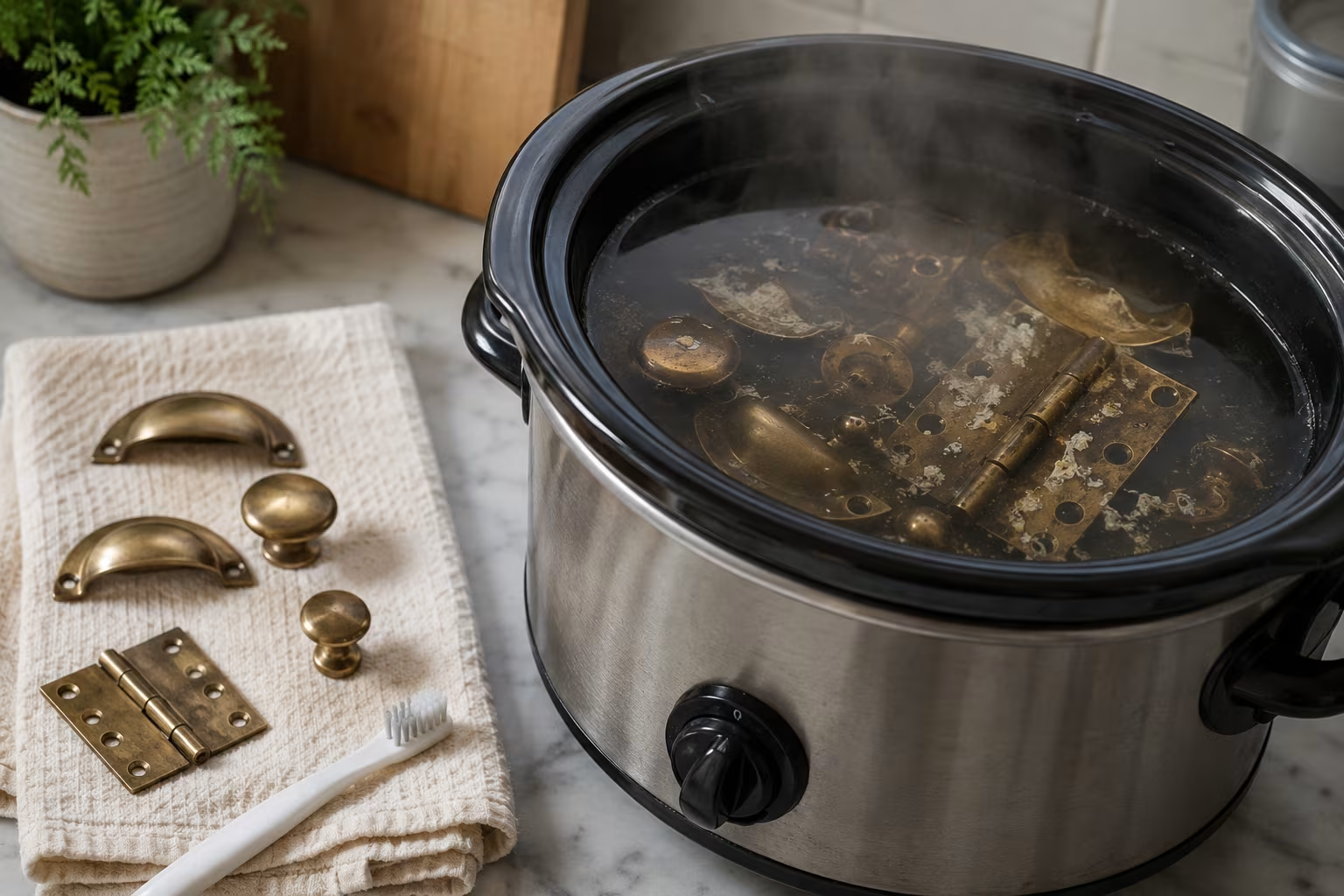
Strip Painted Brass Hardware Without Eating the Patina
The slow-cooker method strips paint from brass cleanly while keeping the aged surface intact....
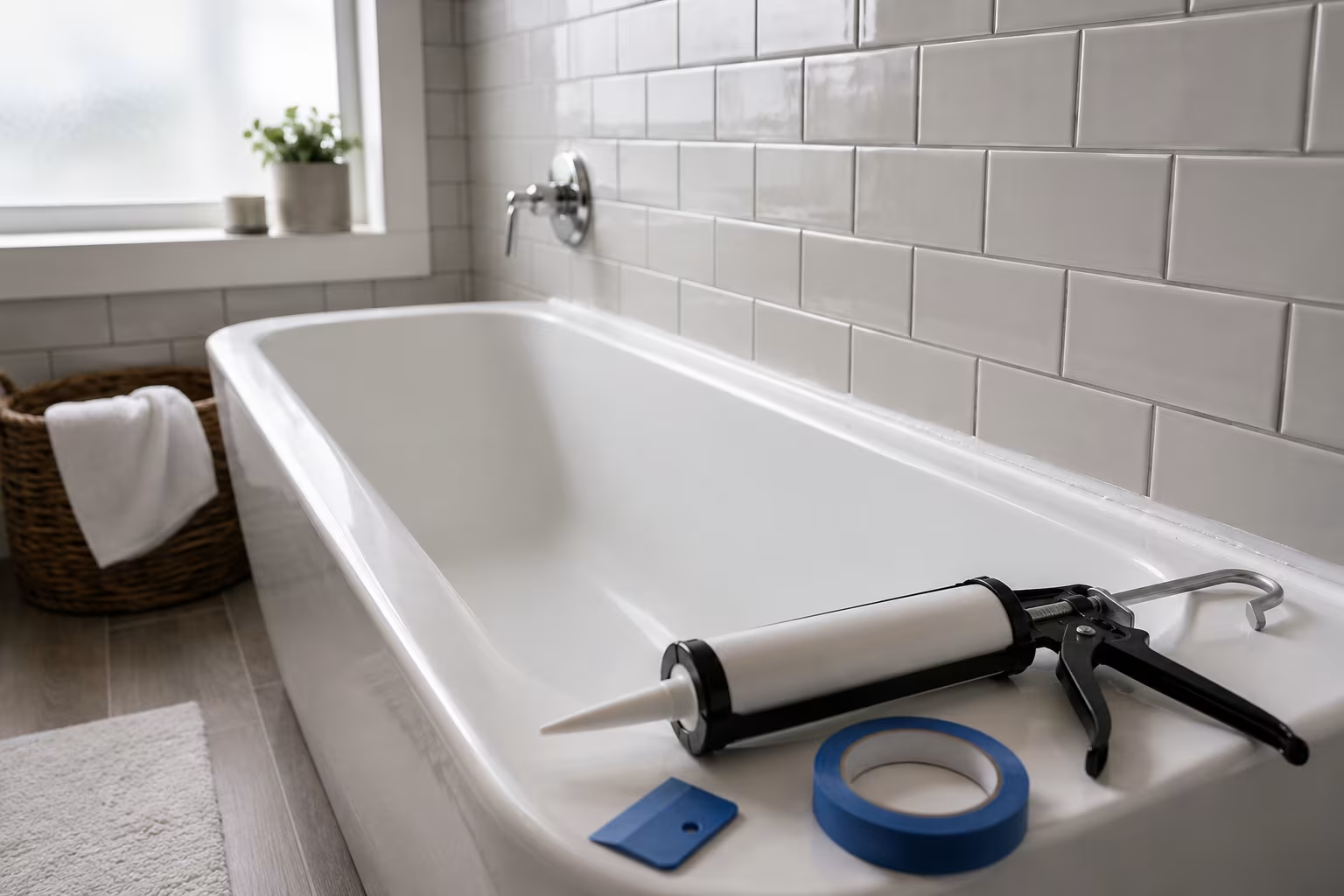
Bathtub Resealing: When Silicone Beats Caulk and Vice Versa
Reseal a bathtub right: 100% silicone at the flexing tub-to-tile joint, acrylic caulk only on...
Comments
No comments yet. Be the first to share your thoughts!