
The Secret to Making Your Home Smell Amazing Without Artificial Sprays
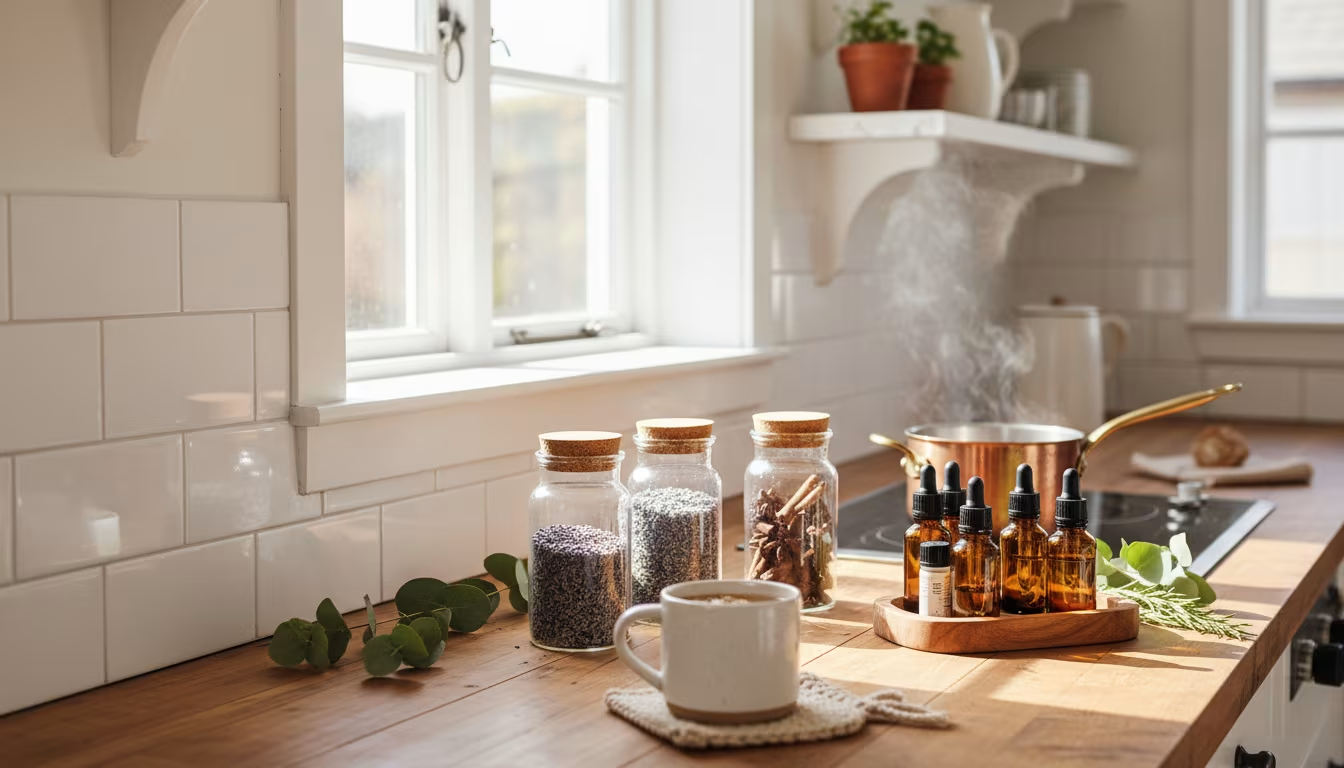
Artificial air fresheners mask odors rather than remove them, and the synthetic fragrance compounds they release can trigger headaches and irritation in sensitive people. Natural methods work differently: they either absorb the source odor or add a genuine plant scent to the air, usually for less money than a shelf of aerosol cans. Everything below uses ingredients most kitchens already hold, plus a few inexpensive essential oils.
Natural scent sources worth stocking
Essential oils are concentrated plant extracts that carry a plant's natural scent, and they are the backbone of natural home fragrance. You do not need a large collection; two or three versatile oils cover most needs.
- Lemon and citrus: bright and clean, and effective at cutting through stale odors. Best for kitchens and bathrooms.
- Lavender: soft, calming, subtly floral. Suited to bedrooms and living spaces.
- Eucalyptus and peppermint: sharp and invigorating; good for entryways.
- Cedarwood and sandalwood: warm, grounded, woody notes for a cozier room.
Oils are not the only route. Fresh flowers or a bundle of eucalyptus branches scent a room while adding a visual element. Dried herbs and spices, cinnamon sticks, whole cloves, and lavender sachets tucked into drawers release scent slowly over weeks. And baking bread or cookies fills a house with a smell no spray reproduces. For background on what essential oils are and how they are extracted, see the Wikipedia entry on essential oils.
Simple methods that work
None of these require special gadgets, and most take under ten minutes to set up.
A bowl diffuser. The easiest option: a small bowl or jar of water with a few drops of essential oil, set in a room. As the water evaporates it carries the scent. Refresh the water every day or two.
DIY room spray. Fill a glass spray bottle with distilled water, add a splash of witch hazel or vodka to help the oil disperse, then add your oils. Start with 10 to 20 drops per 4 ounces of liquid, shake before each use, and spritz. Lavender and chamomile make a calming blend; lemon and rosemary lean toward focus.
Simmer pot. Fill a small saucepan with water, add sliced oranges, cinnamon sticks, cloves, and a sprig of rosemary, and simmer gently on the stove for a few hours, topping up the water and never leaving it unattended. Apple slices with cinnamon and a little nutmeg is another reliable mix.
Scented sachets. Fill small fabric pouches with dried lavender buds, cedar shavings, or dried orange peel and a couple of drops of oil on a cotton ball. These are ideal for drawers, closets, and cars, and a batch of orange-peel-and-cinnamon sachets keeps a linen closet fresh for months.
Absorbing odors and cleaning with scent
Adding a pleasant smell only goes so far if a real odor source is still present, so pair emitters with absorbers. Baking soda is the workhorse here: an open box in the fridge, or a sprinkle worked into carpet before vacuuming, pulls odors out of the air. Add a few drops of essential oil to the baking soda for a light scent on top of the deodorizing.
Cleaning is another chance to build scent in rather than spray it on afterward. A few drops of lemon or tea tree oil in a vinegar-and-water solution cuts the vinegar smell and leaves a fresh note; a little oil in the mop bucket carries through a whole floor. Ground coffee works as a targeted absorber too: an open jar of grounds in a musty cupboard or a small bag in the trunk of a car pulls stubborn odors within a day or two, and activated charcoal does the same job scent-free for closets and shoe racks.
Some houseplants help as well. Jasmine, gardenia, and citrus plants offer fragrant blooms, while snake plants and spider plants filter common indoor pollutants even without a scent. Match the plant to the light it will get, since a citrus plant starved of sun rarely flowers, and confirm any plant is pet-safe before bringing it into a home with animals.
Common mistakes
The most frequent error is going too heavy on essential oils. More is not better; an overpowering scent is harder to live with than a faint one, and some oils irritate at high concentration. Start light, because you can always add another drop but cannot pull one back.
The second mistake is expecting one pleasant scent to cover a genuinely bad smell. Natural methods shine on mild staleness or as an added note; a persistent odor from trash, a damp spot, or mildew has to be cleaned at the source first. Third, leaning on a single method dulls fast. Rotating between a simmer pot one day and a room spray the next keeps a home smelling fresh instead of one-note.
Frequently asked questions
Which essential oils are safe around pets?
Many oils, especially citrus, tea tree, and eucalyptus, are toxic to cats and dogs. Research each oil and check with your vet before using it near pets, and keep diffusers and sprays out of their reach.
Can I use tap water in diffusers and sprays?
Distilled or filtered water is better. Tap water carries minerals that clog diffusers and leave residue in spray bottles, and distilled water helps the scent last.
My DIY spray fades within an hour. Why?
Lighter oils dissipate quickly. Add a heavier base note such as patchouli or sandalwood, increase the oil ratio slightly, or simply refresh the spray more often.
Is this genuinely cheaper than store-bought fresheners?
Over time, yes. A single bottle of essential oil makes dozens of room sprays or lasts months in a diffuser, usually costing less per use than aerosols and plug-ins.
A last practical note: match the scent to the room's job. Bright citrus suits a kitchen or bathroom where you want a sense of clean, while lavender or cedarwood belongs in a bedroom where the goal is calm. Pick one method to try this week, a simmer pot on a cool evening or a small batch of room spray, and build from there once you see how much a single natural scent changes a room.
The room-spray starting recipe:
| Element | Amount | Note |
|---|---|---|
| Essential oil | 10–20 drops | per 4 ounces of liquid |
| Before each use | shake | oils separate on standing |
| Adjust | add drops gradually | easier to strengthen than to dilute |
Related Posts
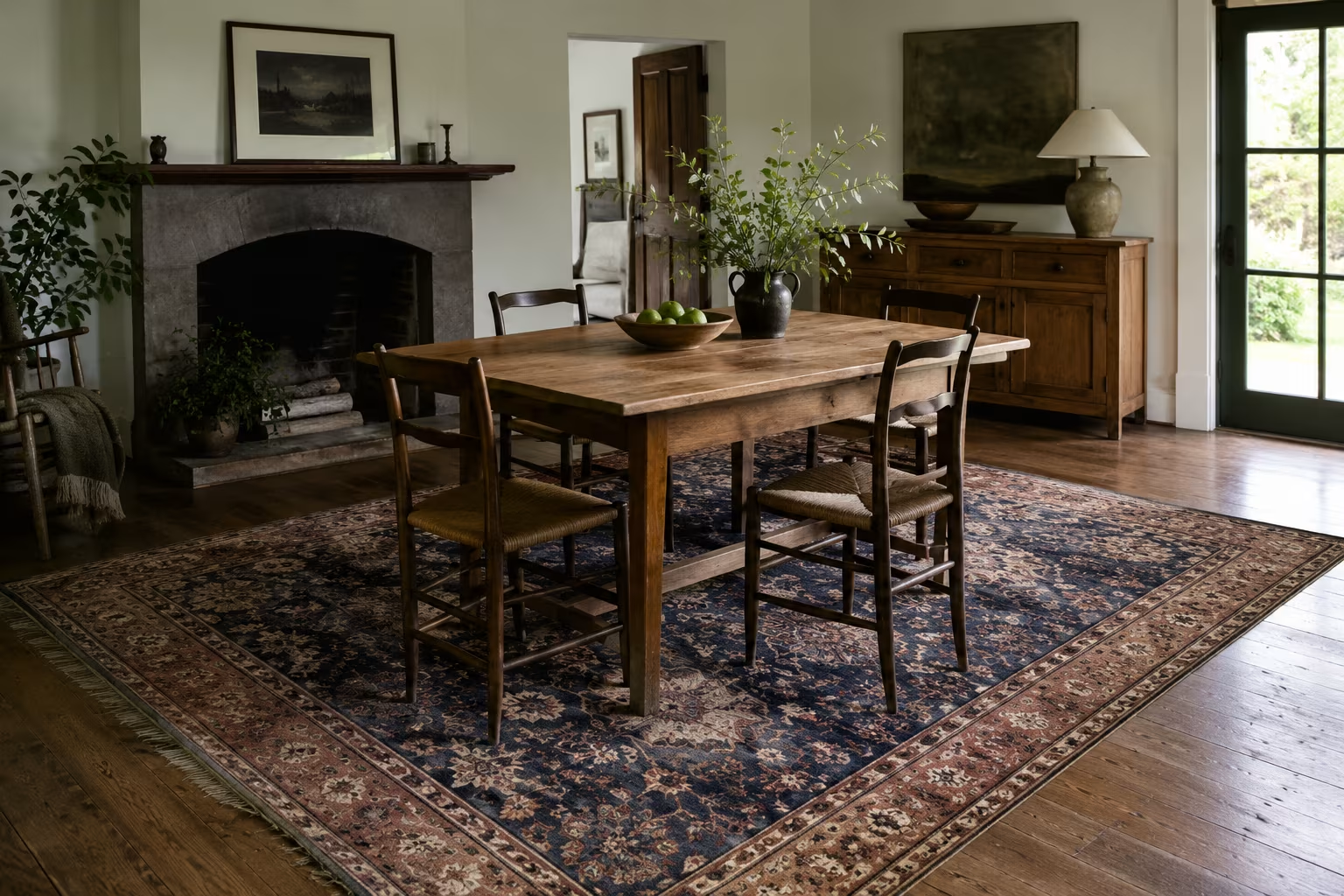
Area Rug Size Under Dining Table
A rug too small under dining table looks like a mistake. Chairs must stay on rug when pulled out.


Sofa Pillow Combinations That Don't Fight
Throw pillows pile up over years. Rules for color, texture, pattern, and size.
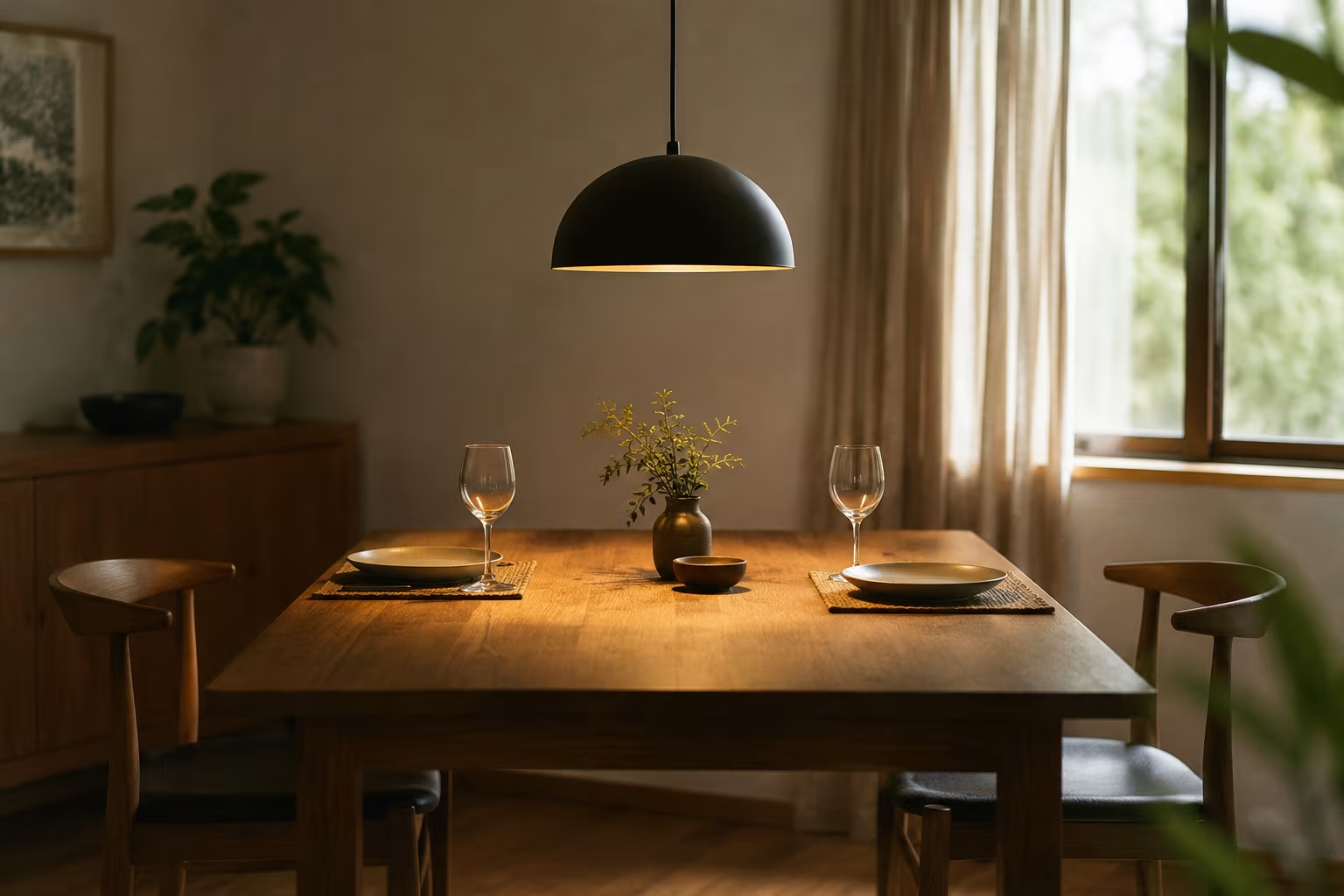
Light Fixture Height Over Dining Table: The Rule
The right pendant light height over a dining table is calculated, not guessed. The standard...
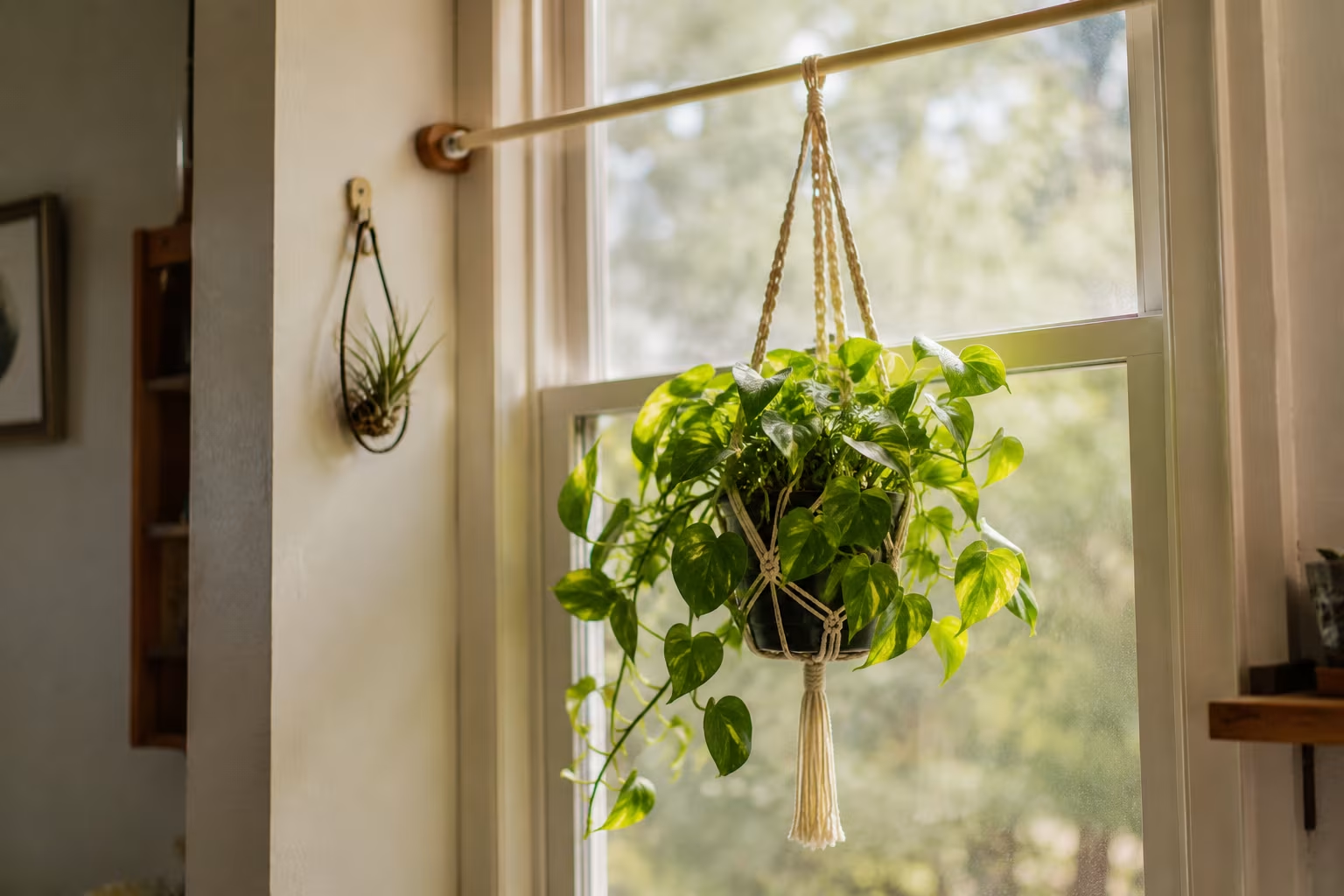
Hanging Plants Without Ceiling Hooks for Renters
Hanging plants brighten any room but drilling into the ceiling isn't always an option....
Comments
No comments yet. Be the first to share your thoughts!