
Lampshade Sizing: Harp, Bulb, and Drum Math Explained
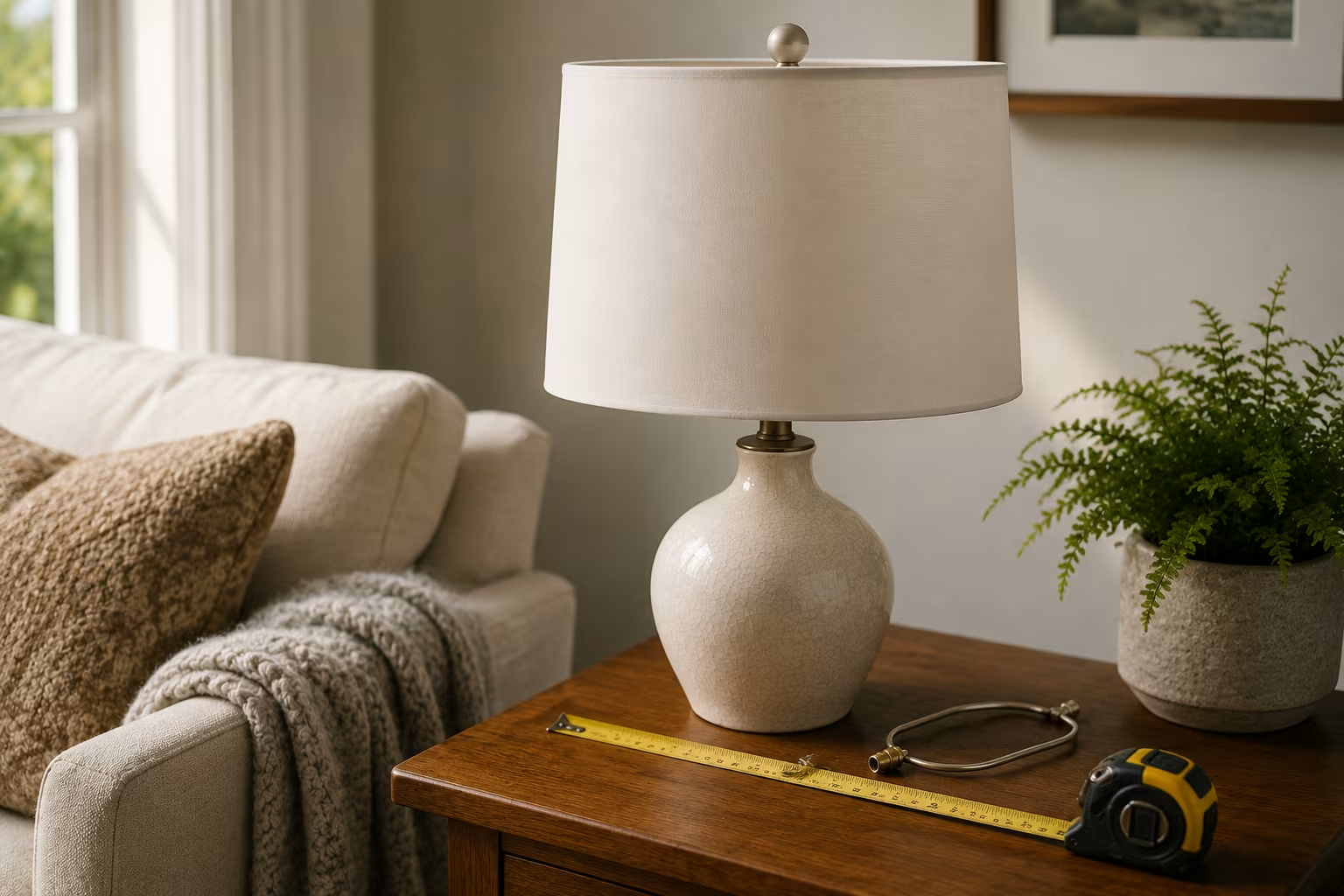
The three measurements that decide fit
Three numbers decide whether a lampshade fits: harp height, shade height, and bulb clearance. The shade should be roughly as tall as the harp so the harp hides inside and the bulb sits centred, with at least 3.5 inches of clear space between an incandescent bulb and the shade's inside walls (less for cooler-running LED). Drum diameter is the other half: a table lamp's shade bottom should be about twice the base's widest point and its height about one-third the lamp's total height. Get the proportions right and the lamp reads as a designed object; get them wrong and it looks pinched or top-heavy in any style. A shade is one of the highest-leverage interior swaps per dollar, and the terminology below (harp, slant, drum versus empire) is the same used in any lampshade reference.
Measuring the harp
The harp is the metal U that carries the shade above the bulb. Measure its height from the saddle (where it clips into the socket) to the top of the U, excluding the finial that screws on top. Standard harps run 4 to 15 inches in half-inch steps; most table lamps use a 9- or 10-inch harp, floor lamps 12 to 15. To change height, squeeze the harp at the saddle, lift it out, and drop in the new size; harps are cheap and worth keeping a couple of spares. The right harp is 1 to 2 inches shorter than the shade, so the shade comes down just over the top of the U with the bulb centred inside.
Measuring the shade and bulb clearance
Shade dimensions read as Top Diameter x Bottom Diameter x Slant Height; 6 x 12 x 9 means a 6-inch top, 12-inch bottom, 9-inch slant. Equal top and bottom is a drum (straight sides); a smaller top is an empire (flared). Slant height is the diagonal of the side, not the vertical drop, so for a drum they are equal while for an empire the slant runs slightly longer. When ordering, bottom diameter and slant height are the two numbers that determine fit; the top diameter shapes character only.
For clearance, subtract the bulb diameter from the shade's narrowest inside diameter and halve the result: that is the gap on each side. Under 3.5 inches with an incandescent bulb is a scorch and discoloration risk, so switch to an LED (some rated for 1 to 2 inches) or a wider shade. Check the vertical gap too, since a bulb poking above the top opening is both unsafe and unsightly.
Sizing the shade to the base
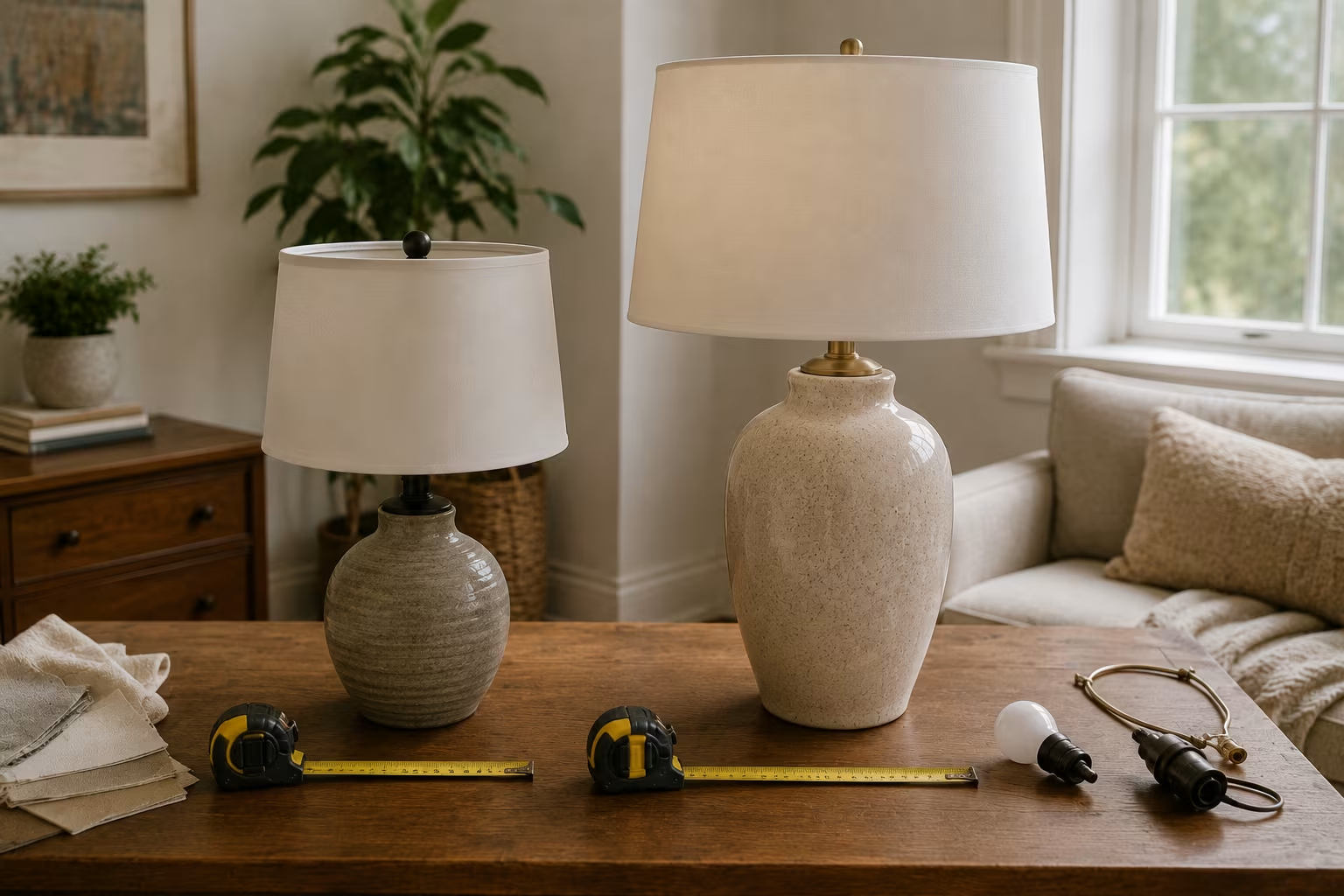
The shade's bottom diameter should relate to the base. For table lamps, aim for about twice the base's widest point: a 6-inch base wants a 12-inch shade, a 9-inch base an 18-inch, with roughly plus or minus 20% for style. Floor lamps take 1.5 to 2x the base and tolerate larger shades because they sit at eye level. Sconces size to the wall space rather than the base, and a 10- to 12-inch shade suits most residential sconces. The exception is a delicate candlestick base, whose height extends its visual width and carries a 12- to 14-inch shade that the 2x rule would undersize. Shade height should run about one-third of total lamp height (a 24-inch lamp wants an 8-inch shade); floor lamps drop to a quarter or a fifth (a 60-inch lamp takes 12 to 15 inches, not 20). When unsure, size up, because undersized shades are the more common error.
| Measurement | Rule of thumb | Worked example |
|---|---|---|
| Table-lamp shade diameter | About 2x the base's widest point | 6-in base leads to a 12-in shade |
| Table-lamp shade height | About 1/3 of total lamp height | 24-in lamp leads to an 8-in shade |
| Floor-lamp shade height | About 1/4 to 1/5 of lamp height | 60-in lamp leads to a 12-15 in shade |
| Bulb clearance (incandescent) | At least 3.5 in to any inside surface | Tighter than that, switch to LED |
| Harp height | Shade height minus 1 to 2 in | 10-in shade leads to an 8-9 in harp |
Shape, material, and light quality
Shape should follow the base. Drum shades read modern and graphic; empire shades read traditional and throw a more focused downward light; bell shades read formal and suit vintage brass; square and rectangular shades read modern but demand careful proportioning because the eye catches the corners; cone shades funnel light straight down for reading. A modern drum on an antique base can work as a deliberate mix, but accidental style clashes usually do not.
Material sets the light. White or off-white linen, paper, or silk passes most light for ambient use, the standard residential choice. Coloured fabric tints the light, with warm creams pushing yellow and cool greys pushing blue. Opaque or lined shades block side light and aim everything down through the bottom opening, which suits task lighting but not ambient, while pleated shades scatter light more than smooth ones. A liner (an interior white layer inside a coloured shade) reflects light evenly downward, but it also adds a little to the interior dimension, so recheck bulb clearance when a shade is lined. Bulb shape matters too: globe and filament bulbs stand taller than a standard A19 and may not fit a shade sized for the smaller bulb, a detail that can look intentional only if it physically clears.
Common sizing mistakes
The frequent errors: a shade too small for the base (a wide low base under a narrow shade looks like a vase wearing a hat, so apply the 2x and one-third rules together); a harp mismatched to the shade (a tall shade on a short harp sits on the bulb, a short shade on a tall harp exposes the harp above the opening); a bulb too tall for the shade, since globe and decorative filament bulbs run taller than a standard A19; and a shade that buries the base's best feature, where a carved ceramic or antique brass base wants a smaller shade that lets it read. Floor lamps add one twist: a multi-bulb cluster (a mid-century three-bulb lamp, a modern arc lamp) must be measured across the whole bulb assembly, then given clearance around that width rather than around a single bulb.
Buying the shade
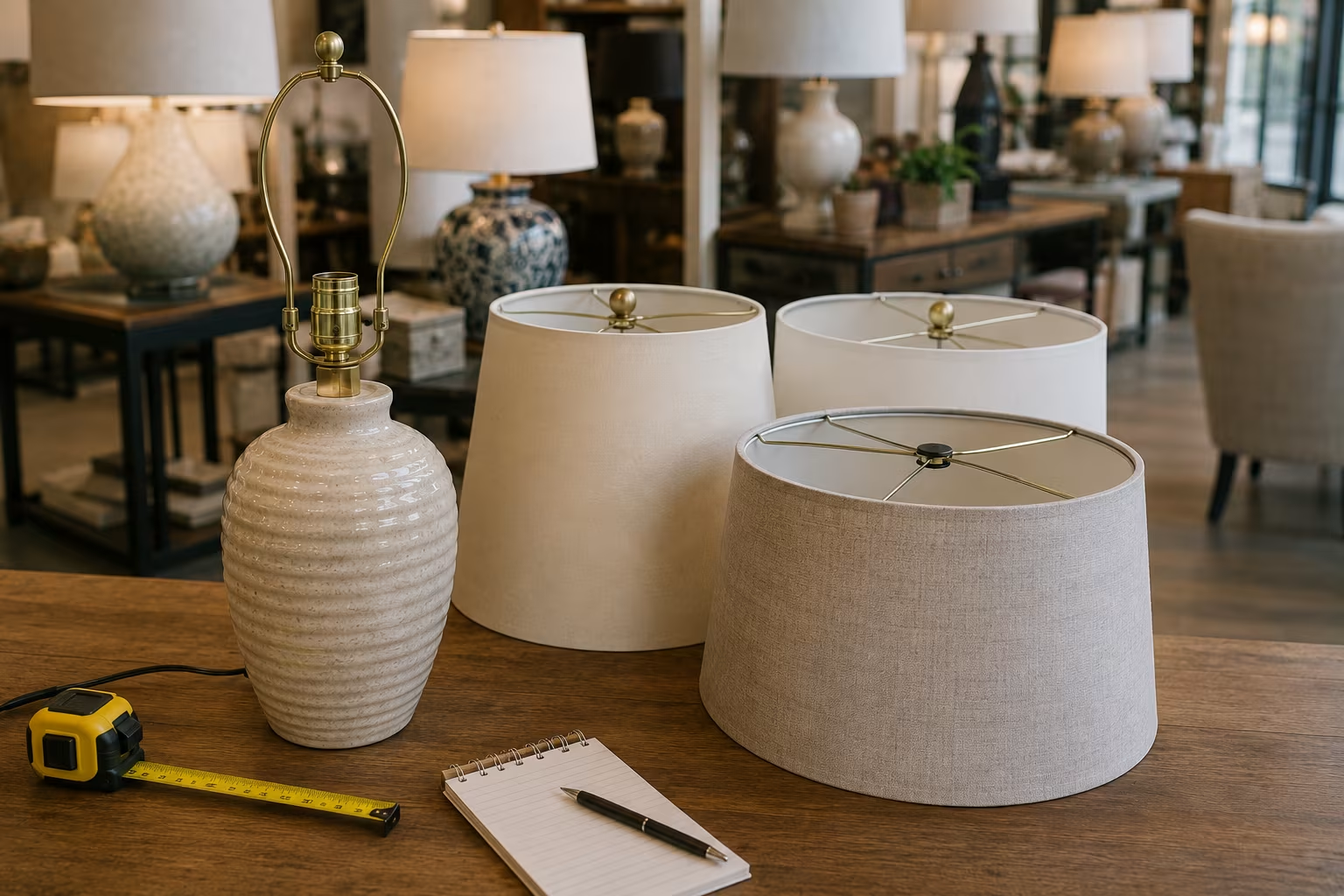
For a tricky lamp, carry the bare base to a lighting store and try several shades on it, the most reliable route when proportions are unusual or the base style is hard to identify from a photo. Online, measure base width, total lamp height, and harp height, then order from a return-friendly retailer, since shades are bulky enough that return shipping is worth checking before you buy. Keep the shade dimensions written down (top, bottom, slant, and the harp size) so a replacement years later is a quick reorder rather than a re-measure.
Swapping a shade is among the cheapest ways to update a room per dollar spent. A correctly sized shade turns an outdated lamp into a current piece for a fraction of a new fixture, and the reverse works too: a decorative vintage shade on a fresh modern base reads as deliberate styling rather than mismatched parts. The measurement discipline (harp height to shade height, bulb clearance, bottom diameter to base) is what separates a satisfying upgrade from a return trip.
Related Posts
Area Rug Size Under Dining Table
A rug too small under dining table looks like a mistake. Chairs must stay on rug when pulled out.

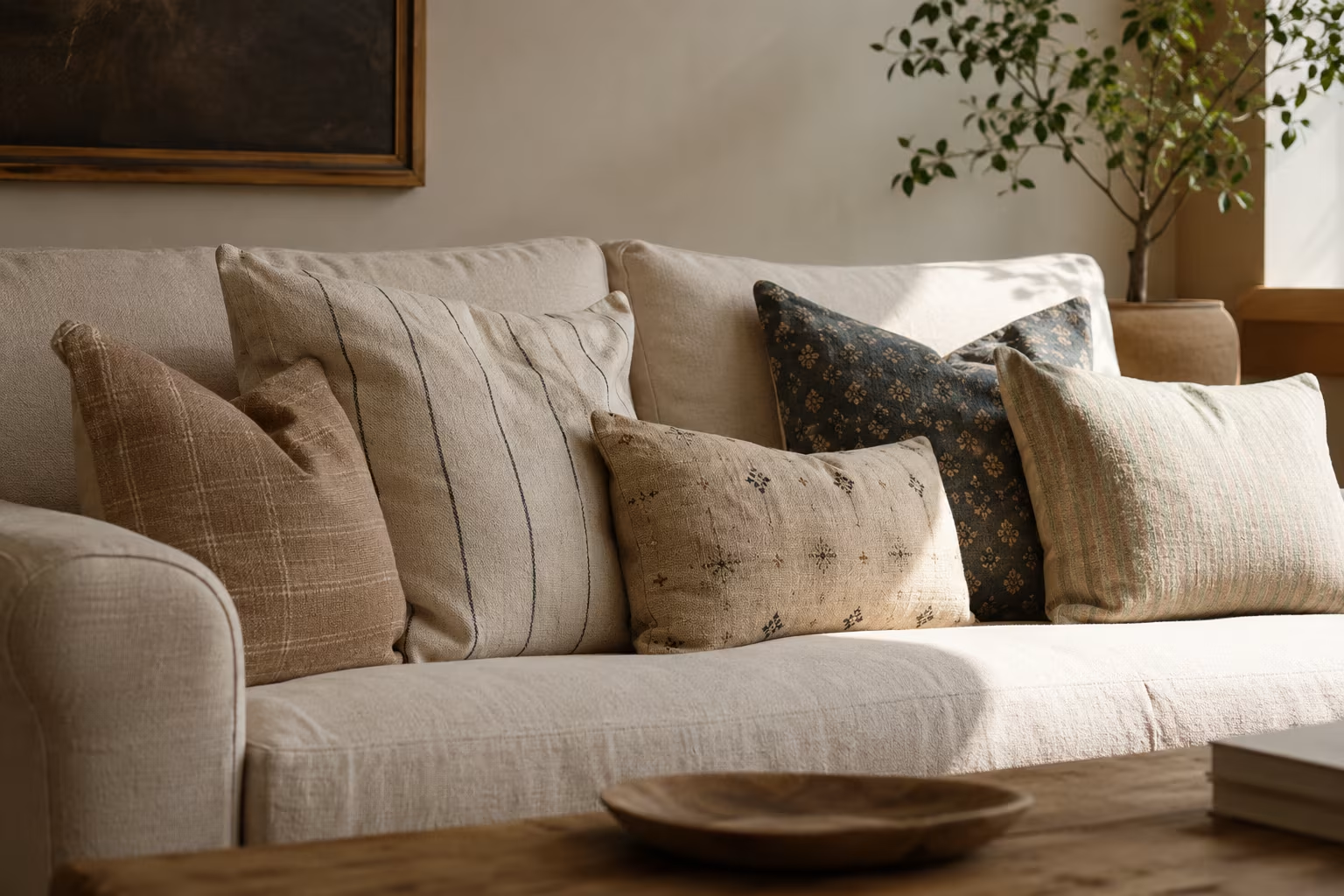
Sofa Pillow Combinations That Don't Fight
Throw pillows pile up over years. Rules for color, texture, pattern, and size.
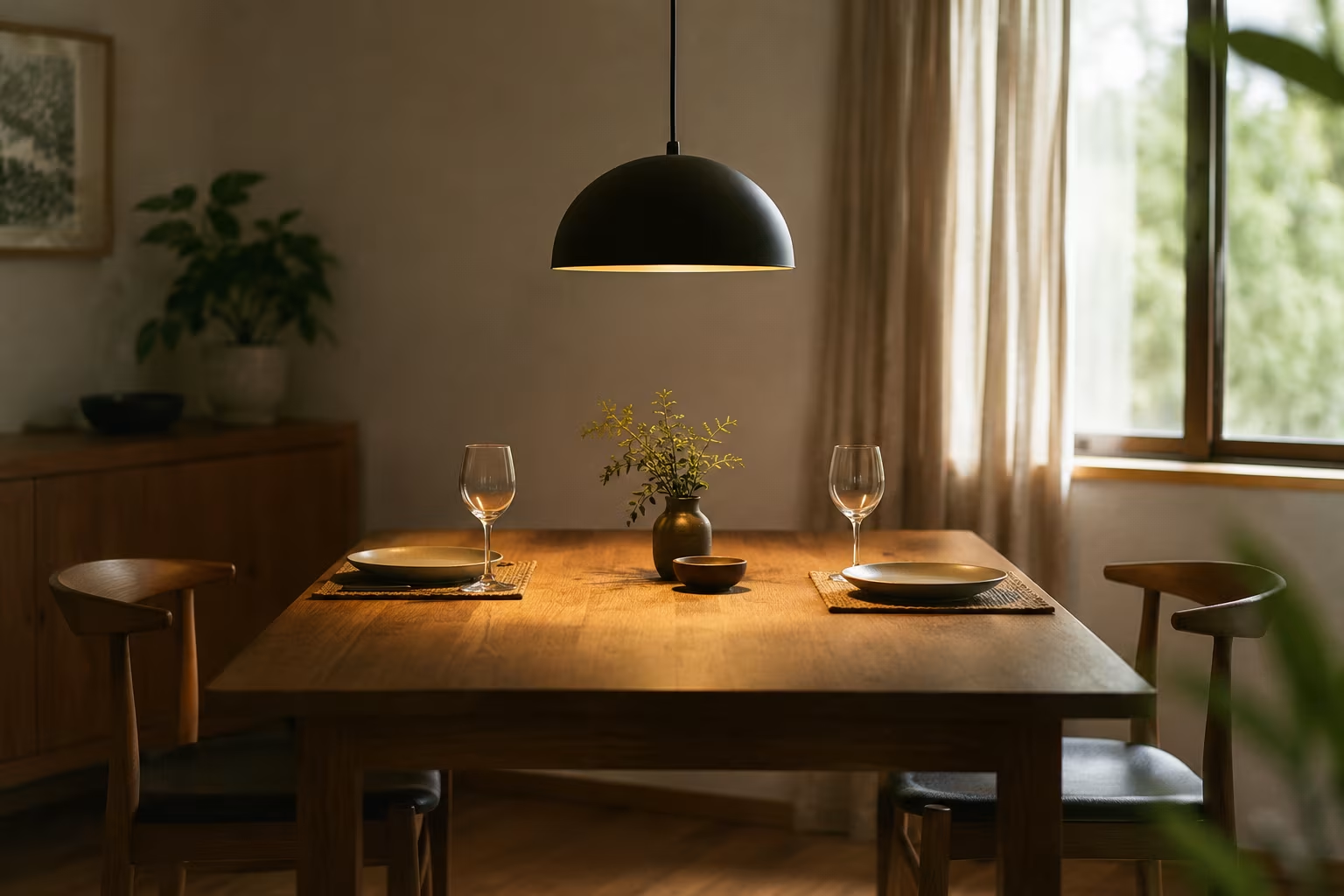
Light Fixture Height Over Dining Table: The Rule
The right pendant light height over a dining table is calculated, not guessed. The standard...
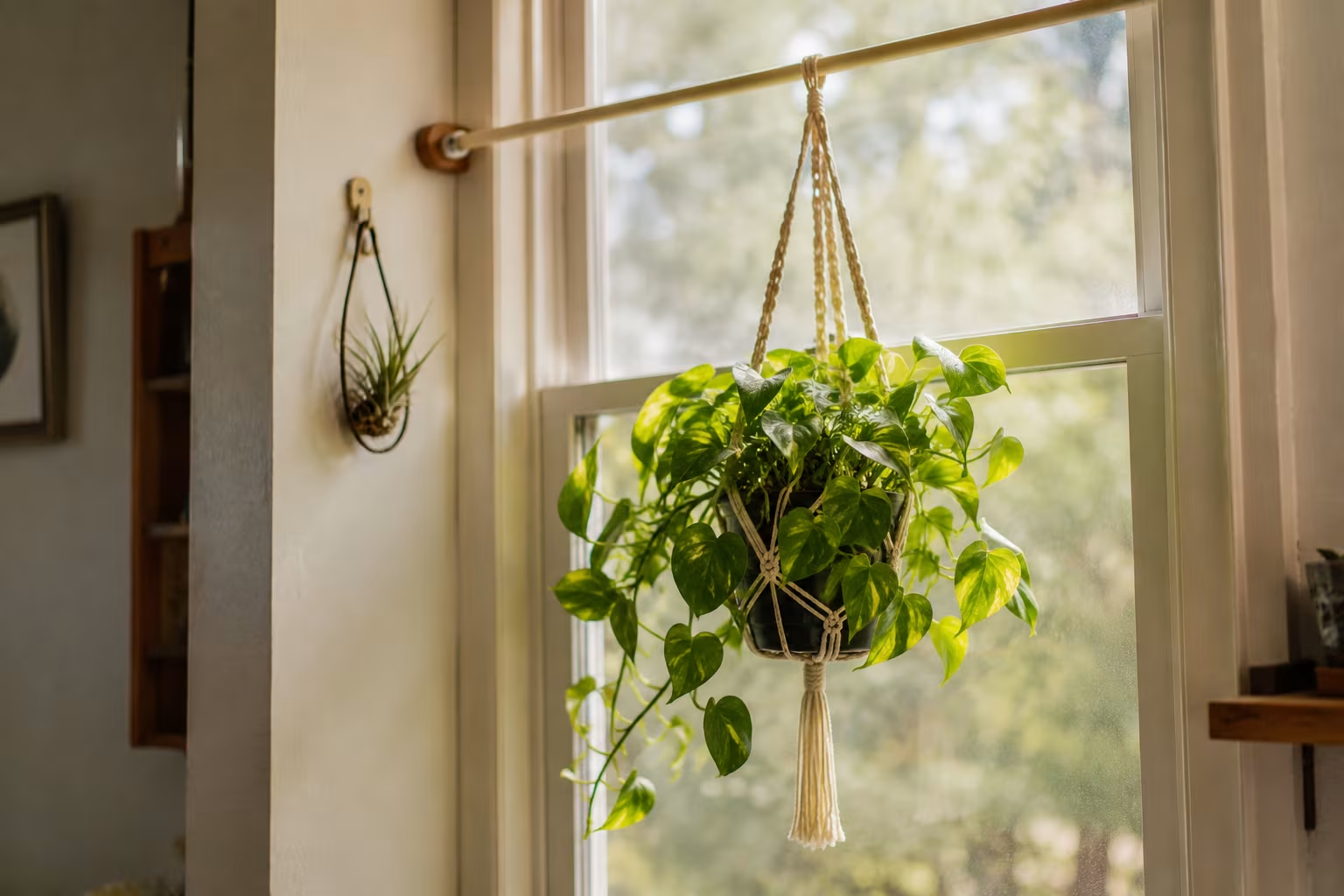
Hanging Plants Without Ceiling Hooks for Renters
Hanging plants brighten any room but drilling into the ceiling isn't always an option....
Comments
No comments yet. Be the first to share your thoughts!