Why You Should Invest in Multipurpose Furniture for Small Spaces
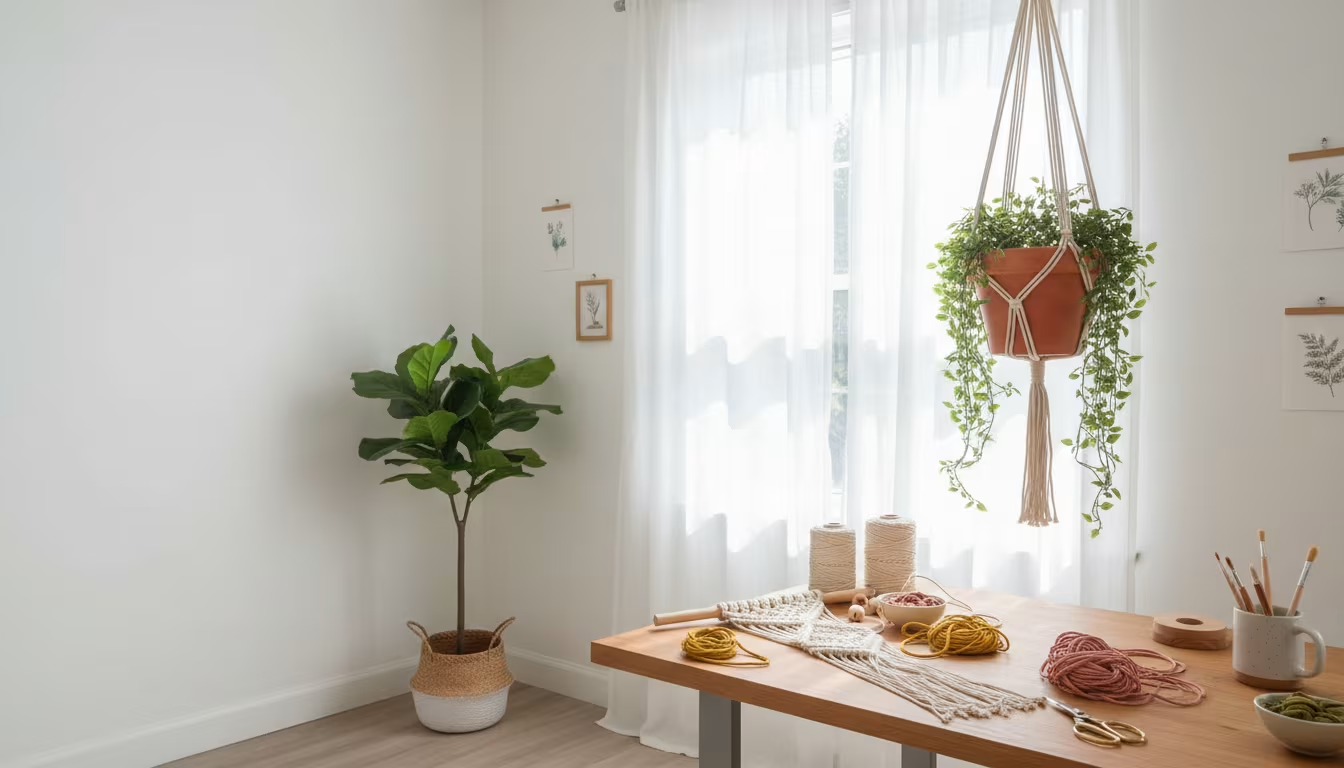
You know that feeling, right? You walk into your living room, and it feels like the walls are closing in. Every surface is piled high, and you can’t quite figure out where that remote went. Sound familiar? I’ve totally been there. My tiny Portland apartment used to feel like a perpetual game of Tetris.
It’s not just about having less stuff, though that certainly helps. It’s about making the space you have actually work for you, not against you. Nobody wants to feel suffocated by their own belongings, especially when you're trying to relax or get creative.
Today, we're diving into how multipurpose furniture can seriously change your small space game. We'll talk about why it's a lifesaver, how to find the right pieces, and even how to make some of your own. Trust me, it’s not as intimidating as it sounds. Let’s make your space feel bigger, brighter, and way more functional. ✨
Why This Actually Matters
Living in a smaller home, whether it’s an apartment, a tiny house, or just a compact room, comes with its own unique set of challenges. My workshop in the garage sometimes feels like it’s bursting at the seams, even with all my careful organizing. Space is precious, and every square foot needs to pull its weight.
Multipurpose furniture isn’t just a nice-to-have for us small-space dwellers; it’s practically a necessity. Think about it: a piece that can serve two or three functions means you need fewer overall items. Fewer items mean less clutter, and less clutter means less stress. It’s a simple equation, but it makes a huge difference in daily life.
I remember trying to carve out a dedicated craft space in my apartment before I had the garage. My dining table would constantly transform from eating area to sewing station, then to paper cutting zone. It was exhausting just moving everything around all the time, and I often just gave up on projects because setup felt like too much work.
That's where the idea of furniture that can do more than one thing really clicked for me. It’s about maximizing what you have without buying bigger or moving. It helps you reclaim floor space, organize your essentials, and even host friends without feeling like you’re playing musical chairs every five minutes. It’s a practical solution to a very real problem that so many of us face.
The Magic of Double Duty
So, what exactly is multipurpose furniture? At its heart, it’s any piece that serves more than one function. It's about clever design and thinking outside the box, even if that box is a $10 crate from the thrift store.
We're talking about a storage ottoman that’s also extra seating, or a console table that folds out into a dining table. It could be a simple bench that offers hidden storage for blankets, or a coffee table with a lift-top that doubles as a workspace.
The beauty of these pieces is that they adapt to your changing needs throughout the day. Your living room isn't just a place to watch TV; it can be a temporary home office, a guest bedroom, or a craft corner, all thanks to smart furniture choices. It lets your space flex and evolve with your activities.
Examples in Action
Let's look at some common types of furniture that excel at pulling double or even triple duty. These are the workhorses of small-space living, and I've either owned or dreamed of owning most of these at some point.
- Storage Ottomans & Benches - These are probably the simplest entry point into multipurpose furniture. An ottoman can be a footrest, extra seating, and a hidden bin for blankets, remote controls, or even craft supplies. I once found a gorgeous vintage trunk for $20 that now serves as my coffee table and stores all my spare fabric.
- Sofa Beds & Daybeds - This one’s a classic for a reason. If you have a studio apartment or need a guest bed without dedicating a whole room to it, a sofa bed is a lifesaver. Daybeds are also fantastic; they look like a couch during the day but easily convert for sleeping at night, often with drawers underneath for extra storage.
- Nesting Tables & Fold-Out Desks - Nesting tables are brilliant because you can pull out smaller tables when you need them for drinks or snacks, then tuck them away neatly when you don't. Fold-out or wall-mounted desks are perfect for temporary workspaces. I built a simple plywood desk that folds flat against the wall in my entryway, and it’s amazing for quick tasks or sorting mail.
- Shelving Units with Integrated Desks/Storage - These modular units are fantastic for customization. You can find systems that combine open shelving for display with enclosed cabinets for clutter, and sometimes even a pull-out desk surface. It lets you define zones in an open-concept space without building permanent walls.
How to Actually do It
Alright, so you’re convinced. Multipurpose furniture sounds great! But how do you actually go about finding, making, or integrating these pieces into your home? It’s not just about grabbing the first storage bench you see. It takes a little planning and a willingness to think creatively.
This process isn't about perfection right out of the gate. Think of it more like a craft project: you assess your materials, you sketch out an idea, you try it, and then you tweak it. My first attempt at a folding craft table was way too wobbly, but it taught me a lot about leg stability!
Step 1: Assess Your Space and Needs
Before you even think about shopping, take a good, hard look at your home. What are your biggest pain points? Is your living room constantly cluttered with blankets, magazines, or kids’ toys? Do you need a place to work but don't have a dedicated office?
Walk through each room, notebook in hand, and write down every single activity you do there. Where do you eat? Where do you relax? What hobbies do you pursue? This will help you identify what functions are missing or could be combined.
I realized I needed a better spot for my mail and keys right by the door, and also a place to quickly jot down notes. That's why I eventually built that folding wall desk. It was born out of a specific, everyday frustration.
Step 2: Hunt for Inspiration
Now for the fun part! Once you know what you need, start looking for ideas. Pinterest is a treasure trove for "small apartment solutions" or "multipurpose furniture DIY." Instagram and blogs like mine can also spark some serious creativity.
Don't just look at finished products, though. Pay attention to how people are using spaces. See if you can spot pieces that are working double duty in clever ways. Sometimes, it’s not the furniture itself, but how it’s arranged, that makes all the difference.
I keep a running "inspiration" folder on my phone for projects I want to try. It helps me visualize possibilities, especially for thrift store finds I might want to modify. You'd be surprised what a little paint or new hardware can do!
Step 3: Thrift Store Scavenger Hunt (or Diy Blueprint)
This is my absolute favorite part! You don't have to buy brand new to get great multipurpose pieces. Thrift stores, garage sales, and even Facebook Marketplace are goldmines for items with potential. Look for sturdy foundations – solid wood, metal frames – even if they're a little beat up.
Could that old chest be a coffee table with storage? Can a sturdy wooden crate be flipped on its side for shelving, or topped with a cushion for a quick seat? I once found a perfectly good but plain storage bench for $15 and just gave it a new coat of paint and some fun fabric. It instantly looked custom and saved me a ton of money.
If you're feeling brave, this is also where you might sketch out a DIY project. Maybe you can combine two thrifted pieces to make something new, or build a simple folding shelf from scratch. Don't underestimate what you can create with a little imagination and some basic tools.
Step 4: Measure, Measure, Measure
I cannot stress this enough: measure everything. And then measure it again. Measure the space where the furniture will go, paying attention to height, width, and depth. Measure doorways and stairwells to make sure you can actually get the piece into your home.
It's easy to fall in love with a piece only to realize it's an inch too wide for your intended spot. I've been there, staring sadly at a beautiful bookshelf that was clearly never going to fit through my narrow hallway. A good tape measure is your best friend here. Always bring it with you if you’re shopping in person.
Also, consider the "open" dimensions of any folding or expanding furniture. If a console table expands into a dining table, make sure you have enough room around it when it’s fully extended for people to actually sit and move comfortably. Don't forget to account for walking paths.
Step 5: Prioritize Function over Aesthetics (initially)
It’s tempting to go for the cutest piece, but for multipurpose furniture, function really comes first. Ask yourself: does this truly solve a problem for me? Does it provide the storage I need? Does it convert easily?
A beautiful storage ottoman that’s too small for your blankets isn't helping much. A sleek fold-out table that’s too wobbly to actually work on will just frustrate you. Get the utility right first, then you can worry about making it pretty.
The good news is, you can almost always personalize a functional piece later. Paint, fabric, new hardware, or even just some well-chosen decor can make a super functional item fit perfectly with your style. I’ve never met a piece of wood that couldn’t be improved with a little sanding and staining!
Step 6: Don't be Afraid to Diy or Customize
This is where your maker spirit truly comes alive! A lot of store-bought multipurpose furniture can be expensive, but you can create amazing solutions yourself, often for a fraction of the cost. Think about what you can adapt or build.
Could you add casters to a storage bin to make it easily movable and a side table? Can you build a simple stackable crate system that acts as both storage and seating? I once turned some old wooden apple crates into a modular shelving unit that I could rearrange depending on my needs.
Even small customizations can make a big difference. Adding a hinged top to a sturdy wooden box turns it into a storage bench. Installing some hooks on the side of a bookshelf can create a spot for bags or coats. Don't be afraid to experiment; that's how we learn and create things that are truly unique to our homes.
Step 7: Start Small
You don't need to overhaul your entire home in one weekend. That’s a recipe for burnout and a messy living room. Pick one problem area or one piece of furniture to tackle first. Maybe it's that overflowing bookshelf, or the lack of seating when friends come over.
Focus on finding one good storage ottoman, or building one simple folding shelf. See how that changes your space and your daily routine. This approach makes the process much more manageable and less overwhelming. Plus, it gives you a chance to learn what works (and what doesn't) for your specific needs before investing a lot of time or money.
My first successful multipurpose project was converting an old dresser into a changing table for my niece that could also store all her clothes. It wasn't fancy, but it worked perfectly and got me hooked on making furniture do more.
Step 8: Live with It, then Refine
Once you’ve introduced a new multipurpose piece, live with it for a bit. How does it feel? Is it truly helping? Is it making your space more functional, or less? Sometimes, what sounds good on paper doesn't quite work in real life.
Be open to tweaking things. Maybe the storage ottoman needs a different kind of lid, or the folding desk would be better a few inches higher. I’ve adjusted shelves, added extra hooks, and even moved entire pieces from one room to another when I realized they’d be more useful elsewhere.
Your home is a dynamic space, and your furniture should be too. The goal isn’t to set it and forget it, but to create a flexible environment that supports your life. This iterative process is part of the fun of being a maker – constantly improving things!
Making It Stick / Common Mistakes
Even with the best intentions, it's easy to trip up when trying to integrate multipurpose furniture. I've certainly made my share of mistakes, like that time I bought a "storage" coffee table that actually held about three magazines and nothing else. Live and learn, right?
One common pitfall is buying something just because it’s on sale, without really considering if it meets your needs. A cheap sofa bed isn't a bargain if it's too uncomfortable for anyone to actually sleep on. Always revisit Step 1: your actual needs.
Another mistake is trying to cram too much into one piece. Sometimes, a piece of furniture tries to do too many things, and ends up not doing any of them particularly well. A bench that's also a bookshelf, and a desk, and a secret safe... it might be a bit much. Simplicity often wins.
"The best multipurpose furniture isn't about fitting more stuff in; it's about creating more space for living."
Finally, don't forget about flow. Even in a small space, you need clear pathways. A large piece of furniture, even if it’s multipurpose, can sometimes block natural movement or make a room feel cramped if it's too big for the area. Measure carefully and visualize how you'll move around it.
The goal is to enhance your space, not to create a new obstacle course. Take a step back and look at the whole picture. If something feels off, it probably is, and it's okay to make adjustments.
Frequently Asked Questions
Is Multipurpose Furniture Always Expensive?
Definitely not! While some high-end pieces can be pricey, there are tons of budget-friendly options. My favorite approach is always to hit up thrift stores, find older, sturdy pieces, and give them a refresh. You can find incredible deals and customize them to your exact liking.
Even new, many retailers offer affordable storage ottomans, nesting tables, or simple folding desks. It just takes a little searching and comparing prices. Don’t feel pressured to buy the most expensive option; often, a little DIY ingenuity goes a long way.
Won't My Room Look Messy with Everything Doing Double Duty?
Actually, it’s often the opposite! When you have furniture that serves multiple purposes, you inherently need fewer pieces of furniture overall. This can make your room feel less cluttered and more open.
The key is good organization within those multipurpose pieces. If your storage ottoman is just a chaotic dumping ground, it won't help. But if it neatly holds your blankets or craft supplies, it actively reduces visible clutter. A clean surface always looks tidier than a dozen small items spread out.
What if I Live in a Rental and Can't Make Permanent Changes?
Most multipurpose furniture is perfect for renters because it doesn’t require any permanent installation. Think stand-alone pieces like sofa beds, storage ottomans, nesting tables, or freestanding shelving units that incorporate a desk.
Even DIY projects like a wall-mounted folding desk can often be done with minimal, easily patchable holes. Look for tension-rod solutions or freestanding units that just lean against the wall. There are plenty of clever solutions that won't jeopardize your security deposit.
Can I Really Build Multipurpose Furniture Myself if I'm a Beginner?
Absolutely! I started my DIY journey with super basic projects, and multipurpose furniture is a fantastic area to learn. Begin with something simple, like adding casters to a wooden crate for a movable storage bin, or building a small shelving unit from plywood.
There are tons of tutorials online for beginner-friendly projects. The joy of it is that you get exactly what you need, and you learn new skills along the way. Don’t be afraid to make mistakes; that’s how everyone learns. My first dovetail joint was... a disaster.
How Long does It Typically Take to Find or Create These Pieces?
It really varies! If you're buying new, you could find something online in an hour. If you're thrift shopping, it might take a few weekends to find the right piece with potential. I've spent an entire Saturday hopping between second-hand stores to find just one item.
For DIY projects, a simple modification might take an afternoon, while building something from scratch could be a weekend project, or even spread out over several evenings. My folding wall desk took about 6 hours spread across two days. The most important thing is to enjoy the process and not rush it.
The Bottom Line
Living in a small space doesn't mean you have to sacrifice comfort, functionality, or style. In fact, it's an incredible opportunity to get creative and make every inch count. Multipurpose furniture isn't just a trend; it's a smart, sustainable way to live in any home, especially a smaller one.
It's about making your space work harder for you, so you don't have to. It's about less clutter, more breathing room, and a home that truly reflects your needs and hobbies. So, take a look around your place, pick one spot that needs some love, and start thinking about how one piece could do the work of two.
You might be surprised at what a difference it makes. You've got this! Happy making! ❤️