
How Far to Extend Curtain Rods Past the Window Frame
The short answer
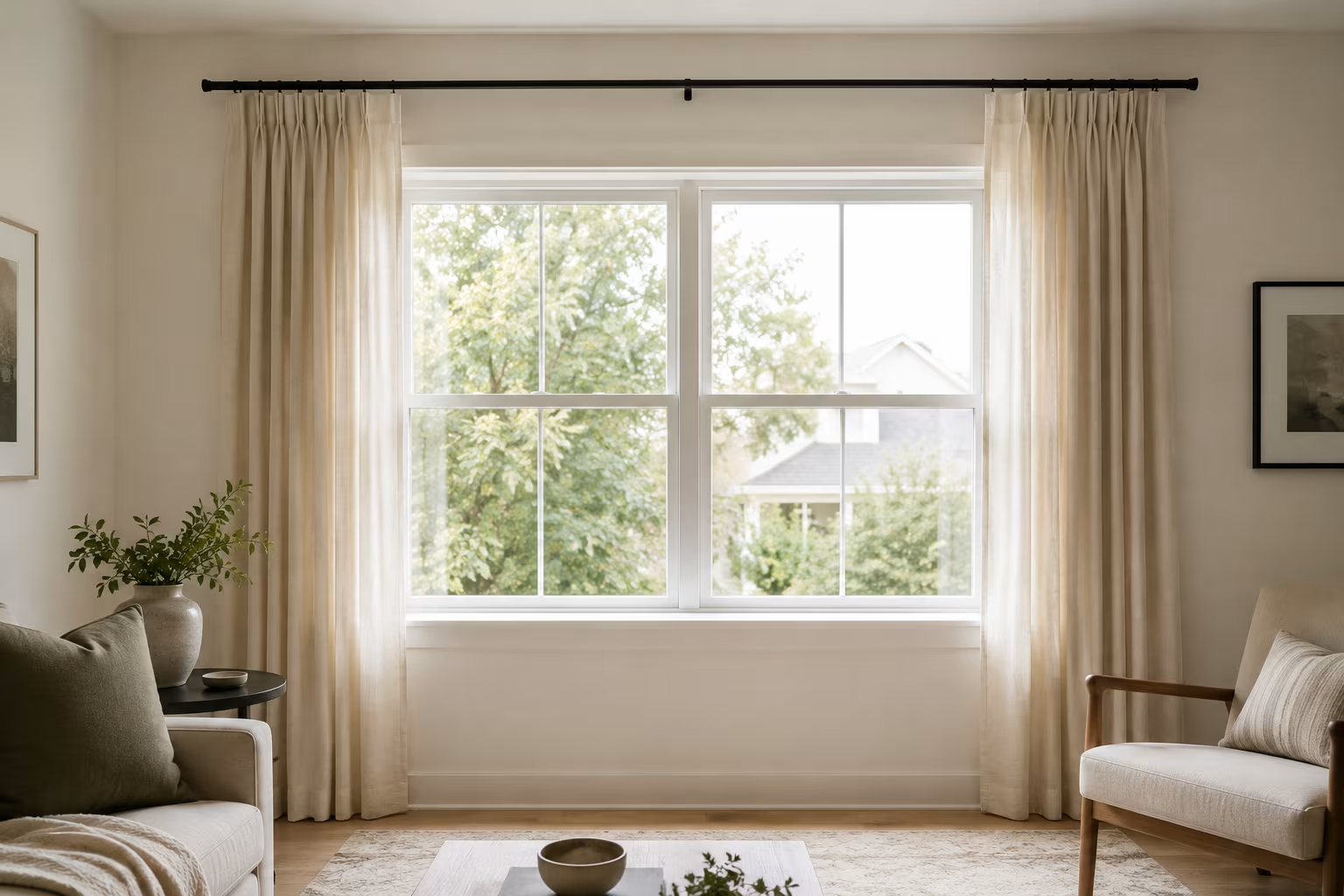
Extend the rod four to twelve inches past each side of the window frame, with most rooms landing between six and ten. Inside that range, pick the number that lets the panels stack fully off the glass when open, so no part of the window is covered in the morning. A standard panel gathers into a column roughly four to eight inches wide when pushed to the side; the rod has to reach far enough that the column sits on the wall beside the window, not on the glass.
The extension does real visual work. A wider rod makes the window look larger because the eye reads the panels as the frame and the glass as the picture — the bigger the frame, the bigger the picture seems. Combined with mounting the rod high, four to six inches below the ceiling rather than just above the trim, the room gains both perceived height and window size in one move. A floor-length curtain panel does most of that work once it is hung both wide and high.
Why the extension matters more than the height
Mounting high without extending wide is the most common curtain mistake: tall windows, narrow ones, and panels that cover a third of the glass on each side when open. Widen first, then heighten; if you have to choose, extension wins.
The stacking math is simple. A pleated or grommeted panel gathers into a four-to-eight-inch column at the rod end — lined panels stack thicker, sheers thinner. Two of those columns need somewhere to live that is not the glass. If the rod ends at the trim edge, the stack lands on the window; extend six to ten inches past the trim and it sits on the wall where it belongs. Drawn closed, panels that overlap and cover a strip of wall beyond the window also read fuller than panels stretched tight from edge to edge.
Picking within the 4-12 inch range
Four inches is the minimum for the trick to work at all; below that the stacking benefit disappears and the widening effect is too subtle to read. Six to eight inches is the common landing zone for standard residential windows with medium-weight panels. Ten to twelve inches is for larger windows, heavier lined panels, or rooms where you want the glass to dominate — a six-foot picture window with six-inch extensions looks pinched, the same window with twelve-inch extensions looks deliberate. Beyond twelve inches the rod starts to look disconnected, as if it belongs to a phantom window; the one exception is a single long rod spanning two adjacent windows to read them as one.
| Window and panel type | Extension per side | Notes |
|---|---|---|
| Standard window (24-36 in), sheers or unlined | 4-6 in | Thin stack; lower end of range works |
| Standard window, medium or lined panels | 6-8 in | Most common residential landing zone |
| Large window (over 48 in) or blackout panels | 10-12 in | Thick stack; scale extension to window |
| Picture window or wall of glass | 10-12 in or more | Or one rod spanning two windows |
Within the range, narrow down by panel thickness: blackout and lined panels stack thick, so push to the upper end; sheers and unlined cotton stack thin and sit fine at the lower end.
Mounting height and hardware that holds the span
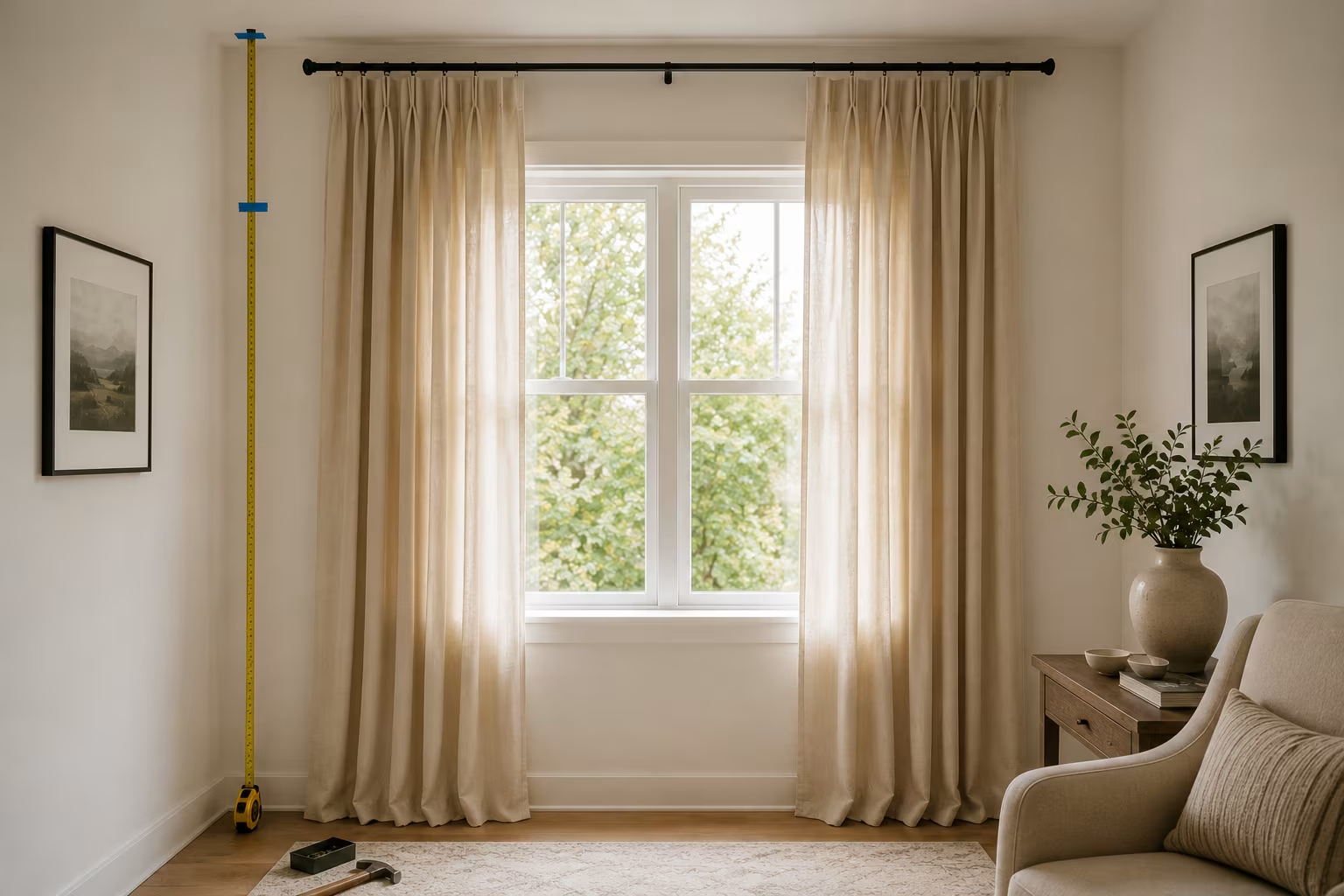
The companion rule to extending wide is mounting high. Most window trim sits four to twelve inches below the ceiling; mounting the rod about four to six inches down from the ceiling lifts the curtain line and makes the wall read taller. The panel should brush the floor or kiss it by a quarter inch, not pool (unless the pooled look is deliberate, which suits formal rooms only) and not float above it. For windows already within four inches of the ceiling, mount directly above the trim with the brackets snug to the ceiling.
The longer the rod, the more it sags. A rod extending ten inches per side on a 48-inch window is 68 inches long, and most thin metal rods dip visibly in the middle once loaded. Add a center support bracket for any rod over about 48-50 inches, ideally screwed into a stud since the support takes vertical load. Light unlined panels hold on the plastic anchors that come in most kits; heavy lined or blackout panels need toggle bolts, snap-toggle anchors, or stud screws. The failure is usually slow — the screws lean over weeks, the bracket drops a millimeter at a time, and one morning the rod is on the floor with a chunk of drywall behind it. A wrench check every six months catches the loosening early.
Molding, trim, radiators, and renters
Obstacles constrain where the rod can go, and each has a fix. Deep window trim: mount the rod farther off the wall with extended brackets so the curtain clears the trim front — most brackets adjust three to six inches out, and deeper-projection brackets reach trims up to about eight inches deep. Crown molding above the window: drop the rod one to two inches below it rather than mounting into it, since screws into crown split the molding and never hold. Baseboard heaters or radiators below the window: use a curtain length that ends just above the heat source, or café curtains covering only the lower half, so floor-length fabric does not block heat or scorch. Windows tight to a corner: run the rod into the corner and accept that the panel on that side sits closer to the glass — covering the window matters more than wall symmetry.
Renters have options that hold real panels without permanent damage. Tension rods wedge inside the frame and leave no marks but cannot extend past the window, so the widening trick does not apply — good for sheers and small windows where coverage is the goal. Adhesive curtain-rod hooks hold light panels on clean, smooth walls; read the weight rating, since most sit below what a lined panel weighs once damp. And a 4mm hole filled with spackle and a dot of matching paint at move-out is invisible — many landlords care about damage, not pristine walls, so it is worth asking.
Finishing the panel
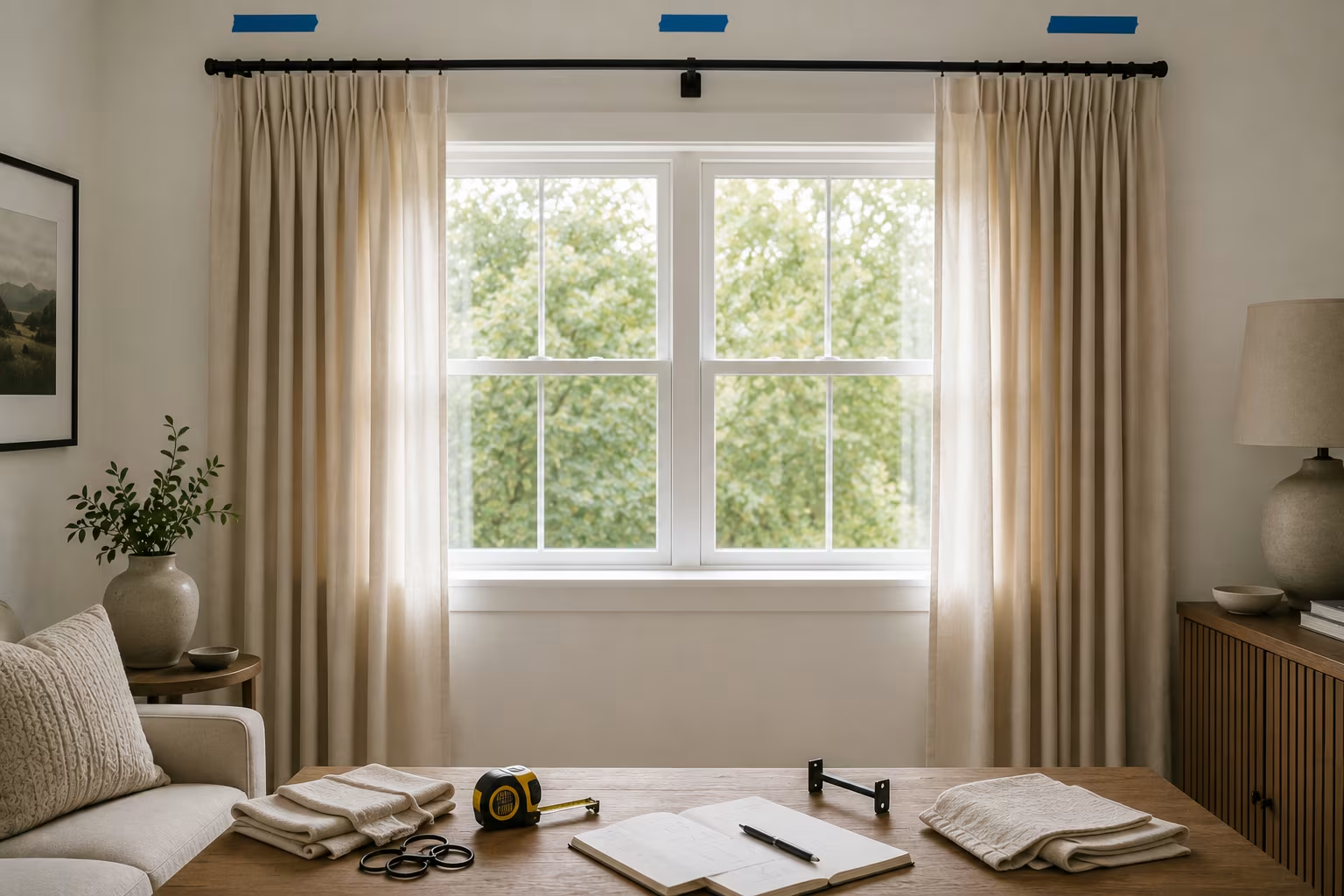
A few small choices finish the look. Rod diameter changes the room as much as the extension: thin rods (three-quarter inch or under) read modern and nearly disappear, thick wood rods (one and a quarter inch or larger) read traditional and substantial — match the thickness to both panel weight and room feel. Finials add to the visible length and eat into the hanging span: a rod measuring 60 inches end to end may offer only 56 inches of usable length once the finials take two inches per end, so allow for that when planning extensions.
Measure the panel from the top of the rod to the floor, then subtract what the rings or grommets add — a ring header adds about an inch, a grommet header adds its own radius. Steam or iron the panel before hanging; curtains arrive with deep creases gravity never removes. Then let the panel hang a day or two before setting the final hem, because heavier fabrics stretch under their own weight in the first 48 hours and a panel hemmed to exact floor length on install day will pool a week later. For layered treatments, the same width math applies to the outer rod while the inner sheer rod can extend more modestly; two rods need three to four inches of separation, which a double-rod bracket handles in one install.
Related Posts
Area Rug Size Under Dining Table
A rug too small under dining table looks like a mistake. Chairs must stay on rug when pulled out.


Sofa Pillow Combinations That Don't Fight
Throw pillows pile up over years. Rules for color, texture, pattern, and size.
Light Fixture Height Over Dining Table: The Rule
The right pendant light height over a dining table is calculated, not guessed. The standard...
Hanging Plants Without Ceiling Hooks for Renters
Hanging plants brighten any room but drilling into the ceiling isn't always an option....
Comments
No comments yet. Be the first to share your thoughts!