
Spring Decor Ideas to Refresh Your Living Space

After months of heavy blankets and short days, spring is the natural moment to lighten a home. As the light returns, it exposes everything winter left behind, dull textiles, dark corners, surfaces crowded with cold-weather layers. A spring refresh is less about buying new things than about swapping in lighter colors, natural textures, and a few living elements that make rooms feel open again.
None of this requires a decorator or a large budget. A handful of do-it-yourself projects, some upcycled materials, and thoughtful placement of what you already own will carry most homes through the season. The ideas below move from color choices through wall art, plants, lighting, and room-by-room updates, with concrete materials and methods for each.
Why a spring refresh is worth the effort
Spring reads as a fresh start, and aligning your home with it costs little but changes how the space feels day to day. Longer daylight hours reveal dust and faded fabrics that hid through winter, so a seasonal reset is partly practical: it is the moment to wash slipcovers, rotate textiles, and clear surfaces.
There is a mood benefit too. Light colors, natural materials, and greenery tend to make a room feel calmer and more open, which is exactly what a home wants after a closed-up winter. The changes do not need to be dramatic. Switching pillow covers, adding a vase of tulips, or repainting a single side table can shift the whole feel of a room, and doing it yourself keeps the cost and the clutter down.
A spring palette and the right materials
Spring decor leans on light, soft tones with a few brighter accents for energy. A workable palette combines three groups so a room feels fresh without looking busy.
- Pastels: soft pink, mint green, lavender, and sky blue for the seasonal core.
- Neutrals: beige, white, and soft gray as grounding tones that keep pastels from feeling saccharine.
- Bold accents: sunflower yellow, coral, or turquoise in small doses, a cushion, a vase, a single throw.
Materials matter as much as color. Natural textures such as rattan, wicker, linen, and cotton read as light and breathable, which is why they suit the season; you can build on the same idea with jute and linen textures worked into your decor. Add floral or botanical prints on curtains, cushions, or a table runner, choose light woods like ash, oak, or bamboo for small furniture, and use clear glass or pastel ceramics for vases and bowls. Together these keep a space bright and seasonally aligned without tipping into overdone.
DIY wall and table decor
Wall and table pieces deliver the most visible change for the least money. A few afternoon projects can reset a room.
Pressed-flower and painted wall art
Press flowers for one to two weeks between the pages of a heavy book, then mount them between two panes of a clear glass frame for art that costs the price of the frame. If you prefer paint, a loose watercolor floral on stretched canvas takes an afternoon and dries overnight. Both are removable and easy to store when the season turns.
Spring wreaths beyond the front door
Wreaths are not just for doors. Start with a grapevine base about 10 to 14 inches across, hot-glue silk blossoms in pastel shades around it, and hang the finished piece over a mirror or as a wall centerpiece. A grapevine base and a bag of silk flowers cost only a few dollars and the build takes under an hour.
Table centerpieces and settings
Fill a shallow glass bowl with fresh lemons and a few sprigs of greenery, or wrap mason jars in burlap and fill them with daffodils and tulips. Swap heavy winter placemats for light linen, and make napkin rings from twine looped with a single faux flower. These details cost little but change the table completely.
Upcycled candle holders
Clean out old jars or tin cans, wrap them in lace or pastel ribbon, and drop a tea light inside for a soft evening glow. A set of three makes an easy centerpiece and uses containers you would otherwise recycle.
Floral and plant projects
Greenery is the fastest way to make a room feel like spring, and even a small apartment has room for a few plant-based projects.
A windowsill herb garden
Line a sunny sill with mason jars of soil and plant basil, mint, or rosemary, which want roughly four to six hours of direct light a day. Tie twine or pastel ribbon around each jar so the row looks intentional, and you get fresh herbs alongside the decor.
Hanging planters
Free up surface space by moving plants up. Trailing varieties like pothos and ivy suit hanging baskets, and you can make your own holders, which is exactly why macrame plant hangers are the easiest first fiber-art project for beginners: a few yards of cotton cord and four or five basic knots are enough.
An affordable floral arrangement
Skip the florist markup by mixing a few stems of inexpensive grocery-store flowers with branches or greenery clipped from outside. Split them across two or three mismatched jars for a relaxed, rustic look, and note that dried stems stretch the display for months, one reason dried floral arrangements outlast fresh flowers.
A low-maintenance terrarium
Layer a clear glass jar or bowl with an inch of pebbles for drainage, a thin layer of activated charcoal, then potting mix, and plant small succulents or a cushion of moss. A closed terrarium can go a week or more between waterings, which makes it ideal for a shelf you would rather not fuss over.
Lighting for longer, softer days
Lighting sets the mood as much as color does, and spring calls for lighter, layered sources rather than the heavy lamps of winter. Battery-operated string lights coiled inside a clear jar or lantern give a soft, whimsical glow with no wiring. Revive a tired lampshade by covering it in floral fabric or a coat of pastel paint. Punch small holes in a pattern around a clean tin can, drop in a candle or LED tea light, and you have a lantern that throws patterned light across a wall. The cheapest trick of all costs nothing: hang a mirror opposite a window to bounce daylight deeper into the room and make the whole space read brighter.
Upcycling on a budget
A spring refresh does not have to mean new purchases. Vintage teacups become charming mini pots for succulents or violets. Wine bottles, rinsed and wrapped in jute rope or painted, work as slim vases for single stems. Wooden crates stacked and painted in pastel shades turn into open shelving, and leftover fabric scraps sewn into simple envelope covers brighten a sofa for a few dollars. Each of these keeps something out of the bin and gives your rooms a personal edge no store-bought set can match. For renters, lean on removable wallpaper and adhesive hooks so nothing damages the walls.
Room-by-room quick updates
Small, targeted swaps often beat a full redecoration. In the living room, trade winter throws for lightweight cotton blankets and add a couple of pastel cushions and a floral print. In the bedroom, switch dark bedding for crisp white or floral-patterned sheets and string fairy lights above the headboard for a soft touch. The kitchen responds to cheerful table runners, a jar or two of fresh herbs, and colorful dish towels, even pastel mugs on an open shelf register. In the bathroom, stand a few stems of fresh eucalyptus in a vase or hang a bundle in the shower, where steam releases the scent, and swap dark towels for lighter ones. If you live in a smaller space, many of these ideas scale down neatly, and there is a whole set of DIY room decor ideas for small apartments that apply the same principles to tight square footage.
Working safely with candles, glue, and paint
Most spring projects involve a hot glue gun, candles, or a little paint, so a few precautions keep the process pleasant. Keep flammable materials, ribbon, dried flowers, fabric, well away from any open flame, and never leave a lit candle unattended. Hot glue reaches temperatures that burn skin instantly, so work slowly and keep a bowl of cool water nearby. Ventilate the room when painting and let pieces cure fully before bringing them indoors. With those basics covered, pick two or three projects that fit your rooms, set aside an afternoon, and start with the one that changes the space you use most, a single fresh centerpiece or a wall of pressed flowers is often enough to make the whole home feel like the season has turned.
The spring palette, structured:
| Group | Colors | Role |
|---|---|---|
| Pastels | soft pink, mint, lavender, sky blue | the seasonal core |
| Neutrals | beige, white, soft gray | keep pastels from turning saccharine |
| Bold accents | sunflower, coral, turquoise | small doses: a cushion, a vase |
| Materials | rattan, wicker, linen; ash/oak/bamboo woods | light and breathable |
| Two DIY numbers | flowers press 1–2 weeks; wreath base 10–14 in grapevine | art for the price of a frame |
Related Posts
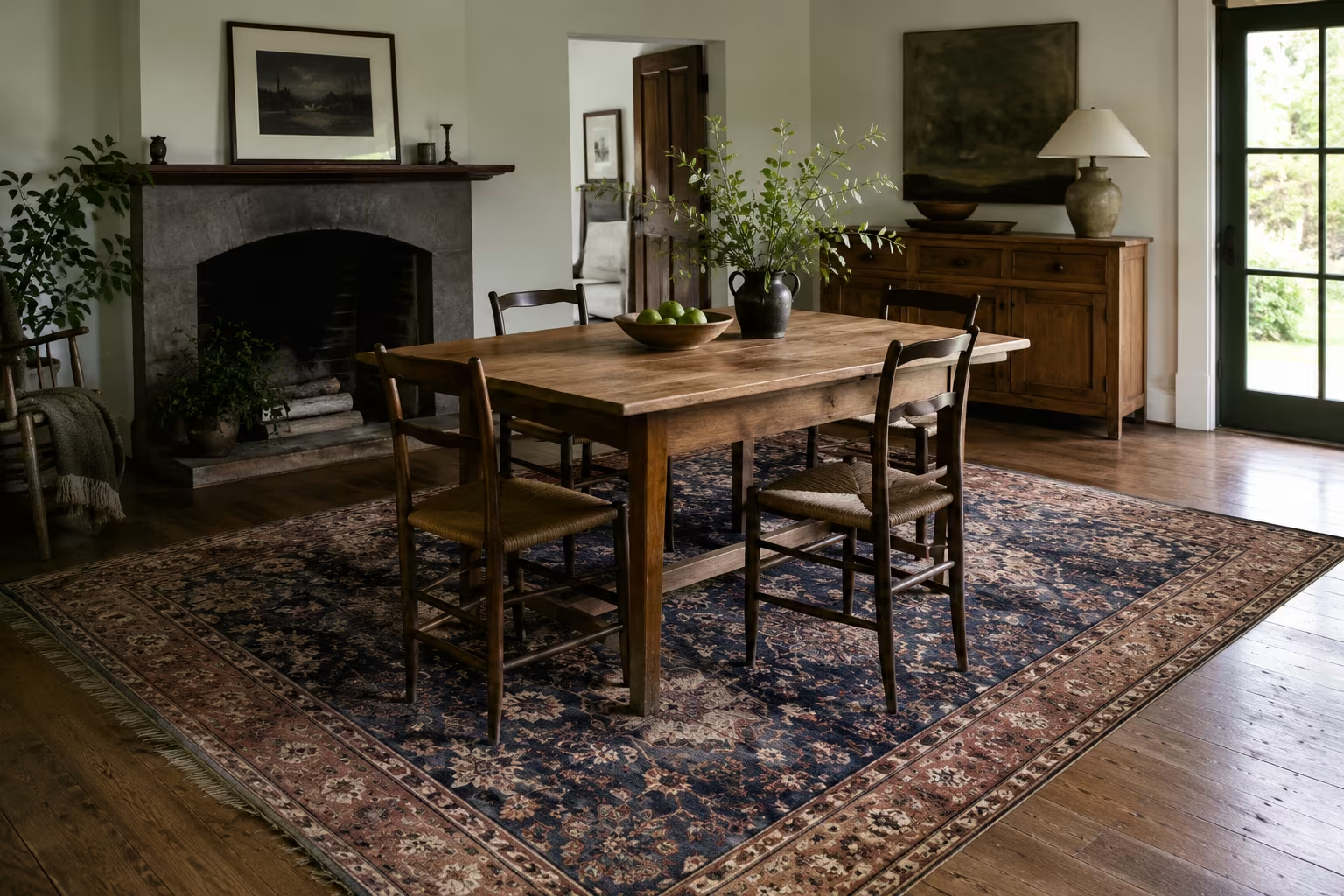
Area Rug Size Under Dining Table
A rug too small under dining table looks like a mistake. Chairs must stay on rug when pulled out.

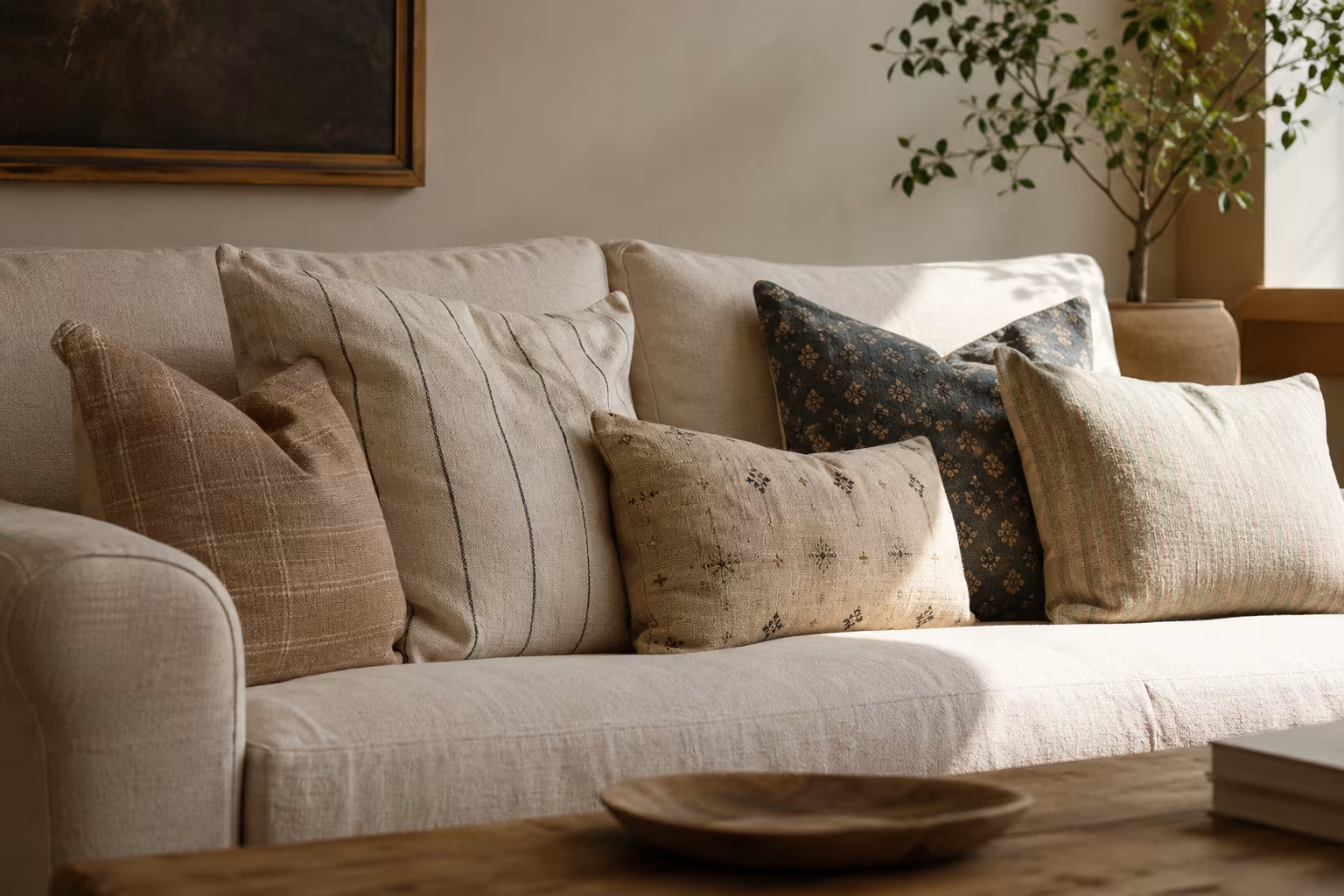
Sofa Pillow Combinations That Don't Fight
Throw pillows pile up over years. Rules for color, texture, pattern, and size.
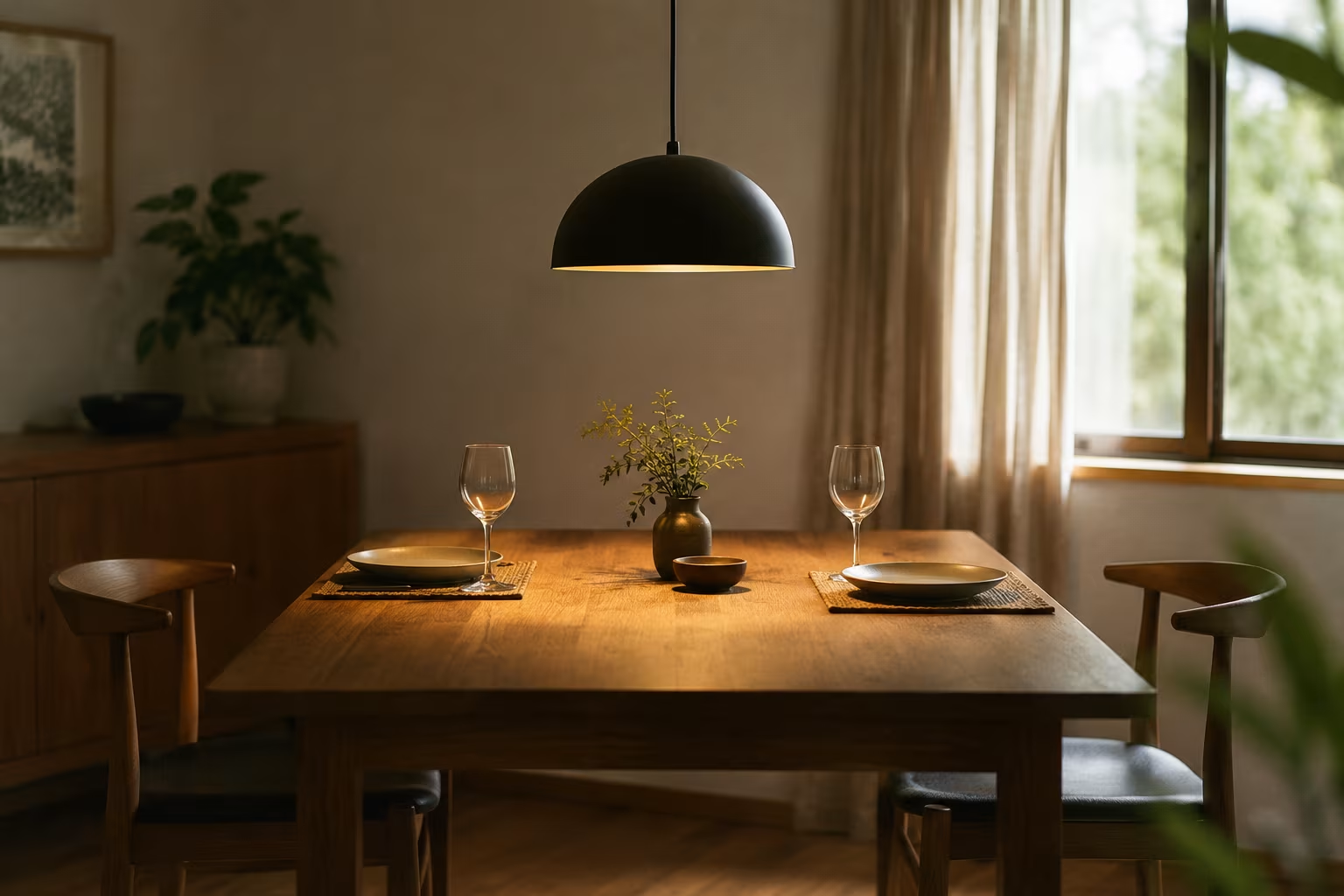
Light Fixture Height Over Dining Table: The Rule
The right pendant light height over a dining table is calculated, not guessed. The standard...
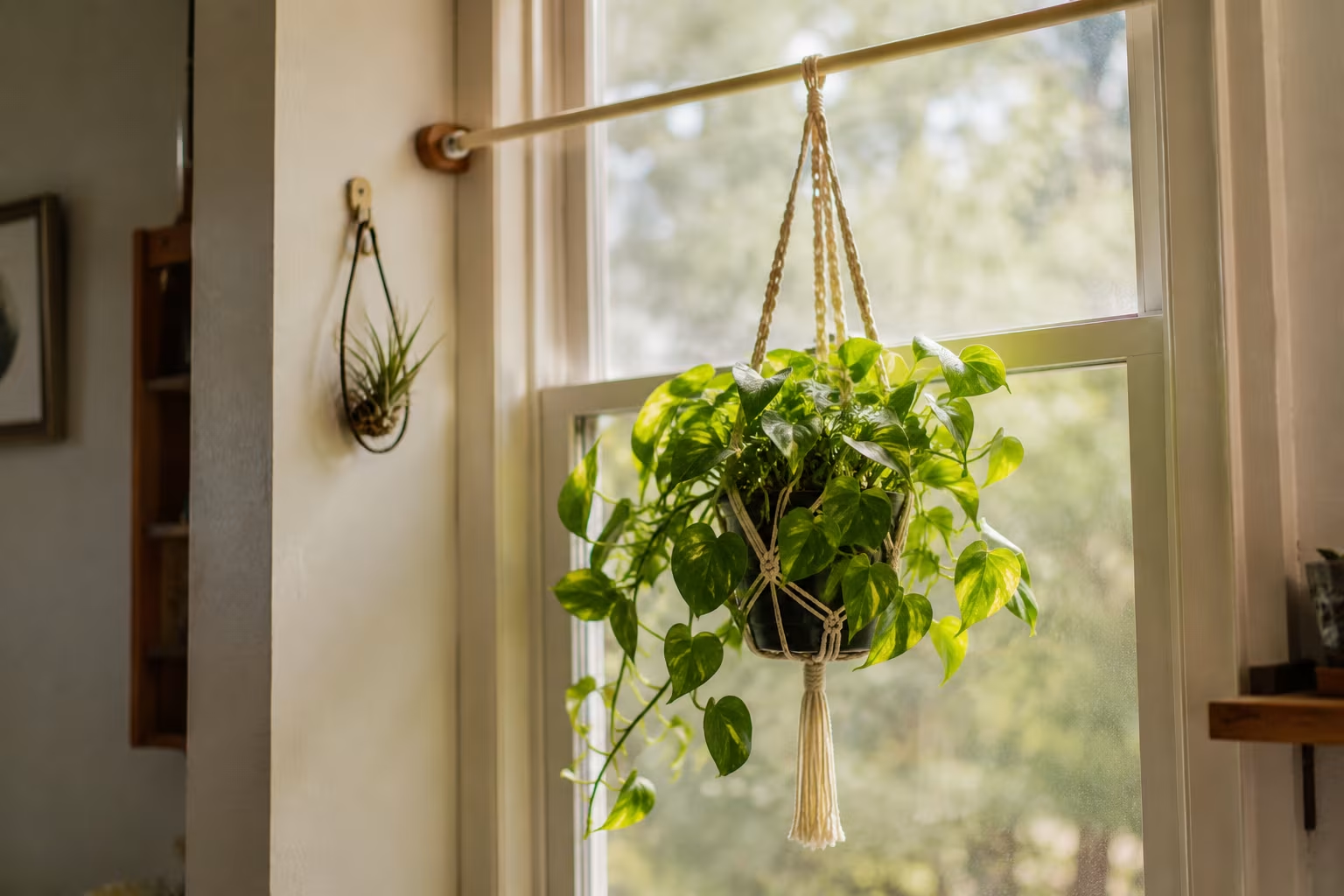
Hanging Plants Without Ceiling Hooks for Renters
Hanging plants brighten any room but drilling into the ceiling isn't always an option....
Comments
No comments yet. Be the first to share your thoughts!